REVIEW · NAIROBI
Market Tour and Traditional Kenyan Cooking Class in Nairobi
Book on GetYourGuide →Operated by Evaline Mbugua · Bookable on GetYourGuide
Ugali and market scents set the tone. I like how this local market tour puts you into real Nairobi food shopping, so you understand the ingredients before they become dinner. You start at a central meet point, then head out to source fresh supplies for the meal.
Then you go back to your host’s home for a lesson on ugali and chapati, plus Kenyan and Indian-influenced dishes like curries. One thing to plan for: because of space constraints, the host does most of the cooking, so your role is more guide-with-help than full chef-in-control.
In This Review
- Key highlights to know before you go
- K Mall Komarock start: a straightforward Nairobi beginning
- The market tour: where your meal starts making sense
- Cooking at home: how the lesson works in a small space
- What you’ll cook: ugali, chapati, curries, and familiar comfort food
- Included foods and drinks: you eat what you learn
- Price and value: why $55 can feel fair here
- Timing: fitting a market stop and a full meal into four hours
- Who this is best for (and who should consider alternatives)
- Booking decision: should you book this Nairobi cooking class?
- FAQ
- Where is the meeting point?
- How long is the activity?
- Is this a private session?
- What languages are used by the guide?
- What’s included in the price?
- Are there any extra costs to plan for?
Key highlights to know before you go
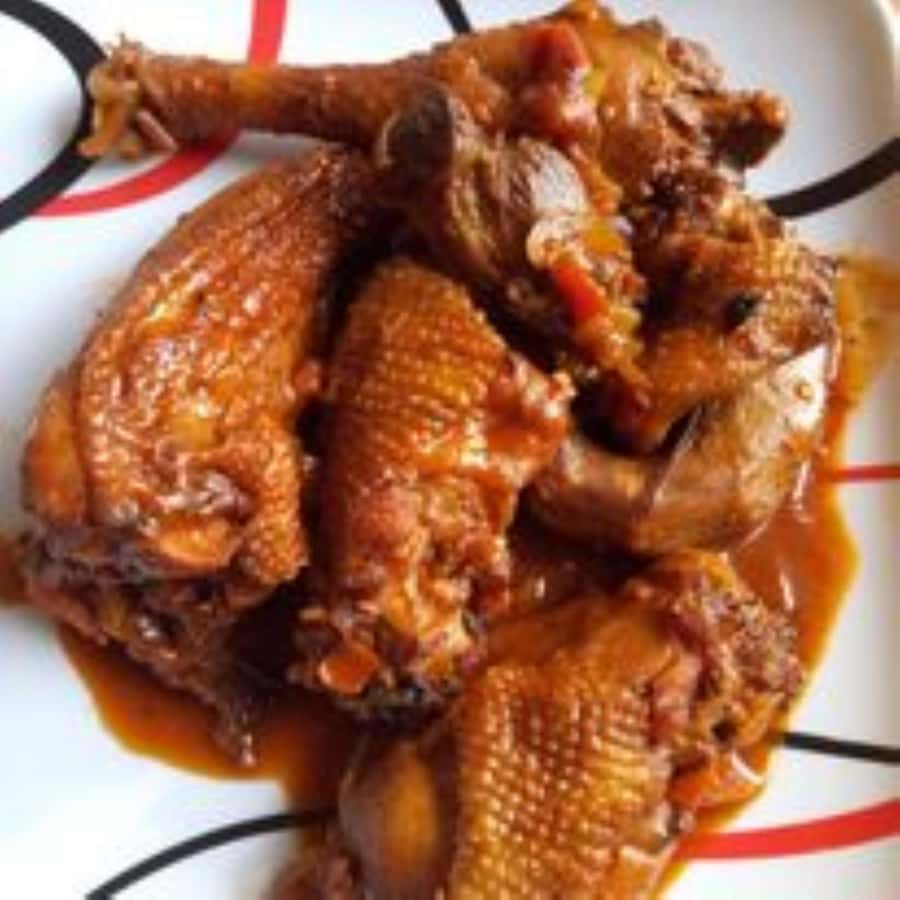
- Start at K Mall Komarock: You meet at the parking lot, then follow the group straight to the market.
- Market shopping with purpose: You source fresh, organic supplies that match what you’ll cook later.
- A real home kitchen: You cook in a smaller domestic space, so expect a practical, hands-on feel.
- Ugali and chapati skills: You learn the basics behind Kenya’s cornmeal staple and the flatbread.
- Kenyan and Indian influences: Curries and flavor methods show up alongside classic Kenyan dishes.
- Food and drinks included: Meal items plus soda, fruits, and water are part of the experience.
K Mall Komarock start: a straightforward Nairobi beginning
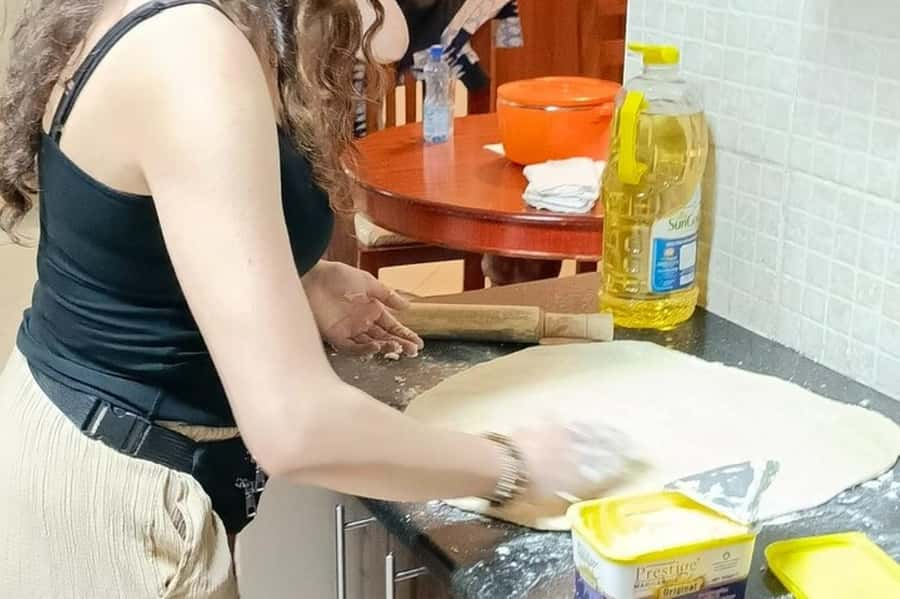
This tour is easy to get moving. You meet at the K Mall Komarock parking lot, then the plan is simple: market first, home cooking second. It’s ideal if you want a structured food experience without juggling a lot of stops on your own.
The meeting point matters for timing. Four hours sounds like a lot until you’re in transit, shopping, and cooking. Starting at a clear, central location helps you avoid the awkward hunt for the right pickup or waiting around.
You also get a live guide in English and Swahili. That’s a big deal in a cooking class, because kitchen instructions are full of small steps and sensory cues. If you don’t catch a term, you still have another language route.
You can also read our reviews of more tours and experiences in Nairobi.

The market tour: where your meal starts making sense
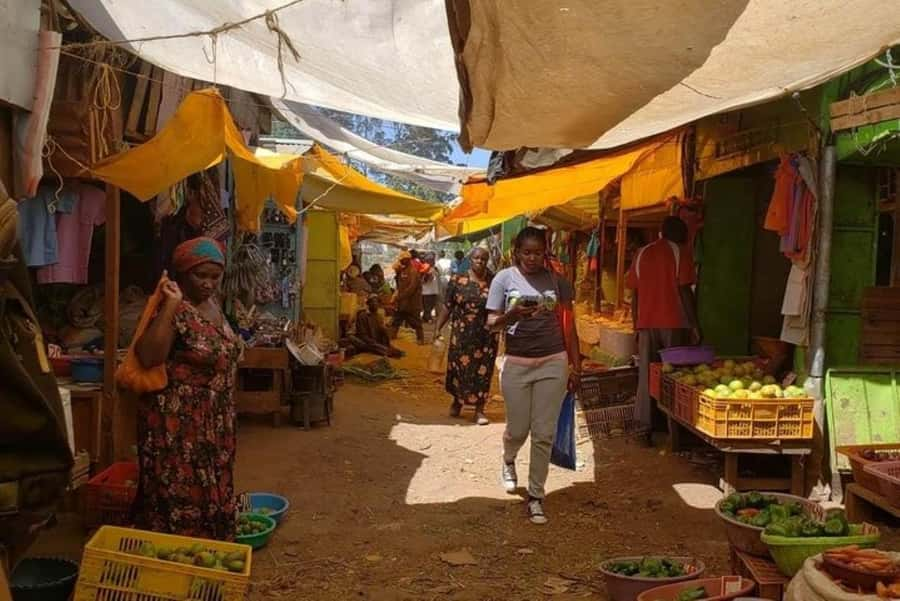
The best part of a cooking class is what happens before the stove. Here, you head to the market to buy fresh ingredients for your meal. That means you can connect the pantry staples you may have seen in supermarkets to what people actually choose and use locally.
I like that the market stop is about fresh, organic supplies. It shifts the lesson from theory to reality. You learn what to look for when selecting key ingredients, and you also pick up the pace of everyday market life.
What you’re really paying for at the market is context. Markets are where you see how spices, grains, and vegetables come together in Kenyan and East African cooking. Even if you only remember a couple of ingredient names, you’ll leave with a better sense of how flavors are built.
Practical note: your time at the market is part of a 4-hour flow. So don’t expect a slow, wandering shopping spree. You’re there for ingredients that connect directly to your later cooking lesson.
Cooking at home: how the lesson works in a small space
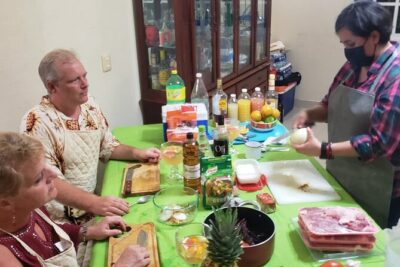
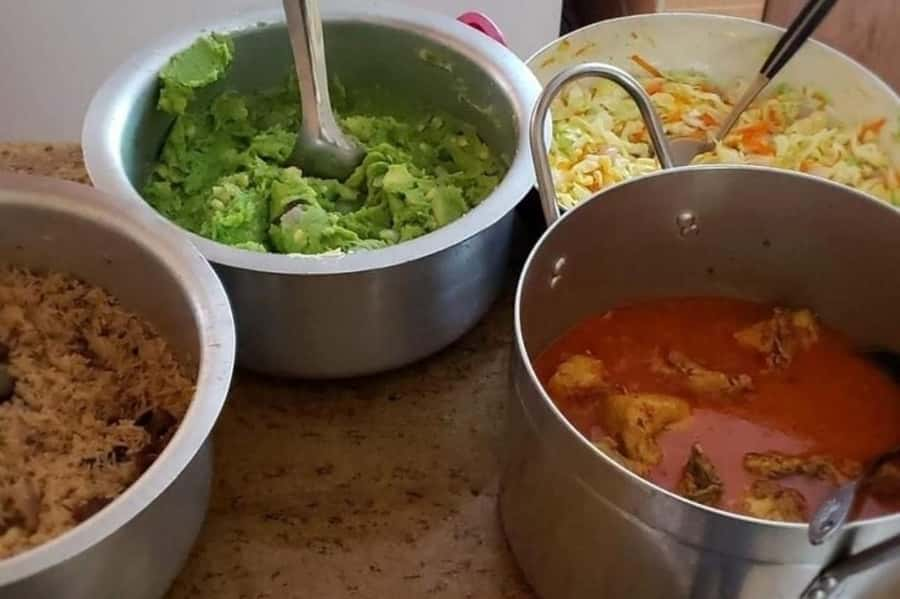
After the market, you head to your host’s home and start cooking from scratch. This is the heart of the experience: the transition from buying ingredients to transforming them into a meal you can eat right away.
Because the kitchen is smaller than you might expect, the host does most of the cooking. That’s not a flaw; it’s the reality of a home setup. In practice, it means you’ll likely focus on key steps like assisting, tasting, learning technique, and helping with tasks that fit the space.
You’ll still get one-to-one guidance in a private format. That matters because home kitchens don’t run like teaching studios. You can ask questions, get answers in your language, and adjust to what your host demonstrates.
Also, private lessons make conversation easier. If you enjoy learning through chat, this format gives you time to talk beyond ingredients—how people cook at home, what’s typical on a weekday, and what tastes best to Kenyans.
What you’ll cook: ugali, chapati, curries, and familiar comfort food
This class focuses on traditional home cooking with Kenyan and Indian influences. The meal components are where you’ll feel the difference between eating food and understanding it.
You get instruction around ugali—cornmeal cooked into a firm staple that anchors many Kenyan meals. This is one of those dishes where texture is everything. You’ll learn the practical side of getting it right: consistency, heat control, and how it should look once it’s done.
Then there’s chapati, a bread that’s part skill, part technique. You’re not just eating it; you’re learning how it’s prepared. Flatbreads are ideal for teaching because small changes in handling affect the final result.
Curries show up as well, reflecting the Kenyan-Indian flavor connection that’s common across the region. This isn’t about chasing restaurant-style presentation. It’s about building flavor the way a home cook does—using spices, aromatics, and the method that turns them into sauce.
If you’re someone who likes food you can reproduce at home, this menu is practical. Ugali and chapati are approachable once you’ve seen the process step by step, and curries are flexible with many ingredient substitutions.
Included foods and drinks: you eat what you learn
One reason these classes feel like good value is that the meal is part of the ticket. Food is included, along with soda, fruits, and water. You’re not doing this just for a demo; you’re expected to sit down and eat what you helped make.
That affects how you should plan your day. Don’t schedule another big meal right before this. You’ll need room to taste and eat slowly, especially if you want to ask questions while cooking.
Also, having drinks included reduces the friction of budgeting. In Nairobi, where you might be using rides or walking between points, it’s helpful when the class already covers the basics.
Price and value: why $55 can feel fair here
At $55 per person for a 4-hour private session, the value depends on what’s included and how you like to learn. In this case, you get transport to and from the market, plus the ingredients/food that turn into your meal.
Cooking classes can get expensive fast when you’re paying separately for ingredients and a guide. Here, those elements are bundled: market sourcing, cooking lesson, and the eating portion are all part of the same package.
The biggest value lever is the private format. You’re not competing with a big group for attention in a small kitchen. If you want personal guidance on techniques like ugali texture or chapati handling, the private setup helps a lot.
One small caution: Uber fees aren’t included. The class handles transport to and from the market, but you’ll still need a way to reach the meeting point. Budget for that ride if you’re coming from farther away.
Timing: fitting a market stop and a full meal into four hours
The tour runs for about 4 hours. That’s a sweet spot if you want a real experience without losing a full morning or afternoon to logistics.
Here’s how the time usually feels:
- You meet at K Mall Komarock and head to the market.
- You shop for the ingredients you’ll use.
- You move to the host’s home to start cooking from scratch.
- You assist, learn, and then eat the final meal.
Because the host does most of the cooking, the lesson can move efficiently. That’s useful if you’re traveling and don’t want a slow, stop-and-start class. It also helps keep the meal time realistic within the 4-hour window.
Who this is best for (and who should consider alternatives)
This tour is a strong match if you like food learning that’s practical. You’ll understand how ingredients go from market selection to a cooked plate. You also get Kenyan staples like ugali and skill-building with chapati, plus curries with Indian influences.
It’s also a good fit if you prefer private, conversation-friendly experiences. The private group format means you’re more likely to ask questions and get answers in real time, instead of waiting your turn.
If you’re the kind of person who wants to physically do every step on your own, adjust your expectations. Due to space constraints, you won’t be running the whole station. You’ll assist where it makes sense and learn through the host’s demonstrations.
Booking decision: should you book this Nairobi cooking class?
I’d book this if you want an authentic Kenya food experience that starts at the market and ends at the dinner table. The ingredient sourcing piece makes the cooking lesson feel grounded, not like a scripted performance.
It’s especially worth it when you value instruction. Ugali and chapati are the kind of skills that take seeing the process. A private format with English and Swahili guidance also helps you catch the little techniques that make the difference.
Skip it only if you need a fully hands-on cooking role where you do most steps yourself. Here, the host will handle much of the cooking because the kitchen is small.
If you’re coming to Nairobi hungry for understanding, not just eating, this is the kind of experience that pays off fast.
FAQ
Where is the meeting point?
You meet at K Mall Komarock parking lot, and then you proceed to the market.
How long is the activity?
The duration is 4 hours.
Is this a private session?
Yes. It’s listed as a private group experience for your party.
What languages are used by the guide?
The live tour guide speaks English and Swahili.
What’s included in the price?
Food, soda, fruits, water, and transport to and from the market are included.
Are there any extra costs to plan for?
Uber fees are not included, so you may need to budget for getting to the meeting point and back on your own. There is also free cancellation up to 24 hours in advance for a full refund, and you can reserve now and pay later.