REVIEW · NAIROBI
Private Traditional Kenyan Cooking Class with Lunch in Nairobi
Book on Viator →Operated by Kenya Bush Expeditions Tour and Travel · Bookable on Viator
A classic Kikuyu meal is made in real kitchens, not studios. You get a private cooking class inside a Kenyan family home, learning how to make mukimo from scratch and then eating together. The best part is how practical it is: you walk away with a meal you can recreate back home.
I especially like the hands-on, step-by-step teaching in a kitchen big enough for you to actually participate. You’re not just watching and snapping photos. I also love the door-to-door vehicle pickup idea, since Nairobi traffic can turn a simple morning plan into a headache.
One thing to consider: this runs for about 4 hours starting at 9:00 am, so it’s not a casual drop-in. If you prefer slow mornings or late starts, you’ll want to plan your day around the early start.
In This Review
- Quick takes before you book
- Nairobi’s family kitchen: how the experience really feels
- Price and what you get for $60 per person
- Door-to-door pickup and a 9:00 am start that actually makes sense
- Welcome to the host home and kitchen setup
- Mukimo making: the Kikuyu potato-based core you’ll learn
- Beef sauce and vegetables: the pairing that makes the meal complete
- Eating together in the dining room with coffee or tea
- Kitchen garden time: the calm wrap-up after the main lesson
- Who this is best for (and who might want to choose differently)
- Value check: when this cooking class is a smart choice
- FAQ
- FAQ
- What dish will I learn how to make?
- Is this a private experience?
- How long is the cooking class?
- Where does the tour take place?
- What time does the experience start?
- Is pickup included?
- What’s included in the price?
- What should I bring or wear?
- Are tips included?
- Can I cancel for a full refund?
- Should you book it?
Quick takes before you book
- Private only for your group means a calmer, less rushed pace.
- Mukimo from scratch teaches the core technique for a Kikuyu staple.
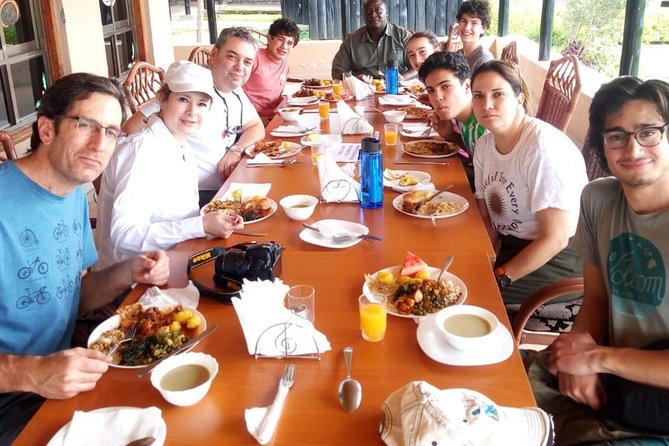
- Family-home dining gives you lunch as part of the cultural exchange, not a separate restaurant stop.
- Pickup and bottled water make the logistics easier than typical city-based food tours.
- Coffee or tea with lunch rounds out the meal in a very local way.
- Kitchen garden time lets you see another side of everyday home life after cooking.
Nairobi’s family kitchen: how the experience really feels
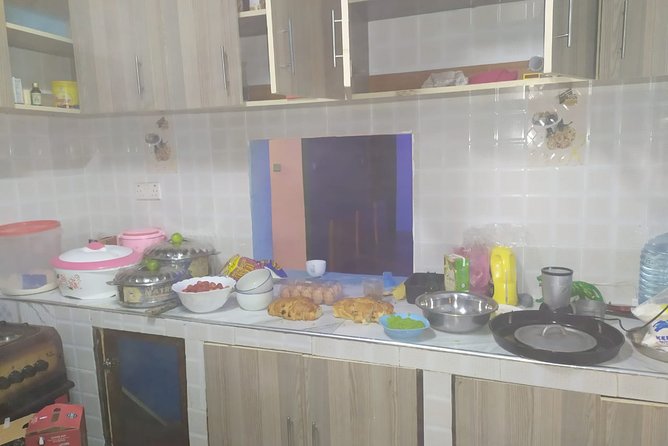
This isn’t a cooking class where you hover over someone else’s cutting board. You’re welcomed into a home kitchen where the space is meant for people to cook together, and that changes the whole vibe. You’ll be part of the process, from prepping through cooking, and you’ll get instruction along the way.
The focus is on Kikuyu food—specifically mukimo, a traditional potato-based dish. In many places, food experiences stop at flavors and stories. Here, the payoff is method. You’ll learn how the ingredients come together so you’re not stuck recreating just the idea of the meal.
Also, the private setup matters more than it sounds. With a group of your size, you get more back-and-forth while you cook. That’s where you pick up small fixes—how to judge texture, how to adjust seasoning, and what to do when things don’t behave exactly like the first attempt.
You can also read our reviews of more tours and experiences in Nairobi.
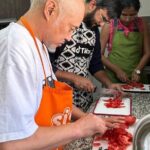
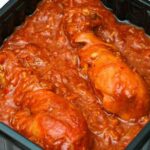
Price and what you get for $60 per person
At $60 per person for about 4 hours, this sits in the midrange for Nairobi food experiences—but it’s built around real, home-cooking value. You get lunch, coffee or tea, bottled water, and all ingredients included. You also get private transportation, which is a big deal in Nairobi where time and stress can add up fast.
Because it’s private, you’re not splitting costs across a large crowd, which usually keeps the experience more personal. And since it’s a local-family setup (not a commercial kitchen), that ingredient-and-labor part is genuinely included rather than tacked on.
The one extra cost to expect: tips or gratuities are not included. If you’ve enjoyed a cooking lesson that involves a whole family and their home setup, budgeting a tip is fair.
Door-to-door pickup and a 9:00 am start that actually makes sense
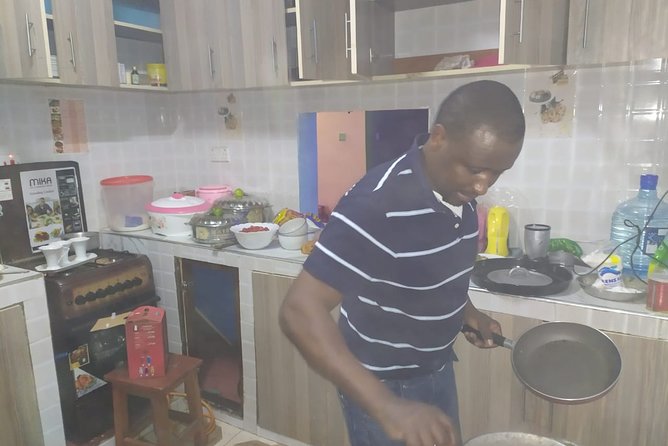
The tour starts at 9:00 am, and pickup is offered from anywhere in Nairobi. That matters because morning energy is helpful when you’re cooking. Potatoes, vegetables, and the timing of prep and cooking go better when you aren’t racing the clock.
You also get bottled water as part of the included package. Small, yes, but it helps you stay comfortable from the time you’re collected until you’re done with lunch.
Since the experience is about 4 hours, I’d plan your afternoon with a little breathing room. You’ll finish full and satisfied, and you might not feel like sprinting to another activity right after.
Welcome to the host home and kitchen setup
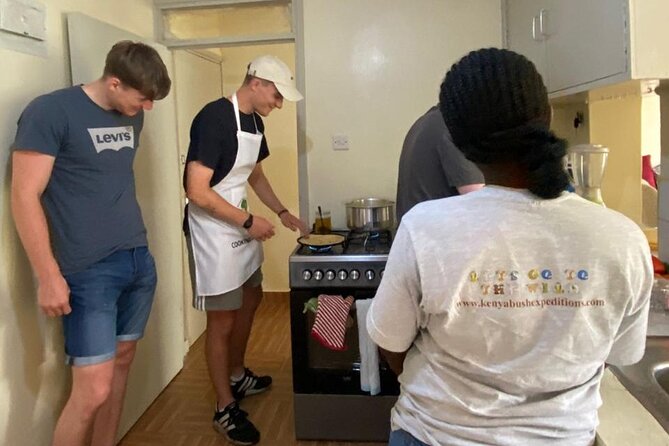
You’ll meet your host and settle in with the tools and space you need to cook. The kitchen is described as big enough for clients to participate, which you’ll appreciate once you start moving between tasks. It means the lesson is designed for you to be active, not squeezed into a corner.
This is also a private activity, so only your group will take part. That usually leads to fewer interruptions and more attention from the people teaching you. If you want your questions answered while you’re actively cooking, this format helps.
Before heat and chopping take over, you’ll get an orientation to what you’re making. The key dish is mukimo, and the companion is beef sauce and vegetables. Even if you’ve cooked before, the lesson works because it’s built around one clear meal.
Mukimo making: the Kikuyu potato-based core you’ll learn
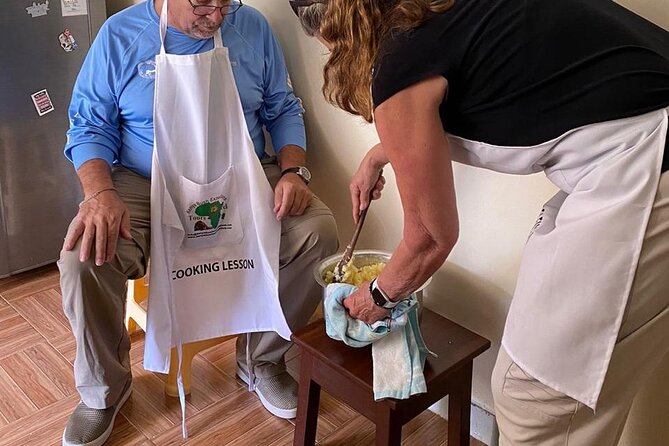
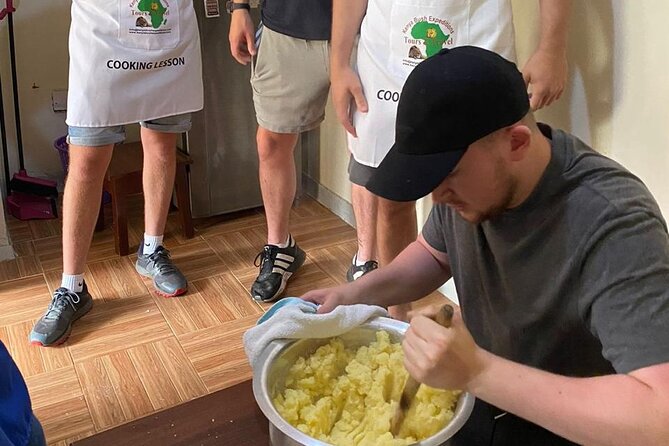
Mukimo is the star, and you’re taught how to prepare it from scratch. The recipe centers on potatoes and then expands into the Kikuyu style of mixing and seasoning. You’re not just given a plate at the end—you’re walked through the process.
Here’s why this matters for you: potatoes are forgiving, so even if your kitchen skills are rusty, you’ll likely succeed. But the real skill is in getting the texture and blending right. Mukimo is “simple” ingredients, but it’s not a throw-together meal. The method is what makes it taste like mukimo and not just mashed potatoes.
Because the class is step-by-step, you can focus on learning the logic: what you need to do first, what you can adjust later, and how the dish should feel as it comes together. When people try to recreate dishes at home, they usually miss the feel of the final texture. A hands-on lesson like this gives you that mental checkpoint.
If you’re a home cook, you’ll probably start noticing how seasoning and mixing change the end result. That’s where your takeaway becomes real.
Beef sauce and vegetables: the pairing that makes the meal complete
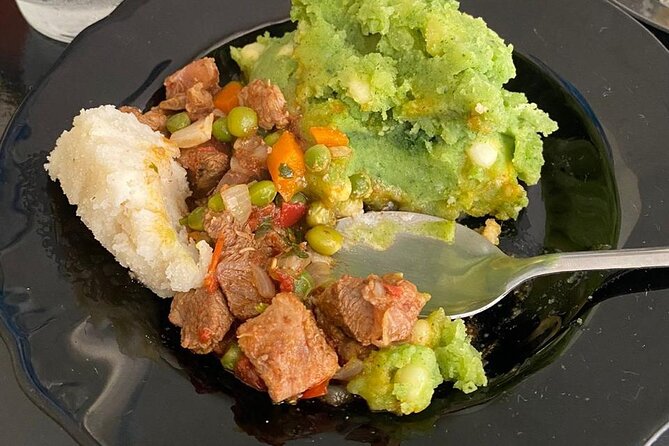
Mukimo gets paired with beef sauce and vegetables, and that pairing is part of the lesson. The goal isn’t only to teach you a dish in isolation—it’s to teach you how it’s actually eaten.
This is valuable because many “cook and eat” classes focus on one element and then send you off with the rest as a mystery. Here, you’ll learn a cohesive meal: starch (mukimo), protein (beef sauce), and vegetables. You’ll also be able to plan a similar plate at home with confidence.
Vegetables aren’t just a side here; they balance the meal and add color and freshness against the potato base. And the beef sauce adds depth that makes the whole plate feel satisfying rather than plain.
As you cook, you’ll likely pick up how different components can be timed together. Even without exact measurements shared here, learning the flow of cooking order helps you repeat it later.
Eating together in the dining room with coffee or tea
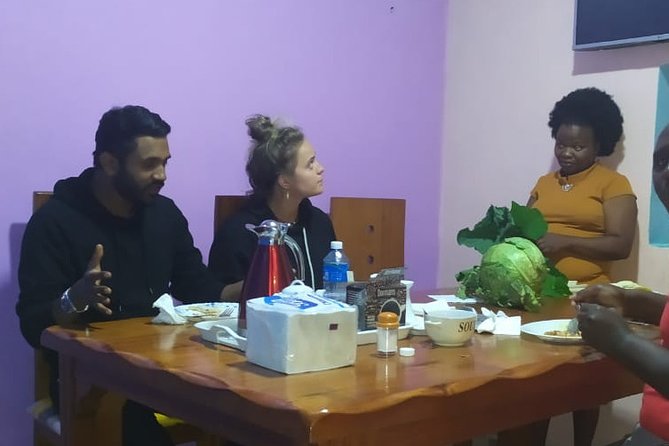
After cooking, you’ll move from the kitchen to a dining room to enjoy what you made. This is a real home-style meal, not a quick photo op. The shared meal is part of the cultural exchange, and the format encourages conversation rather than performance.
You’ll also have coffee and/or tea included, which rounds out lunch in a way that feels natural for a family meal. It’s the kind of finish that makes you feel like you spent time with people, not just attended an activity.
I like that this part is included right in the experience. You’re not left to find a restaurant or decide where to eat afterward. Your lunch is part of what you paid for, and it’s tied directly to your own cooking.
Kitchen garden time: the calm wrap-up after the main lesson
Later, you’ll have freedom to leave after touring the hosts kitchen garden. This isn’t described as a long excursion, but it adds a nice angle: you see another everyday piece of the home that grows food.
Why this matters: it connects the ingredients you cooked with where they come from. Even if you don’t get a detailed farming lecture, walking through a kitchen garden helps you feel the meal more clearly. It also gives you a gentle end to the experience—especially if you’re not ready for sightseeing right after lunch.
Who this is best for (and who might want to choose differently)
This works great if you want authentic food you can actually reproduce. If you like learning practical cooking skills, you’ll enjoy the step-by-step approach and the focus on one traditional meal with its full plate components.
It’s also a good pick if you’re traveling with a smaller group and want a quieter, more personal cultural exchange. Private format plus family-home lunch is a strong combination for couples, friends, and solo travelers who don’t want to feel like they’re in a crowd.
If you’re someone who dislikes early mornings, note the 9:00 am start. It’s also not built as a tasting-only experience. If you’d rather sample many dishes quickly in a market setting, you might prefer a different style of food tour.
Value check: when this cooking class is a smart choice
Let’s do the simple value math. You’re paying $60 for about 4 hours with pickup, bottled water, lunch, coffee or tea, and all ingredients for cooking. For a private setup, that can be excellent value because you’re not paying extra for transportation or a separate meal.
The real value, though, is what you take home mentally: a clear sense of how mukimo is made and how it pairs with beef sauce and vegetables. Cooking classes are only worth it if they give you enough guidance to repeat the outcome. This one is built around step-by-step instruction and active participation in the kitchen.
If you’re trying to prioritize one hands-on experience in Nairobi, I’d put this near the top of the list—especially if you care about Kikuyu food specifically.
FAQ
FAQ
What dish will I learn how to make?
The class focuses on mukimo, a traditional Kikuyu meal made with potatoes, plus beef sauce and vegetables.
Is this a private experience?
Yes. It’s a private tour/activity, and only your group participates.
How long is the cooking class?
It runs for about 4 hours (approx.).
Where does the tour take place?
It takes place in Nairobi, Kenya, in a local family’s home kitchen and dining area, with time afterward to tour the hosts kitchen garden.
What time does the experience start?
The start time is 9:00 am.
Is pickup included?
Yes, private transportation and pickup are offered, with door-to-door transfers from anywhere in Nairobi.
What’s included in the price?
Coffee and/or tea, lunch, bottled water, private transportation, cooking lessons, and all ingredients are included.
What should I bring or wear?
The details provided don’t list a specific dress code, but since it’s hands-on cooking, you’ll want comfortable clothes suitable for kitchen time.
Are tips included?
No. Tips or gratuities are not included.
Can I cancel for a full refund?
Yes. Free cancellation is allowed up to 24 hours in advance of the experience start time for a full refund.
Should you book it?
If you want a Nairobi experience that’s practical, personal, and tied to a real meal you’ll remember, I think this is a strong booking. The combo of private family-home cooking, included lunch with coffee or tea, and mukimo from scratch makes it more than entertainment—it’s a skill you can use later.
Book it if you’re excited by Kikuyu food and you’re willing to start at 9:00 am. Skip it if you prefer a fast market-style tasting tour where you sample lots of different foods and never cook.
If you like learning by doing, this is the kind of class you’ll feel good about choosing once you’re sitting down to eat.