REVIEW · NAIROBI
Private Kenyan Cooking Class in Nairobi with a Local
Book on Viator →Operated by Traveling Spoon · Bookable on Viator
A home kitchen lesson can change your travel taste. In Nairobi, a private cook-along with Grace feels personal and grounded, and I love how you learn a real Kenyan menu you can repeat later. The food also lands with real flavor, thanks to her clear guidance and family stories about making dishes for generations. One thing to note: Grace’s kitchen is very small, so you’ll do some watching and only help when space allows.
This is a 3-hour experience that starts at 11:00 am and ends back where you meet. You spend about an hour cooking under her direction (mostly demonstration), then you sit down to eat what you made, as a local family meal—not a rushed photo stop.
In This Review
- Quick Hits: What Makes This Nairobi Cooking Session Special
- Entering Grace’s Nairobi Home Kitchen
- The Menu: Mukimo, Ugali, Pilau, and Local Vegetables
- How a Small-Kitchen Demo Still Feels Personal
- The Family-Meal Moment: Eating What You Cook
- Price and Value: Is $76 a Good Deal in Nairobi?
- Timing, Duration, and What to Do With Your Morning
- Who This Cooking Class Fits Best (and Who Should Skip It)
- FAQ
- What dishes will I learn to cook?
- Is this a private tour or a group activity?
- How long is the experience?
- Does Grace let guests help, or is it mostly watching?
- Where does the experience start and end?
- What time does it begin?
- How much does it cost?
- How soon will I get confirmation after booking?
- Is there free cancellation?
- Can I bring a service animal?
- Should You Book This Private Kenyan Cooking Class?
Quick Hits: What Makes This Nairobi Cooking Session Special
- Cook with Grace in her home kitchen, not a studio or hotel classroom
- Learn the core comfort-food trio: mukimo, ugali, and spiced rice (pilau)
- Watch and help where you can, with guidance built for a small-space kitchen
- Hear family stories, including her grandmother’s mukimo technique (she lived past 100)
- Finish by sharing the meal together, so you taste the results in the same setting
Entering Grace’s Nairobi Home Kitchen
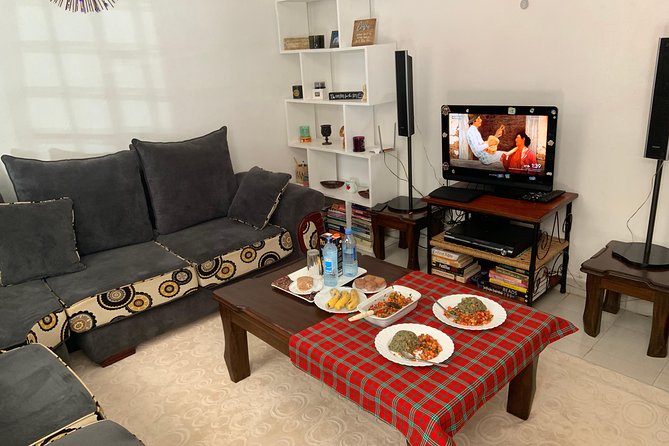
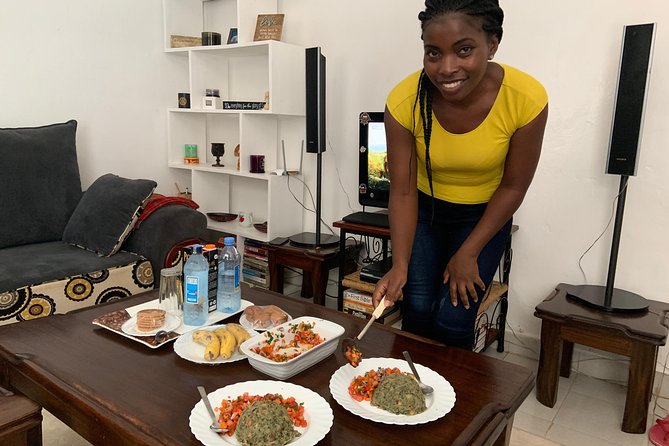
You start your morning in Nairobi and then head into a typical home setup with Grace, your host. This is a private experience, meaning only your group participates. That matters more than it sounds: it keeps the vibe calm and lets you ask questions without feeling like you’re “waiting your turn” in a big class.
Grace’s kitchen is described as modest and very small. In practical terms, plan for a demo-style lesson. She does most of the cooking, and you step in whenever there’s an opening—stirring, assisting with prep tasks, or helping with specific steps as she guides you. If you’re the type who wants hands-on every minute, keep expectations realistic. If you’re here to understand the dishes and the choices behind them, this setup can actually be great. You’ll watch close-up, ask questions, and get the “why” behind the food.
The strongest part, based on what people highlight, is Grace herself: super welcoming, personable, and engaged. People also mention that she answers questions and shares lots of practical detail about what you’re making. That turns the experience from a one-time lesson into something you can translate into your own kitchen later.
You can also read our reviews of more tours and experiences in Nairobi.

The Menu: Mukimo, Ugali, Pilau, and Local Vegetables
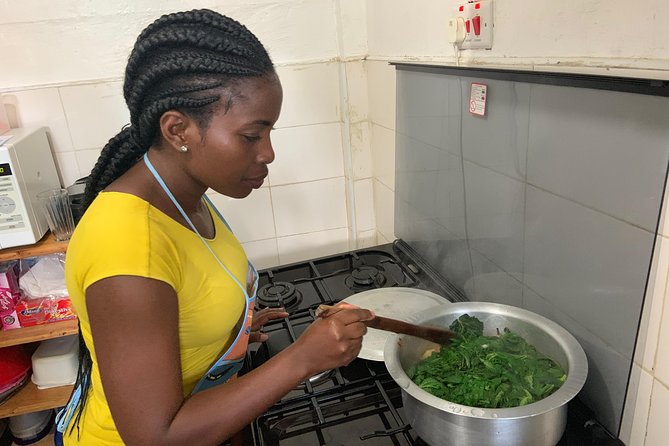
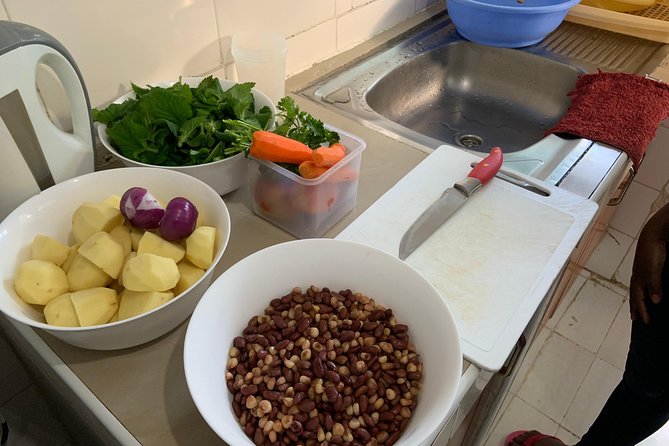
This class focuses on a practical Kenyan plate: hearty staples plus vegetables and spice. You’ll work through dishes like mukimo (mashed potatoes and greens), ugali (corn flour mixed with water), local vegetables, and spiced rice (pilau). You’re not just sampling. You learn how each dish comes together and what the final texture should feel like.
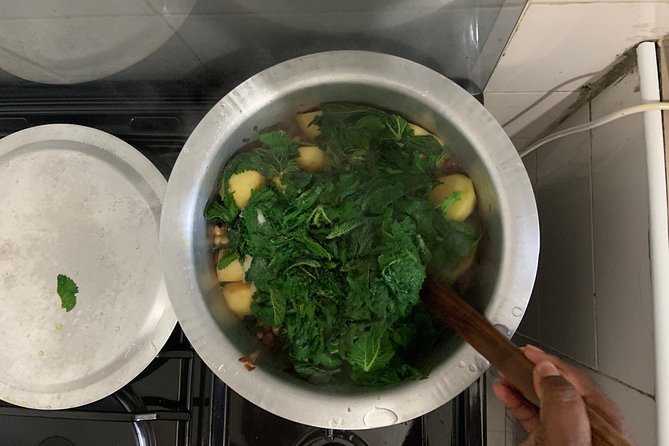
Mukimo is the mash that anchors the meal. It’s built from potatoes plus greens, then mashed and mixed until the texture is right. What you’ll get out of learning mukimo isn’t only the recipe—it’s the method: how to manage the greens, how to combine them with the potatoes, and how you can adjust the approach when you’re using pantry ingredients later. Grace also shares stories about her grandmother making mukimo for the family, including variations the family used over time. That kind of context matters because it gives you flexibility when you’re cooking at home.
Ugali is the corn-based staple. The key experience here is watching how it’s mixed and cooked until it reaches that firm, cohesive stage. Ugali is simple in ingredients, but it’s not “instant.” People emphasize that Grace explains and answers questions while you cook. That explanation is what helps you avoid the most common home-kitchen mistakes, like ending up with ugali that’s too runny or doesn’t set properly.
Then there’s pilau, spiced rice. Rice lessons can be easy to mess up because people rush the seasoning or don’t respect the steps that build flavor. In this workshop, you get guided help as you make spiced rice, plus you learn how local vegetables fit into the plate—so your end result isn’t just rice and starch. It’s a full meal.
How a Small-Kitchen Demo Still Feels Personal
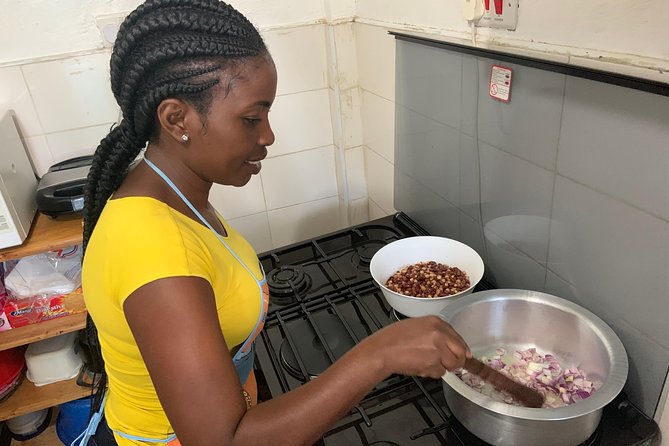
Because Grace’s kitchen is small, the experience runs more like a guided cooking demonstration than a typical “everyone gets a station” class. That’s the main drawback to consider, and it’s worth planning for up front.
But here’s why it still can be satisfying:
First, you’re cooking in a real home environment. There’s no big performance kitchen setup. You see what it means to cook when space and tools are limited, and you learn the workflow that makes home cooking work.
Second, you still get chances to help. The description is explicit that Grace will have you help whenever possible. In a small space, those opportunities often come in short bursts—stirring a pot, assisting with steps that don’t require standing room, or helping prep something before it hits the heat.
Third, questions matter here. In the feedback, people call out that Grace lets you get hands on and explains details, answering questions. When you’re watching closely and asking as you go, you retain more than you would from a lecture-style cooking video.
If you want a classroom where you plate your own dish start-to-finish, this may not match that goal. If you want to learn a Kenyan menu through close observation and real-life pacing, it fits well.
The Family-Meal Moment: Eating What You Cook
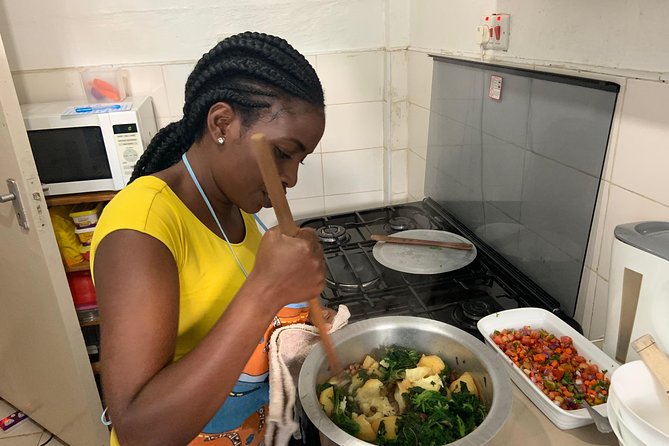
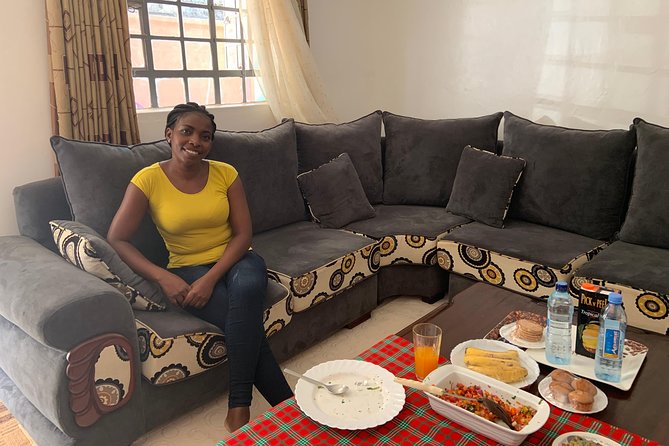
After the cooking demonstration, you sit down together and share the meal. This is a key part of the value. Cooking classes can sometimes end with a quick taste and a goodbye. Here, you eat in the same home setting as the cooking—so the meal becomes the payoff, not just the “last step.”
The dishes you prepare are hearty and filling: mukimo, ugali, spiced rice, and local vegetables. You’ll taste how the textures work together—the firm bite of ugali, the comfort factor of mashed potatoes and greens, and the spiced warmth of pilau. And because Grace tells stories as she cooks, you tend to understand what you’re eating beyond flavor alone.
Think of this as a lesson with lunch built in. You’ll leave with a better sense of what a Kenyan home meal feels like and how these dishes create balance on a plate.
Price and Value: Is $76 a Good Deal in Nairobi?

At $76 per person for about 3 hours, this isn’t the cheapest thing you can do in Nairobi. But the value isn’t just the cooking. It’s the combination of private access, a local home setting, and a full meal you share at the end.
Here’s how I’d judge value in your shoes:
- Private experience: You’re not competing for attention in a group. Grace can answer your questions and guide you at a pace that fits your group.
- Real dishes, not snacks: Mukimo, ugali, pilau, and vegetables are meal components you can realistically recreate at home.
- Home setting: Cooking inside a modest household kitchen is different from cooking at a venue built for tourists. It’s more intimate and more practical.
- A limitation you should price into your expectations: Because the kitchen is small, you’ll likely do more watching than full hands-on participation for the entire hour.
So yes, $76 can feel reasonable if you want depth and connection more than nonstop hands-on action. If you’re strictly looking for a fully participatory cooking class where you take over every step, you may want to compare alternatives.
Timing, Duration, and What to Do With Your Morning
The experience begins at 11:00 am and runs around 3 hours. You’ll likely use the middle of your day for this, then have the rest of your afternoon open.
This timing is useful if you want to avoid the late-day scramble and you like structured cultural activities that end with a meal. Since it returns to the meeting point, you don’t have to plan an extra ride to wrap up your day.
Also, because it’s a home-based experience, you’ll want to show up ready to move at a local pace. Cooking at home includes short pauses, tasting, and adjusting, and that’s part of the learning.
Who This Cooking Class Fits Best (and Who Should Skip It)
This workshop fits best if you:
- want a private cultural experience centered on food
- like learning staple dishes like ugali and mukimo, not only desserts or fancy techniques
- enjoy asking questions while you cook
- appreciate family stories and context, including Grace’s grandmother’s mukimo legacy
It may not fit as well if you:
- want a large, hands-on kitchen experience where every participant cooks continuously
- expect a full menu with lots of dishes beyond what’s listed
- dislike demonstrations where someone else leads most of the steps
FAQ
What dishes will I learn to cook?
You’ll learn to make mukimo (mashed potatoes and greens), ugali (mashed corn flour mixed with water), spiced rice (pilau), and local vegetables.
Is this a private tour or a group activity?
It’s private. Only your group will participate.
How long is the experience?
It’s about 3 hours.
Does Grace let guests help, or is it mostly watching?
Because the kitchen is very small, it’s more of a cooking demonstration. Grace will have you help whenever possible, but she will do most of the cooking.
Where does the experience start and end?
It starts in Nairobi, Kenya, and ends back at the meeting point.
What time does it begin?
The start time is 11:00 am.
How much does it cost?
It costs $76.00 per person.
How soon will I get confirmation after booking?
Confirmation is received within 48 hours of booking, subject to availability.
Is there free cancellation?
Yes, free cancellation is offered. You can cancel up to 24 hours in advance for a full refund.
Can I bring a service animal?
Service animals are allowed.
Should You Book This Private Kenyan Cooking Class?
If you want a genuine, home-based meal experience in Nairobi and you’re excited to learn staple dishes you can recreate—this is a strong choice. Grace seems to be the centerpiece of the day: welcoming, personable, and ready to answer questions while you cook. The small-kitchen setup means you’ll likely do more watching than nonstop cooking, but you’ll still get hands-on help when there’s room, and you finish by eating what you made.
Book it if you care about real Kenyan food and family context. Skip it if you only want a fully hands-on class where you’re actively cooking the entire time.