REVIEW · NAIROBI
Local Market Tour and Traditional Meal Cooking Class
Book on GetYourGuide →Operated by Nai Local Experience Tours & Safari · Bookable on GetYourGuide
Nairobi tastes real in three hours. This small-group experience starts at Westlands Square (Java cafe entrance) and takes you straight into a local fresh market, where you’ll shop for ingredients the way Nairobi cooks do.
I also like the fact that the day finishes at a real home for hands-on cooking, not a demo. You’ll be guided by local hosts such as Gladys and Ninoh, and the focus stays practical and friendly. One thing to consider: the home is on the 4th floor with stairs only, so plan accordingly if stairs are a challenge.
In This Review
- Key things you’ll notice on this tour
- Westlands Square meetup, then straight to the market
- The local farmers and fresh market stroll
- Public transport vibes on Nairobi’s matatu (optional)
- Cooking at the guide’s home: 4th-floor stairs and real kitchen time
- Diet-friendly Kenyan cooking you can actually participate in
- Eat what you cook: sampling Kenya at the table
- What the timing really means for you (3 hours, two daily starts)
- Price and value: what you get for $64
- Who this tour is best for
- Getting from start to finish: Westlands in, Uber out
- Should you book this Kenyan market tour and cooking class?
- FAQ
- Where is the meeting point?
- What time does the tour start?
- How long is the experience?
- Is hotel pickup and drop-off included?
- Can I choose a vegan, vegetarian, or pescatarian meal?
- Is this a small group tour?
- Is the location wheelchair accessible, considering stairs?
Key things you’ll notice on this tour
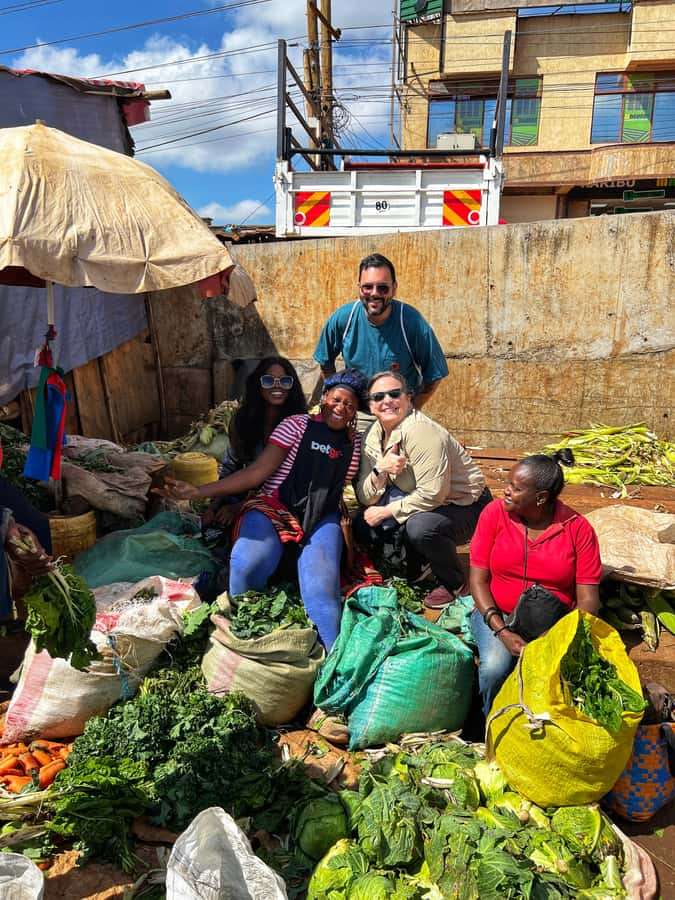
- Fresh-market shopping for ingredients you can actually recognize
- Matatu public transport option if you want the Nairobi rhythm
- Hands-on cooking with guidance you can ask questions during
- A home meal setup where you eat what you help make
- Small group size (max 6) for real back-and-forth conversation
- Practical comfort with WiFi and a clean washroom at the home
Westlands Square meetup, then straight to the market
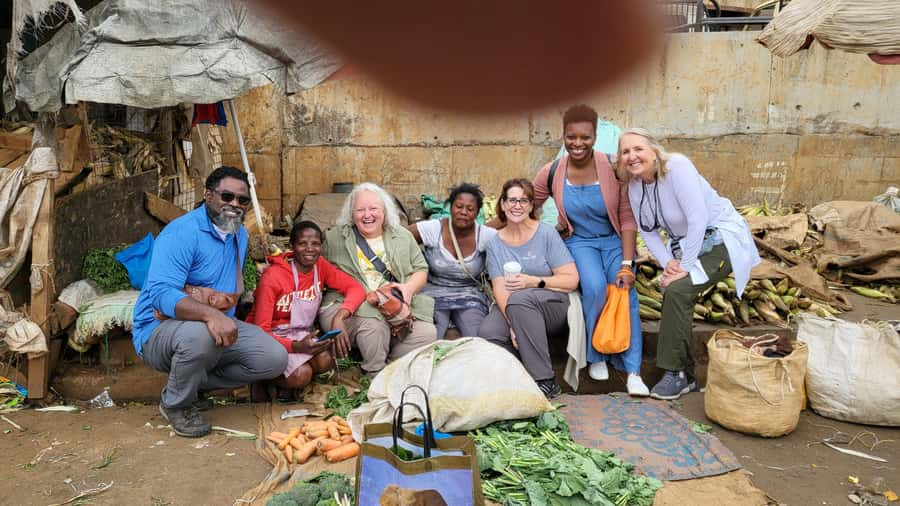
The day begins at Westlands Square, at the Java cafe entrance. It’s an easy landmark when you’re figuring out Nairobi for the first time, and it helps you avoid the usual start-of-tour confusion. You’ll start at either 11:30am or 5pm, depending on what you booked.
From there, you get a short ride (about 10 minutes) before you’re in the neighborhood where daily life happens. This is one of those smart choices: you spend less time on transit and more time on the part that matters—market sights, shopping, and cooking.
At the start, your guide sets the tone. You’re not just watching; you’re learning how people think about food here. And because it’s small group (limited to 6 participants), you’ll get time for questions instead of rushing through a script.
You can also read our reviews of more tours and experiences in Nairobi.


The local farmers and fresh market stroll
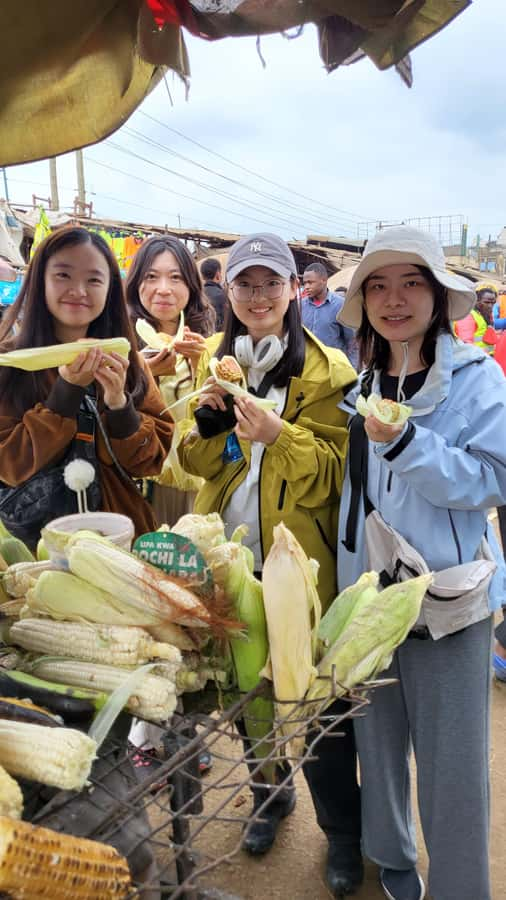
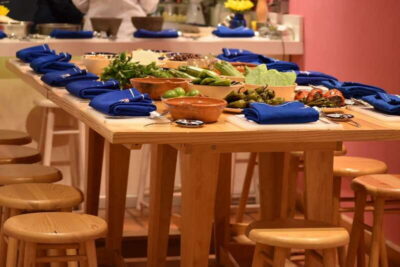
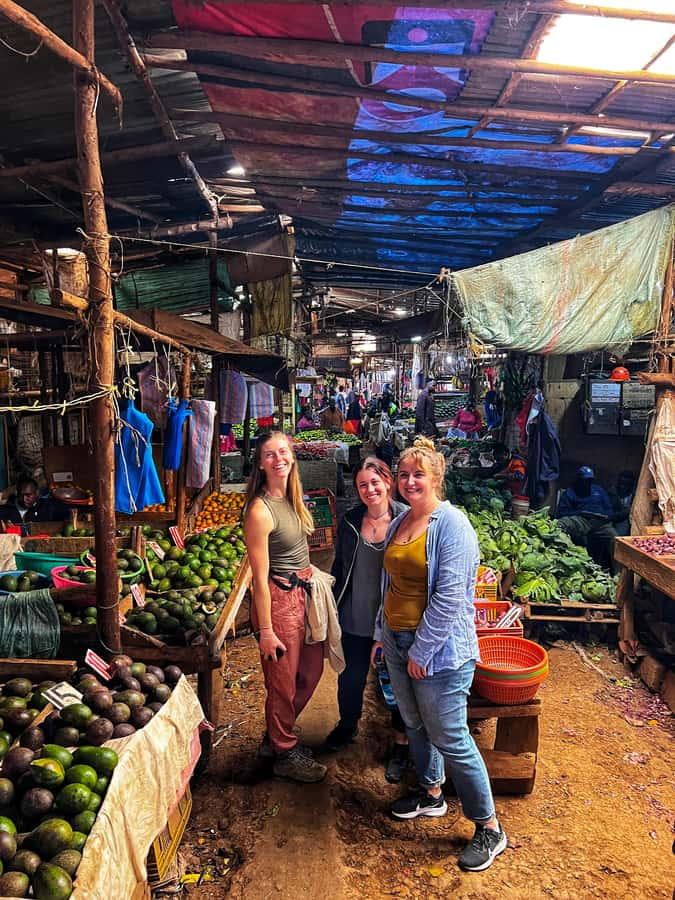
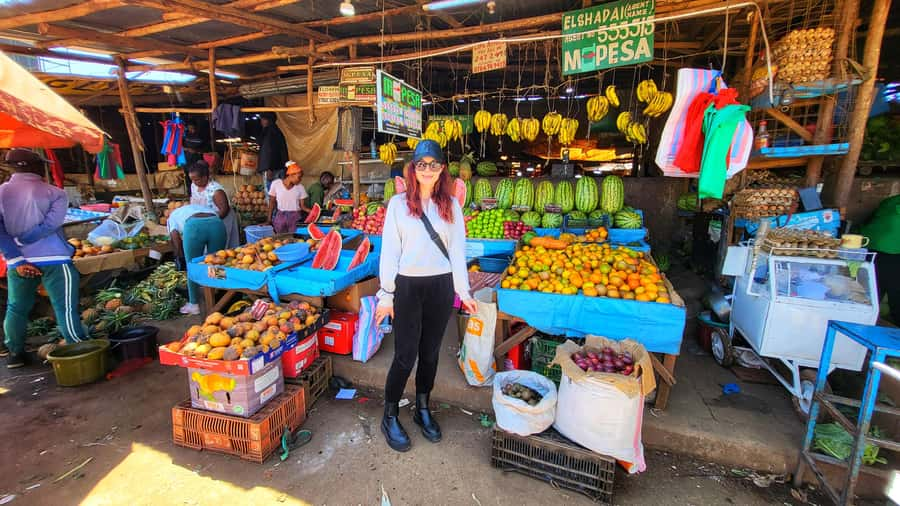
The main event before cooking is the walk through a true African fresh market, where you’ll shop for groceries with your guide. This is where the tour becomes more than a class. You get to see produce up close, understand what looks best that day, and learn how cooks choose ingredients in real life.
What I like about this part is the pacing. Instead of being herded past stalls, you’re given time to look, compare, and get the guide’s food-culture perspective. You’ll also hear practical notes about what ingredients mean in Kenyan cooking, which makes the cooking stage much easier to follow.
A big value here is that you’re not just buying food—you’re learning how to shop for it. You’ll likely take away mental shortcuts you can use later, even after the tour ends. When you cook at home, it’s the ability to identify and choose ingredients that helps you recreate the flavors more successfully.
One small practical note: markets are active places. Wear comfortable closed shoes so you can move without thinking about your feet.
Public transport vibes on Nairobi’s matatu (optional)
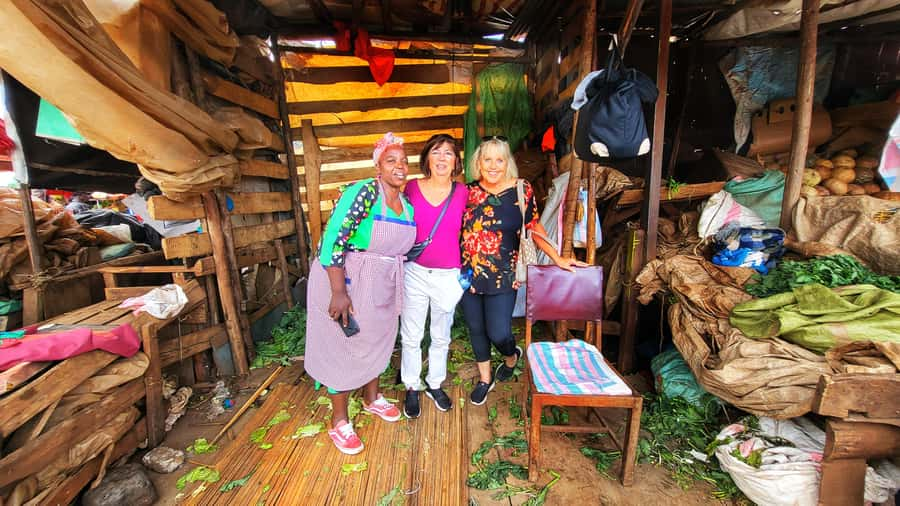
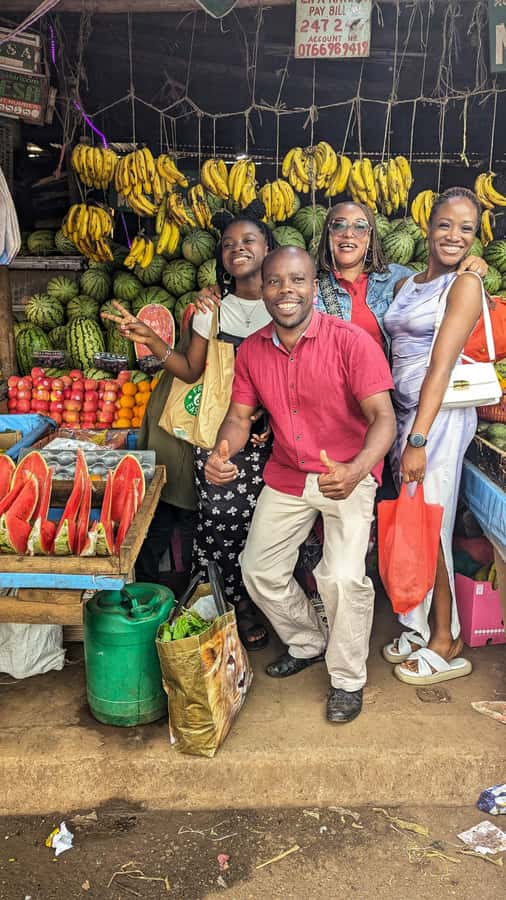
After the market segment, the tour includes a matatu ride on public transport experience. It’s listed as optional, which matters if you prefer comfort over the full local-transport feel.
If you do choose it, you’ll get a quick look at Nairobi’s everyday transport culture—shared routes, local driving energy, and the way people move through the city. Even if it’s only part of the day, it changes your mindset from tourist mode to local rhythm.
If you’d rather skip it, you still get the core value: market shopping plus cooking. So don’t feel locked into a single style. Pick what fits your comfort level.
Cooking at the guide’s home: 4th-floor stairs and real kitchen time
Next you head to the home where the cooking happens. It’s described as about a 10-minute trip from the market, depending on traffic.
Here’s the detail that can affect your experience: the apartment is on the 4th floor and there are no lifts, only stairs. The listing says there’s WiFi and a clean washroom at the home, which is great, but the staircase part is not optional. If you use a wheelchair or you know stairs are hard, I’d treat this as a key factor and plan ahead with the provider.
Inside, the host welcomes you and starts the cooking experience. You’ll have refreshments and a chance to settle in before you start working.
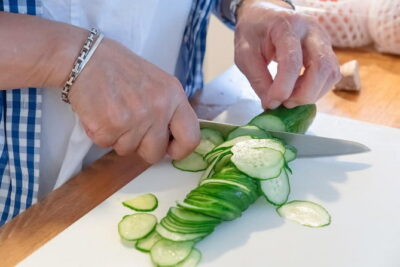
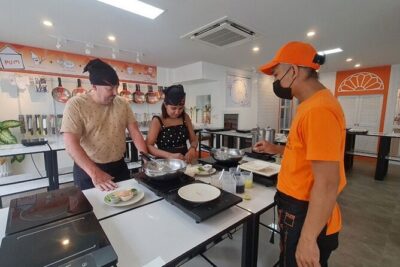
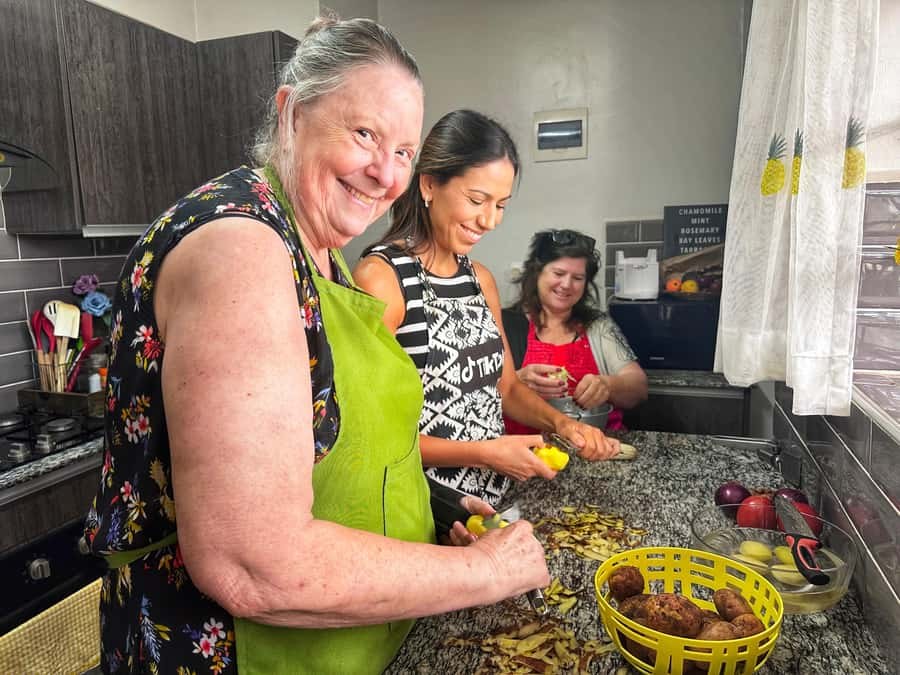
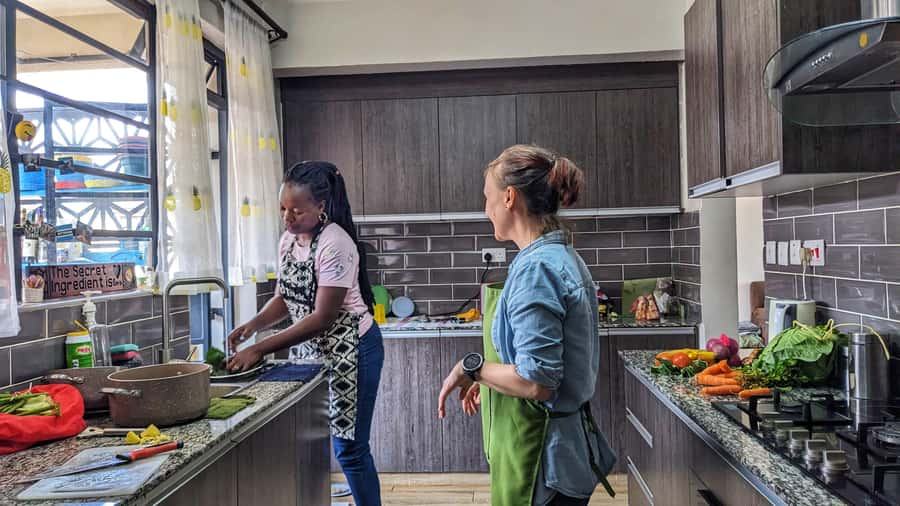
Then comes the real learning: you cook together, guided step by step, and you make a Kenyan traditional and national meal using fresh and organic local ingredients. The best part is that it’s not a lecture where you watch someone else do the work. You’re getting your hands involved, and that makes the flavors stick.
Diet-friendly Kenyan cooking you can actually participate in
Food tours can be tricky when diets are different. This one is set up to handle it: the meals are described as fitting pescatarian, vegan, vegetarian, and meat eaters, using fresh ingredients.
That matters because it affects how you participate. Instead of being stuck with a generic swap plate, you should get a meal that matches your preferences while still staying connected to Kenyan flavors and techniques.
In practice, this is where a good guide really shows up. Hosts like Gladys (praised for professionalism) and Ninoh (praised for passion and knowledge) help keep things organized and safe, while also explaining what you’re doing and why. You’ll likely leave with more than recipes—you’ll understand how ingredients behave in Kenyan cooking.
Eat what you cook: sampling Kenya at the table
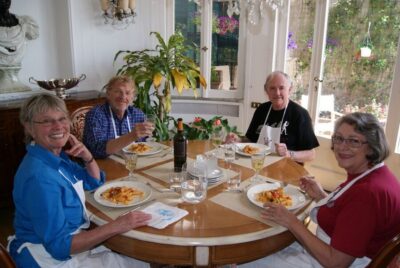
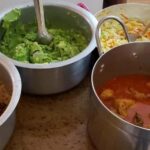
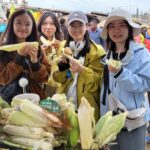
After the cooking is done, you’ll sit down for sampling Kenya’s local traditional meals. This is a simple idea, but it’s a strong one: you eat in the same setting where you cooked, and that makes it feel personal.
Because you’ve handled the ingredients and followed the steps, the meal makes more sense. You’re not just tasting something new; you’re connecting taste to technique and ingredient choices from earlier in the day.
Also, the tour is designed to include conversation time. The meal part is often where you get the most relaxed cultural exchange—how daily life works, how people talk about food, and what meals mean beyond the plate.
If you’re the type who enjoys asking questions, this is where you’ll get them answered.
What the timing really means for you (3 hours, two daily starts)
The total duration is 3 hours, and the tour runs at two times: 11:30am and 5pm. In a city like Nairobi, that short length is a plus. You don’t lose half a day to logistics, and you still get a full arc: market → cooking → eating.
Picking between the two times is mostly about your travel rhythm:
- If you like earlier plans, choose 11:30am and keep your afternoon flexible.
- If you want a later start, 5pm can fit better with sightseeing or downtime earlier in the day.
Since the format includes both walking and cooking, it’s not the kind of experience you want to rush. But with only 3 hours, it stays realistic even when your schedule is tight.
Price and value: what you get for $64
The price is $64 per person for a 3-hour experience. On paper, that sounds like a normal activity cost. In reality, what you’re paying for is the combination that’s hard to recreate cheaply on your own.
You’re getting:
- Guided market shopping for fresh ingredients
- A public transport matatu option (if you choose it)
- A hands-on cooking class at a home kitchen
- Time to sample the Kenyan meal you helped prepare
- A small group size (max 6), which usually means more interaction
So the value isn’t just the cooking lesson. It’s the full path from ingredient choice to meal outcome. If you only did a cooking class without the market part, you’d miss a lot of what makes the flavors make sense.
Also, amenities like WiFi and a clean washroom at the home help you feel comfortable during the experience.
Who this tour is best for
This is ideal for you if you want an authentic food day without the formality of big-group tours. It’s especially good if:
- You like food that tells a story, not just food you eat
- You want hands-on cooking rather than watching
- You enjoy walking and shopping with a local guide
- You’re traveling with a friend or partner and want a small-group feel
It’s less ideal if you’re dealing with:
- Animal allergies: the experience is listed as not suitable for people with animal allergies
- Stair sensitivity: the home is on the 4th floor with stairs only
Getting from start to finish: Westlands in, Uber out
You start at Westlands Square, near the Java cafe entrance. The end point is associated with Waiyaki Real Gardens – Waiyaki Way. After the meal, there’s time to relax, and the guide can help request an Uber at your own cost back to your hotel.
That kind of wrap-up matters. You get a clean ending point, instead of wandering around unsure where to go next.
Also, it helps that the group size is small. You’re not waiting for a crowd to finish photos while hunger sets in.
Should you book this Kenyan market tour and cooking class?
If you want Nairobi through food—shopping, cooking, and eating in one smooth arc—this is a strong choice. The best part is the pairing: market shopping gives you ingredient context, and the hands-on cooking turns that context into real skills you can reuse.
I’d book it if you’re comfortable with stairs at the home and you don’t have animal-allergy concerns. If those are issues, reach out first so you understand what your path to the kitchen looks like.
Overall, for $64 and a 3-hour window, you’re getting a lot of what makes local food experiences worth it: real ingredients, real cooking work, and a meal that finishes the story.
FAQ
Where is the meeting point?
The meeting point is at The Westlands Square, at the mall entrance where there is a cafe called Java. The guide waits at the entrance to begin.
What time does the tour start?
The tour starts at 11:30am or 5pm, depending on the time you book.
How long is the experience?
The experience lasts 3 hours.
Is hotel pickup and drop-off included?
No. Hotel pickup and drop-off are not included. The guide can help you request an Uber at your own cost back to your hotel after the experience.
Can I choose a vegan, vegetarian, or pescatarian meal?
Yes. The meals are described as fitting pescatarian, vegan, vegetarian, and meat eaters.
Is this a small group tour?
Yes. It’s limited to a small group with a maximum of 6 participants.
Is the location wheelchair accessible, considering stairs?
The activity is listed as wheelchair accessible, but the apartment you visit is on the 4th floor with stairs only (no lifts). If you need step-free access, it’s best to confirm details with the provider before booking.