REVIEW · BOPHUT
Koh Samui Jungle Kitchen – Evening Cooking Class (max 8 guests)
Book on Viator →Operated by Jungle Kitchen · Bookable on Viator
Cooking Thai food in a real jungle yard. This evening class is built around traditional Thai cooking without electricity, so you’ll chop, grind, and cook in the open with charcoal heat instead of plug-in convenience. I like the way the experience mixes hands-on instruction with the calm of a hillside jungle setting.
My second big win is the small group size (max 8). You’ll also get real input on your meal ahead of time, because the team reaches out before class to ask about what you can’t eat and what you’d like to eat.
One thing to consider: if you’re expecting a truly rough, untamed jungle with zero human setup, you might feel surprised. The grounds are beautiful and peaceful, but they’re clearly built for teaching and eating comfortably, not for extreme “survive the wilderness” vibes.
In This Review
- Key things that make this class worth your night
- Jungle Kitchen after dark: the setting you’ll remember
- Small group coaching and a menu built around you
- Pre-class briefing, welcome drink, and what to do with dietary limits
- The organic gardens: where your ingredients start
- Cooking at the 8 metre handmade table (with charcoal heat)
- Dinner in the gardens with panoramic views over Koh Phangan
- The value question: what $127.13 buys you in real terms
- Who should book this, and who might skip it
- Should you book Koh Samui Jungle Kitchen Evening Cooking Class?
- FAQ
- How long is the Koh Samui Jungle Kitchen evening cooking class?
- What is the maximum group size?
- What dishes will I cook during the class?
- Do they tailor the menu to dietary restrictions?
- Is the cooking done with electricity?
- Is hotel pickup available, and are service animals allowed?
Key things that make this class worth your night
- Max 8 people means you can actually ask questions and get hands-on help
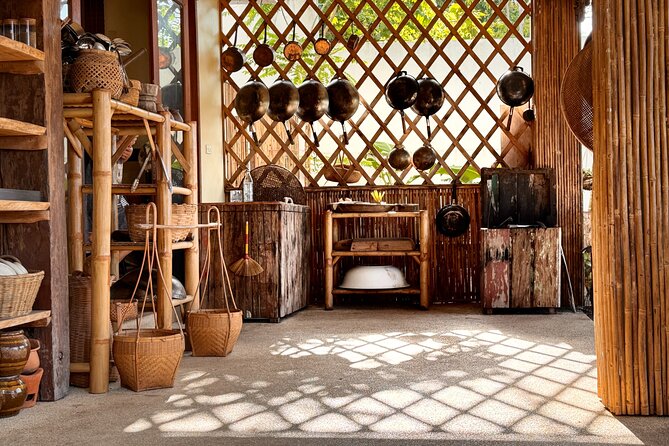
- No-electricity cooking with charcoal and traditional tools
- Curry paste from scratch (including grinding by hand)
- Organic garden tour and harvest before you cook
- Three dishes plus an extra one tailored around dietary needs
- Dinner with panoramic views over Koh Phangan, plus occasional sounds from a nearby elephant sanctuary
Jungle Kitchen after dark: the setting you’ll remember
This is one of those Koh Samui experiences that doesn’t feel like a rushed “activity stop.” You’re going to spend the evening on a hill with jungle calm, learning Thai cooking in a way that’s closer to how people cook at home than how food tours sometimes operate.
The best part is that the class isn’t just about eating. It’s about the process: chopping herbs, grinding pastes by hand, cooking over charcoal, and then sitting down to a dinner in the gardens while the night cools off. You get plenty of time to focus, because the group stays small.
If you’re the type who likes taking a story home with you, this one has details that stick: the smell when curry paste comes together, the rhythm of knife work on an 8 metre long handmade table, and the view looking toward Koh Phangan.
You can also read our reviews of more tours and experiences in Bophut.
Small group coaching and a menu built around you
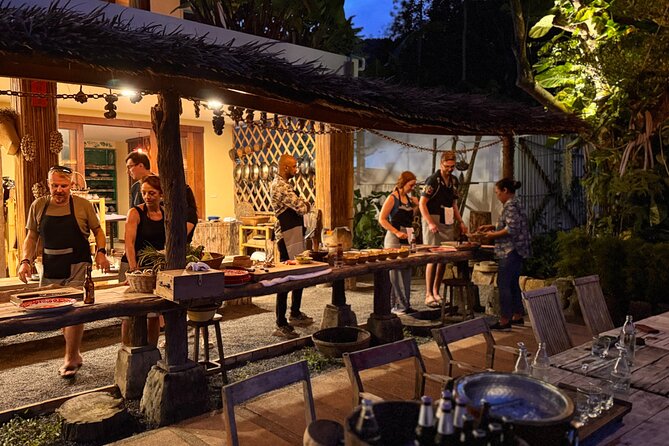
The class caps out at 8 travelers, and that matters more than you’d think. With fewer people in the group, the instructors can slow down for you when a technique needs it, and you’re not stuck watching from the side.
Before your class starts, Jungle Kitchen contacts you with questions about what you can’t eat and any favorite dishes you’d like to propose. Then they build a menu that fits the whole group, so you’re not stuck with one fixed script.
Here’s what the standard cooking menu usually includes:
- a soup or a Thai salad
- a curry made from scratch
- a noodle or a stir-fry dish
And the team prepares an additional dish as well.
That mix gives you a nice range: fresh flavors, a curry built from ingredients you handle yourself, and a dish that teaches the heat-and-timing side of Thai cooking. If you’re worried you’ll learn only one thing, don’t. You’ll get multiple techniques that work together.
Pre-class briefing, welcome drink, and what to do with dietary limits
Your evening starts with a briefing and a welcome drink. Then you head into the organic gardens to see where ingredients come from before you start cooking.
The pre-class message the team sends is the moment to be specific. Tell them what you cannot eat, and also mention favorites you want to include. If you want the curry to go a certain direction or you prefer a soup over a salad, this is your chance to guide the menu.
One small but meaningful detail from real experiences: some welcome drinks are served with a bamboo straw instead of the usual plastic option. It’s not a life-changing feature, but it fits the overall feel here.
The organic gardens: where your ingredients start
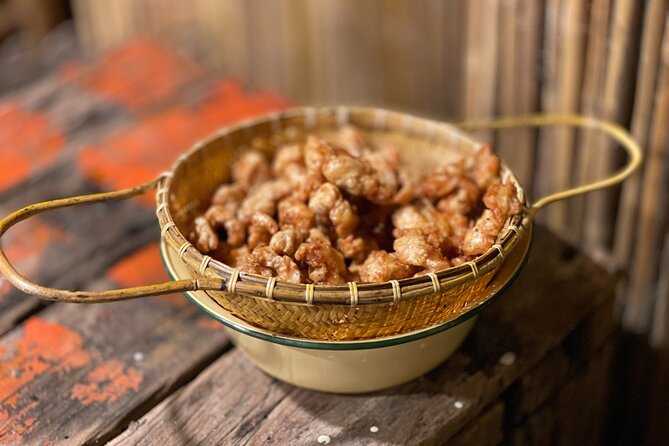
The garden tour is not just a photo stop. It’s a practical ingredient walk, with you looking at plants used in Thai cooking and harvesting items that end up in your food.
This is the part I’d recommend you treat as “part of the lesson,” not part of the wait. When you see herbs and plants up close, you pick up the logic of Thai flavors: what tastes bright, what tastes earthy, and what adds that unmistakable Thai aroma when fresh.
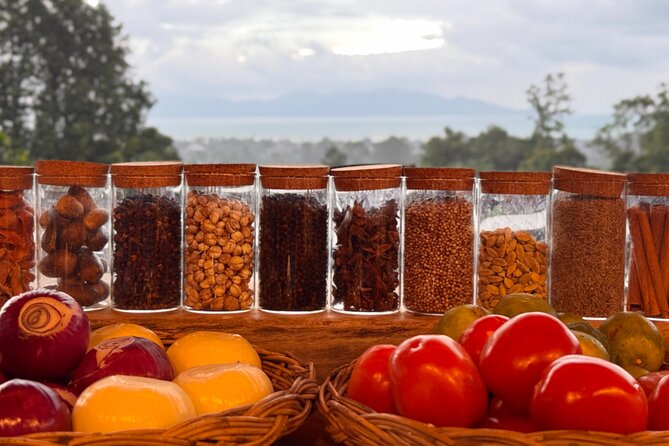
You’ll also feel why the class emphasizes organic growing. The ingredients you harvest are meant to be as fresh as possible, so your curry paste and stir-fry sauce tastes more alive than what you’d get from pre-packaged ingredients.
Cooking at the 8 metre handmade table (with charcoal heat)
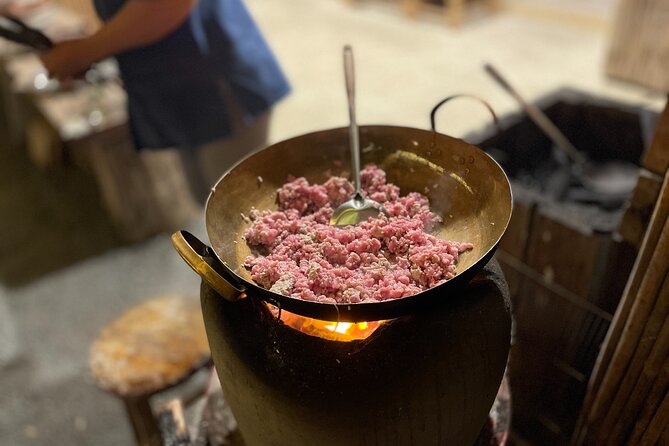
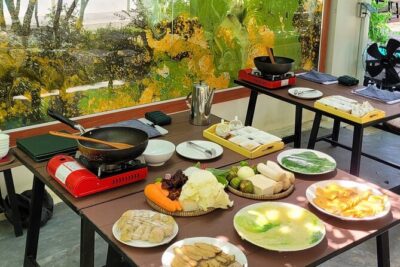
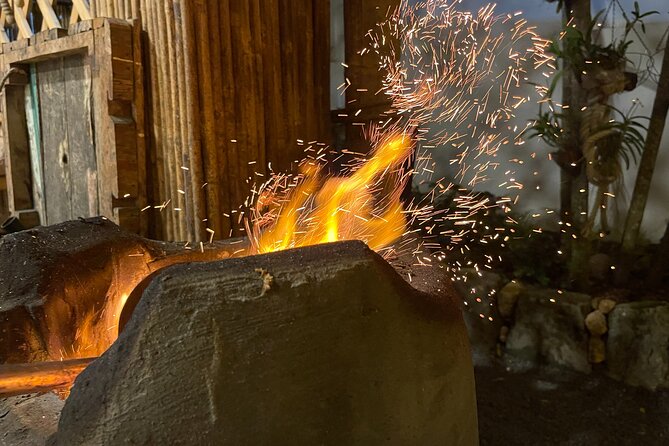
After the break, the cooking starts in earnest over charcoal. You’ll be working on an 8 metre long handmade table, and that setup changes the vibe in a good way: there’s room to work, but you’re still close enough to learn from what the instructors are doing.
Traditional tools and techniques are part of the point. You’re not just following a recipe card. You’re learning how Thai cooking gets built: grinding, tasting, adjusting salt and balance, and then applying heat at the right time.
The curry paste work is one of the most praised parts of the evening. Making curry paste from scratch is slower than opening a jar, but you learn why Thai curries taste the way they do. When you crush and grind aromatics yourself, you understand which ingredients contribute body and which contribute bite.
Also pay attention to timing. Charcoal cooking rewards focus. If you get distracted and let the pan sit idle, flavors can shift. The upside is that you’ll leave with a better sense of how Thai dishes move from prep to cook without needing electricity as a shortcut.
Dinner in the gardens with panoramic views over Koh Phangan
Once your dishes are done, you eat your creations in the gardens. This is a family-style meal, and it’s one of those “you did the work, now enjoy it” moments.
The setting is a major part of the appeal. You get panoramic views over Koh Phangan, and the night atmosphere makes the whole class feel like something you’re doing with locals rather than something you booked and checked off.
There can also be occasional trumpeting from a nearby elephant sanctuary. It’s not constant, but it’s memorable when it happens because it brings a reminder that you’re cooking in the middle of real life, not an imitation stage set.
If you’re trying to decide whether this is worth your time versus another Samui dinner plan, the view plus the fact that you cooked the food yourself is the combo that makes it land.
The value question: what $127.13 buys you in real terms
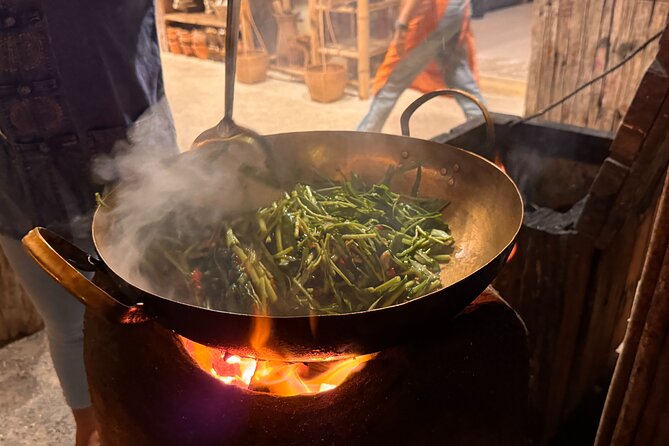
At $127.13 per person, this isn’t the cheapest way to eat in Koh Samui. But it’s also not just a meal. You’re paying for coaching, ingredient harvesting, and a cooking method that takes real labor and patience.
You also get:
- a class that usually lasts about 4 hours 30 minutes
- a small-group format up to 8 people
- a menu that typically covers soup or salad, a made-from-scratch curry, a noodle or stir-fry, plus an extra dish
- dinner with the views over Koh Phangan
Then there’s the electricity-free cooking element. That adds complexity for the instructors, and it gives you a more authentic technique set you can actually use later.
One more value note: hotel transfers are available as an upgrade. If you don’t upgrade, your start and end point is back at the meeting location, so plan your route in advance. Transfers can be worth it if you’re staying far from G2RG+PV area or you’d rather not coordinate a ride after dark.
Who should book this, and who might skip it
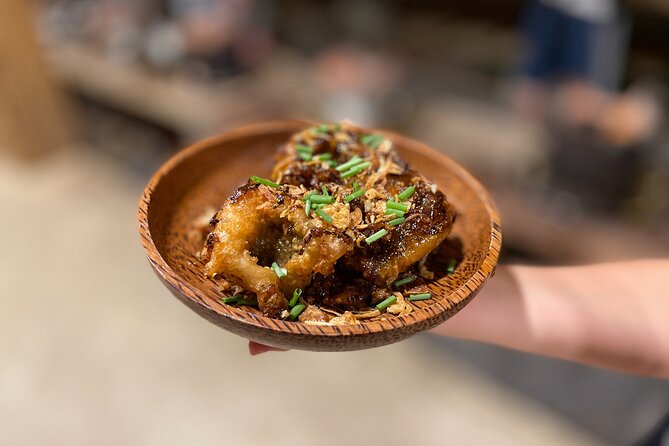
I’d send you here if you:
- want a Thai cooking class that teaches more than one dish
- care about learning techniques like curry paste grinding and charcoal cooking
- like quiet, scenic evenings over busy nightlife
It’s also a good fit if you appreciate small-group teaching and you want to ask questions while you work. The max 8 size helps a lot with that.
I’d skip it if you want:
- a high-energy party atmosphere
- a class that uses modern kitchen gear and electric appliances
- a fully wild, no-facilities jungle experience
If you’re in the middle, this class will probably satisfy you because it balances nature calm with clear instruction.
Should you book Koh Samui Jungle Kitchen Evening Cooking Class?
Yes, if you want a hands-on Thai cooking night with a real hillside jungle feel and techniques you can repeat at home. The combination of small group coaching, organic garden harvesting, and charcoal/no-electricity cooking is hard to find in a single evening on Koh Samui.
Book it especially if you’ve already eaten one or two Thai meals and you’re now ready for the “how do they make this taste so right” part. You’ll come away with three recipes to impress friends, plus the process knowledge behind them.
If you’re very sensitive to comfort level or you need everything staged like a restaurant, choose your expectations carefully. This is outdoors, hands-on, and focused on traditional methods. That’s the trade. It’s also why it’s memorable.
FAQ
How long is the Koh Samui Jungle Kitchen evening cooking class?
It runs for about 4 hours 30 minutes (approx.) and typically finishes shortly after 9pm. The activity window is listed as 5:00 PM to 9:00 PM.
What is the maximum group size?
The class has a maximum of 8 travelers, which keeps the experience intimate and hands-on.
What dishes will I cook during the class?
The usual menu includes a soup or Thai salad, a Thai curry made from scratch, and a noodle or stir-fry dish. The team also prepares an additional dish.
Do they tailor the menu to dietary restrictions?
Yes. In the days before class starts, Jungle Kitchen contacts you with questions about what you can not eat and any favorite dishes you’d like to propose, and they create a menu suitable for the group.
Is the cooking done with electricity?
No. The dishes are cooked without electricity, using traditional tools and techniques over charcoal.
Is hotel pickup available, and are service animals allowed?
Round-trip transfers from your hotel are available as an upgrade. Service animals are allowed, and the experience ends back at the meeting point.