REVIEW · ARGASSI
Argassi: Zakynthian Culture & Greek Cooking Class with Lunch
Book on GetYourGuide →Operated by Cooking Classes Zante · Bookable on GetYourGuide
One good smell can change your whole day.
This Zakynthian cooking class in Argassi is built around real hands-on food, not just watching. You learn Greek and Zakynthian culture through what’s in the pan, and you finish by eating everything you made in a shady garden with an ice-cold drink.
I especially like the small-group format and how it mixes short explanations with real work at your station. I also love the way the menu rotates by day, so you can pick a theme, like Greek classics on Tuesday or a vegetarian comfort-food spread on Saturday, and still get the full cooking-and-lunch experience.
One thing to consider: if you have allergies, you should speak up early, but the operator can’t promise perfect accommodation for every dietary need.
In This Review
- Key highlights worth your time
- A kitchen lesson that feels like Argassi hospitality
- Getting to Green Frog: the practical start
- How the 4-hour class actually flows
- Friday’s Zakynthian focus: stiffado, pies, dips, and orange cake
- Stifado for a stress-free dinner plan
- Appetizers that build your whole table
- Orange cake you can actually keep
- The food stories that make the flavors stick
- Tuesday’s Greek Classics: Mousaka (vegan option), baklava rolls, and saganaki
- Saturday vegetarian Zakynthian comfort food: stuffed tomatoes, fritters, baked cheese, and frigania
- The tastings and wine: small, focused, and useful
- The garden lunch: where everything clicks
- Price and value: what $112 buys you in reality
- What to know about allergies and dietary needs
- Who this class is best for
- Tips to make your class morning smoother
- Should you book Argassi: Zakynthian Culture & Greek Cooking Class with Lunch?
- FAQ
- What days does the cooking class run?
- How long is the experience?
- Where do I meet for the class?
- Is lunch included?
- What drinks are included?
- What dishes are made on Tuesday?
- What dishes are made on Friday?
- What dishes are made on Saturday?
- Do they accommodate allergies or dietary requests?
- Is transfer from your hotel included?
Key highlights worth your time
- Alex and Mandy lead the class, with an easy, welcoming vibe and lots of chances to get hands-on
- Day-specific menus: Friday focuses on classic Zakynthian dishes like stiffado, while Tuesday and Saturday change the lineup
- Taste-and-sip extras: coffee or mountain tea at the start, plus wine and local product/cheese tastings
- Hands-on, not just demos: you cook at your table, with some guidance and plenty of chances to try everything
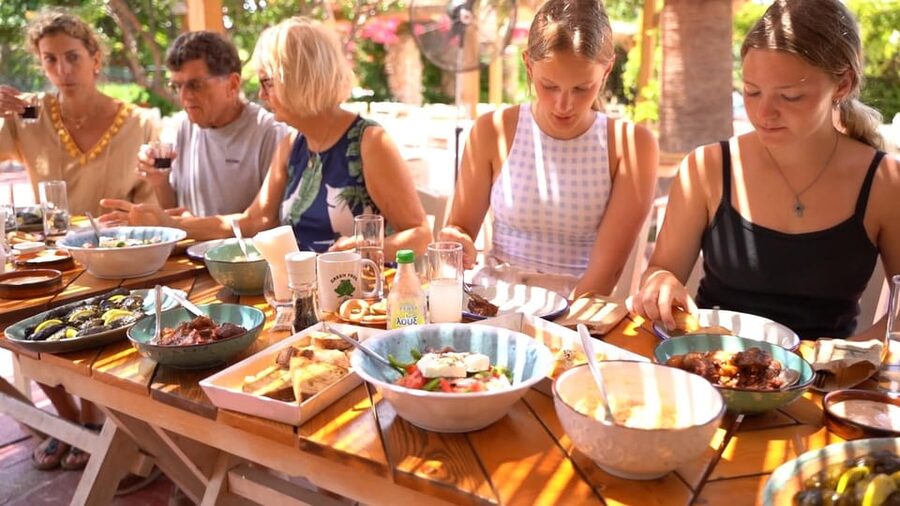
- Garden lunch payoff: you eat what you make, in the restaurant’s back garden area, with an ice-cold drink
A kitchen lesson that feels like Argassi hospitality
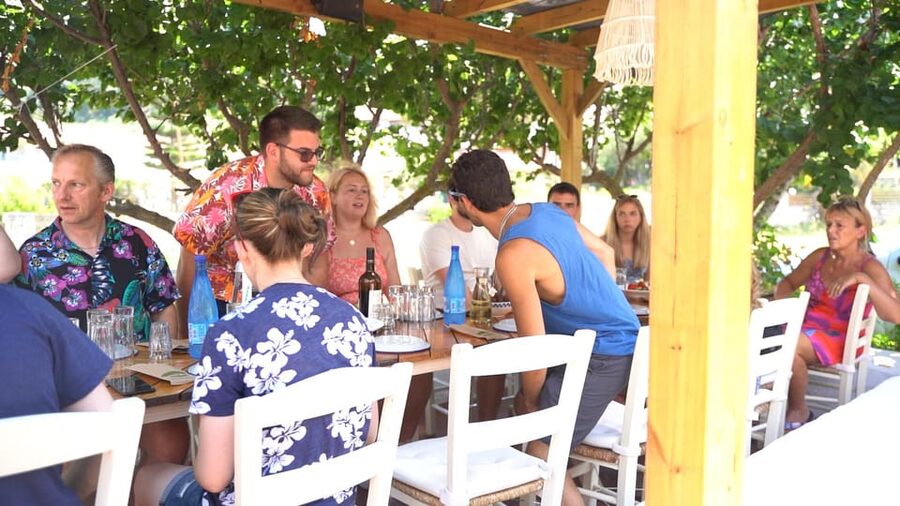
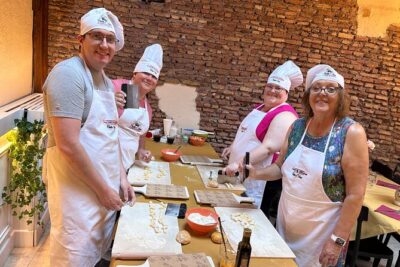
If you’re in Western Greece and you want something more useful than another souvenir stop, this class is a solid bet. You’re going to cook, taste, and eat in a relaxed setting run by a family team. The location is also practical: you meet at Restaurant Green Frog, then walk through the front and back to the garden cooking area.
What really makes it work is the rhythm. You start with drinks, then you cook. Then you eat. It’s not a marathon either; it’s a focused 4-hour morning where the goal is simple: leave fed, with recipes you can actually repeat later.
And yes, it’s very food-centered. But the culture part isn’t tacked on. The hosts share stories about the island and how Mediterranean eating became what it is today, using the food as the anchor. You’ll understand what you’re doing, not just what you’re supposed to taste.
Getting to Green Frog: the practical start
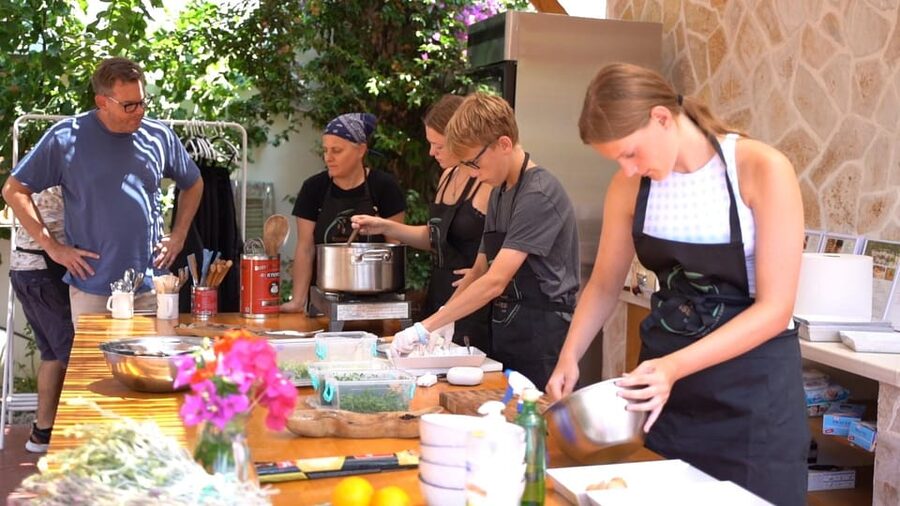
Your meeting point is Restaurant Green Frog. The cooking class sits in the back area of the restaurant. You’ll go through the front, then continue to the back garden.
If you’re driving, parking is available in the Green Frog Supermarket area right next to the class setup. That matters in Zakynthos, because timing and convenience can get tricky once you start factoring in heat, narrow lanes, and limited parking.
Also note the basics:
- The class runs with English and Greek support.
- It’s described as wheelchair accessible.
- Transfers are not included, so you’ll want to plan your own ride or local transport.
How the 4-hour class actually flows
The format is consistent across the days, but the dishes change. Either way, you’ll get a mix of:
- small-group instruction,
- hands-on cooking at your station,
- tastings of products (including cheese),
- and wine sampling.
The day typically starts with a drink to set the tone. On Fridays, the class begins with iced coffee and/or mountain tea, and everyone makes their own to get into the Greek way of starting the morning.
Then comes the main cooking session. You start with stiffado on Friday, and with other core Greek dishes on Tuesday and vegetarian dishes on Saturday. Between tasks, you’ll hear stories about the island and the Mediterranean diet, so the “why” lands while your hands are busy.
Finally, you settle into the shaded garden area to eat everything you made. The finish includes an ice-cold drink, which is exactly what your body wants after time at a cutting board and stove.
Friday’s Zakynthian focus: stiffado, pies, dips, and orange cake
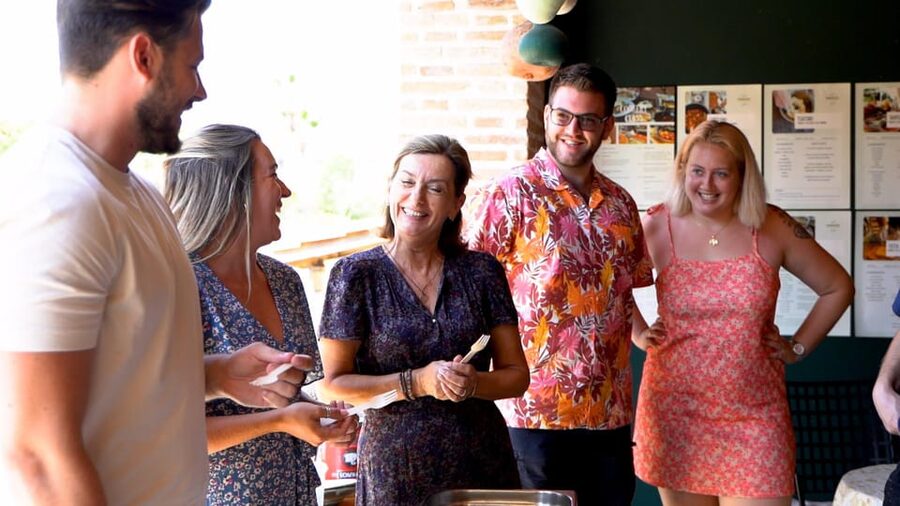
If you go on Friday, the menu follows a classic Zakynthian arc: a stew first, then appetizers, then something sweet you can look forward to all day.
Stifado for a stress-free dinner plan
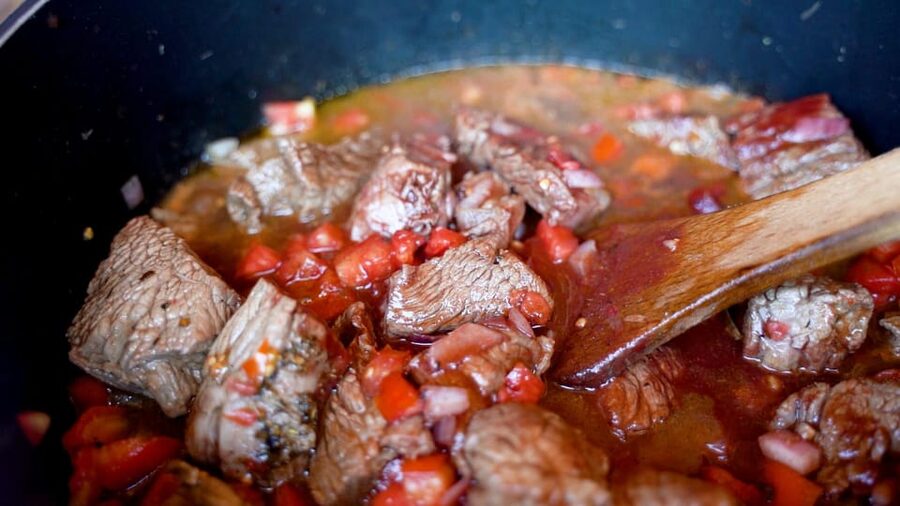
You begin with stiffado, described as iconic and perfect for stress-free dinner parties. That’s a smart choice for a class because it teaches a centerpiece dish rather than just single-bite snacks. If you can pull off a good stiffado, you’re not only learning cooking steps; you’re learning how flavors come together for the kind of meal that feels complete.
Appetizers that build your whole table
After stiffado, you rotate through several classic dishes, including:
- Spinach and feta pie
- Dolmades
- A spicy cheese dip
- A simple but excellent salad
This mix is practical. You learn different textures and techniques: dough/pie work, rolling or assembling dolmades, mixing a punchy dip, and putting together a salad that doesn’t need complicated ingredients to taste right.
Orange cake you can actually keep
To end the meal, you make a make-ahead orange cake. Make-ahead desserts are useful at home because they fit real life. You’re not only learning a flavor profile; you’re learning how to plan your cooking so it doesn’t become a last-minute stress job.
The food stories that make the flavors stick
The class is interspersed with stories about the island and culture, plus how Mediterranean diet patterns formed. I like this approach because it keeps the class from turning into a purely technical cooking workshop. You leave with a sense of place and a better feel for why certain foods show up again and again in Greek kitchens.
Tuesday’s Greek Classics: Mousaka (vegan option), baklava rolls, and saganaki
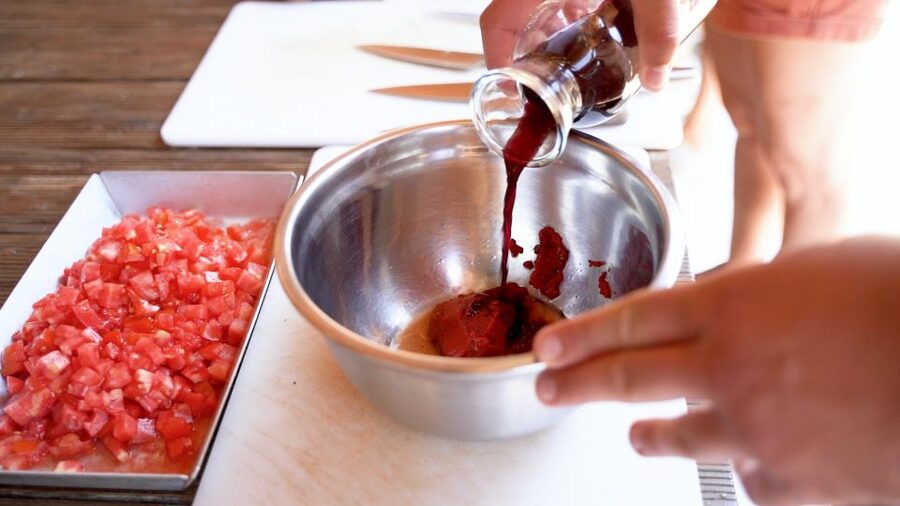
Tuesday follows the same overall structure but aims at Greek classics. This is the best day to choose if you want a well-known hits list, plus a couple of dishes that help you understand how Greek meals are built around a main plus sides.
On Tuesday, you cook:
- Mousaka (with a vegan option available)
- Baklava rolls
- Saganaki
- Greek salad
- Tsatsiki
If you’re a fan of Greek flavors you’ve already tasted, this lineup makes sense. Mousaka and saganaki give you that “comfort-meets-tradition” core, while the salad and tsatsiki show you the fresh side that keeps heavier dishes from feeling heavy.
The vegan option for mousaka is also a real win if you’re traveling with someone who avoids dairy or wants a different version of a Greek staple. It’s the kind of detail that can make a shared meal possible without everyone splitting into separate plans.
Saturday vegetarian Zakynthian comfort food: stuffed tomatoes, fritters, baked cheese, and frigania
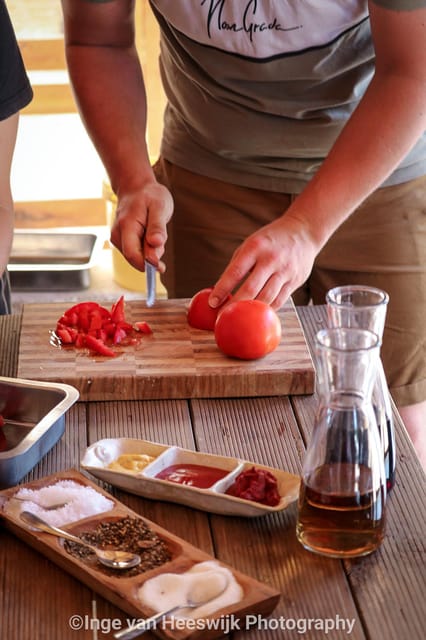
Saturday is the vegetarian Zakynthian comfort food option. If you want something that feels like comfort first, this is your day.
The dishes highlighted include:
- Stuffed Tomatoes
- Courgette fritters
- Spicy baked cheese
- Frigania
This is a strong choice even if you’re not strictly vegetarian. It’s a chance to learn how Mediterranean comfort food can be plant-forward without feeling like a compromise. Courgette fritters and stuffed tomatoes also translate well to home cooking because they’re flexible and can be scaled for a family-style dinner.
And if you care about flavor, “spicy baked cheese” plus a warm comfort-food format tends to land well with most people. The point is to get you eating the food the way it’s meant to be eaten: together, in portions that make sense for a long lunch.
The tastings and wine: small, focused, and useful
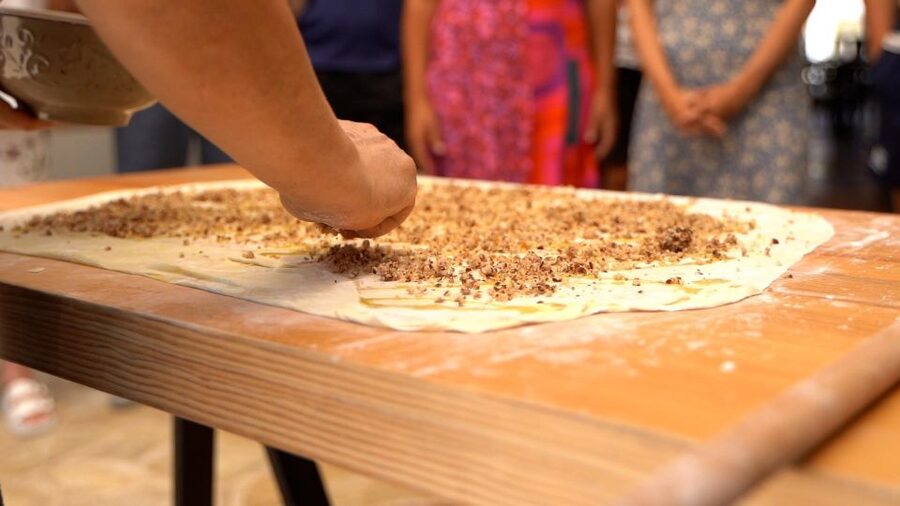
This isn’t only a cooking class. You also get multiple tasting experiences:
- Wine tasting
- Local product tasting
- Cheese tasting
These elements matter because they help you connect ingredients to outcomes. When you taste a product before (or alongside) learning how it’s used, it’s easier to recreate the flavor later. It’s also a nice change of pace between cooking tasks.
You also start the morning with coffee or tea, depending on the day. It’s a small thing, but it sets a consistent, Greek routine right away instead of treating the class like a sterile demo.
The garden lunch: where everything clicks
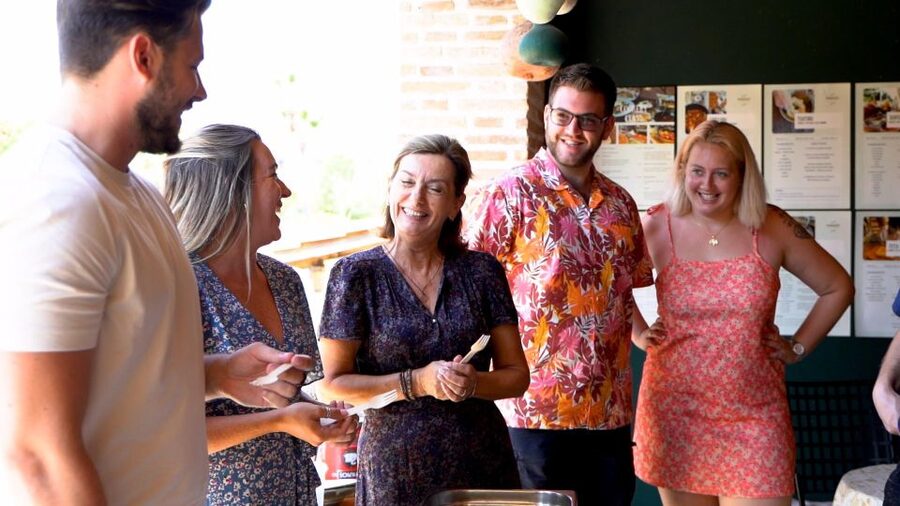
The best part of a cooking class is eating your results. Here, you do that in the restaurant’s shady garden area, after you’ve finished cooking.
You’ll eat what you’ve created, not a separate buffet that feels unrelated to the lesson. That’s a big value point, especially at this price, because you’re paying for both the skill and the meal. You also get a well-deserved ice-cold drink with the lunch, which is exactly the right mood after time in a kitchen.
From a practical standpoint, this garden setting is also where conversations happen. If you come solo, you still get a natural way to connect with the group because you’re sharing a meal at the end.
Price and value: what $112 buys you in reality
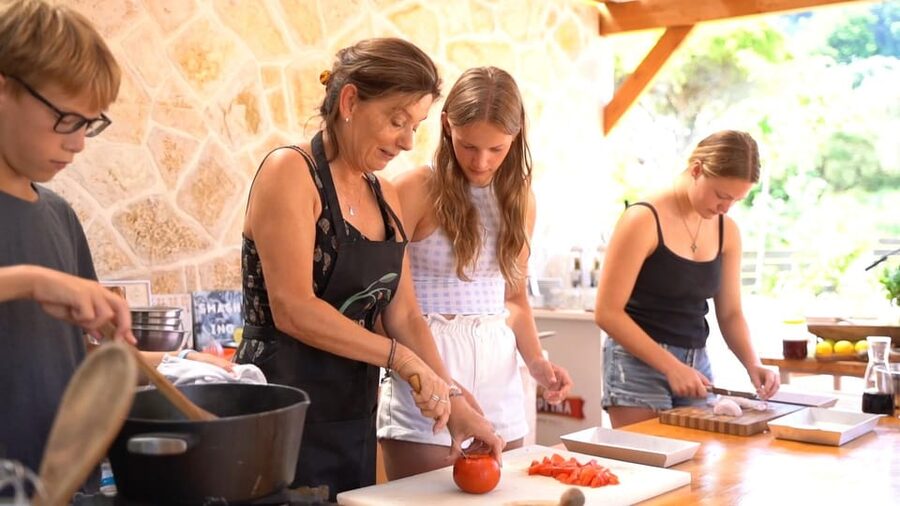
At about $112 per person for a 4-hour class, the question isn’t just whether it’s expensive or cheap. It’s what’s included and how much you get.
Here’s what you’re buying beyond the cooking:
- hands-on instruction at a real station setup
- a full menu tied to the day’s theme
- tastings (local products and cheese)
- wine tasting
- coffee/tea to start
- lunch in the shaded garden area
- recipes to help you cook at home
That bundle is the key. You’re not paying only for a “class.” You’re paying for an experience that ends with a substantial meal and a drink, plus guided learning you can repeat.
Is it for everyone? Not if you’re trying to eat on a strict budget. But if you’re the type who enjoys food as part of travel, this is a fair trade: you get to take a piece of Zakynthian and Greek cooking home, and you do it while enjoying lunch rather than skipping meals to save money.
What to know about allergies and dietary needs
When you book, let them know about your dietary requests as early as possible. The class notes that they can’t guarantee full accommodation for allergies, though.
My practical advice: if you have a serious allergy, message right away and be very clear. If it’s a lifestyle choice like vegetarian or vegan, you’re in better shape because the menus explicitly include vegetarian options and a vegan option for mousaka on Tuesday.
Who this class is best for
This works especially well if you:
- want a real food-focused morning instead of a passive tour
- like hands-on learning with clear instruction
- enjoy Greek and Mediterranean flavors and want to understand the logic behind them
- are traveling solo and still want a friendly group structure
- want a trip highlight that ends with a satisfying lunch
It can also fit couples or small groups because the format keeps everyone involved. You’re not stuck watching while someone else cooks.
Tips to make your class morning smoother
You’ll get the most out of it if you plan like this:
- Wear comfortable clothes you don’t mind getting a little splatter on.
- Arrive a few minutes early so you can find the back area at Green Frog without stress.
- If you’re sensitive to spicy food, tell the host at the start. A spicy cheese dip is part of Friday’s lineup, and Saturday includes spicy baked cheese.
- Have your dietary requests ready in plain terms when you contact them.
And if you’re choosing a day, think about what you want to learn. Friday teaches stiffado plus a broad appetizer set and orange cake. Tuesday leans classic Greek staples with mousaka and tzatziki. Saturday is vegetarian comfort food with stuffed tomatoes and fritters.
Should you book Argassi: Zakynthian Culture & Greek Cooking Class with Lunch?
I’d book it if you want a vacation activity that pays you back twice: once while you’re cooking, and again when you’re eating lunch in the garden.
Choose it over a generic food tour if you care about skill. You’ll come away with recipes, plus a better sense of how Mediterranean plates are assembled rather than just tasting a few bites.
Skip it (or at least ask a lot of questions first) if:
- your dietary needs are complex and you need guaranteed allergy handling,
- or you need transfers included in the price.
If you’re in Argassi and you’re excited by the idea of cooking Greek food with Alex and Mandy in a small, friendly group, this is the kind of experience that makes a short trip feel longer and more personal.
FAQ
What days does the cooking class run?
The classes run Tuesday, Friday, and Saturday.
How long is the experience?
It lasts 4 hours.
Where do I meet for the class?
Meet at Restaurant Green Frog. The class is in the back area of the restaurant, so go through the front area to the back garden.
Is lunch included?
Yes. A hearty lunch in a shady garden area is included, and you eat what you make.
What drinks are included?
You get coffee and/or mountain tea to start your morning, and there is wine tasting included as well. An ice-cold drink is also part of the garden finish.
What dishes are made on Tuesday?
Tuesday focuses on Greek classics, including mousaka (vegan option available), baklava rolls, saganaki, Greek salad, and tsatsiki.
What dishes are made on Friday?
Friday includes stiffado, plus appetizers such as spinach and feta pie, dolmades, a spicy cheese dip, and a simple salad, followed by make-ahead orange cake.
What dishes are made on Saturday?
Saturday is vegetarian Zakynthian comfort food, including stuffed tomatoes, courgette fritters, spicy baked cheese, and frigania.
Do they accommodate allergies or dietary requests?
You should let them know your allergies or dietary requests as early as possible. They note they can’t guarantee complete accommodation for allergies.
Is transfer from your hotel included?
No. Transfers are not included.