REVIEW · TOKYO
Cozy Tokyo Class: Ramen, Sushi, Sake Pairing & Cultural Exchange
Book on Viator →Operated by Ramen and Sushi Cooking Tokyo · Bookable on Viator
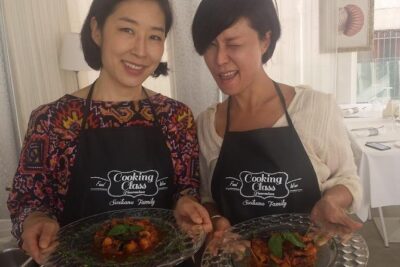
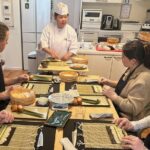
A cozy table beats crowded counters. In this small-group Tokyo class, you’ll learn how to make ramen and sushi with English-friendly hosts, then eat what you made in a calm, friendly setup.
I love how the atmosphere stays intimate, so questions don’t get lost. I also like that you’re guided through the steps at a comfortable pace with fresh ingredients and clear instruction.
The big drawback to keep in mind is size: the class is described as capped at four people, but the operator also lists a maximum of 8 travelers, so it may feel a bit less personal depending on the day. If you’re planning for very quiet, near-one-on-one time, it’s worth thinking about that.
In This Review
- Key things to know before you go
- Tsukishima start point: the easy way into a Tokyo cooking night
- Making ramen in a cozy kitchen, not a hectic spectacle
- Sushi and optional gyoza: two iconic dishes, one skill boost
- Sake pairing and cultural exchange: “feel the connection” at the table
- What you take home: a recipe gift you’ll actually use
- Price and value: why $79 can make sense in Tokyo
- Who should book this ramen and sushi workshop?
- A practical tip for your first Japanese cooking class
- Should you book the Cozy Tokyo Class?
- FAQ
- FAQ
- What dishes will I learn to make?
- How long is the class?
- How much does it cost?
- Is the class small group?
- What drinks are included?
- Will I be able to taste what I cook?
- Do I get a recipe to take home?
- What’s included in the price?
- Is transportation included?
- Can I cancel for a refund?
Key things to know before you go
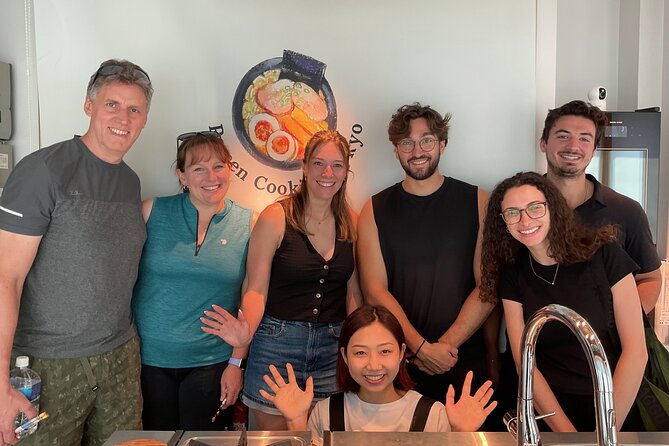
- Small-group feel with a cap mentioned as four (and a listed max of 8), meaning more time with the instructors
- Ramen and sushi from scratch, not just a demo, so you practice real technique
- Sake pairing included, plus Japanese beer and non-alcoholic options
- English-friendly hosts, with a pace that works for beginners and people who cook already
- Taste your creations during the class, then take home a detailed recipe gift
Tsukishima start point: the easy way into a Tokyo cooking night
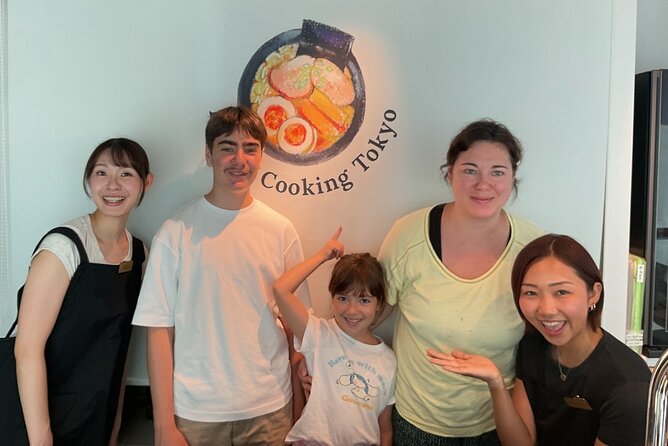
The experience starts in Tokyo’s Chuo City area at Tsukishima, near public transportation, at HAUS Tsukishima (Japan, 104-0051 Tokyo, Chuo City, Tsukuda, 2-chōme135 HAUS Tsukishima). The class ends back at the same meeting point, so you don’t need to plan a second transport leg afterward.
For a 3-hour activity, this kind of return-to-start setup matters. It keeps your evening smooth, especially if you’re already tired from sightseeing. I also like that the class is set up for conversation and cultural exchange, not just cooking hands-on.
You can also read our reviews of more tours and experiences in Tokyo.

Making ramen in a cozy kitchen, not a hectic spectacle
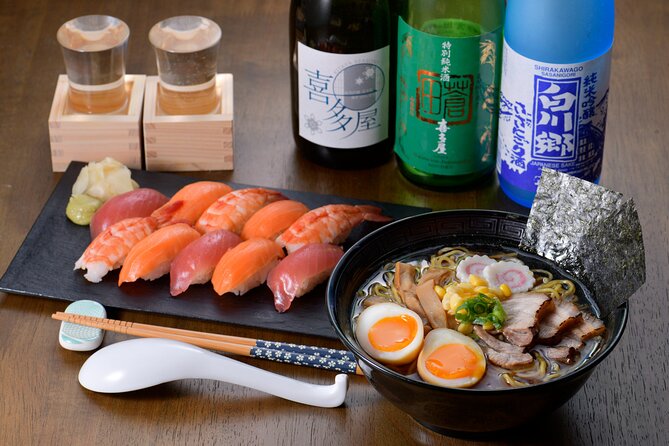
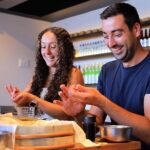
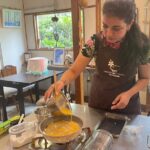
This is the part many people sign up for: learning ramen from scratch in a way you can actually repeat later. Over the roughly 3 hours, you’ll be working alongside your hosts rather than watching from the side.
What makes the ramen-focused portion especially useful is how technique-driven it is. Even if you’ve never cooked Japanese noodles before, you’ll get guided help on the “why” behind key choices, plus practical timing so you don’t scramble at the stove. One of the repeat themes from what I see people appreciate is the fresh ingredients and how smoothly the process flows when the instructors keep the group moving at the right tempo.
You’ll also get stories as you cook—small cultural explanations tied to what you’re making. That’s not just background noise. It helps you remember what to look for next time, like how texture, seasoning, and balance work together in Japanese home-style cooking.
And yes, you’ll taste what you make. For me, that turns “learning” into “proof.” You quickly understand what the dish is supposed to feel like when it’s done right.
Sushi and optional gyoza: two iconic dishes, one skill boost
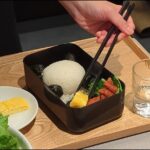
After the ramen part, the class shifts into sushi (with gyoza offered as an option). If you’re the type who wants a bigger variety of Japanese food, this structure is a win: you practice both comforting noodle cooking and the precision-style work that sushi requires.
Sushi training is one of the best ways to pick up Japanese kitchen habits fast. Even if the exact steps vary depending on what your hosts teach that day, the practical value is consistent: you learn how to handle ingredients and follow a sequence without wasting motion. People often appreciate when instruction is clear and in a good rhythm, and that’s a big part of why this class fits both beginners and experienced cooks.
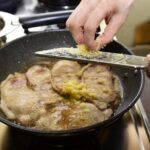
If gyoza is included as an option for your group, it adds another layer of technique. Gyoza often feels simple on paper but takes real attention to stuffing amounts, wrapping, and cooking control. That extra skill matters at home because it gives you a reliable “Japanese comfort food” dish beyond ramen and sushi.
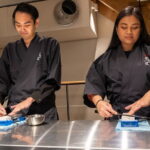
Either way, your hands get time at the cutting board and cooking station. This is not a photo-only workshop.
Sake pairing and cultural exchange: “feel the connection” at the table
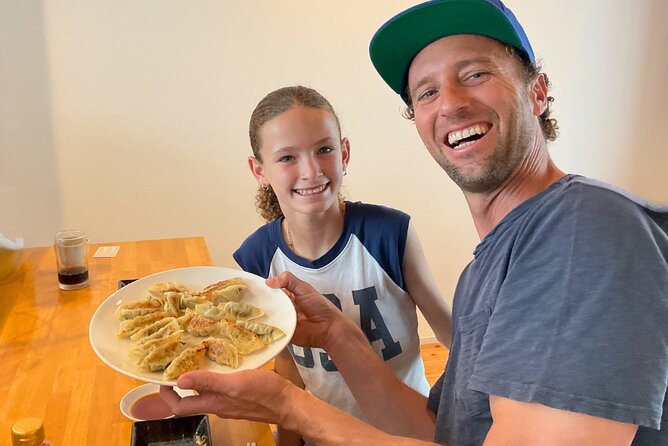
The theme is Beyond Cooking, Feel the Connection, and that wording fits the experience better than you might expect. The class is built around cultural exchange as much as cooking. You’ll hear engaging stories about Japanese culinary traditions while you work, and that turns the meal into a conversation instead of a checklist.
On top of that, you can enjoy unlimited sake pairings during the class. Japanese beer and non-alcoholic beverages are also available, so you’re not locked into alcohol if you prefer not to drink. The pairing element is useful because it encourages you to pay attention to flavor balance—salty, savory, and umami—while the meal is still hot and fresh.
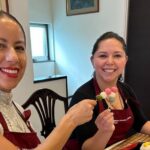
In the reviews, several instructors’ names come up, including Umi and Kou, plus Komi, Namiko, and Alissa. You may not have all of them in your session, but it gives you a good sense that the hosts take pride in teaching and in making conversation feel natural, not forced.
This kind of exchange is also a real-life Tokyo perk. You get to ask questions in English-friendly ways and hear explanations you wouldn’t pick up from guidebooks.
What you take home: a recipe gift you’ll actually use
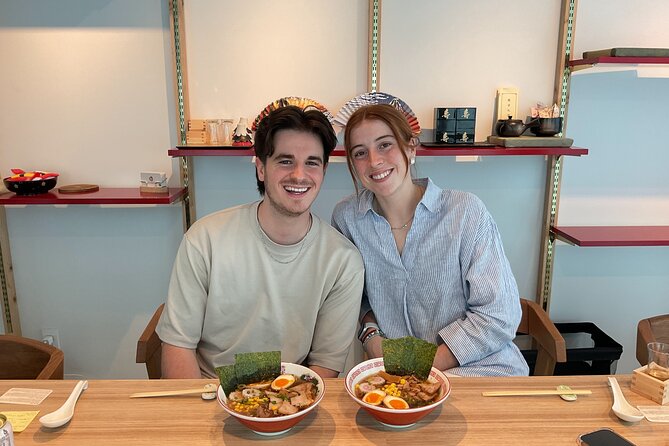
One of the smartest parts of this class is that you leave with a detailed recipe gift. That’s what separates a fun night out from a skill you can rebuild later.
When a recipe is thorough, you can re-create the dish without guessing. When it’s vague, you end up with a “close enough” memory. Here, the class is designed so you have a reference you can follow back home.
If you cook even occasionally, this is where you’ll feel the time value. After a few weeks, you’ll remember the smell of your ramen and the exact moment your sushi came together. With the recipe in hand, you can turn that into an actual repeat dinner instead of just a nice Tokyo story.



Price and value: why $79 can make sense in Tokyo
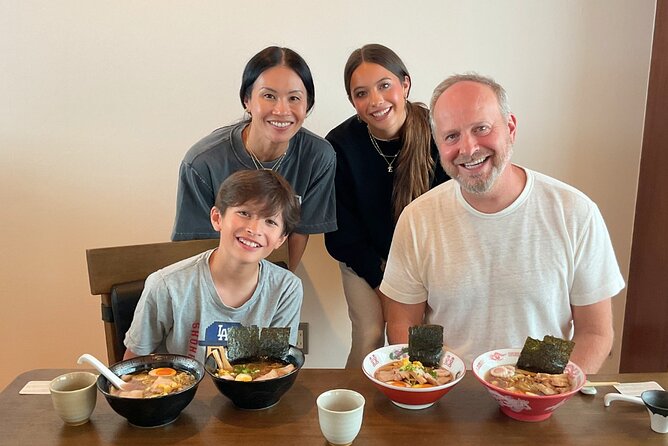
At $79 for about 3 hours, this is priced like a serious activity, not a quick demo. The key is what’s included. You get all fees and taxes covered, and the cooking is hands-on with access to instructors in a small-group setting.
Also, the class includes alcohol pairings (sake, plus Japanese beer) and non-alcoholic options. That can be a hidden value boost in Tokyo, where drinks and meal add-ons add up quickly.
The tradeoff is that private transportation is not included. That’s normal, but it means you should plan your commute to Tsukishima before you go. Since the meeting point is near public transport, this is usually easy to handle, but it’s still something to think through so you don’t arrive flustered.
If you only have limited time in Tokyo, I like classes like this because they bundle food, culture, and skill-building into one block. You go to one place, learn two iconic dishes, eat, and leave with instructions.
Who should book this ramen and sushi workshop?
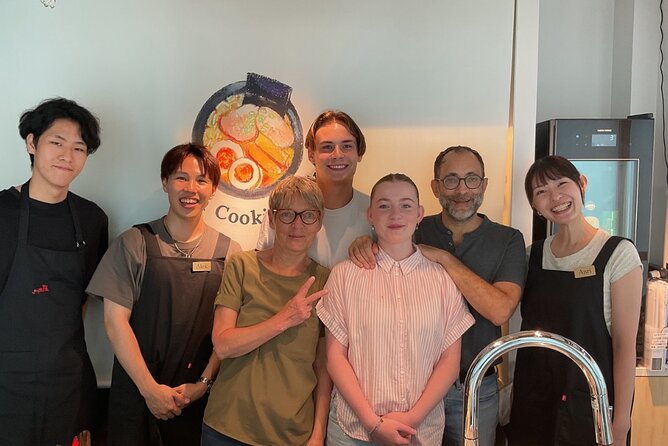
This is a strong fit if:
- You want hands-on ramen and sushi rather than a restaurant meal
- You’re traveling with a couple, friends, or even family and want a shared activity
- You want instruction that works whether you’re starting from zero or cooking already
- You enjoy cultural conversation and want the stories behind food
It may be less ideal if:
- You expect a very tiny group every time. The class is described as capped at four, but there’s also a maximum of 8 listed, so the group feel can change with demand.
- You’re only interested in one dish. The class focuses on ramen plus sushi, with gyoza mentioned as an option.
A practical tip for your first Japanese cooking class
Go in hungry. Ramen and sushi take focus while you’re cooking, and the payoff is tasting what you make while it’s at the right moment. If you start the session with a heavy snack, it’s harder to enjoy the full flavor arc.
Should you book the Cozy Tokyo Class?
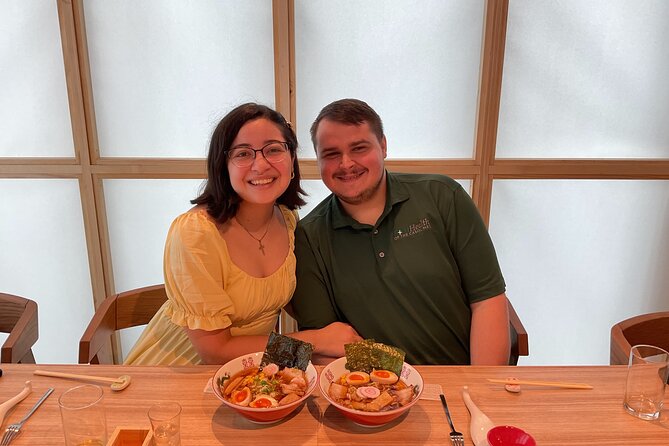
I think you should book this class if you want a calm, small-group way to learn real technique and not just eat. The combination of ramen, sushi (and possible gyoza), English-friendly hosts, and unlimited sake pairing is exactly the kind of practical Tokyo experience that feels worth the price.
The main thing to weigh is group size variation. If you’re sensitive to noise or want ultra-personal attention, you’ll want to pay attention to the day’s actual group size. Otherwise, it’s a fun, grounded way to learn two dishes you’ll actually miss once you leave Japan.
FAQ
FAQ
What dishes will I learn to make?
You’ll learn to make ramen and sushi from scratch. Gyoza may be offered as an option.
How long is the class?
The class runs for about 3 hours.
How much does it cost?
The price is $79.
Is the class small group?
Yes. It’s described as capped at four people, and the activity also lists a maximum of 8 travelers.
What drinks are included?
You’ll have unlimited sake pairings, plus the option of Japanese beer or non-alcoholic beverages.
Will I be able to taste what I cook?
Yes. After you cook, you’ll be able to taste what you made.
Do I get a recipe to take home?
Yes. You’ll receive a detailed recipe as a gift so you can recreate the dishes at home.
What’s included in the price?
The price includes all fees and taxes.
Is transportation included?
No. Private transportation is not included.
Can I cancel for a refund?
Yes. The experience offers free cancellation, and you can cancel up to 24 hours in advance for a full refund.