REVIEW · ITALY
Cooking class in a private medieval village
Book on GetYourGuide →Operated by Borgo La Capraia · Bookable on GetYourGuide
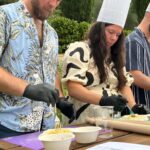
Tuscany, but make it pasta-time. I like the way this class turns into a real day in an ancient hill village, not a rushed demo. You’ll get hands-on fresh pasta skills, then cool down with pool access while you take in sweeping views. The main drawback to consider is timing risk: at least one recent booking was canceled close to the start time, so it’s smart to keep a little flexibility.
What makes it worth your attention is the balance of food and setting. You’re learning traditional dishes in a place with country-hotel services, then eating lunch with wine as part of the experience, all wrapped into a short 3-hour window. You’ll also have English instruction and a provided receipts book, plus a transfer from Figline Valdarno to make the countryside feel more reachable.
If you’re the kind of person who likes your travel days to include both hands-on cooking and time to relax outdoors, this fits nicely. Just go in knowing you’re not only there to cook—you’re there to slow down with the family and the rhythm of a real Tuscan property.
In This Review
- Key highlights you’ll care about
- A Medieval-Tuscan Village Kitchen With Real Country Relaxation
- What You Actually Cook: Fresh Pasta, Classic Sauces, and Tiramisu
- Your Host Team: Oscar, Pasquale, and a Very Human Pace
- The 3-Hour Flow: Cooking Time, Lunch, and a Built-In Break
- Lunch With Wine: Why It Feels Like Part of the Lesson
- Gardens, Pool, and Those Panoramic Views (Bring the Right Stuff)
- Getting There From Figline Valdarno and the Meeting Point Reality
- Price and Value: What You Get for $141
- Who This Cooking Class Is Best For
- Should You Book Borgo La Capraia’s Medieval Cooking Class?
- FAQ
- Where does the cooking class take place?
- How long is the experience?
- What’s included in the price?
- Is the instructor available in English?
- Do I get to use the swimming pool?
- How do transfers work?
- Is there cancellation protection?
- Can I book without paying right away?
Key highlights you’ll care about
- Private medieval-village setting: an old-world backdrop where the day feels special, not staged
- Pasta + sauces + tiramisu: you’re not limited to one course, and you leave with practical know-how
- Country-hotel comfort: you get more than a class, including lunch, wine, and use of the pool
- Small-group feel: the host team (including Oscar and Pasquale) is set up for personal attention
- Add-on time built in: there can be a gap between cooking and eating, so plan like it’s a half-day hang
A Medieval-Tuscan Village Kitchen With Real Country Relaxation
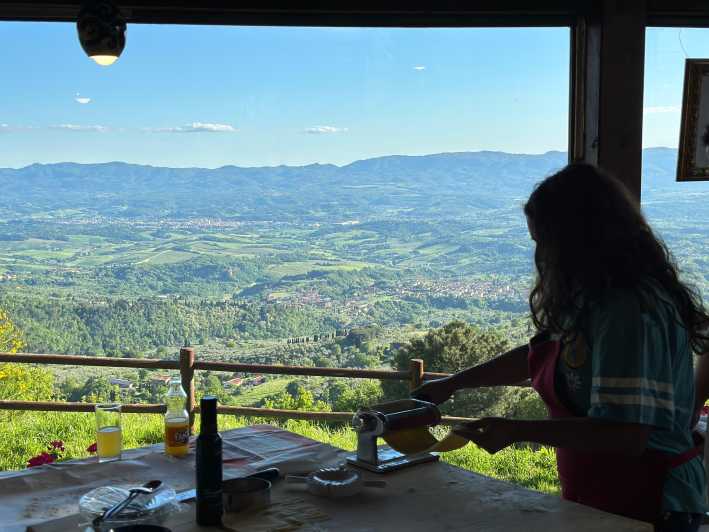
This experience works because it treats the countryside like part of the curriculum. You’re not just taking a cooking class in a location that happens to be rural—you’re learning Italian food within a medieval village setting, surrounded by Tuscan quiet. That matters, because the best classes don’t just teach recipes. They teach tempo: when to taste, when to adjust, when to slow down.
I also like that this isn’t marketed as a one-note workshop. Yes, you’re cooking, but you’re also getting access to the property’s outdoor spaces. One review described the view from the grounds as a highlight, and another pointed out the family-run feel—something you can’t fake with a generic studio class.
Do note the reality of a 3-hour total experience. Between hands-on cooking, lunch, and time to settle in, you may have moments where you’re waiting. It’s not a bad thing, but it does mean you should bring what you need to enjoy the downtime rather than treating it like a strict timetable.
What You Actually Cook: Fresh Pasta, Classic Sauces, and Tiramisu
This is a true Italian cooking lesson, not just watching someone else do the work. The course focuses on fresh pasta, traditional sauces, and tiramisu. That combination is smart because it covers both savory technique and the dessert logic Italians use—structure, texture, and balance.
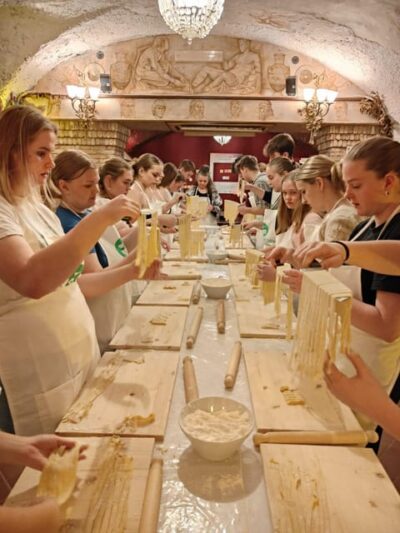
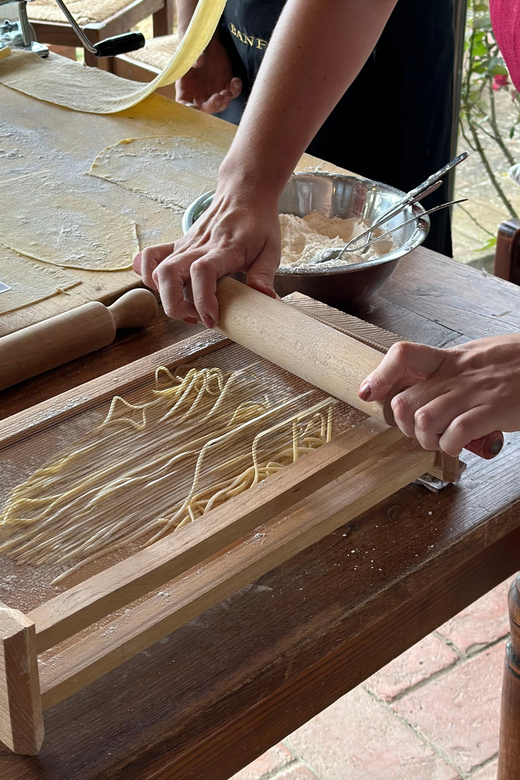
In most pasta classes, the “wow” moment is the dough. Here, you’ll learn to make fresh pasta from scratch and work through the process of turning dough into something you can plate. The practical value is that you’re not memorizing a single recipe you can’t repeat at home. You’re learning the steps so you can recreate the method later.
The sauces are where Italian cooking becomes less about ingredients and more about decisions: thickness, simmer time, and how the sauce clings to pasta. The class description emphasizes using high-quality local products with respect for the environment. Even if you don’t study sustainability at length, you’ll feel it in the ingredients and flavor quality.
Then comes tiramisu, the dessert many people think they can make—until they try the real method. In a well-run class, tiramisu isn’t just assembling layers. It’s timing and getting the texture right so it’s creamy without turning watery.
My tip if you’re serious about taking this home: bring a notebook mindset. You’ll get a receipts book, which helps, but you’ll learn faster if you track the little choices: how long you simmered, what consistency you aimed for, and any taste adjustments you make during the cooking.
Your Host Team: Oscar, Pasquale, and a Very Human Pace
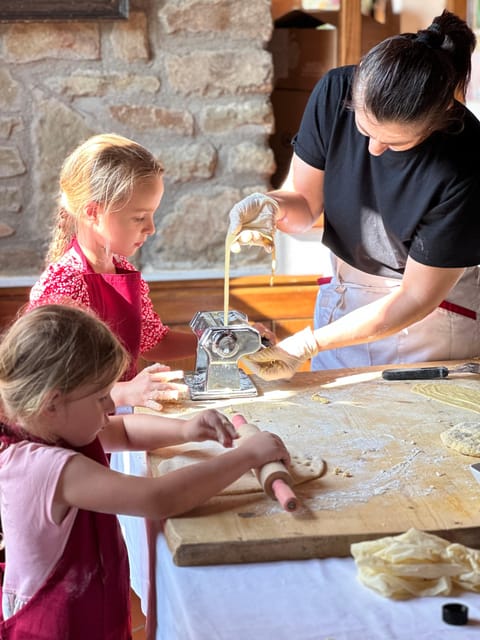
The human side is a big part of the quality here. Multiple comments point to Oscar as a friendly, attentive guide. Others also mention Pasquale alongside him, which tells me you’re not dealing with a rotating, anonymous staff. It’s more like you’re invited into a family property and coached through the day.
That show-up-and-help feeling matters in cooking classes. When your group has questions—why the dough feels a certain way, how you know a sauce is ready—you want someone who can explain it without making you feel slow. Reviews describe an intimate setting where the instructor gives attention, and that’s exactly what you want if you’re learning by doing.
Also, because the property is a family-run countryside place, you may be offered extra ways to enjoy the grounds beyond the structured cooking time. One account specifically highlighted access to features like the pool and animals, plus simple downtime options like ping-pong. You should still expect the course to follow its main flow, but it’s clear you’re not treated like a transaction.
The 3-Hour Flow: Cooking Time, Lunch, and a Built-In Break
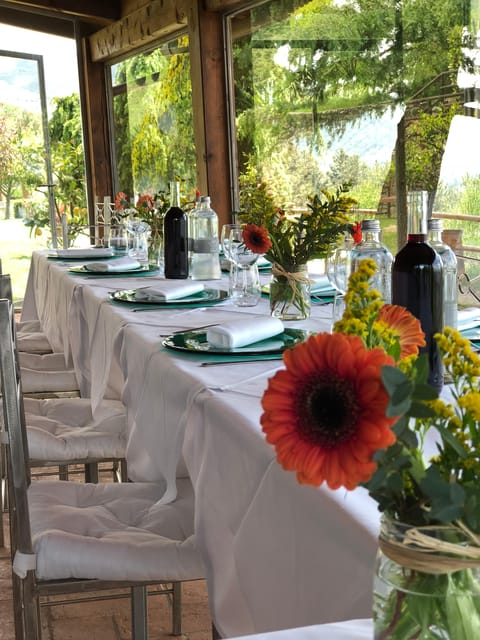
You’ll have 2 hours of cooking class and lunch included, all wrapped into a 3-hour total duration. That structure is good if you want to pack in an authentic activity without losing half your day.
Here’s the practical way to think about it:
- Cooking block (about 2 hours): your hands are moving for the big chunk of the experience. This is where you’ll make the pasta, prepare sauces, and work toward dessert.
- Eating block (after cooking): lunch happens after your prep, and the class turns into a sit-and-enjoy moment.
One detail to plan around: there can be a gap between finishing cooking and eating. One comment suggested it helps to treat the day like a longer hangout, not a nonstop process. If you pack for that reality, you won’t feel restless.
My advice: treat it as a day in the countryside. Bring swimwear if you want to use the pool, and consider bringing something simple to pass time during any gap—like a deck of cards, as one person recommended.
Lunch With Wine: Why It Feels Like Part of the Lesson
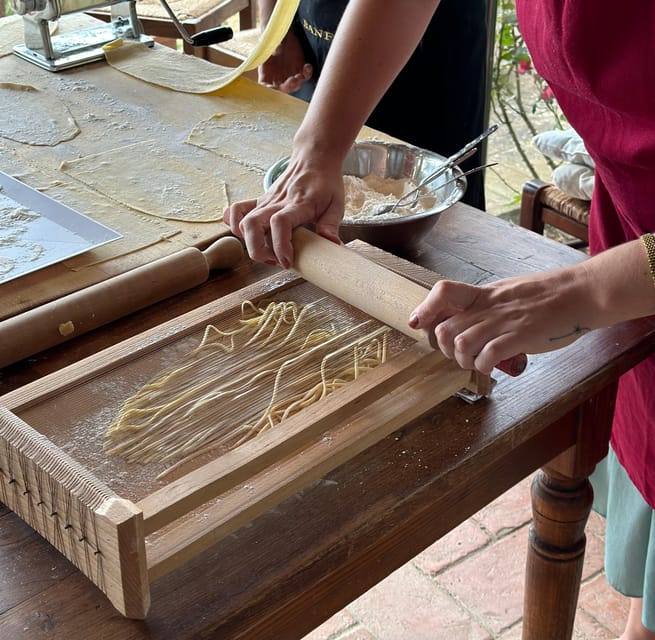
The most common mistake with food tours is separating “learning” from “eating.” This one doesn’t. Wine is included, and lunch is part of the experience, which makes sense: your dishes matter more after you taste them.
Lunch here isn’t described as a random meal. It’s positioned as the payoff to the work you did. That’s valuable because you can connect flavor to technique. If your pasta turned out slightly different at home, you’ll remember what you did right during the class. If a sauce needed more simmer or a dessert needed a better texture, you’ll understand what to adjust next time.
Also, because the day is in a country property with gardens and relaxed space, lunch doesn’t have to feel like a hurried cafeteria stop. It can feel like a pause in a slow Tuscan day, which is the best way to keep your brain engaged while you learn.
Gardens, Pool, and Those Panoramic Views (Bring the Right Stuff)
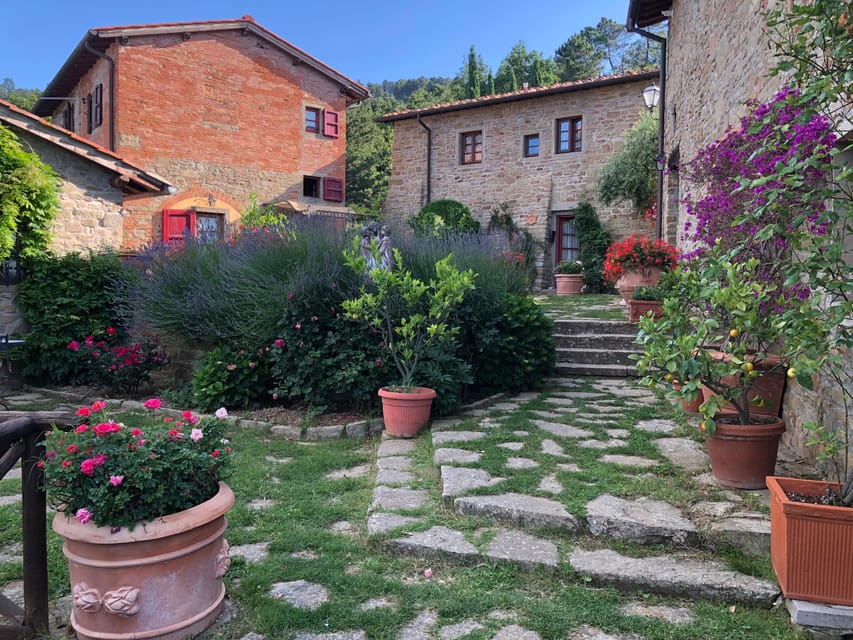
This experience isn’t only about food. It’s about landing in a Tuscan setting where you can reset.
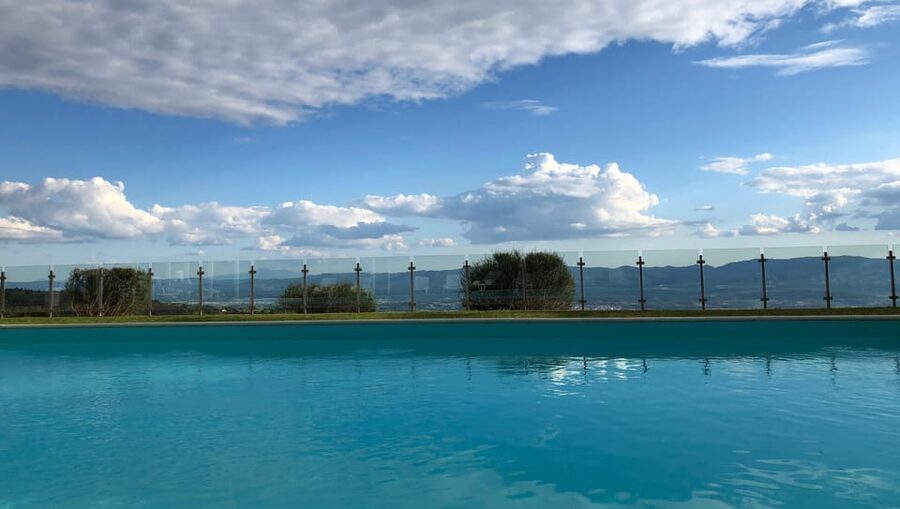
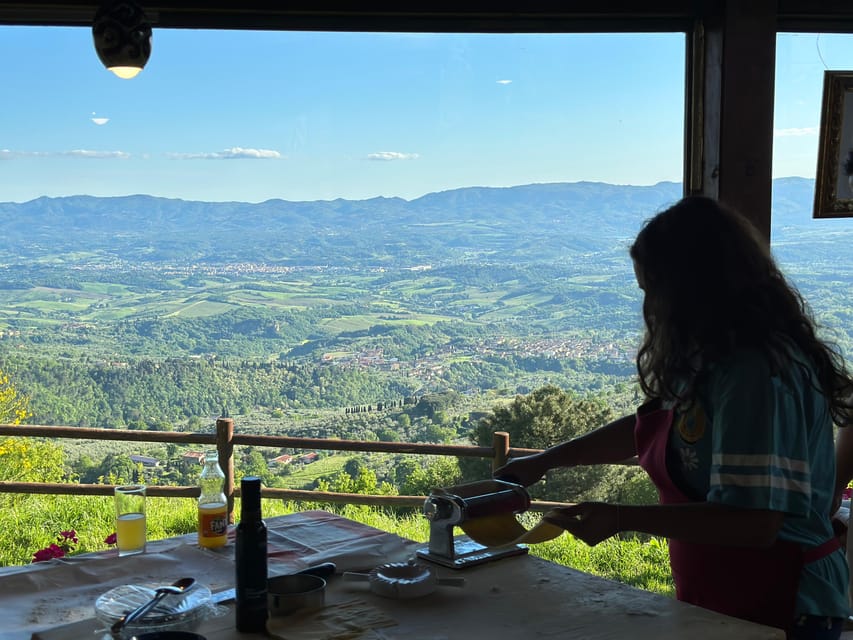
You’ll have swimming pool access, and you’ll likely spend some time in the outdoor areas of the property. One review specifically pointed out the view from the grounds and recommended coming prepared to use the pool. That tells me the outdoor time is not an afterthought.
So bring:
- Swimsuit, if you want to actually use the pool
- Sunscreen and a hat, because you’ll be outside in Tuscany
- Something for downtime, if there’s a waiting gap between cooking and lunch
And just as important: wear shoes you’re comfortable walking in. Medieval villages and country properties can mean uneven paths and steps. You don’t need hiking boots, but you do want traction and comfort.
Getting There From Figline Valdarno and the Meeting Point Reality
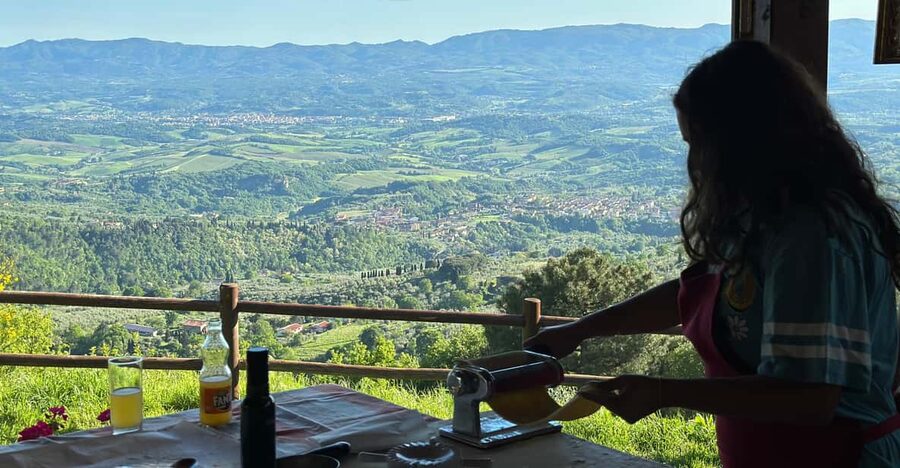
Logistics can make or break a countryside day. The good news is that transfers are included: you get pickup and return transfer from Figline Valdarno train station. That takes the “How do we get up there?” stress off your shoulders.
You’ll meet in front of the restaurant. That’s a simple instruction, but it also means you should arrive early enough to orient yourself, especially since the village feel can make buildings and entrances look similar.
Also, the instructor speaks English, which is a real advantage if you want to understand technique, not just follow steps. When you’re making pasta dough or building sauces, small instructions matter. Language clarity helps you avoid the typical “I did something, but I don’t know what changed” problem.
Price and Value: What You Get for $141
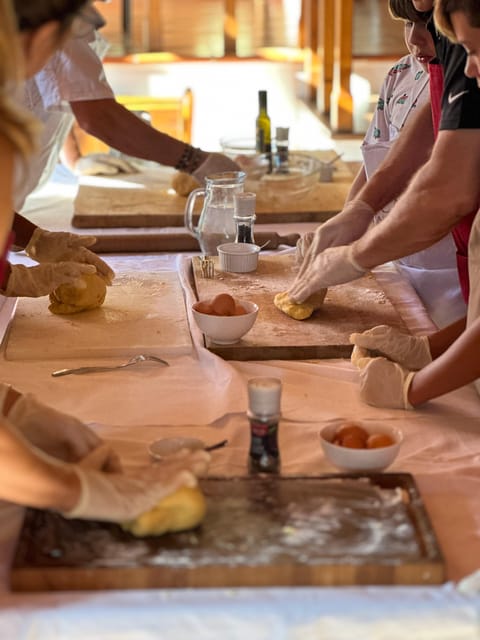
At $141 per person, you’re paying for a package, not just labor and ingredients. Here’s what’s included:
- 2 hours cooking class
- Wine
- Lunch
- Swimming pool access
- Transfer from Figline Valdarno station and back
- Receipts book
So where does the value land?
- You’re paying for more than a class. Pool access and country-hotel services turn it into a short stay in the property’s lifestyle.
- You’re paying for convenience. Transfer from the station matters in rural areas, where taxis can get expensive or complicated.
- You’re paying for a complete skill set. Pasta + sauces + tiramisu means you can cook a full set at home, not just one dish.
Is it the cheapest cooking class in Tuscany? Probably not. But value in Tuscany usually comes from setting + attention + the ability to repeat the method at home. With this one, you have a family-run atmosphere, an English-speaking instructor, and a meal that makes the whole experience feel finished.
One caution: because there have been last-minute cancellations reported, I’d only book if your travel schedule has some slack. If you’re on a tight itinerary with no flexibility at all, that’s the one factor that could turn “a great day” into “a stress day.”
Who This Cooking Class Is Best For
This fits best if you:
- Want hands-on instruction in classic Italian food
- Prefer a quieter, country setting over big group crowds
- Like cooking classes that include a relaxed meal and time to enjoy the grounds
- Are comfortable spending part of a short day with some downtime between cooking and lunch
It may be less ideal if you:
- Need a guaranteed start time with zero risk of change (because at least one cancellation has been reported)
- Don’t care about eating lunch with wine or using the pool and outdoor areas
Overall, it’s a strong pick for couples and small groups who want a memorable Tuscan day without turning it into a whole travel project.
Should You Book Borgo La Capraia’s Medieval Cooking Class?
I’d book it if you want a short, high-feel Tuscan experience where the food lesson is paired with the property’s relaxed country rhythm. The combination of fresh pasta, classic sauces, and tiramisu, plus lunch with wine and pool access, makes the $141 price feel more like a full day of hospitality than a basic cooking workshop.
Just make your decision with one practical mindset: keep a little flexibility in your schedule. If your travel plans are so tight that a last-minute change would ruin your day, then you should choose a more rigidly timed activity.
If you do book, pack for outdoors time (swimsuit helps), show up with a question-ready attitude, and treat the lunch as part of the lesson, not a separate event.
FAQ
Where does the cooking class take place?
It takes place in Tuscany, Italy, in a private medieval village setting. You’ll meet in front of the restaurant.
How long is the experience?
The total duration is 3 hours, including 2 hours of cooking class.
What’s included in the price?
The package includes the 2-hour cooking class, wine, lunch, swimming pool access, a transfer from Figline Valdarno train station and back, and a receipts book.
Is the instructor available in English?
Yes. The instructor speaks English.
Do I get to use the swimming pool?
Yes. Swimming pool access is included.
How do transfers work?
You get transfer from Figline Valdarno train station and back.
Is there cancellation protection?
Free cancellation is offered up to 24 hours in advance for a full refund.
Can I book without paying right away?
Yes. You can reserve now and pay later.