REVIEW · HO CHI MINH CITY
Farm-To-Table Healthy Cooking Class: Half-Day Tour
Book on GetYourGuide →Operated by Westen Asian Travel Service Company · Bookable on GetYourGuide
Fresh herbs, big lessons, and real cooking. I love the hands-on farm picking—you choose vegetables and herbs in the medicine garden before you cook. I also love the plant medicine focus, where you learn benefits and disadvantages of what’s growing.
The only real catch is time: it’s about 6 hours, and the trip out of Ho Chi Minh City can take roughly 1–1.5 hours depending on traffic. I also appreciated how guides like Linh and Alice keep things moving with clear, friendly instruction and good humor.
In This Review
- Key takeaways before you go
- Why this cooking class feels different in Ho Chi Minh City
- The farm-to-table rhythm: what your 6 hours actually looks like
- The ride out of town: the part you should plan for
- Medicine garden basics: learning benefits and disadvantages
- Mushroom house: varieties, not just one mushroom
- Rice cultivation: the staple lesson behind the flavors
- Harvesting vegetables: how to pick like a farmer
- The cooking session: turning herbs into real dishes
- A quick note on pacing and your expectations
- Lunch and iced tea: eating with new context
- Price and value: is $70 worth it?
- Language, guides, and how the class feels
- What to bring (so you’re comfortable during harvest time)
- Who should book this class
- Should you book this farm-to-table healthy cooking class?
- FAQ
- How long is the half-day cooking class?
- What’s included in the price?
- Do you pick me up from my hotel or the airport?
- Is the class wheelchair accessible?
- What should I bring, and can I bring pets?
- What if I have allergies or dietary requirements?
Key takeaways before you go
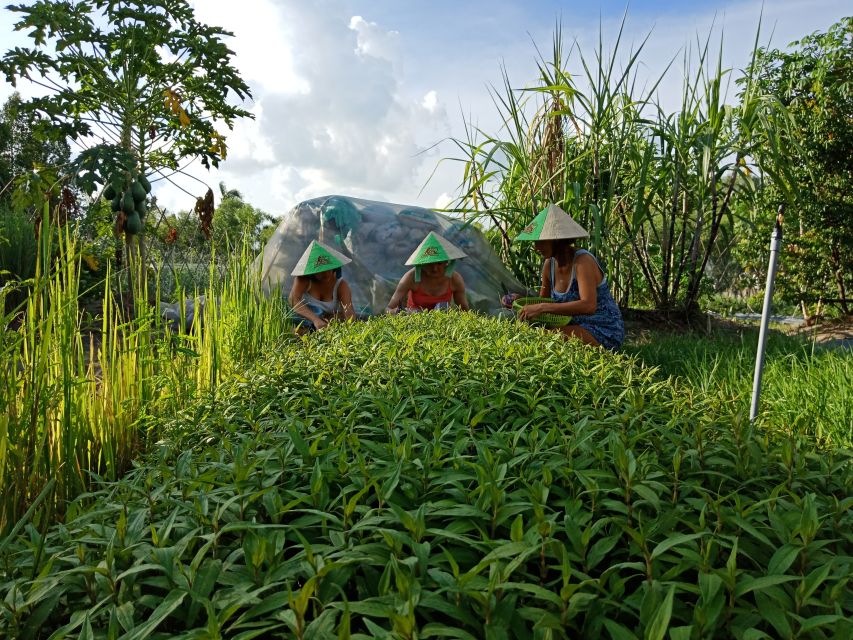
- Medicine garden herbs, with real cautions: you get more than recipes; you learn how plants are used and how they can affect people.
- Mushroom house varieties: you see different mushroom types grown on-site, not just mushrooms in a supermarket.
- Harvesting unusual ingredients: morning glory, jackfruit, and banana flowers are part of the fun.
- Rice cultivation lesson: you get a sense of where staples come from and why cultivation matters.
- Cook with a supportive setup: small groups plus extra staff help when you’re chopping or troubleshooting.
- You eat what you make: lunch, iced tea, and take-home goodies like recipes and a certificate.
Why this cooking class feels different in Ho Chi Minh City
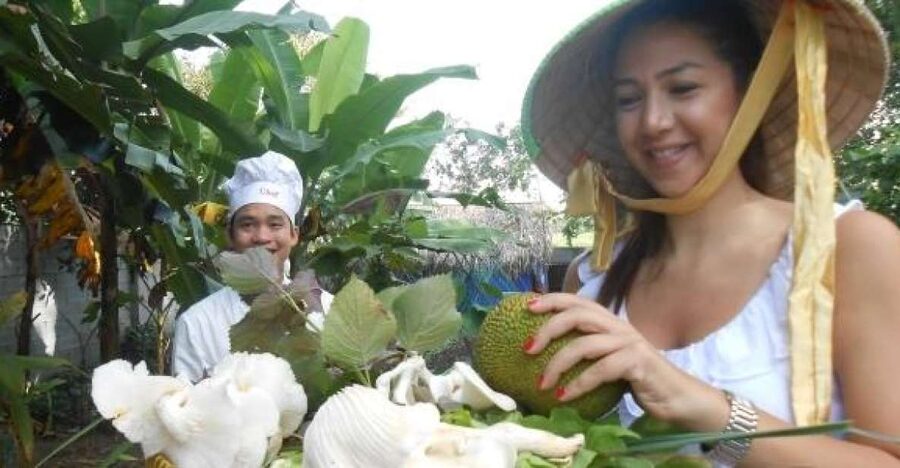
This isn’t a sit-and-watch cooking demo. You start on a working-style organic farm, learn about plants, then cook a traditional healthy Vietnamese meal with what you picked.
You also get a rare combo: a pharmacist perspective plus chef instruction. That matters because Vietnamese cooking here isn’t sold as just tasty. It’s framed as food that connects to everyday wellbeing—plus some clear warnings about how plants work.
You can also read our reviews of more tours and experiences in Ho Chi Minh City.

The farm-to-table rhythm: what your 6 hours actually looks like
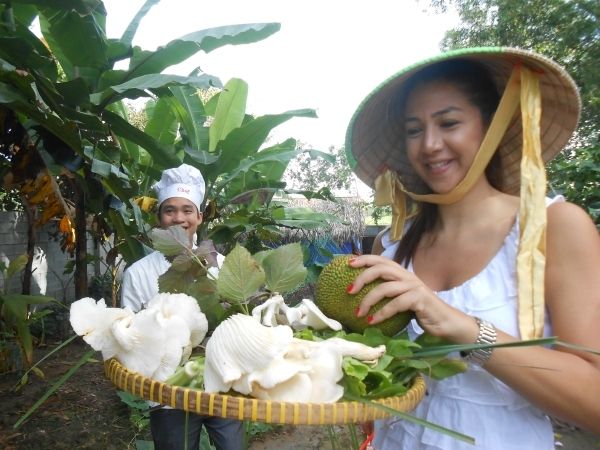
Plan your day like a mini countryside escape, not a quick urban activity. You’ll be picked up in Ho Chi Minh City (hotel pickup) or from the airport area, then transferred to the cooking school and farm grounds by car or bus.
Once you arrive, the time flows in a logical order. First comes the plant education (medicine garden, mushroom house, rice cultivation). Then you harvest vegetables and herbs. After that, you cook and eat your meal, usually with a group of fellow food lovers.
The upside of this structure is simple: you stop treating ingredients as abstract. When you’ve just picked the greens yourself, cooking feels much more intentional. And when someone explains what a plant is used for, your brain holds onto the flavors better.
The ride out of town: the part you should plan for
The farm is outside the city, so transportation time eats into your schedule. If you’re doing the half-day class, the total experience still clocks in around 6 hours, with travel that can run about 1–1.5 hours each way depending on traffic.
This is the main consideration for people who hate being stuck in transit. If you’re the type who likes to build your day with lots of short stops, you might find this eats more time than expected.
On the other hand, that drive buys you the change of scenery you came for. You’ll get the sense you’re leaving the city behind, heading into farmland where the meal starts making sense fast.
Medicine garden basics: learning benefits and disadvantages
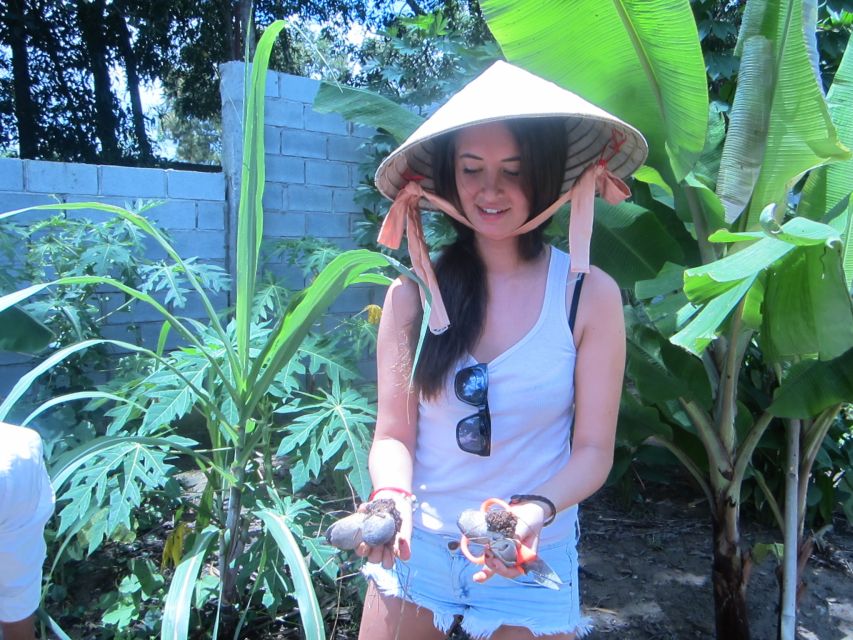
The medicine garden is where the class earns its name. You’ll explore herbs, spices, and vegetables used in Vietnamese cooking and also discussed from a health angle.
What I like about this part is that it doesn’t just hype. You learn medicine benefits and disadvantages—so you understand that plants can be helpful and also have limits. That keeps the lesson grounded, especially if you’re sensitive to certain flavors or want to cook smarter at home.
You’ll hear how different plants are used, which also helps you cook with a clearer plan. Instead of randomly adding herbs, you learn why certain greens work in a dish and what they contribute—taste, texture, and that “healthy” feel people look for.
Mushroom house: varieties, not just one mushroom
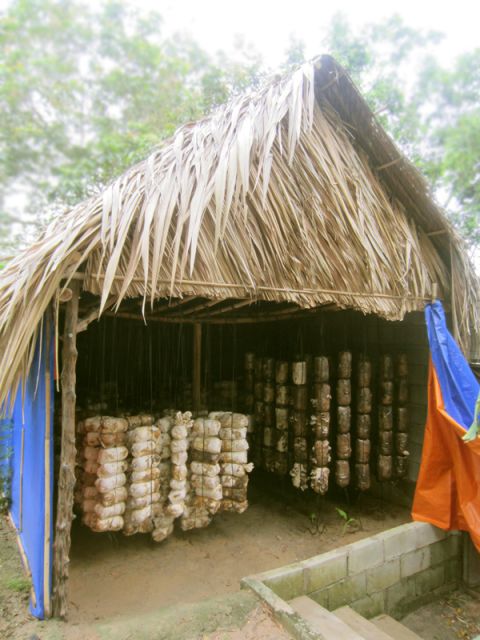
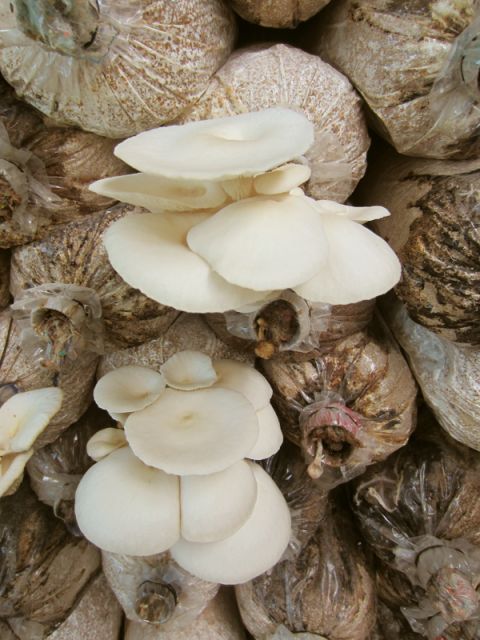
After the garden, you’ll move to the mushroom side of the experience. In the mushroom house, you learn how mushrooms are cultivated and you see different varieties grown there.
This part is especially useful if you think of mushrooms as a single category. Here, you start noticing differences in how mushrooms are grown and how that can change your cooking choices later.
If you’re someone who likes textures—meaty, tender, springy—this lesson gives you a mental map. You’ll know that the same soup or stir-fry can land differently depending on which mushroom you use.
Rice cultivation: the staple lesson behind the flavors
Rice cultivation is part of the farm education too. It’s not a long lecture, but it gives you context for why Vietnamese meals work the way they do—especially if you’re building your own healthy plates later.
Rice is more than a side here. It’s part of how dishes are balanced with herbs, vegetables, and protein. Once you understand cultivation at a basic level, you pay more attention to how meals are assembled.
Even if rice cultivation isn’t your main interest, it rounds out the day. The farm isn’t only about “cool ingredients.” It shows how staples and specialties fit together.
Harvesting vegetables: how to pick like a farmer
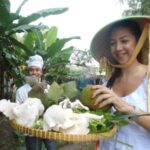
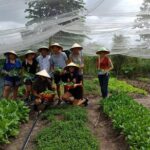
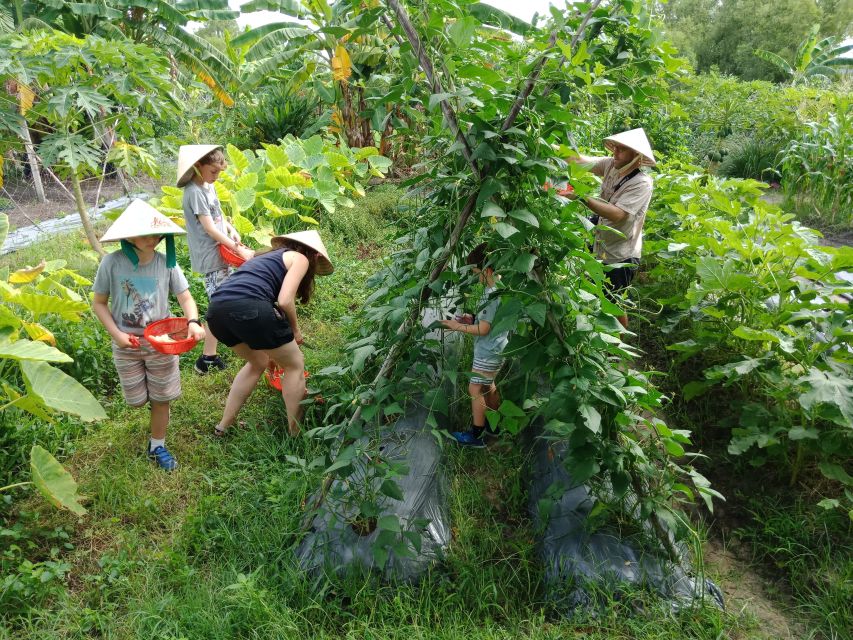
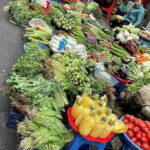
Next comes the best part: you become a farmer for a while. You’ll walk the medicine garden and identify vegetables you’ll use in your cooking class.
You’re not just grabbing whatever looks good. You learn to pick and select vegetables thoughtfully—based on what will work in the dishes you’ll cook. That makes a huge difference when you reach the cutting board.
You’ll also encounter ingredients that aren’t always common in every kitchen abroad. Expect examples like morning glory, jack fruit, and banana flowers. These aren’t just “novelty foods.” They bring specific flavors and textures to Vietnamese cooking that you can’t fully replace with Western substitutes.
Also, keep your comfortable shoes plan tight. The garden areas can mean uneven ground, so you’ll want grip and comfort more than style.
The cooking session: turning herbs into real dishes
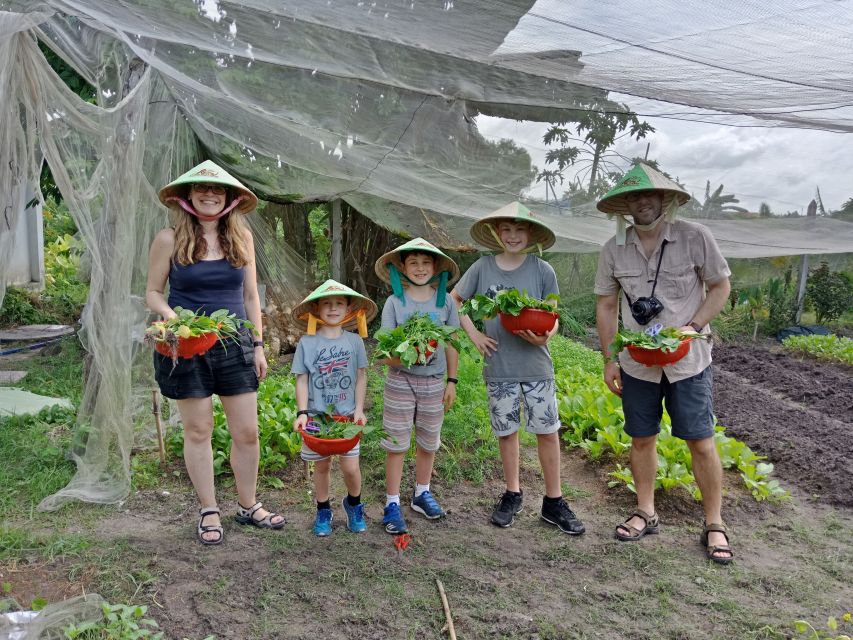
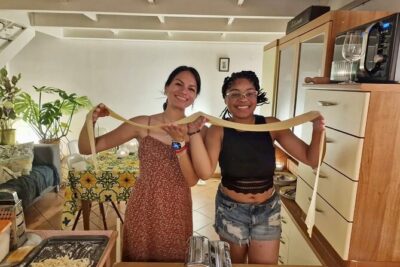
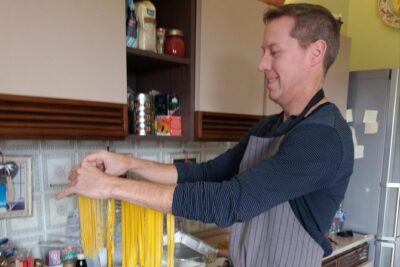
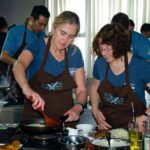
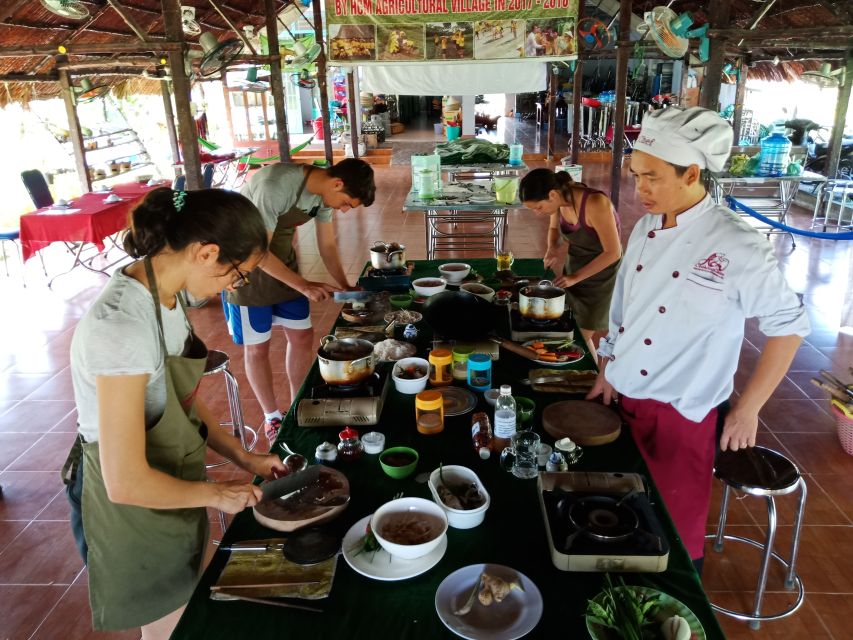
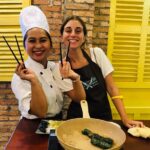
Once you have your ingredients, the chefs take over. You’ll learn how to prepare and cook a traditional healthy Vietnamese meal, using what you picked. You’ll likely work through multiple dishes—often described as four dishes—though the exact lineup can vary by class.
What makes this session valuable is the teaching style. It’s not only about doing steps. You get a cooking philosophy: how to think when you’re cooking at home with ingredients you can actually find.
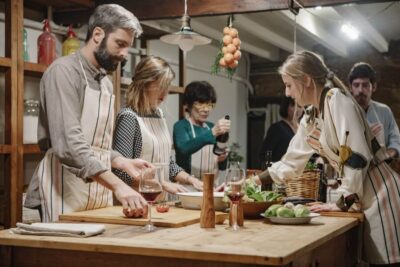
Instruction tends to be hands-on with friendly guidance from the chefs. In small groups, you might cook different but similar dishes at the same time, which keeps the kitchen energy lively. Extra staff also help out when something needs a quick fix, so you’re not stuck feeling lost.
A quick note on pacing and your expectations
Since it’s a half-day, the goal is momentum. You’ll learn a lot, but you won’t have time to master every technique like you’re in a full culinary school. Think of it as skills you can reuse right away: herb handling, dish assembly, and how to balance flavors.
Lunch and iced tea: eating with new context
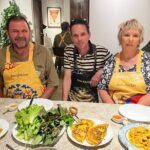
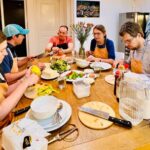
After cooking, you sit down and eat your creations. Lunch is included, along with iced tea and simple comforts like napkins.
This meal lands differently than most food tours. You’re eating with knowledge now—you’ve seen the plant source, heard the health angle, and picked the ingredients yourself. That makes each bite feel more specific.
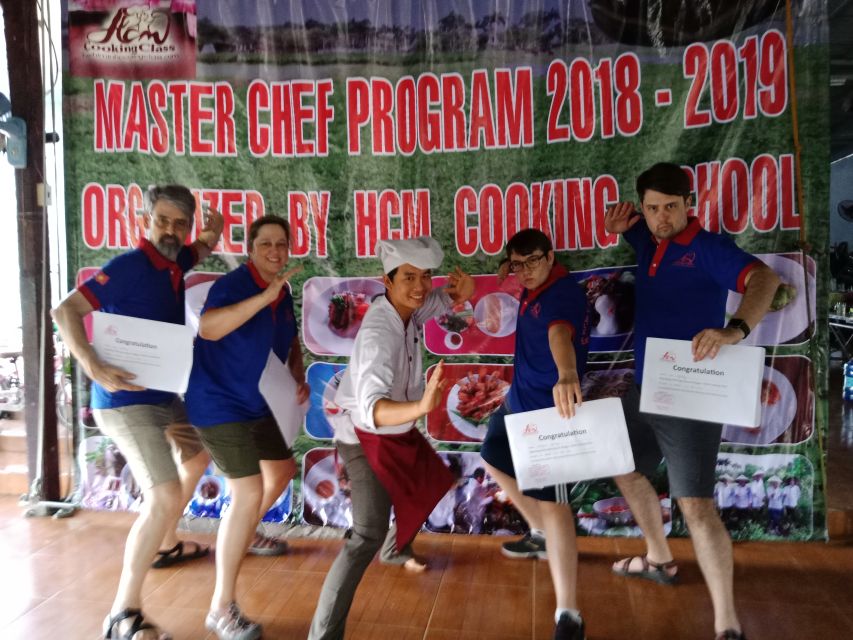
You’ll also get a certificate and take-home items like recipes and souvenirs from the class. It’s a nice touch because it gives you something to recreate after you leave Vietnam.
Price and value: is $70 worth it?
At $70 per person for a roughly 6-hour experience, you’re paying for more than cooking instruction. You’re paying for transportation, an in-depth farm learning component, ingredient harvesting, and a full included meal.
Here’s how I see the value:
- You get a guided farm + garden education, including medicine-style plant learning, mushroom house cultivation, and rice cultivation context.
- You cook with ingredients you helped select, which is a big part of the experience (and hard to replicate on your own).
- You eat the result with lunch and iced tea, plus you leave with recipes and a certificate.
If you only want restaurant-style eating, this will feel expensive. If you want skills and food knowledge you can reuse, it starts to look very reasonable. Especially if you’ve already been doing mostly eating tours and want one day that turns knowledge into action.
Language, guides, and how the class feels
The class runs in Vietnamese and English, so you won’t be left out if you don’t speak Vietnamese. A local guide plus chefs handle interpretation and explanations, and the tone tends to be relaxed, with friendly back-and-forth.
From the guides I saw highlighted—like Linh and Alice—the common thread is clear, practical teaching. They don’t just guide your hands. They explain what the ingredients are doing so your cooking improves, even when you’re back home.
What to bring (so you’re comfortable during harvest time)
Bring practical items that match a farm setting:
- Comfortable shoes
- Sunglasses
- Camera
The shoes matter most because harvest time and garden walking can mean uneven paths. Sunglasses help when you’re outside in daylight. A camera is useful because you’ll want to remember the garden, mushroom house, and the food you cooked.
And if you have dietary needs, tell them ahead of time. You should advise the organizers of any special dietary requirements or allergies so the class can plan accordingly.
Who should book this class
This experience suits you if you want:
- hands-on cooking, not just watching
- a farm connection to Vietnamese ingredients
- a health-meets-food approach (herbs, spices, and plant uses explained)
- ingredients like mushrooms and herbs that you can’t always find easily back home
You might skip it if you hate driving time, or if you prefer only restaurant meals with zero farm walking.
It’s also a good fit for couples and small groups because the class structure supports interaction while still keeping things organized.
Should you book this farm-to-table healthy cooking class?
If you want one half-day in Ho Chi Minh City that feels more like countryside education than a standard cooking class, I’d book it. The combination of picking ingredients yourself, learning the plant-health angle, and then cooking with chef guidance is the core reason this works.
If you’re short on time or don’t want travel out of town, you might feel the schedule pressure. But if you can give it the full 6 hours and show up with comfortable shoes, you’ll leave with practical cooking knowledge, not just a plate of food.
FAQ
How long is the half-day cooking class?
The duration is about 6 hours.
What’s included in the price?
Lunch, iced tea, a local guide, transportation, and pick-up by car or bus are included.
Do you pick me up from my hotel or the airport?
Yes. Pick-up is included from hotels in Ho Chi Minh City or from the airport.
Is the class wheelchair accessible?
Yes, it’s listed as wheelchair accessible.
What should I bring, and can I bring pets?
Bring comfortable shoes, sunglasses, and a camera. Pets are not allowed.
What if I have allergies or dietary requirements?
You should advise the organizers in advance about any special dietary requirements or allergies.