REVIEW · LISBON
Lisbon: Traditional Portuguese Cooking Class
Book on GetYourGuide →Operated by The Chefs Company · Bookable on GetYourGuide
Cooking Portugal beats guessing at restaurants. This hands-on Portuguese cooking class is a relaxed, small-group evening where you actually make a meal, then hear the dish stories that explain why Portuguese flavors look the way they do. My favorite part is the combination of practical cooking time plus narrative that turns dinner into context, not just calories. The main thing to think about is food fit: the menu can be adapted for vegetarians with advance notice, but it is not suitable for vegans or people with food allergies, and dietary restrictions must be shared at least 72 hours ahead.
You’ll start with a tasting of cheeses, chorizo, and wines, then work your way through a starter, main course, and dessert. The class is limited to 10 people, taught by an instructor in English and Portuguese, so you get real attention instead of watching from the sidelines.
In This Review
- Key things I’d circle before booking
- A 3-Hour Portuguese Kitchen Evening in Lisbon
- The “local flavors” promise, translated into real value
- Price and what you’re really paying for ($94 per person)
- Finding the kitchen: near Continente Bom Dia
- What happens during the class: from tasting to your final bite
- 1) Tasting cheeses, chorizo, and wines (the easy start)
- 2) Cooking the starter: learning by doing
- 3) Main course: where Portuguese flavor usually shows up
- 4) Dessert: finishing strong with a sweet Portuguese ending
- 5) The shared meal and the story behind each dish
- Why the chefs’ teaching style matters (and how to get the most from it)
- A practical way to learn faster in the kitchen
- Seasonal ingredients: why it changes what you taste
- Who should book this class in Lisbon
- Practical tips so your evening runs smoothly
- Plan around dietary needs early
- Wear real cooking clothes
- Go hungry, but don’t overthink it
- Languages: expect English and Portuguese support
- Should you book this Lisbon cooking class?
- FAQ
- How long is the Lisbon Traditional Portuguese Cooking Class?
- What’s the price per person?
- What’s included in the experience?
- Is the menu the same every time?
- Can vegetarians join?
- Are vegans or people with food allergies able to join?
- What languages are used during the class?
- Where is the meeting point?
- Is the class accessible for wheelchair users, and are pets allowed?
Key things I’d circle before booking
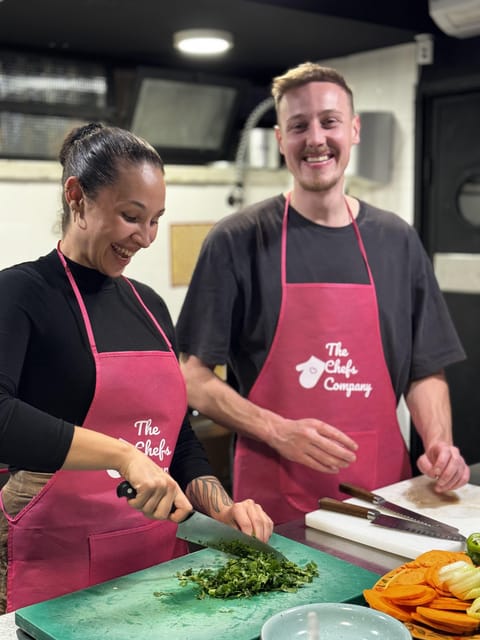
- Small-group kitchen time (max 10) so you can ask questions and actually cook
- Starter, main course, and dessert you prepare yourself, not just sample
- Cheese, chorizo, and wine tastings built into the start of the evening
- Seasonal, ingredient-driven menu changes depending on what’s fresh in Lisbon
- Chef-led stories that connect each dish to Portuguese everyday life
- Two-chef instruction style often credited with making steps feel doable
A 3-Hour Portuguese Kitchen Evening in Lisbon
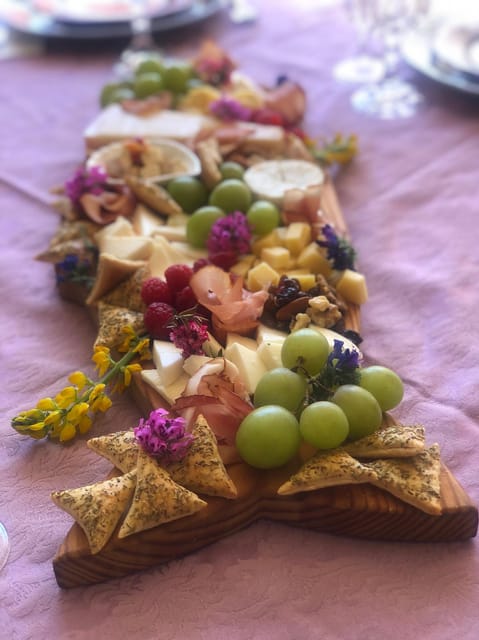
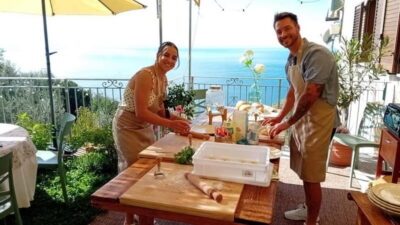
This is a 3-hour class in the Lisbon District built around one simple idea: Portuguese food is easier to understand when you cook it. Instead of giving you a lecture and pointing to a plate, the format nudges you into the process. You’ll handle the ingredients, follow steps with guidance, and end up eating what you made at a relaxed pace.
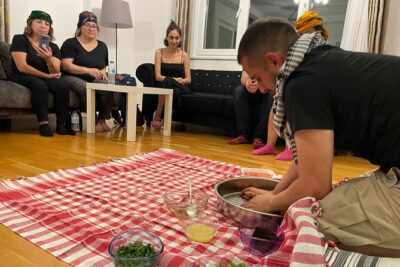
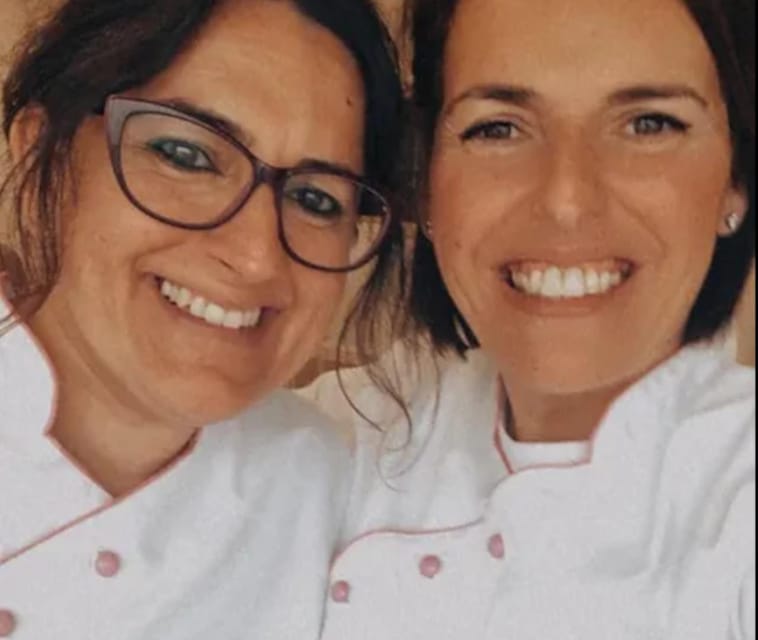
The class is also designed to feel like dinner with hosts, not a factory tour. People repeatedly mention the warm, fun tone led by the chefs (names that come up include Ana, Karina, and Carina). That matters, because cooking classes can swing either way: stiff and instructional, or chaotic. Here, the tone is intentionally laid-back while still being hands-on.
You can also read our reviews of more tours and experiences in Lisbon.



The “local flavors” promise, translated into real value
The menu changes by season and what’s available, and that is a good thing for you. It means you’re tasting what’s at its best right now, not a fixed list that could be based on frozen or out-of-season product. You get the more honest version of Portuguese cooking: simple ingredients treated seriously.
Price and what you’re really paying for ($94 per person)
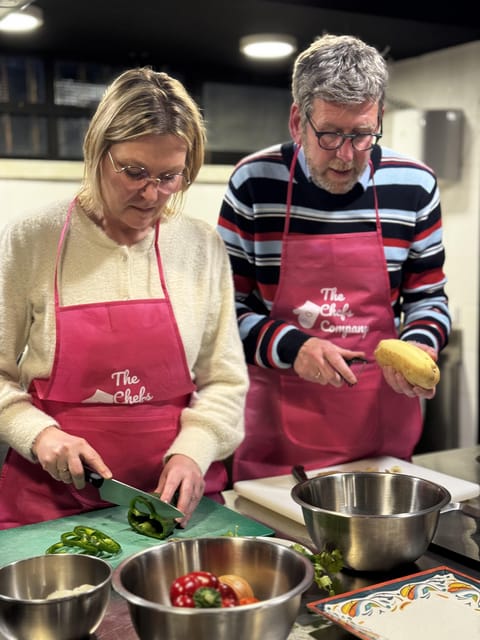
At $94 per person for 3 hours, this doesn’t look like a cheap snack. But it often feels fair once you break down what’s included.
You’re paying for:
- A guided cooking class where you make three courses (starter, main, dessert)
- Tastings of cheeses, chorizo, and wines
- Instruction from professional chefs in a small group (10 people max)
A lot of food experiences in Lisbon stop at sampling. This one continues into cooking and sitting down together. In practice, it’s a full meal plus a lesson, not just a tasting event.
If you want a memorable, low-effort way to bring Portuguese cooking skills home, this price has logic. You’re not only learning recipes—you’re learning how the chefs think about ingredients, timing, and flavor, because they’re there while you cook.
Finding the kitchen: near Continente Bom Dia
Location is close to a real landmark: the Continente Bom Dia supermarket. When you’re nearby and facing the main door, look to your left for stairs.
Go up the stairs to the top floor. Your kitchen is located in the chefs’ shop there, in the square at the end of those stairs. It’s not hard to get to, but it is easy to miss if you expect a restaurant entrance on street level. If you arrive a few minutes early, you’ll have time to orient yourself.
What happens during the class: from tasting to your final bite
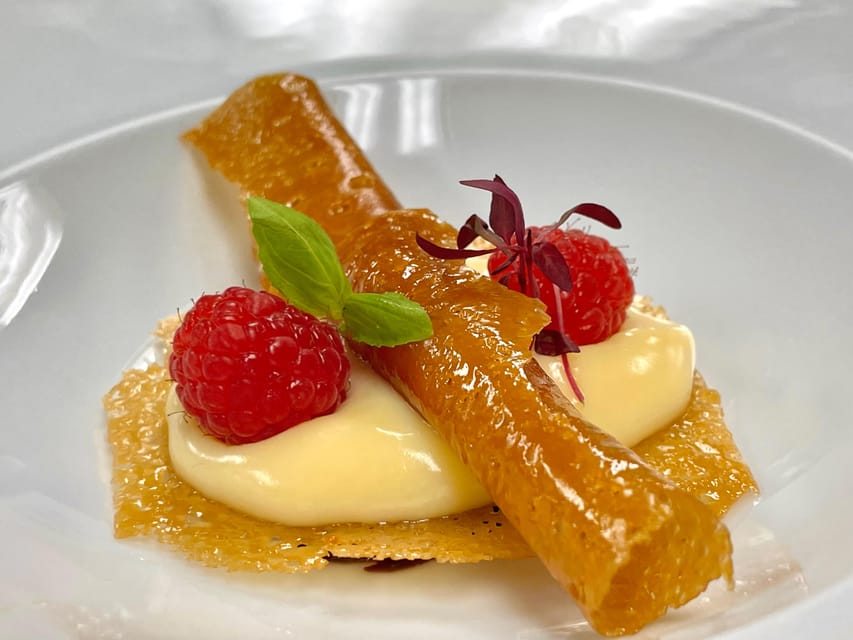
The flow is built to keep you moving without rushing. Here’s the typical rhythm you can expect in this 3-hour session.






1) Tasting cheeses, chorizo, and wines (the easy start)
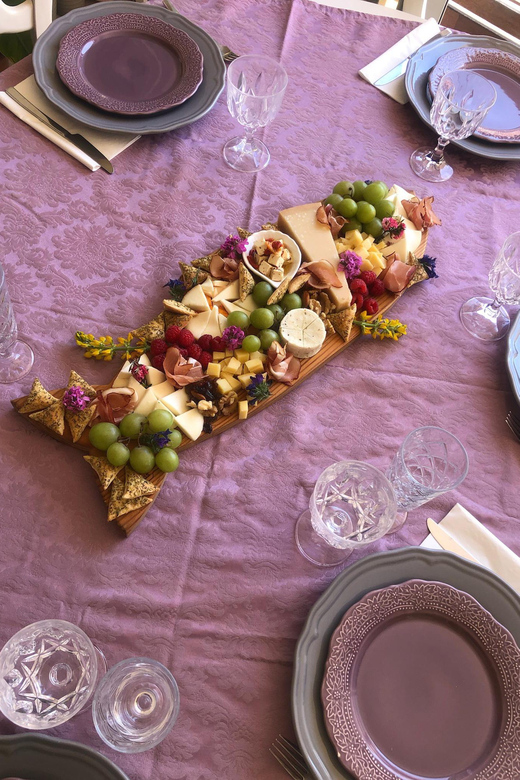
You begin with tastings that set the baseline for what you’ll cook later. You’ll sample cheeses and chorizo, then pair with wines as part of the experience.
A practical tip: treat this like your warm-up. Notice what you like. Is the cheese salty and bold? Does the chorizo taste smoky or spiced? These impressions help you understand seasoning and balance later when you’re making your own courses.
In one recent account, people even noted the wine as plentiful, which aligns with the idea that the tasting isn’t a token pour—it’s part of the evening.
2) Cooking the starter: learning by doing
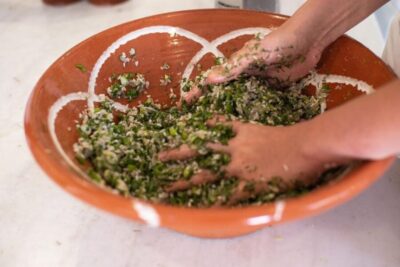
Next comes the hands-on part. You’ll cook a starter course with chef guidance. Since the menu is seasonal, you won’t be following the same exact dish list every time. But the structure stays consistent: you’re practicing technique while the chefs explain what makes Portuguese cooking tick.
What I like about the starter-first format is that it reduces anxiety. You get confidence early. By the time you move into the main course and dessert, you already know how the kitchen works and how your chefs give instructions.
3) Main course: where Portuguese flavor usually shows up
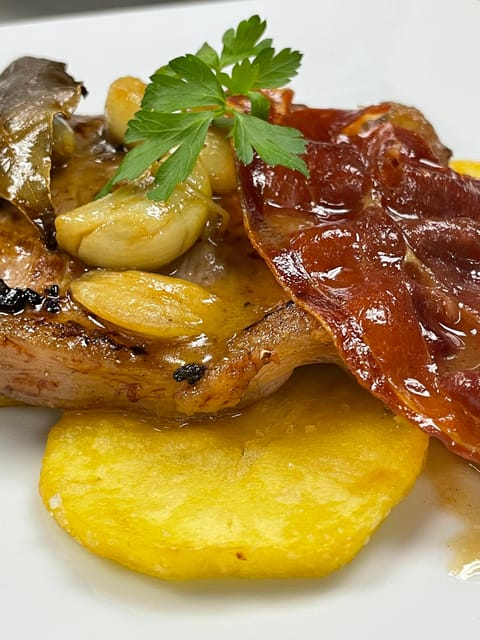
You’ll then cook the main course. Again, the specific dish can change with the season, but you can expect a proper meal component, not a light side.
This step is often where people feel the biggest payoff, because the main course is where sauces, seasoning, and timing matter most. The best part is that you’re not just watching someone else do the hard parts—you’re learning them in real time, with the chefs answering questions as you go.
4) Dessert: finishing strong with a sweet Portuguese ending
Then dessert. Portuguese desserts can range from custard-style comfort to simple fruit-forward sweets, but I won’t pretend the exact options are the same every day. What is consistent is that you’ll finish with something you helped make, and that makes the final course feel like a celebration instead of a payoff you didn’t earn.
5) The shared meal and the story behind each dish
After cooking, you enjoy what you prepared in a relaxed atmosphere. The narrative part is a big deal here. The class is built around the idea that Portuguese cuisine is more than flavor—it’s tradition, family, and everyday habits, told as you cook and eat.
That’s why people keep praising the experience as cultural, not only culinary. When chefs explain why certain flavors are used and how dishes connect to local life, it turns your dinner into a story you can repeat later.
Why the chefs’ teaching style matters (and how to get the most from it)
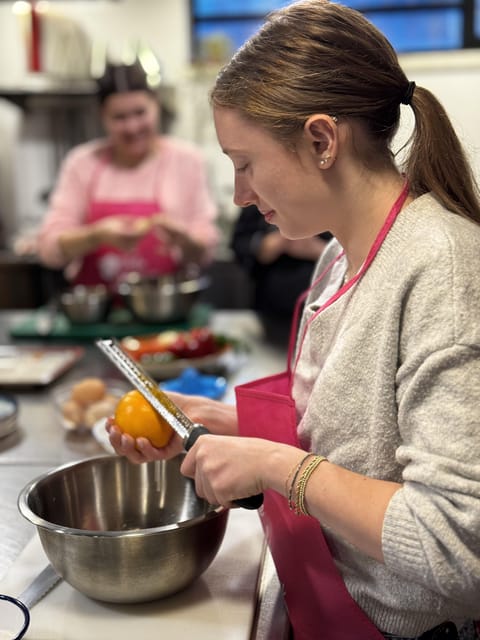
Cooking classes can be hit-or-miss depending on the teacher. Here, the consistent praise focuses on two things: clear instruction and warm humor.
Names that show up often in instructor credits and participant feedback include Ana, Karina, and Carina, and the teaching style is described as funny, kind, and easy to follow. That matters because it keeps you from freezing when a step is new.
A practical way to learn faster in the kitchen
Use the tasting and cooking stages to ask better questions:
- Ask what ingredient matters most in the dish you’re making
- Ask what people usually get wrong when they try to recreate it at home
- Ask how the flavors should taste at different stages
Even if you’re not a confident cook, this class is designed to be approachable. Several accounts emphasize that the chefs make it feel accessible for both beginners and experienced home cooks.
Seasonal ingredients: why it changes what you taste
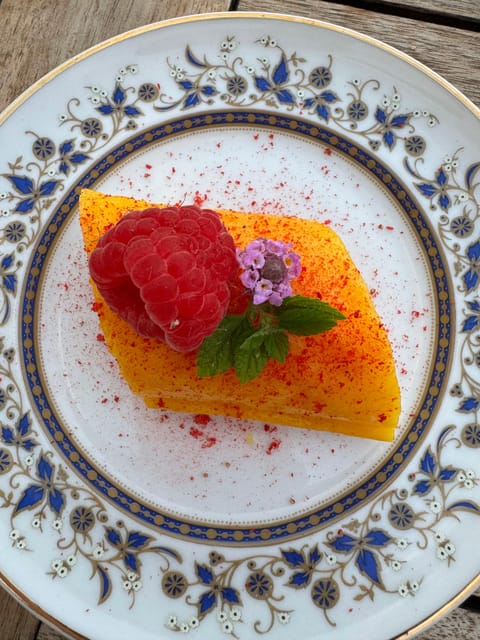
A big promise here is that ingredients are fresh, local, and seasonal, so the menu changes. That means you might see different vegetables, cheeses, or other components depending on the time of year.
From a value point of view, this is smarter than a fixed menu for a short trip. You’re more likely to taste what Portugal actually does right now, not what a marketing sheet says it does year-round.
Also, some participants mention personal touches like olive oil and figs from a family farm, plus breads linked to the chefs’ hometowns. Even when those exact items vary by season, the underlying point is consistent: the chefs treat ingredients like part of the lesson, not background decoration.
Who should book this class in Lisbon
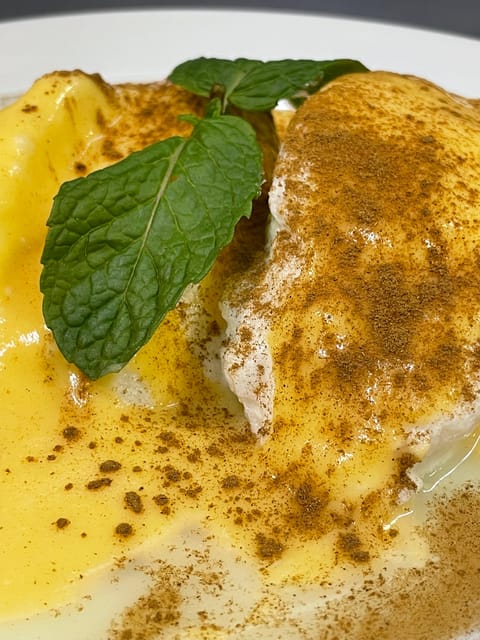
This is a great fit if you want a hands-on evening and you like eating what you make.
It’s especially good for:
- Couples and small groups who want one shared activity that ends in dinner
- Food lovers who want more than tasting and want technique
- Travelers who enjoy learning with stories, not just recipes
- Visitors who value a small group format
It may not be the right match if:
- You have food allergies (not suitable)
- You want vegan cooking (not suitable for vegans)
- You need wheelchair access (not suitable for wheelchair users)
- You’re traveling with children under 8 (not suitable)
Practical tips so your evening runs smoothly
A few small choices can make your class night more comfortable and enjoyable:
Plan around dietary needs early
If you’re vegetarian, the menu can be adapted, but you must communicate dietary restrictions at least 72 hours before the class. If you have allergies, this experience is not suitable, so look for another option that can truly accommodate your needs.
Wear real cooking clothes
You’ll be in a kitchen setting and working hands-on. Wear something you don’t mind getting a little messy. Comfortable closed-toe shoes help too.
Go hungry, but don’t overthink it
You start with tastings, then cook three courses, then eat what you made. If you arrive already stuffed from a big lunch, you’ll miss the fun of enjoying your own food at the end.
Languages: expect English and Portuguese support
The instructor speaks English and Portuguese. If you speak only one, you should still be able to follow steps and explanations, since the class is set up for mixed language needs.
Should you book this Lisbon cooking class?
I think it’s a strong booking choice if you want one evening where you learn, cook, and eat in a small-group setting. The combination of hands-on classes, tastings, and three-course meal usually makes this feel worth the $94, especially compared with experiences that stop at sampling.
You should skip or reconsider if your diet is vegan or you have food allergies, since the class is not suitable for those needs. And if you’re traveling with a strict dietary plan, start the communication early (72 hours).
If you want a “Lisbon meal you can recreate” experience—with chefs who teach steps and explain the meaning behind the food—this class is the kind of activity you’ll still talk about after the last pasteis de nata.
FAQ
How long is the Lisbon Traditional Portuguese Cooking Class?
The class lasts 3 hours.
What’s the price per person?
It’s $94 per person.
What’s included in the experience?
You get tastings of cheeses, chorizo, and wines, plus a hands-on cooking class where you prepare a starter, main course, and dessert.
Is the menu the same every time?
The menu changes based on the season and local ingredient availability.
Can vegetarians join?
Yes, the menu can be adapted for vegetarians if you communicate dietary needs at least 72 hours before the class.
Are vegans or people with food allergies able to join?
No. This experience is not suitable for vegans and it’s not suitable for people with food allergies.
What languages are used during the class?
The instructor teaches in English and Portuguese.
Where is the meeting point?
Near the Continente Bom Dia supermarket. Facing the main door, take the stairs on your left and go to the top floor, where the kitchen is located in the chefs’ shop.
Is the class accessible for wheelchair users, and are pets allowed?
Wheelchair users can’t be accommodated, and pets are not allowed.