REVIEW · HO CHI MINH CITY
Cooking Class: 3 Course Traditional Meal by local Chef HCM
Book on Viator →Operated by The Provincial Table Cooking Class · Bookable on Viator
Cooking Vietnamese classics in 3.5 hours is a treat. This hands-on class in Ho Chi Minh City is built around a private cook station and a chef-led 3-course traditional menu that you actively make, not just watch. I love how beginner-friendly it feels, with key ingredients ready and skills broken into steps. I also love that you finish with dishes you actually understand how to recreate later. One thing to consider: the cooking space can feel tight for some people.
You’ll meet at 131/3 Nguyễn Thị Minh Khai (Quận 1), then spend about 3 hours 30 minutes learning and cooking a classic spread of Vietnamese flavors. The class caps at 20 people, so it stays practical and hands-on, rather than turning into a long demo. The local chef I’ve seen referenced in past sessions—Alice—is called out for bringing warmth and energy to the room.
In This Review
- Key Highlights You’ll Care About
- Where You Start in Quận 1 (And Why It Matters)
- How the Class Works: Private Stations and Step-by-Step Cooking
- Course 1: The Spring Roll Skills You Can Use at Home
- Course 2: Vietnamese Pancakes and the Logic of Texture
- Course 3: Pho-Style Flavor Building for a Comfort Food Finale
- The Best Part: Learning Vietnamese Technique, Not Just Recipes
- Price and Logistics: Is $30 Good Value in Ho Chi Minh City?
- Who This Class Fits Best (And Who Might Want to Adjust Expectations)
- Practical Tips Before You Go
- Should You Book This Cooking Class?
- FAQ
- Where is the meeting point for the cooking class?
- How long does the class take?
- What is the price per person?
- What kind of dishes will you cook?
- Is the menu fixed?
- How many people are in the group?
- Do you get a recipe book?
- What’s the cancellation policy?
- Is there a mobile ticket?
Key Highlights You’ll Care About
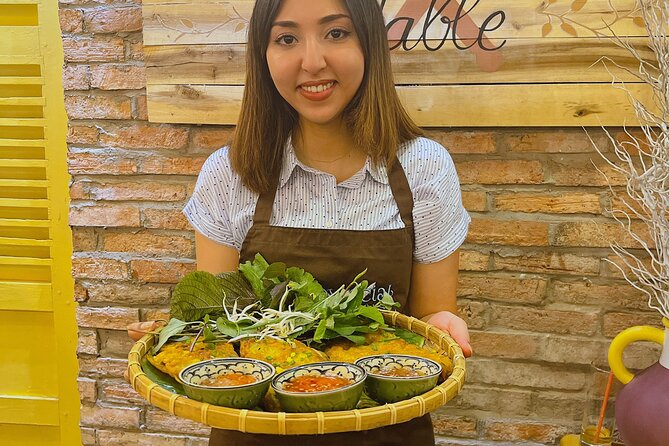
- Private cook station for every participant so you’re not sharing space or waiting for tools.
- A 3-course, chef-led flow that stays doable inside the 3.5-hour timeline.
- Beginner-friendly pacing with more prep done for you than you might expect.
- A take-home recipe book so you can recreate the dishes after your trip.
- Small group size (max 20) which helps with attention during cooking.
- Classic Vietnamese targets like spring rolls, Vietnamese pancakes, and pho-style flavors (often included in the daily menu).
Where You Start in Quận 1 (And Why It Matters)
The experience starts at 131/3 Nguyễn Thị Minh Khai, Phường Phạm Ngũ Lão, Quận 1 in Ho Chi Minh City. It ends back at the meeting point, so you don’t need to plan a separate ride home from wherever the class happens to be.
This location choice is practical for two reasons. First, Quận 1 is where most first-time visitors base themselves, so you can often reach the meeting area without a complicated routing plan. Second, the class is described as being near public transportation, which matters in a city where traffic and timing can get unpredictable. The day-of experience also uses a mobile ticket, which is one less thing to print or misplace.
The most important part of the meeting point, though, is what happens once you arrive: you’re quickly set up at your station with ingredients and instructions, so you can get moving fast instead of spending your first part of the trip waiting around.
You can also read our reviews of more tours and experiences in Ho Chi Minh City.



How the Class Works: Private Stations and Step-by-Step Cooking
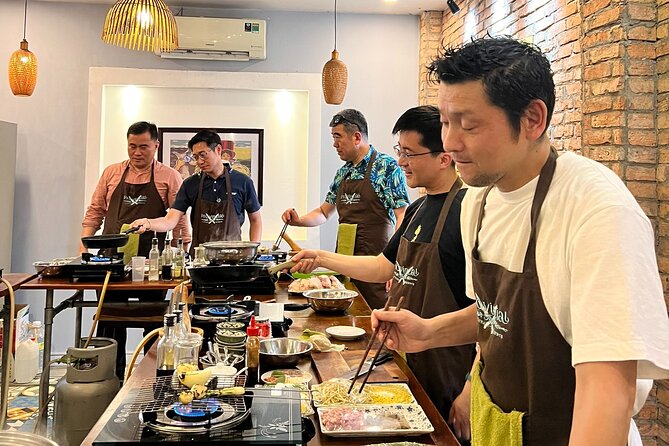
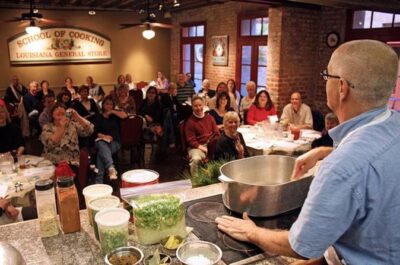
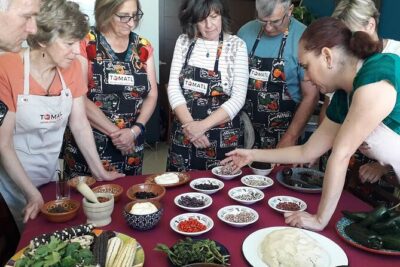
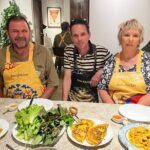
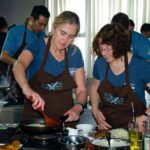
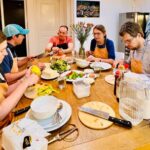
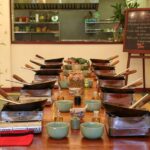
At the heart of the class is a very hands-on structure. Each person has a private cook station, plus the necessary ingredients to build a 3-course traditional meal led by a local head chef.
What I like about this setup is how it teaches technique, not just recipes. A lot of cooking experiences show you steps. This one leans more toward doing. You’re the one assembling, cooking, and tasting, while the chef guides you through flavors, spices, and cooking methods that reflect Vietnamese cuisine across regions.
And yes, it’s interactive. You’re expected to cook, not just observe. That said, the class is also described as beginner-oriented, with ingredients that are often mostly prepared already. In plain terms: you still learn, but you don’t have to fight a kitchen marathon in the middle of your first Vietnamese cooking attempt.
That pacing shows up in reviews too. People highlight that the class keeps the cooking tasks manageable inside the time limit, with basic actions (like cooking simple components) included alongside the more iconic Vietnamese techniques.
Course 1: The Spring Roll Skills You Can Use at Home
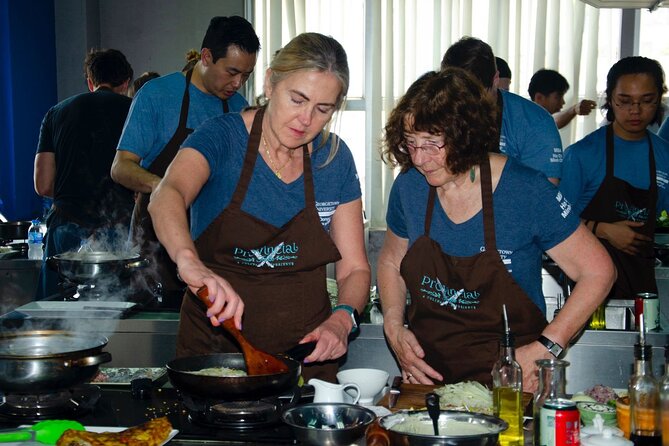
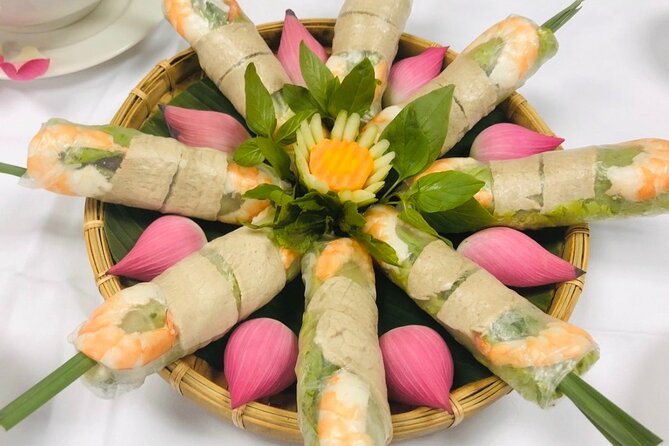
In many sessions, the first course includes spring rolls. If that’s on your menu, you’ll get the kind of training that’s hard to pick up from restaurant eating alone.
Here’s what’s useful about learning spring rolls in a structured class:
- You’ll see how filling and wrapping work together, so you’re not guessing at ratios.
- You’ll learn how the flavors connect—fresh, crunchy, and seasoned in a way that balances the roll.
- You’ll get a clearer sense of textures: what should be soft versus what should stay lively.
Spring rolls are also a great beginner course because the logic is simple. You can focus on mastering the “how,” instead of needing advanced knife work or complicated sauce reductions. And if you’ve ever struggled with homemade wrapping, a chef-led environment helps you correct issues fast—like uneven thickness or filling overflow—before they become a mess you can’t fix.
The payoff is that when you eat the finished roll, you understand why it tastes right. You’re not just eating something good; you’re tasting your own work plus the technique you just learned.
Course 2: Vietnamese Pancakes and the Logic of Texture
A second commonly mentioned dish in recent sessions is Vietnamese pancakes. If your daily menu includes them, you’ll likely spend time understanding how Vietnamese pancakes achieve their character—crisp edges, tender centers, and a sauce/flavor balance that ties it all together.
Why this course is worth your time: pancakes in Vietnam aren’t just about batter. They’re about build and timing. You learn what the batter is doing in the pan, how heat affects the final texture, and how toppings or accompanying flavors should be handled.
This is where the “3-hour realism” of the class shines. Vietnamese pancakes can be intimidating if you assume you need full restaurant skill. But the class format keeps it accessible, with enough prep done that you can focus on the essential cooking actions and the chef’s guidance.
In the past, instructors have been praised for making the learning feel fun, not stressful. When the class runs smoothly, the pancake course becomes the moment you start feeling like you’re actually a cook, not a student waiting for the teacher to save the day.
Course 3: Pho-Style Flavor Building for a Comfort Food Finale
The third course in many reported menus is pho (or pho-style flavors). Pho is one of those dishes people love instantly—but it’s also one of the easiest places to be confused at home if you only have the restaurant version to learn from.
A class that includes pho-style cooking is valuable because it helps you understand flavor layering. Instead of treating pho as a mystery broth, you get a working sense of seasoning direction: how spices and aromatics combine, and how you end with something that tastes balanced rather than heavy.
Even if the class doesn’t teach you every detail of a restaurant kitchen, it can still do something more practical: it gives you a path to recreate the taste. That’s the real win for many people who take classes while traveling. You get to bring home the “why it tastes like pho” understanding, not just the steps.
Pho also makes a good final course because it’s satisfying and comforting after cooking. It brings the meal together, and it makes the entire class feel like a genuine meal experience, not just three random cooking exercises.

The Best Part: Learning Vietnamese Technique, Not Just Recipes
Some cooking classes stop at telling you what to do. This one leans into technique and explanation. The chef’s role is to connect dish flavors to the wider Vietnamese culinary heritage—spices, cooking methods, and the ways different dishes fit the country’s food culture.
Two things tend to make this kind of experience feel worthwhile:
- You practice the core actions: mixing, cooking, assembling, and tasting.
- You leave with a repeatable framework: you can build similar flavors later, even if the dish isn’t exactly the same.
Reviews also mention that you get a recipe book at the end. That’s a small detail, but it matters. When you’re traveling, memory fades fast. A recipe book turns your experience from a fun afternoon into something you can actually use after you return home.
There’s also a clear beginner-friendly angle. People mention that ingredients may be prepped for you, and the skills expected are basic enough to fit the class length. That doesn’t mean it’s simplistic. It means the class is designed so you succeed during the session—success creates confidence, and confidence is how you learn faster.
Price and Logistics: Is $30 Good Value in Ho Chi Minh City?
The price is $30 per person for a 3-course chef-led experience lasting about 3 hours 30 minutes, with a mobile ticket and ingredients provided.
For value, the key question isn’t just the meal itself. It’s what you’re paying for:
- Chef instruction (not just a meal)
- All ingredients included
- Hands-on setup with a private station
- A structured 3-course process from start to finish
In a city where you can often eat cheaply, the appeal here is that you’re buying learning time and a real cooking outcome. You don’t just sample Vietnamese food—you make iconic dishes yourself. That’s why many people recommend it and keep booking it. The small max group size (20 people) also supports the value, since you’re less likely to feel rushed or ignored.
There’s one practical consideration: at least one review hinted that the space can feel very small. That doesn’t automatically make the experience bad, but it’s worth keeping in mind if you’re sensitive to cramped rooms, need a bit more personal space, or prefer very open layouts.
Who This Class Fits Best (And Who Might Want to Adjust Expectations)
This cooking class is a great fit if you want:
- A beginner-friendly introduction to Vietnamese home-style cooking
- A chef-led session focused on classic dishes
- A fun, social activity that still keeps you actively cooking
- Something you can bring back as recipe references for later
It’s also a strong choice for people who don’t want a food experience that’s only passive. If you like rolling up your sleeves and learning by doing, a 3-course class with private stations is a good match.
On the other hand, if you prefer a big spread where everything is fully hands-off and you simply taste dish after dish, you might find that the cooking demands attention. This class is hands-on by design. Also, if you’re uncomfortable in smaller spaces, plan for that possibility.
Practical Tips Before You Go
A few small prep moves can make the whole afternoon smoother:
- Wear clothes you’re okay with getting a little food-smell on them. Cooking gets real.
- Expect to use the station more than you might in a demo class. Bring a calm mindset—then enjoy it.
- Plan your day so you’re not rushing straight into another tour right after. Cooking and eating take time.
Also, bring basic patience. Vietnamese cooking can be surprisingly nuanced, and the chef may guide you through steps with quick adjustments. If you stay flexible, you’ll learn more.
Should You Book This Cooking Class?
If you’re in Ho Chi Minh City and you want a practical way to understand Vietnamese flavors, I think this is an easy yes. For $30, you get a 3-course chef-led session, private cooking stations, and a finish that often includes a recipe book—so you don’t leave with only memories.
Book it especially if you’re new to Vietnamese cooking or you like hands-on learning more than watching from the sidelines. If you’re tight on time, the 3.5-hour duration is straightforward. Just remember the one possible drawback: the room might feel small.
FAQ
Where is the meeting point for the cooking class?
The class starts at 131/3 Nguyễn Thị Minh Khai, Phường Phạm Ngũ Lão, Quận 1, Hồ Chí Minh 711106, Vietnam, and it ends back at the same meeting point.
How long does the class take?
The cooking class lasts about 3 hours 30 minutes.
What is the price per person?
The price is $30.00 per person.
What kind of dishes will you cook?
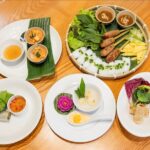
You’ll cook a 3-course traditional Vietnamese meal with a daily menu of classic dishes chosen for the day.
Is the menu fixed?
No. The menu is described as a daily selection of classic Vietnamese dishes, so it can vary by day.
How many people are in the group?
The class has a maximum of 20 travelers.
Do you get a recipe book?
Several past participants mention receiving a recipe book at the end of the class.
What’s the cancellation policy?
You can cancel for a full refund up to 24 hours before the experience starts. If you cancel within 24 hours, no refund is provided.
Is there a mobile ticket?
Yes. The experience uses a mobile ticket.