REVIEW · MAUI
Farm to Taco: A Farm to Table Cooking Class
Book on Viator →Operated by Lā Kāhea Community Farm · Bookable on Viator
Tacos don’t start in a kitchen here; they start in the soil. On Maui, Farm to Taco pairs a real farm-to-table visit with hands-on cooking, all kept to a small group size (max 15). I especially like that you get both the story of what’s growing and the payoff of eating your own creations.
Two standout parts make this class feel worth the time: the farm tour led by Janelle, where you harvest fresh ingredients and learn about sustainable farming practices, and the cooking portion guided by Catherine, where you make fresh tortillas and build your tacos step by step. One thing to consider is that the experience depends on good weather, so if Maui is swinging rain at you, plan for a reschedule option.
You’ll meet at 2100 HI-30 in Wailuku, start at 10:30 am, and return to the same spot when you’re done—about 2 hours 30 minutes later. It’s English-friendly, and the class is designed to be vegetarian and gluten-free, with vegan adjustments possible.
In This Review
- Key highlights you’ll care about
- Farm-to-Taco at Lā Kāhea Community Farm: Maui flavor with a purpose
- How the 2.5-hour flow works: from farm walk to tortilla tacos
- Meet at Wailuku, then get oriented fast
- The farm tour and ingredient harvest
- Head to the kitchen for fresh tortillas and assembly
- Savor what you made in the Maui setting
- The farm tour with Janelle: sustainable growing you can taste later
- What you’ll get from the farm side (beyond photos)
- Catherine’s kitchen lesson: fresh tortillas and taco-building basics
- Why the method matters more than the recipe
- Kid-friendly, family-friendly energy
- Dietary-friendly cooking on Maui: vegetarian, gluten-free, vegan options
- Practical tip for your booking
- Small group (max 15): why it feels personal instead of rushed
- Price and value: what $149 buys you in real terms
- The only value caution
- Best fit: who should book this Farm to Taco class
- Should you book Farm to Taco on Maui?
- FAQ
- Where is the meeting point for the Farm to Taco class?
- What time does the class start?
- How long is the experience?
- How much does it cost?
- Is the class suitable for vegetarian and gluten-free diets?
- How large is the group?
- Is it offered in English, and do I get a ticket on my phone?
- What if the weather is bad or I need to cancel?
Key highlights you’ll care about
- Farm tour + harvesting before you cook, so your meal has a clear origin story
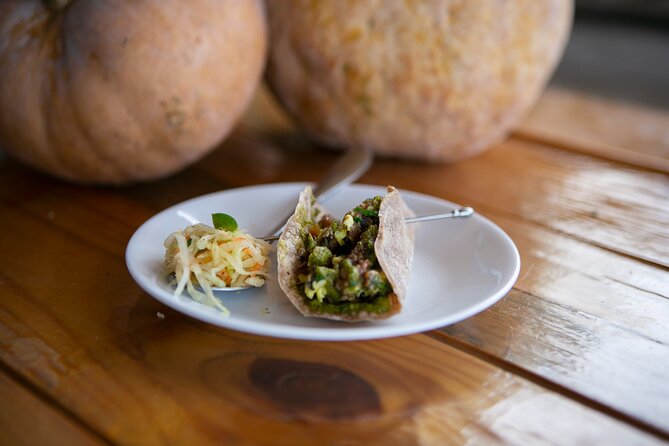
- Fresh tortillas and taco assembly with Catherine, in a relaxed kitchen setup
- Vegetarian and gluten-free, with vegan versions available when requested
- Small group (up to 15), which means more questions and less waiting around
- Kid-friendly and friendly hosts, which matters if you’re traveling with family
- Good weather required, so bring a flexible mindset
Farm-to-Taco at Lā Kāhea Community Farm: Maui flavor with a purpose
If you’re doing Maui right, you want more than a drive-by of food culture. This is a farm-to-table cooking class built around the idea that the best taco starts with ingredients that were grown with care. At Lā Kāhea Community Farm, you’ll connect what you taste with where it came from—without it turning into a lecture.
The setting is part of the draw. It’s not a glossy demo where you watch from afar. You move through the morning’s rhythm: see the farm, learn what’s being grown and why, then head into the kitchen to cook. That flow matters because it keeps your attention on the real “why” behind the food.
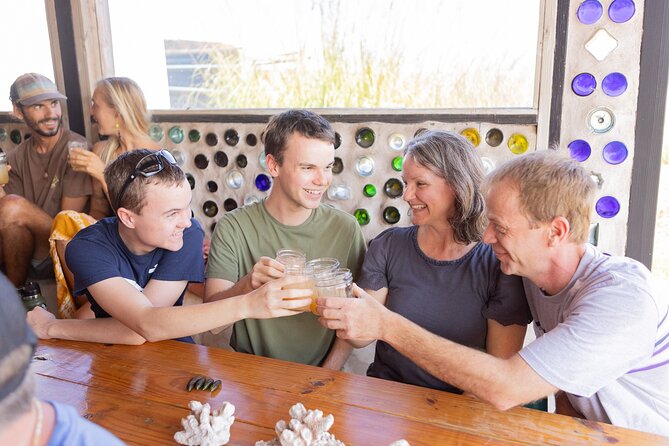
And then there’s the human side. The class is led by Janelle and Catherine, and they come across as the kind of hosts who keep things warm and practical. One of the strongest themes from what you’ll read in feedback is how naturally they make people feel included—whether you’re picking up a knife for the first time or cooking at home already.
How the 2.5-hour flow works: from farm walk to tortilla tacos
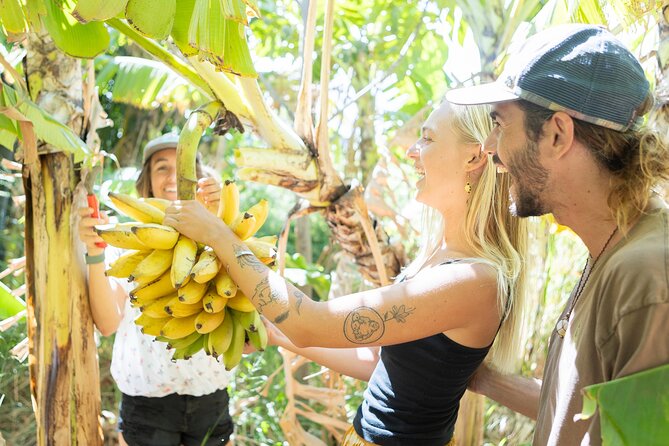
This experience is timed to feel complete but not rushed—about 2 hours 30 minutes total. It’s structured so you’re doing something almost the whole time, which is ideal if you hate feeling stuck in a long group activity.
Here’s how the day typically plays out:
Meet at Wailuku, then get oriented fast
You start at 2100 HI-30, Wailuku, HI 96793 at 10:30 am. Because the activity ends back at the meeting point, you don’t have to worry about complicated transfers. From there, you’ll be guided into the farm portion first.
What to keep in mind: if you’re driving, plan a little buffer around parking and getting to the exact spot on time. The schedule matters because the class is built around the farm experience.
The farm tour and ingredient harvest
Next comes the farm section, where you’ll learn what they grow and how the farm approach connects to sustainable practices. You’ll also get involved in harvesting—simple, hands-on tasks that turn the next steps in the kitchen into something tangible.
This is where Janelle’s role really shines. Her guidance is described as warm and passionate, with a strong focus on the land and the produce. That matters for you because it turns your tacos from just food into a story you can repeat later.
Head to the kitchen for fresh tortillas and assembly
After the farm time, you move into the kitchen with Catherine. This is the practical part: you’ll make fresh tortillas and then assemble tacos from the ingredients you harvested.
The best cooking classes don’t just tell you what to do—they help you do it confidently. Catherine’s teaching style is described as relaxed and fun, with skill and enthusiasm. If you consider yourself a beginner, you’ll likely appreciate that it’s not about perfection; it’s about learning the method.
Savor what you made in the Maui setting
When the class wraps, you’ll enjoy the lunch you created. That meal part is important: you don’t leave with just recipes in your head. You get to taste the result right away, while the experience is still fresh (pun intended).
A note for your expectations: you’ll leave full, not just inspired. But if your goal is a full-day food crawl with lots of wandering, this is a concentrated hit rather than an all-day event.
The farm tour with Janelle: sustainable growing you can taste later
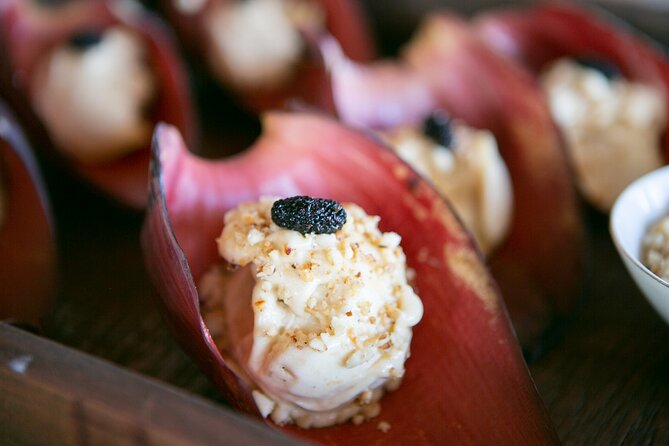
The farm tour is the heart of why this class works. Many cooking classes teach technique, but fewer take you to the source first. Here, you’re walking through the farm and learning how the growing system ties into sustainable choices and local context.
You’ll likely focus on what’s ready and what ingredients will end up in your tacos. In feedback, the hosts are described as very informative about the kind of farming they do, not just the names of plants. That difference matters. When you understand the farm approach—even at a basic level—you cook with more intention.
Janelle’s leadership is repeatedly noted as warm and welcoming, and she’s described as sharing deep knowledge of the land. In practice, that often means you’re not rushed, you can ask questions, and you’re not standing around wondering what you’re supposed to be looking at.
What you’ll get from the farm side (beyond photos)
If you love food, this is the part that will stick with you after the trip. You’ll understand why certain ingredients taste a certain way. You’ll also get a clearer sense of how farm decisions affect what ends up in your plate.
And yes, it’s a setting you can enjoy visually too. But the real payoff is learning what’s growing now and how it connects to your meal later.
Catherine’s kitchen lesson: fresh tortillas and taco-building basics

Once you’re in the kitchen, the class shifts from observing to doing. The most hands-on part here is making fresh tortillas, then assembling tacos with the ingredients you harvested.
What I like about this setup for you: tortillas are the kind of skill that upgrades everything. Even if you don’t remember every step, you’ll walk away with confidence about the basics. And if you’re staying in Maui for a few days afterward, you can recreate elements of this at home without needing a whole new food toolkit.
Catherine is described as skillful and enthusiastic, and she keeps the experience fun and relaxed. That’s exactly the right vibe for a class where different people start at different skill levels. No one wants a tense cooking environment while on vacation.
Why the method matters more than the recipe
The class teaches you how to build tacos, not just what filling goes where. Once you learn the assembly logic—how the components work together—you can remix later with what’s available locally.
You’ll also get practical confidence. If you’ve ever felt intimidated by cooking demos, this is structured to make participation feel normal.
Kid-friendly, family-friendly energy
A big theme in the feedback is that the class is kid friendly. That doesn’t mean it’s a daycare event. It means the pace and tone are welcoming, and kids aren’t treated like an inconvenience. If you’re traveling with children, this is the kind of activity that can still feel engaging rather than a long chore.
Dietary-friendly cooking on Maui: vegetarian, gluten-free, vegan options
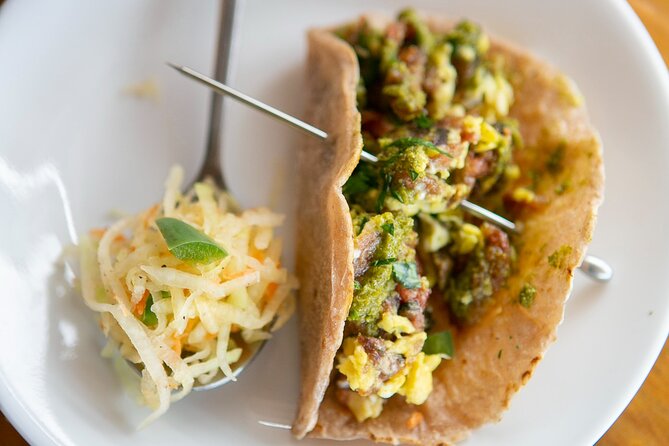
This class is designed to work for people with common dietary needs. It’s vegetarian and gluten-free, and it can be made vegan when requested.
That matters because tacos can easily turn into a meal you can’t eat if you have restrictions. Here, the class is structured to handle those limits, so you can focus on cooking and taste instead of negotiating every ingredient.
Practical tip for your booking
If vegan is important to you, be clear when you book. The class notes that vegan adjustments are possible, but it’s still on you to confirm your needs so the kitchen can plan accordingly.
Also, gluten-free needs are called out specifically, which is a plus if you usually have to ask a lot at restaurants.
Small group (max 15): why it feels personal instead of rushed
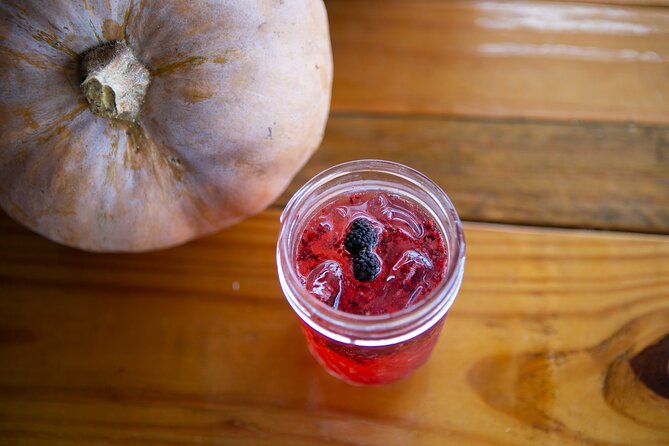
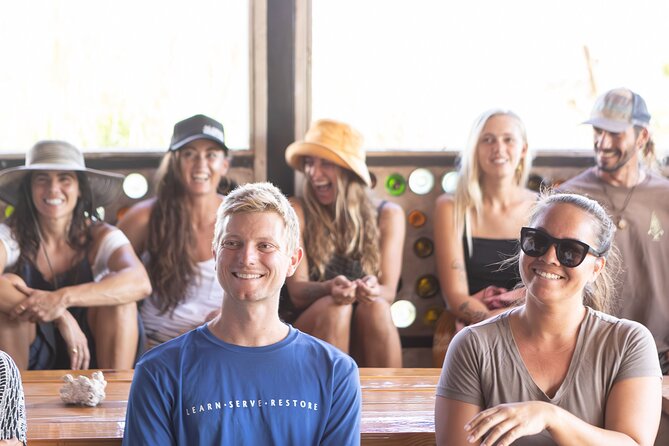
Up to 15 travelers is a sweet spot for a hands-on cooking class. It’s big enough that the energy stays lively, but small enough that hosts can notice when someone is stuck or wants a clearer instruction.
In a larger group, you often end up waiting. Here, you’re more likely to stay active—harvesting when it’s time, cooking when it’s time, and asking questions when you want them answered.
This is part of what makes the experience feel personal in the way it’s described. The hosts are portrayed as super kind and attentive, and that’s easier to pull off with a smaller group.
Price and value: what $149 buys you in real terms
At $149 per person, this isn’t a bargain-basement activity. But it also isn’t priced like a generic food show. You’re paying for a combined experience: farm time plus a cooking lesson plus the lunch you make.
Here’s how the value math works out:
- You get ingredient sourcing and a farm walk, not just kitchen instruction
- You get hands-on cooking (including fresh tortillas), not just watching
- You get a meal outcome right after cooking
- You get a small group experience, which usually means more host attention
If you compare it to restaurant meals, remember you’re not only buying food—you’re buying instruction and the ingredient story. On Maui, where many food experiences focus on a single stop, this gives you two layers: farm learning and cooking results.
The only value caution
If you’re someone who just wants a quick snack and doesn’t care about cooking technique or sustainable farming lessons, then $149 may feel steep for a 2.5-hour activity. If you want hands-on food skills plus local context, it’s a stronger fit.
Best fit: who should book this Farm to Taco class
This class is a great match if you fall into one of these groups:
- You like cooking lessons you can actually use later at home
- You care about how food is grown and want that story tied directly to your meal
- You’re traveling with family and need something that works for kids too
- You want a more personal Maui activity instead of another crowded stop
It may be less ideal if you’re expecting a full-day tour with lots of extra sightseeing, or if you’re only interested in eating without participating.
Also, because good weather is required, make sure you can handle a possible reschedule. If your Maui schedule is rigid to the hour, you’ll want a little flexibility built in.
Should you book Farm to Taco on Maui?
I’d book it if you want a Maui food experience that’s both practical and grounded. The combination of the farm tour (led by Janelle), then fresh tortilla making and taco assembly (guided by Catherine), is exactly the kind of learning that turns into a real memory. Add the fact that it’s designed for vegetarian and gluten-free, with vegan options, and it becomes easier to recommend to more people in your group.
Skip it only if you’re not interested in cooking at all, or if you have zero tolerance for outdoor weather conditions. Otherwise, this is a smart use of your morning: you’ll come away fed, with skills, and with a better sense of how sustainable farming shows up on your plate.
FAQ
Where is the meeting point for the Farm to Taco class?
The tour meets at 2100 HI-30, Wailuku, HI 96793, USA.
What time does the class start?
The start time is 10:30 am.
How long is the experience?
It lasts about 2 hours 30 minutes.
How much does it cost?
The price is $149.00 per person.
Is the class suitable for vegetarian and gluten-free diets?
Yes. The class is vegetarian and gluten-free, and it can be made vegan.
How large is the group?
The class has a maximum of 15 travelers.
Is it offered in English, and do I get a ticket on my phone?
It’s offered in English, and you receive a mobile ticket.
What if the weather is bad or I need to cancel?
The experience requires good weather. If it’s canceled due to poor weather, you’ll be offered a different date or a full refund. You can also cancel for a full refund up to 24 hours in advance of the start time.