REVIEW · ADDIS ABABA
Addis abeba Full Cooking class.
Book on GetYourGuide →Operated by vowland ethiopia tour · Bookable on GetYourGuide
Food, smells, and history—on the same morning. In Addis Ababa, I love the way this class sends you from a lively Shola market into Abraham and Salam’s local kitchen to learn the real hands-on rhythm of Ethiopian cooking. The injera lesson is the centerpiece: you’ll watch it made, then get your own turn.
Next, you’ll cook Ethiopian shiro wot side-by-side with your hosts, then sit down to taste what you made in a home setting. I also like the coffee part because you’re not just drinking coffee—you’re learning how it’s roasted and brewed as part of everyday culture.
One possible drawback: injera is made from dough that ferments for about three days, so it has that slightly sour kick. If you dislike sour flavors, it may be an adjustment, even though it’s totally normal here.
In This Review
- Key things to know before you cook
- Meeting Abraham and Salam: what the morning actually feels like
- Shola Market and the Addis Ababa city loop before class
- Ethiopia National Museum and Lucy: why this stop matters
- Injera in a local home kitchen: the real skill you’ll take home
- Shiro wot and lunch: cooking, sharing, and eating what you made
- Ethiopian coffee ceremony: roasted beans, fresh brewing, and a real cultural rhythm
- Price and Logistics: what $90 buys you in real terms
- Who this cooking class suits best (and who should skip it)
- Should you book Vowland Ethiopia’s Addis Ababa full cooking class?
- FAQ
- How long is the Addis Ababa full cooking class?
- Is pickup from the airport or hotel included?
- What will I cook and eat?
- How big is the group?
- What language will the guide speak?
- What should I bring?
- Is it possible to get a refund if plans change?
Key things to know before you cook
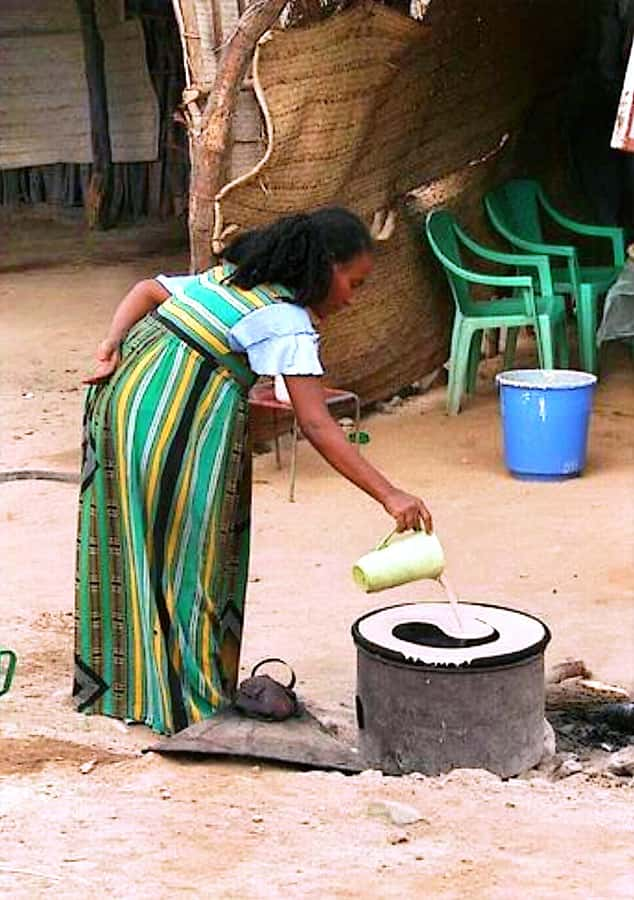
- Three-day fermented injera dough for that signature texture and mild sour taste
- Injera in three colors (white, brown, red) and how they’re handled
- Shiro wot taught as a spicy puréed chickpea stew, cooked with guidance
- Hands-on Ethiopian coffee ceremony using freshly roasted beans
- Addis Ababa stops that connect food to place, including Lucy at the National Museum
- Small group (max 7) with hotel or airport pickup for an efficient 4-hour experience
Meeting Abraham and Salam: what the morning actually feels like
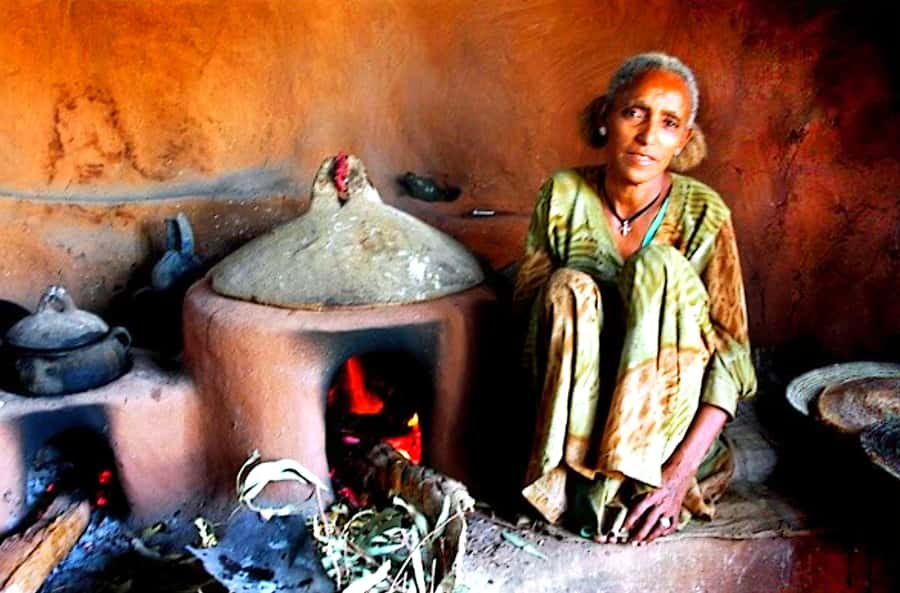
This experience starts with a simple, practical welcome: pickup from the airport or your hotel, then a drive into Addis Ababa life. It’s set up for people who don’t have hours and hours to figure out logistics on their own. If you’re arriving tired or short on time, that matters.
Once you’re moving, you’ll get introduced to the plan and to the people behind it. Abraham and Salam host in a local home kitchen, and the vibe is direct and friendly. You’re not stuck watching from across the room. The goal is that you learn by doing—hands, questions, small corrections, and a real sense of how meals work here.
The small group size (up to 7) also helps. In a crowd, cooking classes turn into a blur. In a small group, you can ask why something is done a certain way, not just copy a step and hope for the best. It’s also more comfortable for translation and back-and-forth if you prefer English or French.
You can also read our reviews of more tours and experiences in Addis Ababa.
Shola Market and the Addis Ababa city loop before class
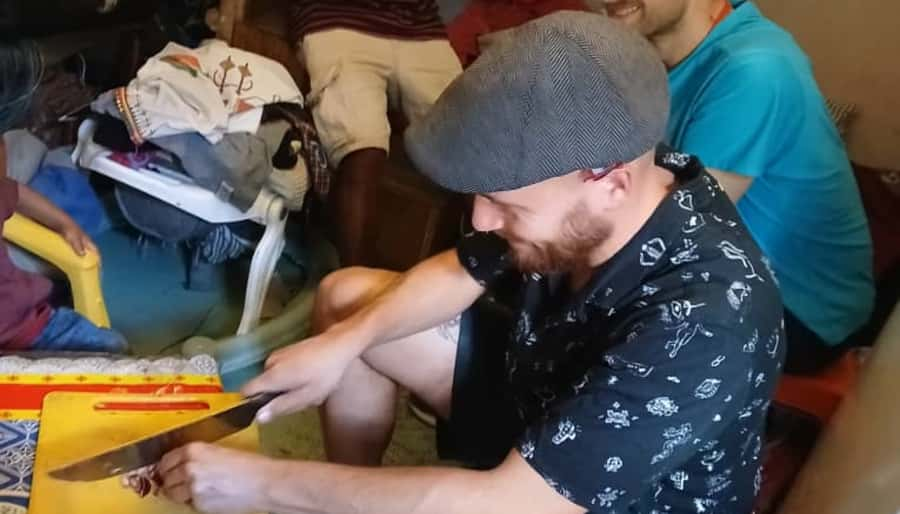
Before the cooking begins, you’ll head to Shola market, where thousands of people sell their own products daily. Even if you’re not shopping, it’s a fast education in everyday Ethiopia: movement, bargaining energy, and the kind of busy that makes the rest of the day feel grounded in real life.
The market stop is also a smart warm-up for the rest of the program. You start seeing how local food culture connects to the supply chain—people bringing ingredients, vendors working in rhythm, and the constant activity that supports meals across the city.
Then you’ll explore Addis as you travel toward the museum stop and the cooking location. This is not meant to be a long sightseeing tour. It’s a short, efficient city loop. You get just enough context to make the cooking feel like more than a one-off lesson.
Ethiopia National Museum and Lucy: why this stop matters
One of the highlights is a visit to the Ethiopia National Museum to see the famous Hominid fossils of Lucy. This is a big cultural anchor in Addis Ababa, and it gives your food day an extra layer: you’re not only learning how people cook now, you’re also standing in a place that represents deep human history.
Practically, this museum stop adds variety. A cooking class alone can become repetitive—mix, stir, bake, taste—over a short window. Lucy breaks that pattern. It also helps you feel more connected to Ethiopia as a whole, not just the kitchen.
If you’re the kind of traveler who likes to understand a place beyond what’s on a menu, this museum pairing is excellent value. It’s also an easy add-on because the route is already planned as part of the day’s drive.
Injera in a local home kitchen: the real skill you’ll take home
The cooking happens in a local home kitchen with Abraham and Salam. This is where the experience becomes genuinely different from a commercial cooking school. The lesson is structured, but it’s still lived-in: you’re in someone’s working kitchen space, not a staged demonstration set.
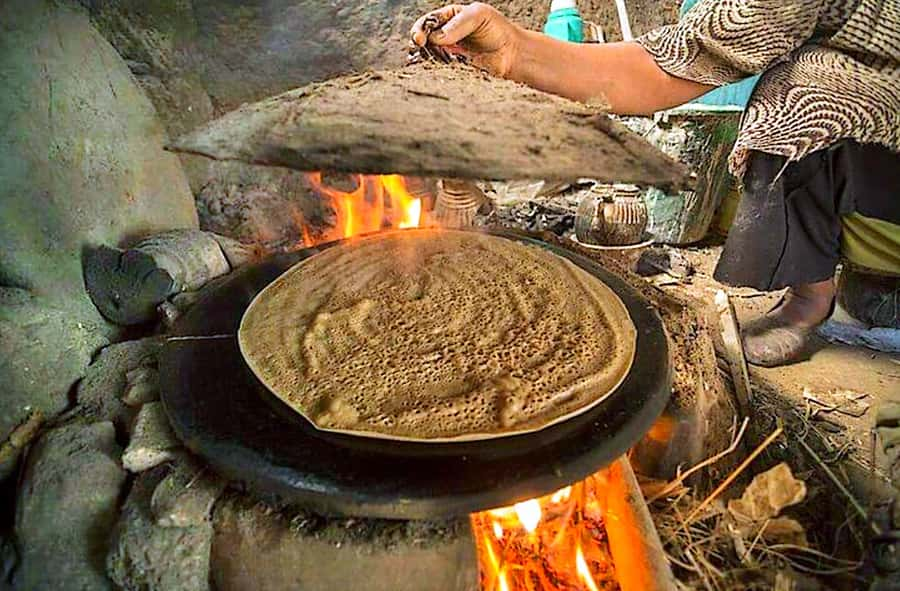
The star is injera, Ethiopia’s staple foam-textured pancake. You’ll learn how to bake it and understand what makes it what it is. Here’s the key part: the dough ferments for about three days before cooking. That fermentation gives it the distinctive texture and that slight sour taste.
You’ll also learn about the fact that injera comes in three different colored varieties: white, brown, and red. Even if you’re not taking home the exact fermentation timeline, the lesson is about method and expectation. You’ll understand why injera isn’t just a “flatbread.” It behaves like a sponge, sits under stews, and shapes the whole meal experience.
What to watch for as you cook:
- Dough readiness: fermentation affects taste and texture, so don’t treat it like normal batter.
- Heat control: injera is about even cooking. Small changes matter.
- Timing: you’ll want to pay attention to when the surface looks right, not just when the time says so.
And yes, you’ll taste as you go. That’s one of the best parts of this class: you’re learning with feedback. If something tastes off, you can ask right away instead of guessing later.
Shiro wot and lunch: cooking, sharing, and eating what you made
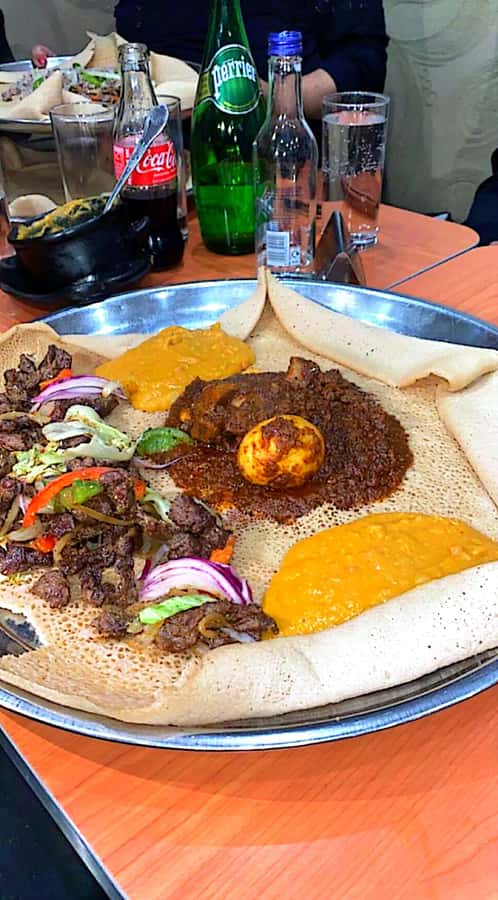
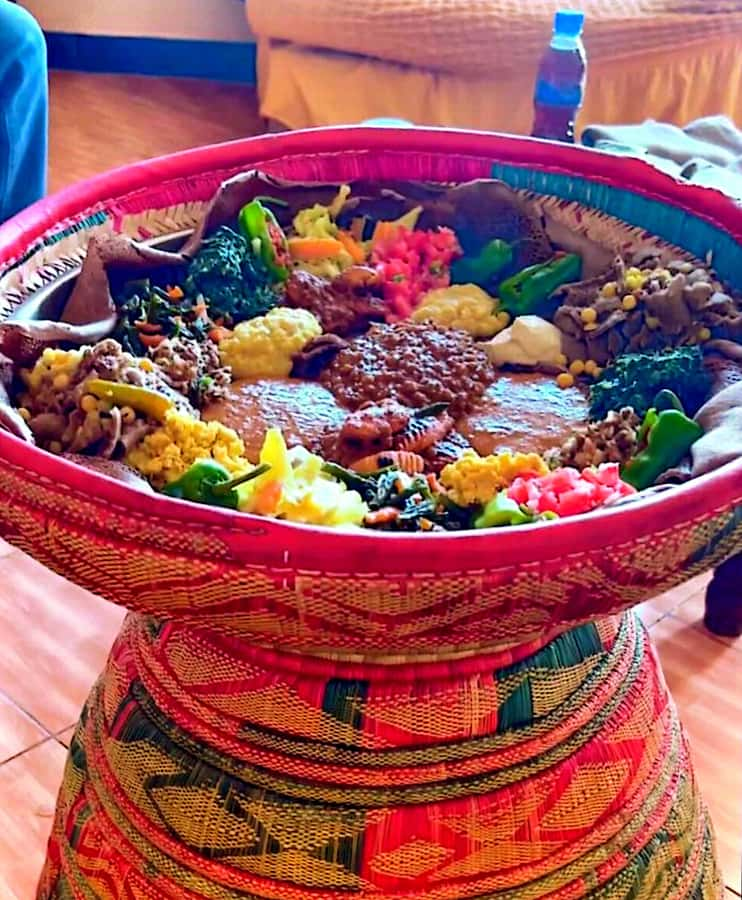
Right next to the injera work, you’ll learn to make Shiro wot, described here as a spicy puréed chickpea stew. This is Ethiopia’s comfort-meets-flavor style: thick, hearty, and built for spooning over injera.
The practical advantage of learning shiro wot alongside injera is that it shows you the logic of Ethiopian meals. Injera isn’t just cooked food; it’s the base for stew. When you make both, you understand how they pair, not just how they’re prepared.
Salam and Abraham guide you through the process step-by-step, and the better moments are when you do more than stir once. In the home setting, you’ll likely get real hands-on time, not just a quick demonstration. The idea is that by the time you sit down, you can connect each flavor to a step you practiced.
Then comes lunch. You’ll eat what you cooked. This part is simple but important. Cooking classes sometimes end with you leaving the kitchen while everything is already plated for someone else. Here, the meal is part of the lesson. You’ll taste the fermentation effect in injera, then taste how the chickpea purée holds spice and thickness.
If you’re wondering about spice level: the stew is described as spicy. That doesn’t automatically mean unbearable heat, but it does mean expect bold seasoning. If you’re heat-sensitive, you should tell your hosts early so they can guide you through choices during cooking.
Ethiopian coffee ceremony: roasted beans, fresh brewing, and a real cultural rhythm
After the cooking and lunch, the day shifts to Ethiopian coffee. You’ll make coffee with help from your host, using freshly roasted coffee beans. This isn’t just a caffeine break. It’s a small ceremony with steps, care, and timing.
The value here is that you learn what makes Ethiopian coffee different in the everyday sense. You see the roasting-to-brewing process, and you get a clearer idea of how coffee is treated as part of hospitality and social time.
Even if you’re not a coffee expert, this is one of those “oh, that’s why” lessons. You’ll likely notice how aroma changes with roasting and how the brewing step affects flavor. And once you’ve made it, you can better appreciate why coffee is such a central part of Ethiopian gatherings.
Price and Logistics: what $90 buys you in real terms

The price is $90 per person for a 4-hour experience. That sounds like a lot until you map what’s included and what it would cost if you pieced it together yourself.
Here’s what your money covers:
- Pickup from the airport or your hotel, plus drop-off
- A guided city experience that includes Shola market and the museum entrance fee for Lucy
- The full cooking class, including injera and shiro wot
- Lunch
- A full coffee class (not just drinking coffee)
- Entrance fee included
If you tried to arrange these separately—transport, a guide, museum entry, a real cooking session with meals, and coffee ceremony instruction—costs would add up fast. The small group size (max 7) and English/French live guide also justify paying for “someone else handles the coordination” during a short stop in Addis.
The main thing to weigh is time. At 4 hours, the schedule is packed. You’ll be active, walking around market/museum areas, then back to cooking quickly. If you like slow travel and big museum time blocks, this may feel like a brisk taste. But if you want high-value culture in limited hours, it’s built for that.
Who this cooking class suits best (and who should skip it)
This tour is a great fit if:
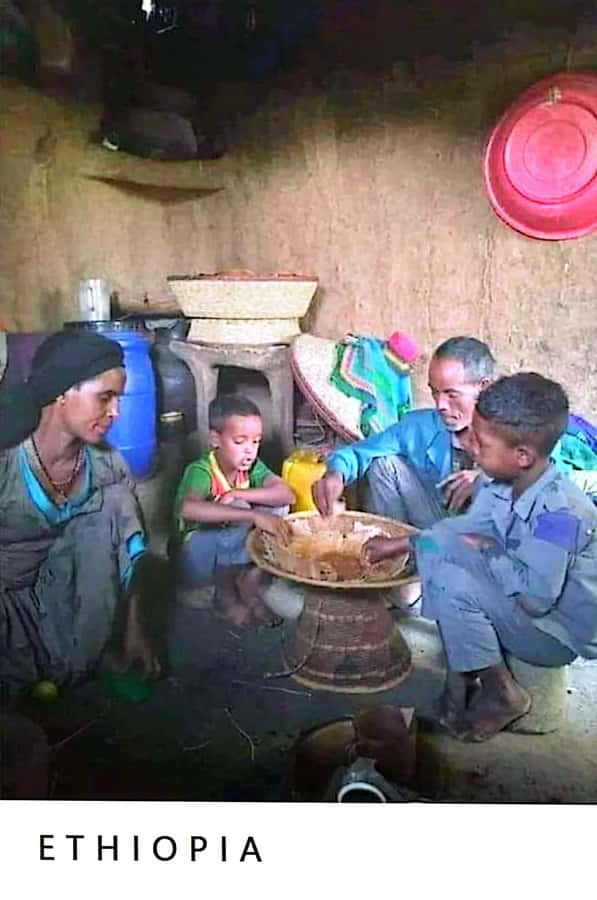
- you want a hands-on Ethiopian food experience, not just a lecture
- you’re in Addis Ababa for a short window and want a full day moment (market + museum + cooking + coffee)
- you prefer small groups, with a guide who can translate and help you connect in the kitchen
- you’re curious about the link between food and daily culture, including coffee ceremony traditions
It may be less suitable if:
- you dislike sour flavors (injera has a mild sour taste from three-day fermentation)
- you need a super-paced itinerary with lots of downtime
- you’re over the stated age limit, since it’s not suitable for people over 95
For everyone else: bring comfortable shoes and warm clothing. Addis can feel cool depending on the day, and you’ll be on your feet for parts of the outing. A camera is also a good idea because the day mixes market scenes, museum moments, and food you’ll want to remember.
Should you book Vowland Ethiopia’s Addis Ababa full cooking class?
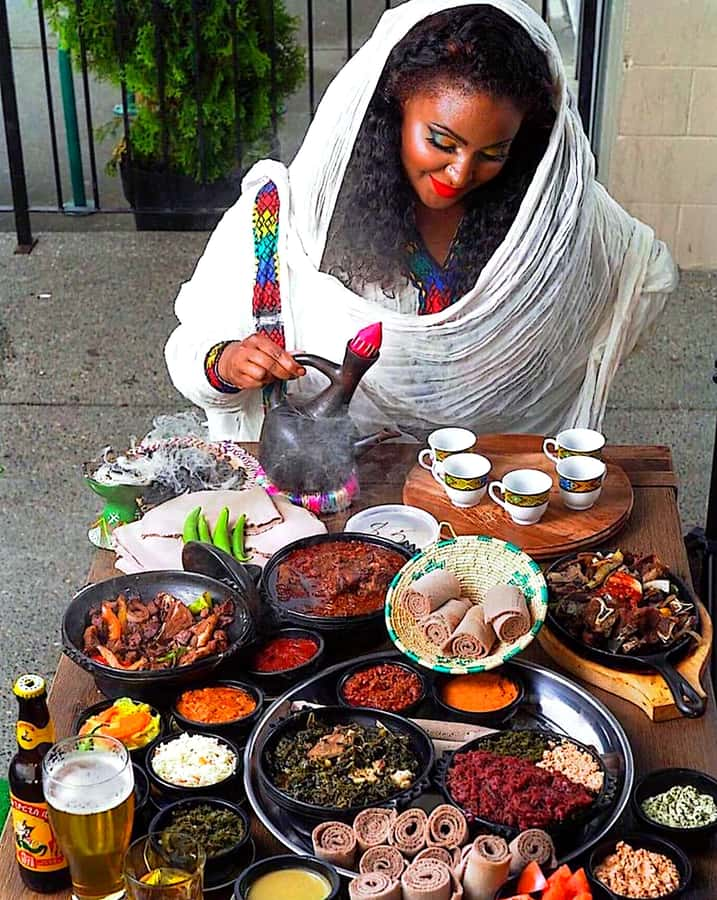
If you want an authentic Ethiopian food day that connects to Addis Ababa itself—market energy, Lucy at the museum, a real home kitchen with Abraham and Salam, then injera, shiro wot, and coffee—this is a strong yes. The value works best when you have limited time and you want someone to handle transport and pacing.
If your priority is a long, unhurried museum visit or you’re sensitive to sour flavors in fermented foods, you might think twice. But for most people who like learning by doing, this is exactly the kind of experience that makes a city visit feel personal, not touristy.
FAQ
How long is the Addis Ababa full cooking class?
The class lasts 4 hours.
Is pickup from the airport or hotel included?
Yes. Pickup is included from the airport (with banners by your name) or from your hotel, and there is also drop-off.
What will I cook and eat?
You’ll learn to bake injera and cook Ethiopian shiro wot. Lunch is included, and you’ll also make and enjoy Ethiopian coffee as part of the class.
How big is the group?
It’s a small group limited to 7 participants.
What language will the guide speak?
The live guide speaks English and French.
What should I bring?
Wear comfortable shoes and bring warm clothing. A camera is recommended as well.
Is it possible to get a refund if plans change?
Yes. Free cancellation is available up to 24 hours in advance for a full refund.