REVIEW · ADDIS ABABA
Private Ethiopian Home Cooking Class in Addis Ababa with Transfer
Book on Viator →Operated by Traveling Spoon · Bookable on Viator
Cooking in a real home beats watching from the sidelines. You’ll spend about three hours in Addis Ababa’s Sansusi area with Hilena, a native cook who teaches using family recipes, then you sit down together to eat what you made in her home. Private home kitchen time makes it feel personal right away.
I love how practical this class is: you learn two traditional dishes step by step, then you eat them in the same setting where Ethiopians cook and share meals. I also like the Sansusi market option, where you can walk through a local street market, spot the produce that grows nearby, and pick a few ingredients before heading back to cook.
The main drawback is simple: this is a hands-on, full-food experience. If you’re not used to long cooking sessions (and big Ethiopian portions), plan your day around it.
In This Review
- Key highlights
- From Pickup to Sansusi: Getting to a real home setting
- Hilena and the translation setup: how the class really works
- Market visit in Sansusi: choosing ingredients like a local
- What you’ll cook and eat: Beyaynetu, Shiro, Genfo, and Ethiopian bread
- The home meal after cooking: the real point isn’t the recipe
- Ethiopian coffee at the end: a small finish that makes it stick
- Price and value: is $124 per person worth it?
- Who this class suits best (and who might want to think twice)
- Should you book this Ethiopian home cooking class in Addis Ababa?
- FAQ
- Is this cooking class private?
- Where does the class take place?
- How long does the experience last?
- Do you offer pickup or transfer?
- Is there an option to visit a market?
- What dishes will I eat and learn?
- Do you offer vegetarian options?
- What if I have allergies or dietary restrictions?
- Is the class taught in English?
- What is the cancellation window for a full refund?
Key highlights
- Hilena’s Sansusi kitchen: a native Addis Ababa home cook in the outskirts, around 20 km from the airport
- Two dishes plus an eating feast: expect Beyaynetu, Shiro, Genfo, and Ethiopian bread, with seasonal menu changes possible
- Optional Sansusi neighborhood street market: grains, vegetables, fruits, live chicken and sheep, and even clothing stalls
- Brother translates for Hilena: helpful throughout since Hilena isn’t very fluent in English
- Coffee at the end: you’ll finish with Ethiopian coffee in the home
- Private feel even in a busy area: Hilena runs a guest house, but your cooking class is private for your group
From Pickup to Sansusi: Getting to a real home setting
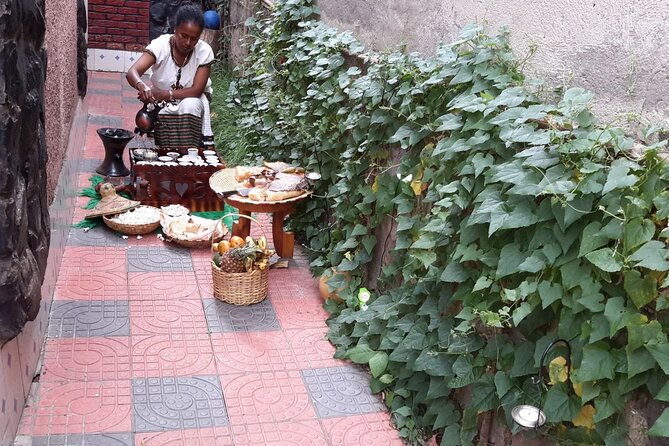
What makes this class special is where it happens. Instead of a studio kitchen, you’ll be in Hilena’s own space in Sansusi, on Addis Ababa’s outskirts. The listing says it’s about 20 km from the airport, so even if you’re staying closer in the city center, you should expect a bit of travel time before you start cooking.
Pickup is offered, which matters more than it sounds. Addis Ababa is not the place where you want to waste your energy figuring out how to get across town while you’re hungry and ready to cook. With transfer included, you can focus on the day: meet your host, get your bearings, and settle into a real cooking rhythm.
One more reality check: Hilena runs a guest house, so there may be other people moving around. But your cooking class is still private—only your group participates. Think of it as a local home experience with some background activity, not a sealed-off performance.
You can also read our reviews of more tours and experiences in Addis Ababa.
Hilena and the translation setup: how the class really works
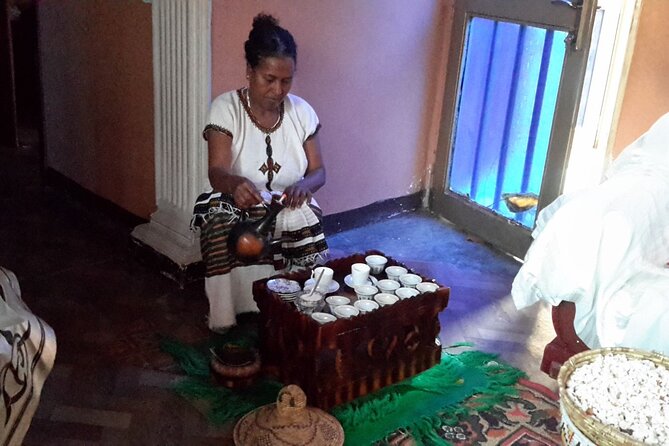
Hilena is the star here. She’s from Addis Ababa and has been cooking since childhood, which gives the whole experience a “learning from home” feel instead of a staged lesson. Since Hilena isn’t very fluent in English, her brother will be present throughout to translate and help you understand what you’re doing and why.
For you, that translation piece is huge. Cooking lessons can fall flat if you can’t ask questions or if key steps get lost in the gap between languages. Here, you’re not stuck watching your hands while someone mumbles explanations. You’ll get help from her brother so you can follow along, understand ingredients, and leave with something you can repeat later.
Also, this is described as a private, personalized experience. Even if you come with friends or family, it’s built around your group rather than rotating you through a conveyor belt of other participants.
Market visit in Sansusi: choosing ingredients like a local
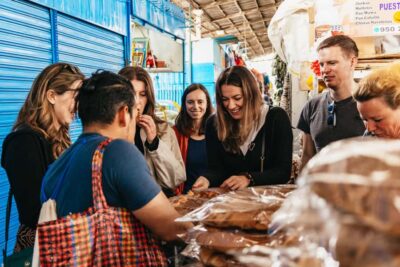
If you select the market tour option, the day starts with a neighborhood street market walk in Sansusi. This is not a curated tourist bazaar. You’ll find stalls selling grains, vegetables, fruits, and live livestock, plus other everyday items like clothing. You might see live chicken and sheep, which is part of how local food supply works.
Why this market stop is worth your time: Ethiopian cooking is ingredient-driven. When you see the produce in person, you start to understand how flavors build. You can also buy a few ingredients for your cooking class. That small “shop and cook” flow helps the recipes feel less abstract.
Practical tip: wear comfortable shoes. Market walking can be uneven, and you’ll be moving while you look at stalls and decide what to buy. If you’re sensitive to crowds or strong smells, take it slowly and give yourself a moment before jumping into the tasting and purchasing.
And if you’re thinking, I just want the cooking—skip the market. The class itself already gives you a full experience in a local kitchen. But if you like food sourcing and learning how people actually shop, this is a great add-on.
What you’ll cook and eat: Beyaynetu, Shiro, Genfo, and Ethiopian bread

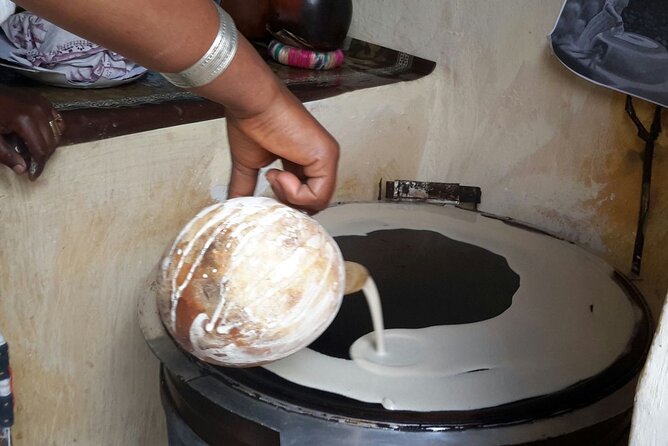
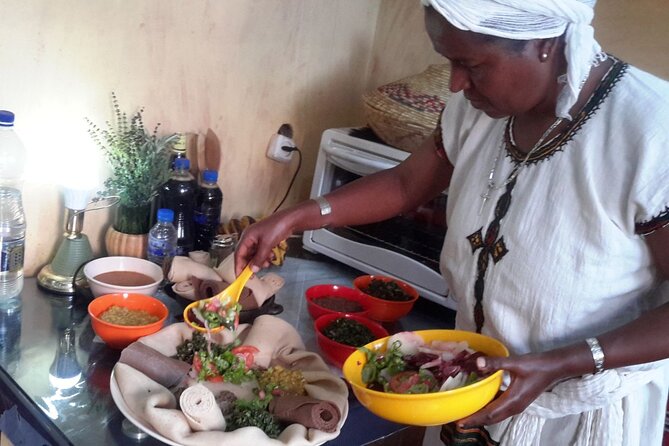
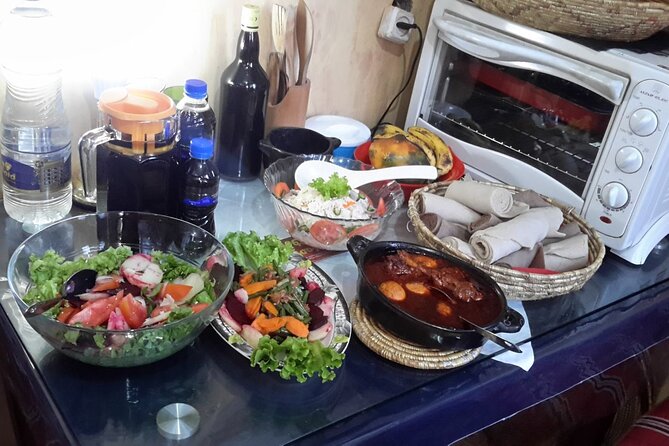
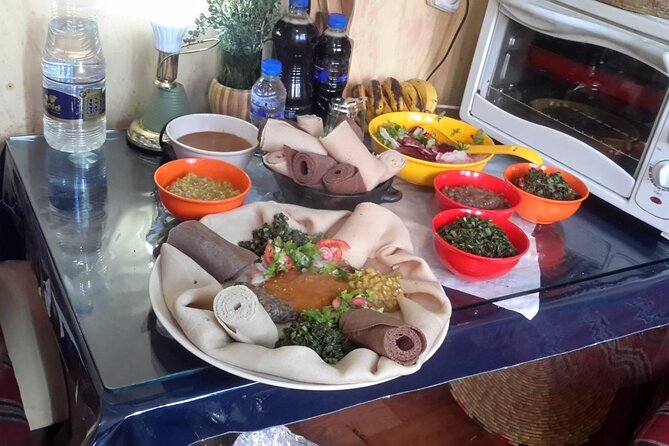
The food here is the headline, and it’s more than one pot on one burner. Your meal includes home-made Beyaynetu (vegetable platter), Shiro (chickpea stew), Genfo (porridge), and Anebabero (Ethiopian bread). The menu can vary depending on season, so don’t assume every day is identical.
Here’s what these dishes mean for your experience:
- Beyaynetu (vegetable platter) gives you the Ethiopian idea of building a meal from multiple elements. You’ll see how vegetables get prepared for a shared platter style.
- Shiro (chickpea stew) teaches a hearty Ethiopian staple. It’s a stew, but it also reflects how Ethiopian spices work—warming, layered, and not just about heat.
- Genfo (porridge) is part of the everyday food logic, where soft, comforting dishes sit alongside stews and breads.
- Anebabero (Ethiopian bread) is the bread component that turns everything into a cohesive meal. Even if you’ve eaten Ethiopian food before, bread is the piece that helps you understand how people actually eat together.
What you should expect from the pace: the class is hands-on and then you sit down as a family would. One of the best pieces of feedback from people who’ve done this is that it’s educational and very welcoming, but also long, with a lot of food. So yes, come hungry. You’re not just nibbling your way through a lesson.
The home meal after cooking: the real point isn’t the recipe
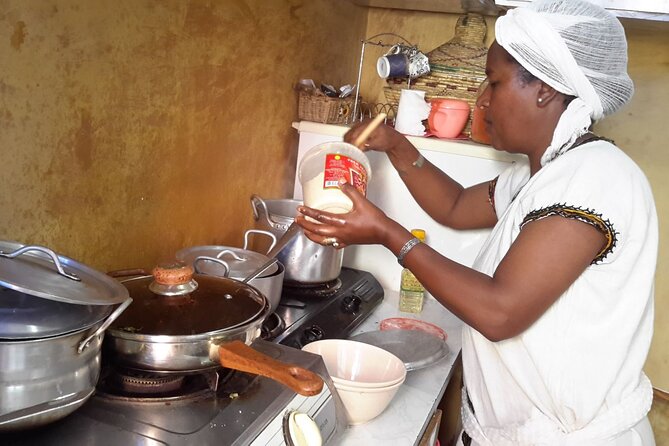
Cooking classes can be about showing you steps. This one goes a step further by focusing on how you eat and how a meal is shared. After you cook, you’ll enjoy your meal together in Hilena’s home.
That matters because Ethiopian meals often feel social even when you’re eating quietly. The platter style encourages everyone to taste, pick, and compare. You’ll get more than a boxed-up recipe; you’ll learn the flow of a home meal—what comes with what, and how the parts fit together.
And there’s something else going on that people appreciate: the warmth. The feedback highlights a lovely family welcome, where you’re treated like someone being invited into their routine. It’s not only about skills. It’s about people.

Ethiopian coffee at the end: a small finish that makes it stick
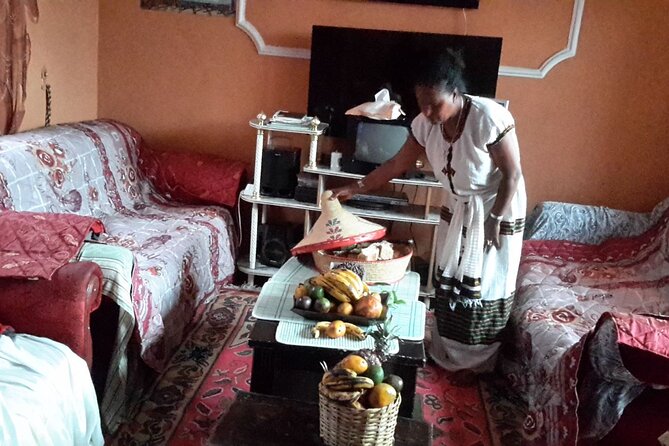
The tour ends with coffee. Ethiopian coffee isn’t just a beverage here; it’s a cultural cue that the meal has reached its close.
In practical terms, this coffee stop gives you a buffer. You finish cooking, eat, and then you can slow down. It’s a soft landing after a full session. If you’ve had a long travel day before this class, coffee is a friendly way to reset.
If you’re someone who doesn’t love coffee, you can still enjoy the moment, but the listing specifically calls out a cup of delicious Ethiopian coffee, so plan on it being part of the ending.
Price and value: is $124 per person worth it?
At $124.00 per person, this sits in the mid-range for a private food experience. The key value drivers are: private instruction, a local home kitchen setting, and pickup/transfer.
If you compare it to restaurant meals, you’re paying for education plus the full cooking-and-eating experience. If you compare it to group cooking classes, you’re paying for privacy and personalization. That private “only your group” factor tends to make a difference, especially in cooking lessons where questions matter.
Also, the timing matters. The class is about three hours. You’re not getting a quick taste-and-go session. You’re learning two dishes and eating a meal built around them. When you add the market option (if you choose it), you’re also paying for ingredient discovery and a more complete food story.
Finally, the class is seasonally flexible. Menu may vary by season, which can be a plus if you like authenticity. It means you’re not necessarily doing a scripted set of dishes that never changes.
Who this class suits best (and who might want to think twice)
This is a great fit for you if:
- you want a hands-on cooking lesson, not a lecture
- you like local food culture that includes sharing a meal
- you enjoy market visits and understanding ingredients
- you’re comfortable spending a few hours fully focused on cooking and eating
It may be less ideal if:
- you don’t handle long cooking sessions well
- you prefer very light, short experiences
- you’re extremely sensitive to seeing live livestock at a market (if you add the market tour)
One more note: “Most travelers can participate.” That’s broad, but the class is active enough that you should be prepared to stand, chop, and cook alongside the process.
Should you book this Ethiopian home cooking class in Addis Ababa?
If you want a food experience that feels real—home cooking, shared meals, and a host who teaches from family recipes—this is an easy “yes” to consider. The strongest promise here is not just the dishes, but the setup: private class time, Sansusi location in a local home, translation support from Hilena’s brother, and a coffee finish.
Book it if you’re excited to learn Beyaynetu, Shiro, Genfo, and Ethiopian bread in a way that actually connects to how people eat. Skip it only if you’re looking for a quick sampler or you’d rather avoid a fuller, longer day with a lot of food.
If you’re planning a trip around Addis Ababa’s food scene, this is one of the most direct ways to get inside daily life—through the stuff you can taste and remember.
FAQ
Is this cooking class private?
Yes. It’s a private tour/activity, and only your group participates.
Where does the class take place?
It takes place in a local home kitchen in Sansusi, Addis Ababa (in the outskirts), about 20 km from the airport.
How long does the experience last?
The cooking class duration is about 3 hours.
Do you offer pickup or transfer?
Yes. Pickup is offered, and the experience includes transfer.
Is there an option to visit a market?
Yes. You can choose a market tour option where you walk through a neighborhood street market in Sansusi and may buy some ingredients.
What dishes will I eat and learn?
The meal includes Beyaynetu (vegetable platter), Shiro (chickpea stew), Genfo (porridge), and Anebabero (Ethiopian bread). Menu may vary depending on the season.
Do you offer vegetarian options?
Vegetarian option is available. You should advise at time of booking.
What if I have allergies or dietary restrictions?
If you have allergies, dietary restrictions, or cooking preferences, you should advise at time of booking. The menu may vary depending on the season.
Is the class taught in English?
Hilena isn’t very fluent in English, but her brother will be present throughout the experience to help translate.
What is the cancellation window for a full refund?
You can cancel up to 2 days in advance for a full refund. If you cancel within 2 days, there is no refund.