REVIEW · RHODES
Rhodes: Cooking Class & Lunch at a Traditional Farmhouse
Book on GetYourGuide →Operated by Rhodes Cooking Class · Bookable on GetYourGuide
Olive trees and cooking lessons in one day. The Rhodes Cooking Class turns a simple lunch into a hands-on Rhodian food day in a traditional 1950s eco farmhouse setting, with fresh ingredients you pick yourself before you cook. You’ll learn Mediterranean-style methods and the Rhodian way of doing things, then eat what you made in an outdoor garden surrounded by 100+ olive trees.
One catch: getting to the farmhouse takes some planning, since it’s off the main drag. I’d build in extra time for the meeting point near Archangelos, or arrange a transfer if you don’t want any guesswork with taxis.
5 big reasons this farmhouse cooking class works
- Pick-your-own organic vegetables from the garden before cooking
- Small, family-run feel with lots of chat as you work
- Hands-on Rhodian cooking paired with context about the Mediterranean diet
- Lunch in the olive grove with unlimited alcoholic and non-alcoholic drinks
- You leave with recipes and photos so the day keeps going after Rhodes
In This Review
- A 1950s eco farmhouse cook day, with 100+ olive trees nearby
- Getting to the meeting point near Archangelos (and why transport matters)
- The garden walk: where your lunch starts before the stove
- Cooking Rhodian dishes the hands-on way (and how the class pacing feels)
- What you can expect to cook (based on past menus)
- Mediterranean diet lessons you’ll actually use at home
- Lunch under the olive trees: the part everyone remembers
- Price and value: what $97 buys you in the real world
- Who should book this farmhouse class in Rhodes
- What to bring and how to make the day smoother
- Should you book Rhodes Cooking Class & Lunch at a Traditional Farmhouse?
- FAQ
- How long is the Rhodes Cooking Class & Lunch at a Traditional Farmhouse?
- Where do we meet, and where does the experience end?
- Is transportation included?
- What’s included with the class and lunch?
- What language will the guide speak?
- Is the experience wheelchair accessible?
A 1950s eco farmhouse cook day, with 100+ olive trees nearby
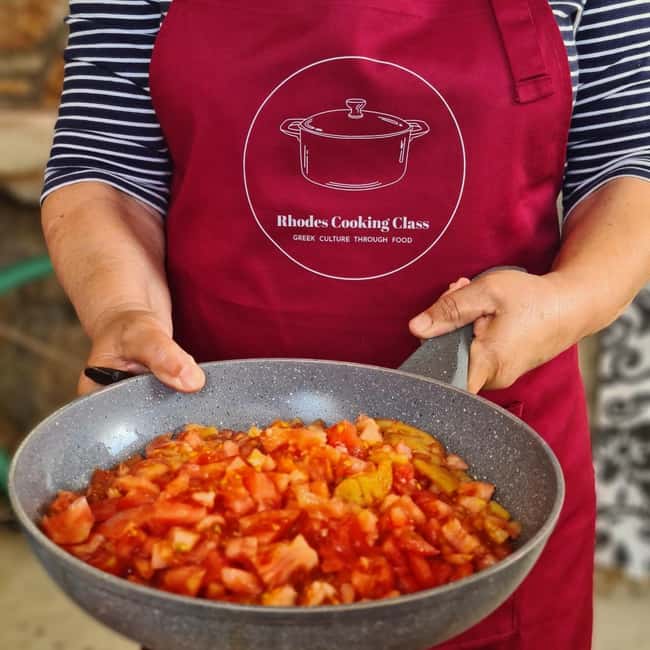
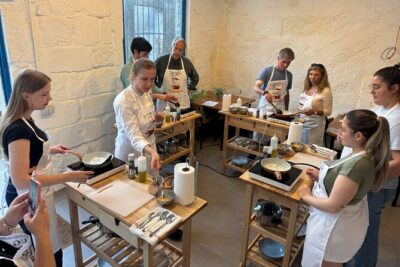
This isn’t a rushed demo class. The vibe is more like showing up to a working farmhouse kitchen and outdoor garden, then turning that day’s ingredients into a full meal together. You’re in a traditional farmhouse built around the rhythms of Rhodes—fresh produce, outdoor prep, and meals meant for lingering.
What makes the setting more than just pretty is how it shapes the food. When you’re surrounded by olive trees and greenery, you understand why Rhodian cooking leans so hard on ingredients that grow locally: vegetables, herbs, olive oil, and dishes that rely on flavor and technique rather than heavy sauces.
Expect the day to be warm, social, and very hands-on. In the classes described, hosts like Michael and his family (including Maria and Michalis) keep things friendly and inclusive, so even if your cooking skills are rusty, you’ll still feel useful at the cutting board and the stove.
Getting to the meeting point near Archangelos (and why transport matters)
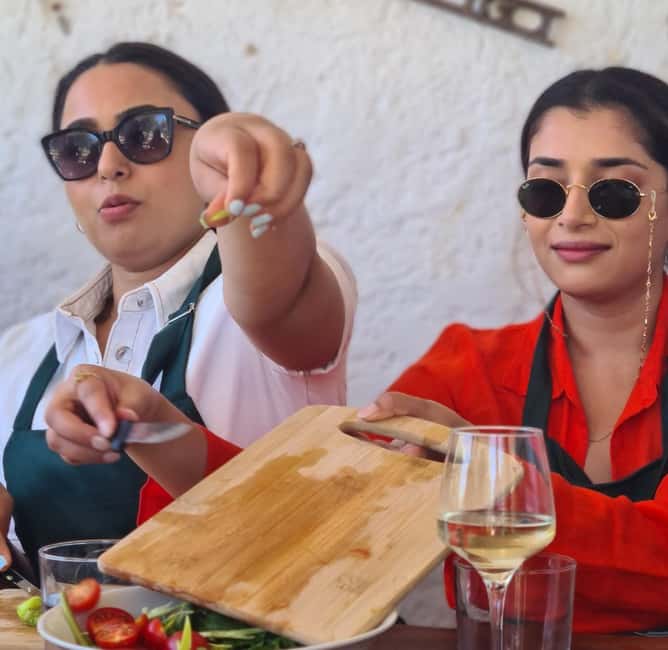
You start at a specific spot: next to the bus station of the health center outside Archangelos village. Your guide will be wearing a Rhodes Cooking Class t-shirt. That part is clear.
The practical challenge is the last stretch. The farmhouse is in the hills—reachable, but not ideal for a random taxi driver who doesn’t have the directions. More than one person noted that taxis can be tough to locate the right spot, and one even suggested booking a transfer or using your own car so you’re not late or scrambling.
So here’s what I’d do:
- If you’re staying anywhere “a bit away” from Archangelos, consider arranging the optional transfer.
- If you’re using a hired car, plan for the drive and arrive early enough to settle in.
This is the kind of activity where lateness can cut into the flow, since your garden walk and early prep set the tone for the whole meal.
You can also read our reviews of more tours and experiences in Rhodes.

The garden walk: where your lunch starts before the stove
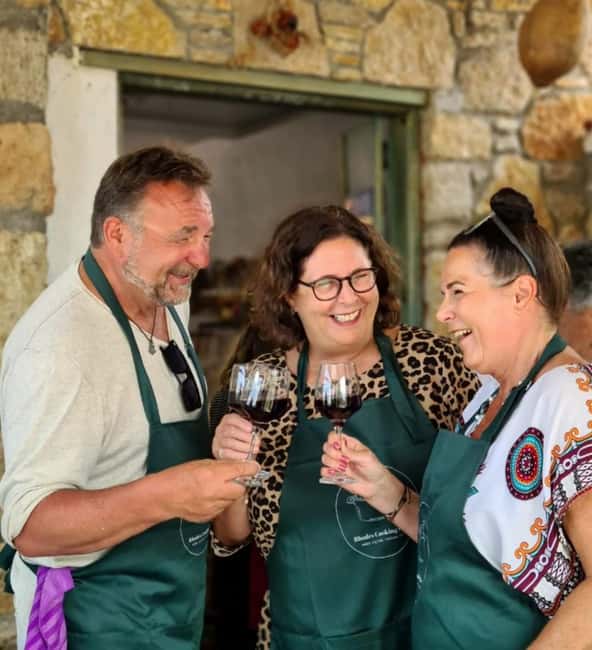
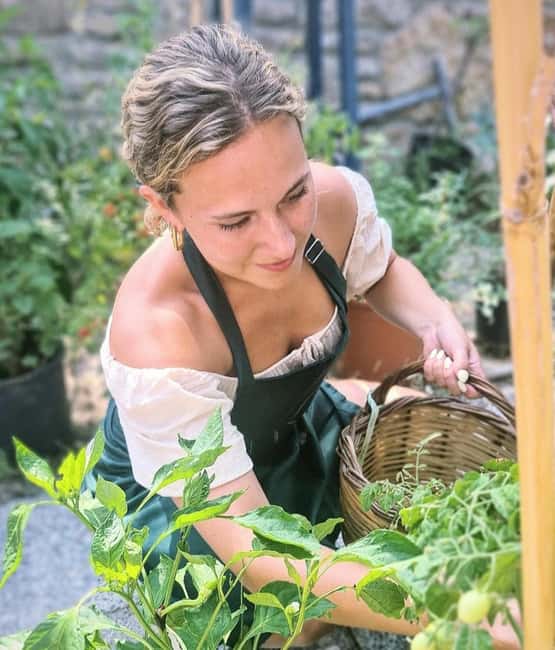
Once you arrive, the day typically begins with a stroll around the organic garden. This isn’t just a quick look. You pick the fresh vegetables you’ll cook with—so you’re not only eating Rhodes, you’re bringing it into your meal with your own hands.
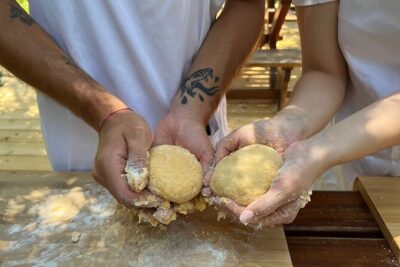
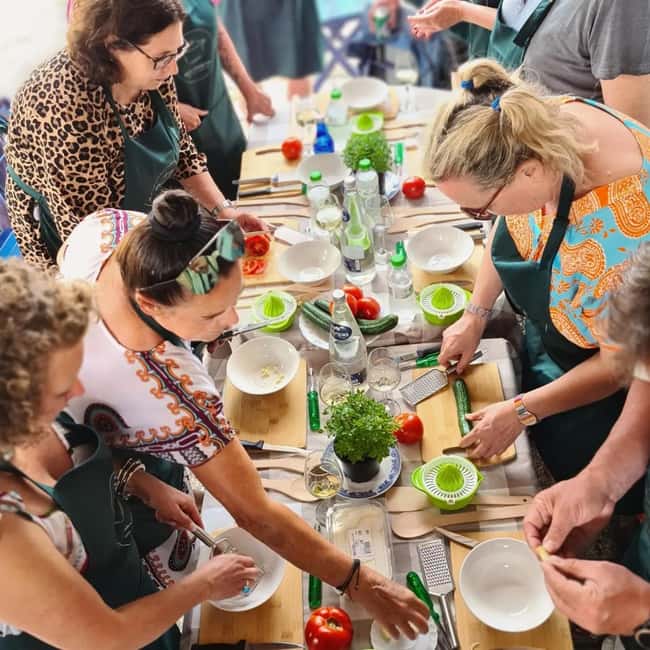
From there, you move into prep. Some tasks may feel lighter depending on the group and timing (for example, chopping tomatoes and parsley or rolling vine leaves), but the point is that you’re involved in real food work, not just watching from a corner. Even if most of the ingredients are already portioned, you’ll still get moments where your hands matter—mixing, assembling, slicing, or shaping parts of the meal.
You should also expect it to be outdoors. Reviews describe warm conditions and an herb-heavy garden at times, which means sunglasses and comfortable clothes aren’t just nice—they help you stay focused on cooking instead of sweating through it.
Cooking Rhodian dishes the hands-on way (and how the class pacing feels)
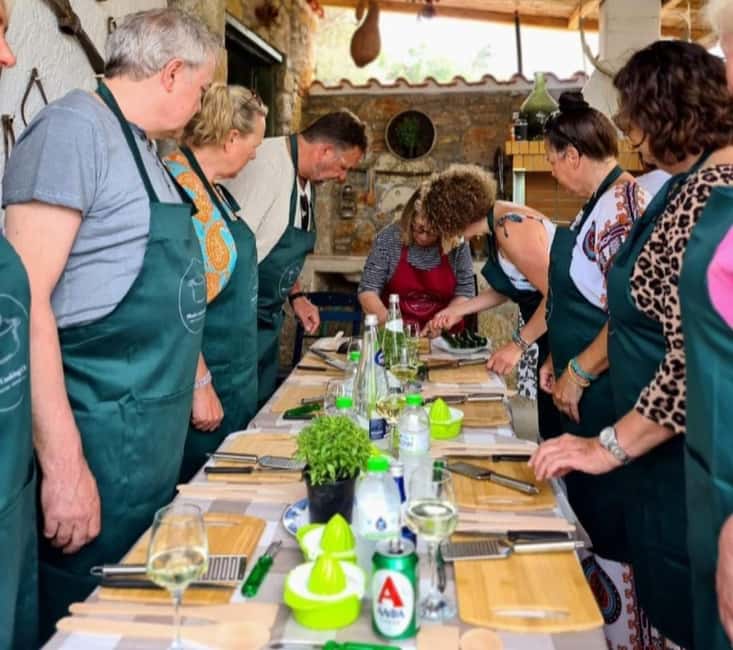
The class centers on Rhodian cuisine and the Mediterranean approach to eating. You’ll learn cooking methods and the practical “secrets” behind local flavors, with an English-speaking guide (and Greek support as well). Along the way, hosts share how the family cooks and how the ingredients should behave—more “do this, taste that” than textbook lectures.
Here’s the balancing truth: one benefit of a family-run class is that you’ll get included. The reality is that in some sessions, not every step is equal. Some people have reported doing a lot of hands-on prep, while others felt they did less actual cutting/technical cooking than they expected.
My advice: go in with the right mindset. If you want serious chef-work nonstop, this may not feel like a hardcore culinary school. But if you want:
- authentic Rhodian flavor,
- a friendly group day,
- and a meal that tastes like you made it,
then this hits the mark.
You might see slow-cooked dishes prepared outdoors (one description mentioned a slow-cooked stew using an outside wood burner), plus classic sides and fresh salads. The goal is that you understand how the pieces come together into a full Rhodian lunch.
What you can expect to cook (based on past menus)
The exact dishes can vary, but several sessions described include combinations like:
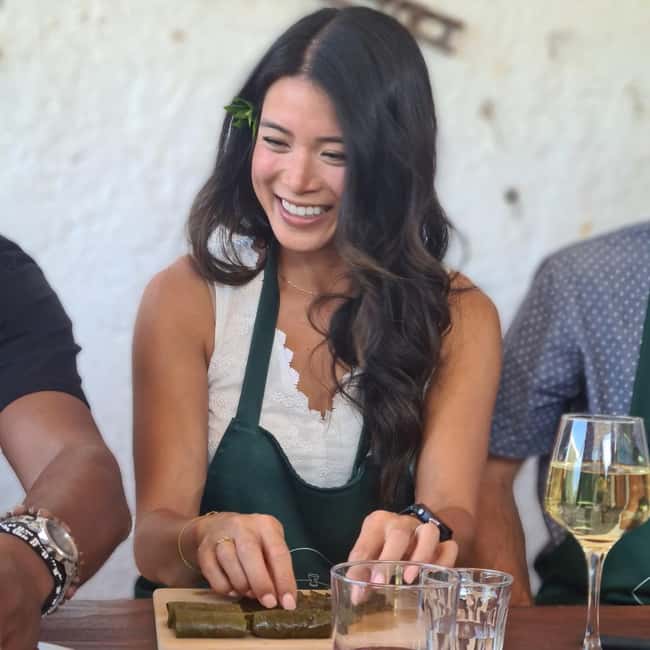
- dolmades (vine leaves)
- Greek salad
- stifardo/stew-style beef dishes
- tatziki (or similar yogurt-based prep)
- eggplant and onion vegetable dishes
And you’ll usually end up with bread and multiple sides alongside the main course.
Don’t stress about memorizing the menu before you arrive. Treat it as a “cook what’s in season” day where the host guides you through it.
Mediterranean diet lessons you’ll actually use at home
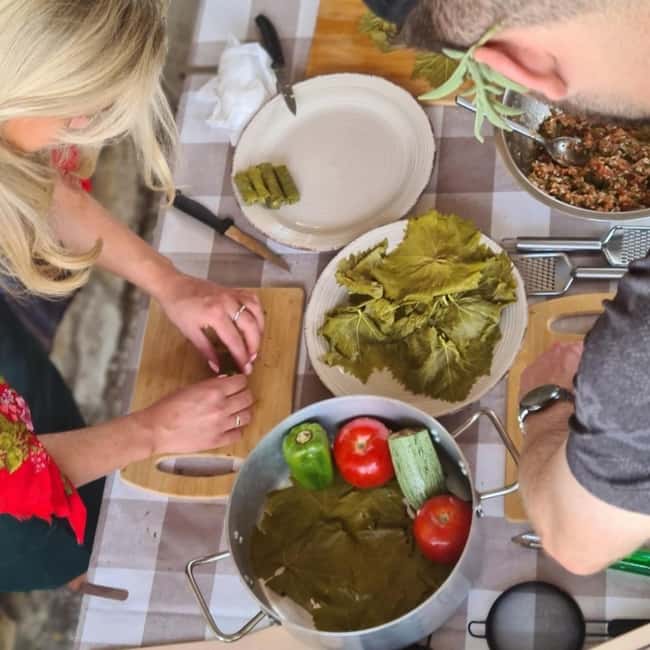
The class doesn’t just teach recipes—it teaches why the food works. You’ll get the “secrets” of the healthy Mediterranean diet through what you’re making: vegetables gathered from the garden, olive oil and herb-driven flavor, and meals built to balance freshness with hearty comfort.
This is where the farmhouse style matters. When you’re cooking in an outdoor garden space and eating in that same environment, you notice texture and freshness. It’s harder to hide behind complicated sauces. And that’s exactly what makes the recipes useful later.
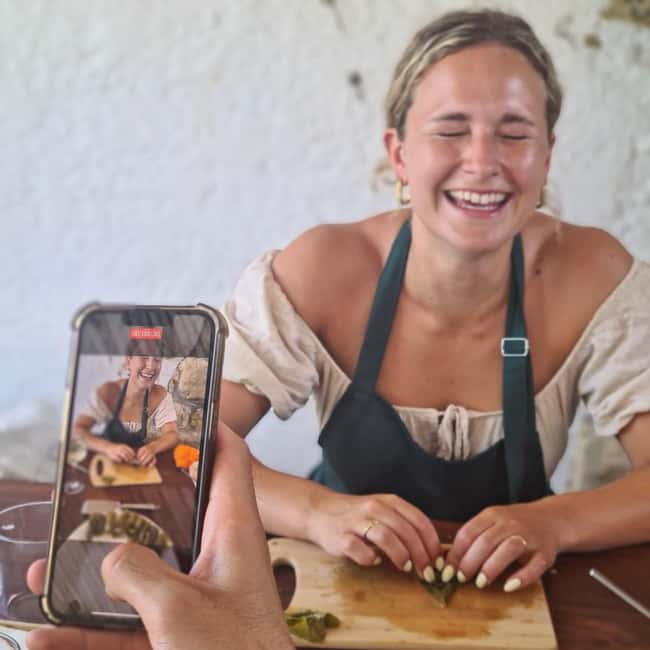
One strong takeaway: you’ll get all recipes and commemorative photos, and some hosts share recipe lists quickly (one person described receiving the recipe information on the same day via WhatsApp). If you like cooking at home, this matters more than you might think, because you’re not stuck with vague memories—you have the structure to repeat the dishes.
Lunch under the olive trees: the part everyone remembers
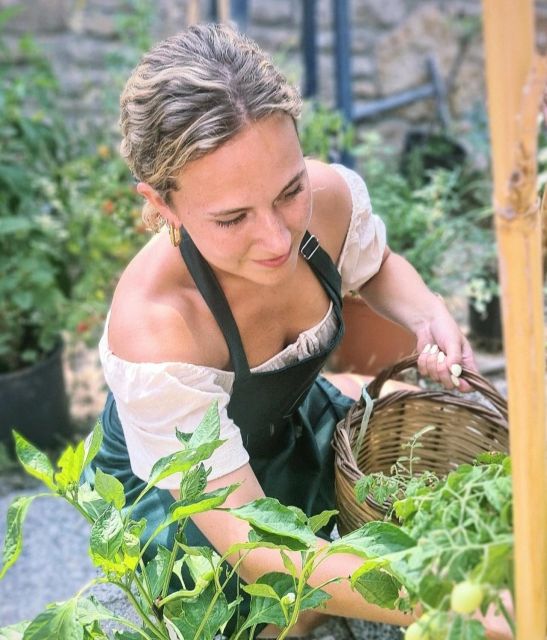
At the end, you sit down to the full meal you helped prepare. This is served in the garden area surrounded by more than 100 olive trees—shade if you’re lucky, breeze if it’s moving, and a real “we’re here for lunch” feel.
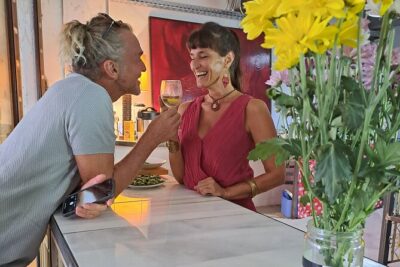
Drinks are part of the experience. Lunch comes with unlimited alcoholic and non-alcoholic drinks, and multiple descriptions mention the wine being freely flowing. That doesn’t mean it turns into chaos, but it does mean your conversation time stretches naturally. You’ll likely chat with other people during and after the meal, and since the hosts are family-run, the tone can feel personal—like you’re being fed, not processed.
Also: go hungry. Even with a few hours of prep, the final spread tends to be generous—multiple dishes plus sides and bread.
Price and value: what $97 buys you in the real world
At $97 per person for about four hours, this sits in the “worth it if you like food” category. Is it cheap? No. But it’s also not just a tasting. You get:
- hands-on cooking instruction,
- an experienced local English-speaking guide,
- lunch you helped cook,
- unlimited drinks with that lunch,
- use of kitchen gear (including an apron and protective items),
- and recipes plus photos.
When you look at the total package, the value comes from three places:
1) Ingredient-first experience (you pick produce from the garden)
2) Full meal outcome (you don’t leave hungry or still needing dinner)
3) Aftercare (recipes and photos so it’s more than a one-day story)
You’re also in a setting that feels like someone’s home. Multiple descriptions highlight the welcoming family atmosphere and the intimate feel, with one group size reported around eight people. That small feel helps justify the price because you’re not just another number in a big bus tour meal.
Who should book this farmhouse class in Rhodes
This experience fits best if you:
- want a break from museum mode and beach mode and crave a social, food-centered day,
- like Mediterranean cooking and want techniques you can repeat,
- enjoy being active (cutting, mixing, assembling) even if not every step is heavy prep,
- want something more local than the usual tourist-food format.
It can be less ideal if you:
- rely on wheelchair access (the experience is not suitable for wheelchair users),
- hate outdoor heat and don’t like being outside for parts of the day,
- expect a strict, professional culinary training course with nonstop advanced cooking.
What to bring and how to make the day smoother
Plan like this is partly a garden visit, partly a kitchen class, and partly a slow lunch.
Bring:
- comfortable shoes (outdoor ground and kitchen work)
- sunglasses
- comfortable clothes
- cash
Cash makes sense because market purchases of traditional products aren’t included, and if you’re tempted by local items, you’ll want the option to buy. Also, being comfortable helps you focus on learning instead of adjusting clothing and shoes.
One more practical tip: if you’re going without a transfer, leave extra time to get to the meeting point by Archangelos. The activity runs about four hours total, and the schedule works best when you arrive ready to start.
Should you book Rhodes Cooking Class & Lunch at a Traditional Farmhouse?
If you want one of your Rhodes days to be warm, hands-on, and tied to real food—this is a strong yes. The combination of garden picking, cooking instruction focused on Rhodian cuisine, and a sit-down lunch under 100+ olive trees is exactly the kind of experience that turns into a useful souvenir: recipes you can cook again.
Book it if your travel style includes chatting, eating well, and learning by doing. Skip it (or at least read carefully and plan your transport) if you’re very sensitive to getting to off-road locations, or if you expected a high-intensity cooking workshop with constant advanced technique.
Either way, treat it as a family-style Rhodes lunch day. If that sounds like your kind of travel, you’ll likely leave with full stomachs and better skills than you arrived with.
FAQ
How long is the Rhodes Cooking Class & Lunch at a Traditional Farmhouse?
The activity lasts about 4 hours. Starting times vary, so you’ll want to check availability for the specific slot you want.
Where do we meet, and where does the experience end?
You meet next to the bus station of the health center outside Archangelos village, and your guide will be wearing a Rhodes Cooking Class t-shirt. The tour ends back at the same meeting point.
Is transportation included?
Hotel/villa transfer is optional and not included. You should plan your own way to the meeting point and the farmhouse, or arrange the optional transfer if you want easier logistics.
What’s included with the class and lunch?
You get a hands-on cooking lesson with an experienced local English-speaking guide, lunch with unlimited alcoholic and non-alcoholic drinks, a garden stroll where you pick fresh organic vegetables, kitchen gear like an apron and utensils, and you also receive recipes and commemorative photos.
What language will the guide speak?
The instructor offers English and Greek.
Is the experience wheelchair accessible?
No. It is not suitable for wheelchair users.