REVIEW · RHODES
Traditional Greek COOKING class and Wine Tasting in Rhodes
Book on Viator →Operated by Rhodes Islander · Bookable on Viator
Rhodes turns dinner into a wine lesson. This small-group experience in Maritsa blends a vineyard visit, an in-depth wine tasting, and a practical Greek-food lesson that ends with the meal you helped (at least a bit) create. The scale is kept friendly, with a maximum of 19 people, so you’re not stuck half-listening in the back.
I love the way the day flows from vine to glass before you touch the kitchen, and I especially like the payoff: you sit down for a multi-course meze dinner with unlimited local wine. One thing to consider is that this is more of a wine-forward experience with a short cooking demo and optional participation, not a long, step-by-step cooking workshop.
In This Review
- Key things to know before you go
- Maritsa Village and a Family-Winery Feel
- Vineyard Walk First: How the Wine Is Made (and Why It Tastes Like It Does)
- The Cooking Part: What You’ll Make and What Hands-On Looks Like
- The Meze Meal: Unlimited Local Wine Meets Greek Comfort Food
- Distillery Finale: Pressed Grape Spirit and the How-For-Real Explanation
- Price and Value: Is It Worth $79.10?
- Who This Fits Best (and Who Might Want Something Else)
- Getting There: Start Point, Timing, and a Simple Map Tip
- What to Bring for a Smooth 3 Hours
- Quick FAQ for Rhodes Wine and Cooking Class Planning
- FAQ
- How long is the cooking class and wine tasting in Rhodes?
- Where does the experience start?
- Is pickup included?
- What dishes do you learn to make?
- Is wine included, and is it unlimited?
- What food is included in the price?
- How big is the group?
- Is participation in cooking required?
- Is there anything besides wine at the end?
- Cancellation is free—how late can I cancel?
- Should You Book This Rhodes Wine and Cooking Combo?
Key things to know before you go
- Maritsa village setting: A foodie base with a restaurant feel, not a touristy factory stop.
- Vineyard walk + cultivation talk: You learn how the vines are cared for before tasting.
- Unlimited local wine: You’re served wine during the tasting and again with dinner.
- Greek dishes you’ll taste and learn: Saganaki, feta with honey, pitaroudia, tzatziki, dolmadakia.
- Cooking participation is optional: You can watch, snack, and learn, even if you don’t want to go all-in.
- Distillery finale: You finish indoors with distillation methods and a tasting of pressed grape distillate.
Maritsa Village and a Family-Winery Feel
This experience starts in the Petaloudes area, at Estate & Restaurant Anastasia Triantafillou. From there, you’re in the hands of a small operation with a vineyard backdrop and an easy rhythm to the day. What makes it work is that you don’t jump straight to food. First you get the “why” behind the flavors: how grapes are grown, then how wine is made, then how Greek cooking fits around it.
In practice, it feels like a family dinner that got turned into a tour. You’re served, you’re explained things, and you get time to ask questions. It’s also the kind of outing that doesn’t require you to know anything about wine or cooking in advance. If you’re new to Greek wine, you’ll still get a clear picture of what matters and why.
You can also read our reviews of more tours and experiences in Rhodes.

Vineyard Walk First: How the Wine Is Made (and Why It Tastes Like It Does)
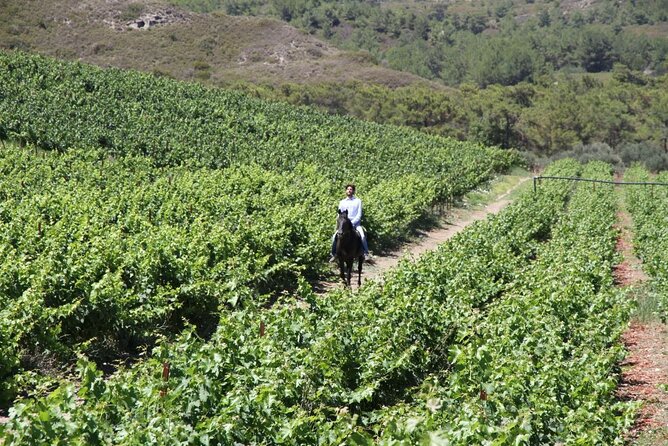
The day opens with a tour through the vineyards, where the focus is on cultivation methods and the process behind the vines. You’ll walk through the property and get a real sense of what the team pays attention to in the vineyard. That matters, because later the tasting isn’t random. It’s tied to what you just learned.
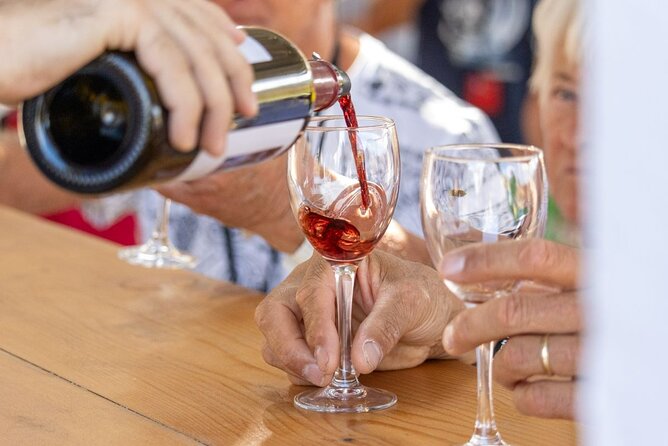
Then you head to an outdoor bar for an in-depth wine tasting. This is where you learn the oenological methods they use, so you can connect the dots between grape-growing choices and what’s in your glass. Even if you only care about drinking good wine, this part gives you better taste language: you start noticing style and approach instead of just thinking in labels.
One practical angle: you’re outside early on, and the pace is relaxed rather than rushed. If you’re going in summer heat, it’s smart to dress for warm weather and bring water habits into the plan (bottled water is included). You’ll appreciate having a break built into the schedule.
The Cooking Part: What You’ll Make and What Hands-On Looks Like
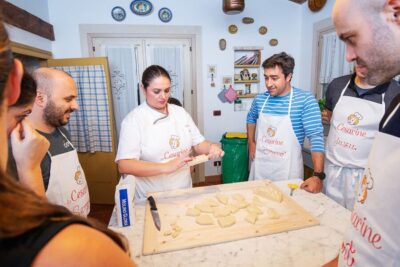
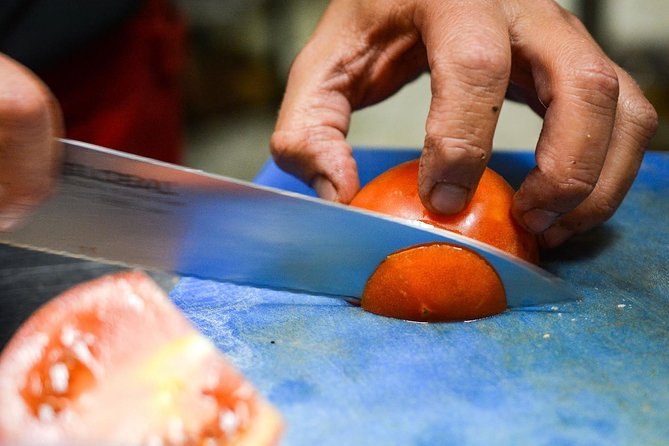
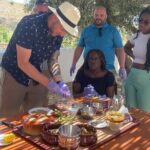
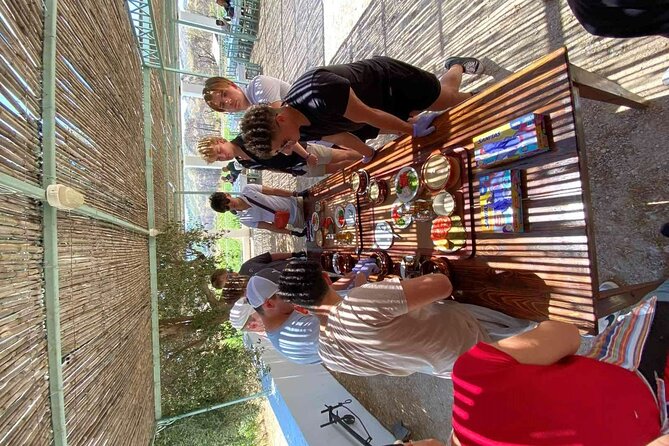
After wine tasting, you shift from “food theory” to Greek food basics. This is the cooking segment, and it’s best to set expectations correctly. Participation is optional, and the structure leans toward a short demo plus a chance to take part if you want. So if you’re expecting a full-on, instructor-led cooking bootcamp with lots of individual stations, you might feel the cooking time is shorter than the title suggests.
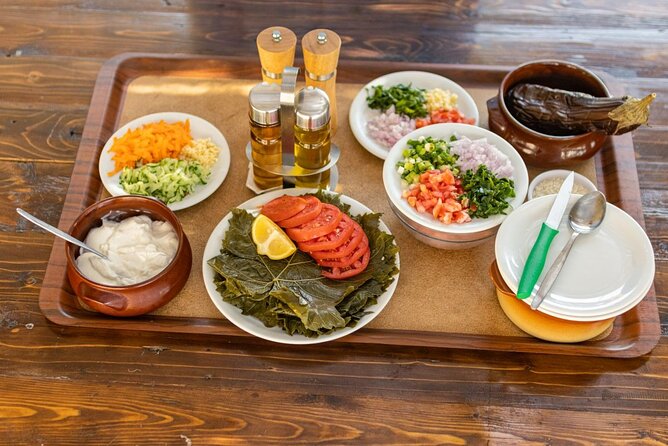
That said, you do cover classic Greek dishes, and that’s the part that makes it fun. The dishes taught include:
- Saganaki cheese
- Feta with honey
- Pitaroudia
- Tzatziki
- Dolmadakia
What you’ll likely enjoy is the way each dish connects back to the flavors you tasted earlier. Greek cooking here isn’t presented as separate from wine. It’s treated as a pairing system. You learn basic techniques and then you eat them later as part of the bigger meze table.
Also, the small group format helps. In a group of up to 19, it’s easier to get quick answers and practical tips rather than feeling like you’re watching from a distance. If you want to ask how to replicate something at home, this is the moment to do it.
The Meze Meal: Unlimited Local Wine Meets Greek Comfort Food
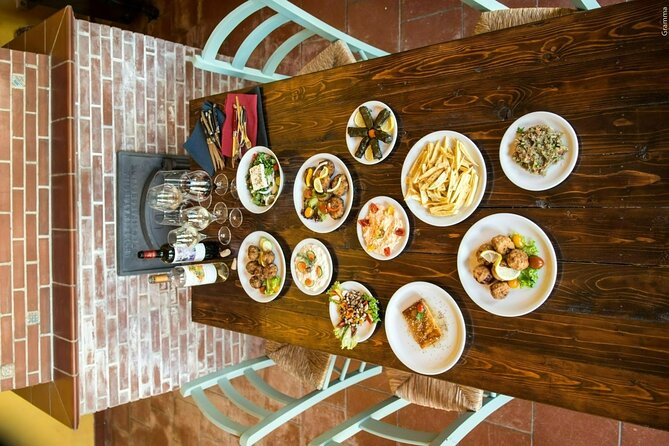
When the cooking is done, you sit down in the restaurant area overlooking the vineyards. This is where the experience turns into a proper meal. You’re served a multi-course tapas-style dinner—meze—and it follows the theme of Greek cuisine with plenty of opportunity to pair what you’re eating with what the winery produces.
The value here is real. You’re not just getting a snack plate with a couple of bites and a glass for show. The dinner is part of the core offering, and the wine flow is included: unlimited local wine during the meal, plus bottled water. That turns the day into something closer to a true food and drink plan than a quick tasting.
A smart way to experience meze is to slow down and eat in sequence, not in multitask mode. Since the courses are designed to pair with the wine, give your palate time between bites. If you rush, you’ll miss the differences from one dish to the next.
And because the setting looks out over the vineyards, it doesn’t feel like you’re dining in a random room. The view is part of why this day feels like a mini escape rather than a checklist tour.
Distillery Finale: Pressed Grape Spirit and the How-For-Real Explanation
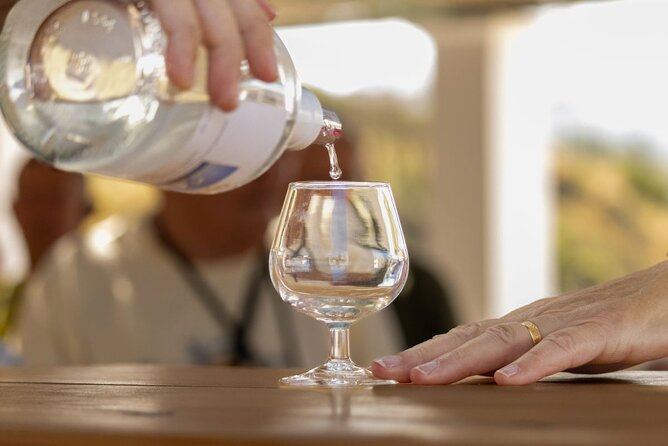
After dinner, the tour continues indoors to a distillery staging area. Here you get a clearer look at distillation methods—how they turn grapes into a local pressed grape distillate—and then you taste the spirit at the end.
This part is a nice bonus because it expands the wine focus. It reminds you that the winery isn’t just making wine. It’s working with grapes and using traditional processes to create another kind of product. Even if you don’t drink spirits often, the explanation helps you understand what you’re tasting and where it comes from.
If you’re sensitive to strong alcohol, pace yourself during dinner so you can enjoy the final tasting without feeling worn out.
Price and Value: Is It Worth $79.10?
At $79.10 per person, this isn’t the cheapest thing you’ll find in Rhodes. But it also isn’t trying to be. The value comes from the mix of included items and the time you get with them.
You’re paying for:
- a vineyard visit and wine tasting,
- a Greek cooking segment (demo plus optional participation),
- a multi-course meze dinner,
- unlimited local wine,
- and a distillery explanation plus a tasting.
On a typical day on Rhodes, you’d still spend money on dinner and at least a couple of drinks. Here, wine is folded into the plan, and you’re not stuck figuring out where to eat or what to pair. If you like the idea of learning while you eat, and you want a winery setting without the hassle of planning, this price starts to make sense quickly.
The main thing to judge is your own expectations about cooking. If you’re mainly there for an intensive cooking lesson, you may feel the cooking portion is shorter than you want. If you want a Greek food experience anchored by wine, it’s a strong deal.
Who This Fits Best (and Who Might Want Something Else)
This is a great match if you:
- want an easygoing day that combines Greek food and Greek wine,
- are new to Greek wines and want plain, practical guidance,
- enjoy small-group settings where questions are possible,
- like the idea of learning techniques and then eating what you learn.
It’s less ideal if you:
- want a long, hands-on cooking workshop with lots of prep time,
- don’t drink wine or spirits and would feel “stuck” in alcohol-focused pacing.
Since unlimited wine is included, your comfort level with alcohol matters. You can still enjoy the food and explanations, but the day is clearly built around tasting.
Getting There: Start Point, Timing, and a Simple Map Tip
The tour starts at Estate & Restaurant Anastasia Triantafillou (Petaloudes 851 06, Greece). The experience ends back at the meeting point.
A helpful practical note: the area can be easy to miss if your maps app routes you poorly. A good tip is to use Google Maps rather than Apple Maps for this particular setup. Plan to arrive a bit early so you don’t feel rushed.
Also check on transportation. Private transportation is not included. If you want pickup, it can be arranged for an extra cost. If you’re already in Petaloudes or nearby, you may be able to manage on your own—but if you’re traveling farther, budget for the convenience of pickup.
Because the day is around three hours, being late can throw off your flow. Arrive on time and enjoy the first vineyard walk instead of joining midstream.
What to Bring for a Smooth 3 Hours
You get bottled water, but I still suggest you bring a few basics:
- sunscreen and something for sun protection if you’re visiting in warm months,
- comfortable shoes for walking vineyard paths,
- a phone with the mobile ticket ready for the start,
- and a light layer if it cools down later.
Since cooking participation is optional, you don’t need special gear. Still, it’s smart to wear clothes you’re comfortable in if you end up doing a small amount of prep or handling ingredients.
The pacing is friendly, but it does move in a logical order: vineyards, tasting, food, meal, then distillery tasting. If you go into it expecting that rhythm, you’ll enjoy it more.
Quick FAQ for Rhodes Wine and Cooking Class Planning
FAQ
How long is the cooking class and wine tasting in Rhodes?
It runs for about 3 hours.
Where does the experience start?
It starts at Estate & Restaurant Anastasia Triantafillou, Petaloudes 851 06, Greece.
Is pickup included?
Private transportation is not included, but pickup can be arranged for an extra cost.
What dishes do you learn to make?
The class covers saganaki cheese, feta with honey, pitaroudia, tzatziki, and dolmadakia.
Is wine included, and is it unlimited?
Yes. You get local wine, and it’s listed as unlimited, along with alcoholic beverages and bottled water.
What food is included in the price?
Dinner is included. After the cooking portion, you’re served a multi-course tapas-style meal (meze).
How big is the group?
The maximum group size is 19 travelers.
Is participation in cooking required?
Participation is optional for the cooking part.
Is there anything besides wine at the end?
Yes. After dinner, there’s a distillery segment where you learn about distillation methods and taste local pressed grape distillate.
Cancellation is free—how late can I cancel?
You can cancel up to 24 hours in advance for a full refund.
Should You Book This Rhodes Wine and Cooking Combo?
If you want a fun, wine-focused afternoon that still teaches you real Greek dishes (and ends with a proper meze dinner), I’d book it. It’s especially good for first-timers who want to understand Greek wine without sitting through a stiff lecture.
Just go in with the right expectation: the cooking portion is shorter and more demo-style, with optional participation. If you’re hunting for a full hands-on cooking workshop, you may want a more cooking-heavy option instead. But if your ideal Rhodes day is vineyards, tastings, classic Greek bites, and then a long meal with unlimited local wine, this one fits the bill.