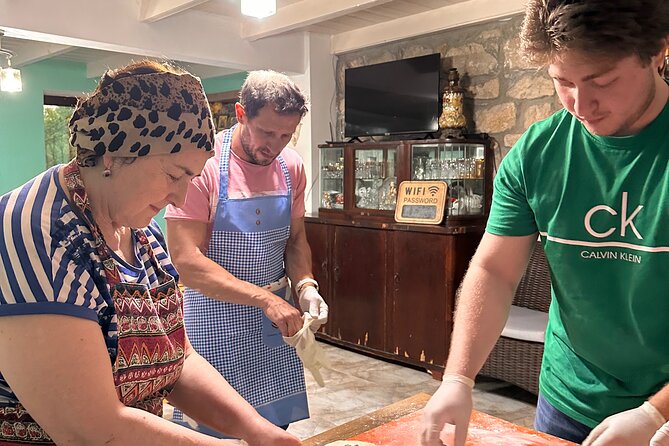
A home kitchen in Kutaisi beats any class room. You’ll cook with a welcoming family, learning hands-on how Georgian favorites come together, then sit down and enjoy what you made. I especially liked the warm hosting and the fact that everything happens in a traditional home setup, not some staged demo.
Second, I loved the way the menu turns into a real meal: you’ll make khinkali, learn khachapuri, and round it out with seasonal pkhali. Homemade wine is part of the evening, and it genuinely makes the whole thing feel like culture at the table.
One thing to plan for: the meeting point may not show correctly on Google Maps. Do a quick search for the specific house address so you don’t waste time wandering.
In This Review
- Key Highlights You’ll Care About
- A Family Table in Kutaisi Where Georgian Food Gets Real
- What You’ll Cook: Eggplant Rolls, Khinkali Dumplings, and Khachapuri
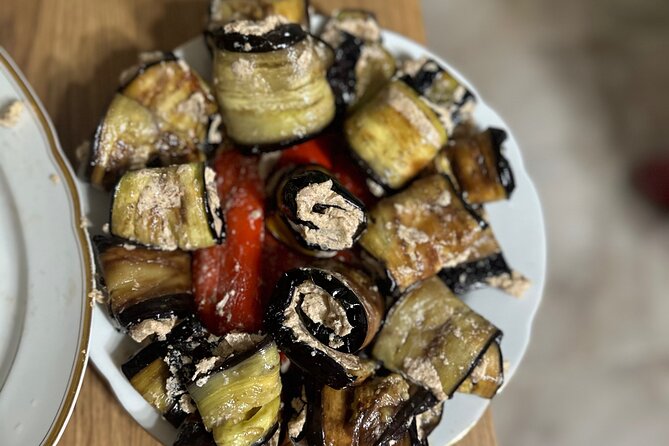
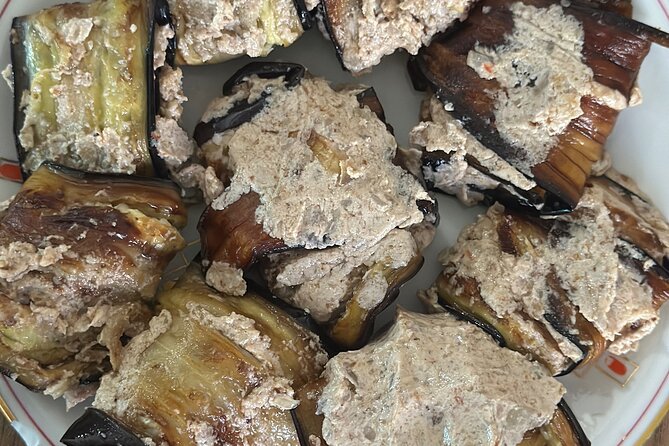
- Nigvziani Badrijani (Eggplant Rolls with Walnut Paste)
- Khinkali (Juicy Georgian Dumplings)
- Khachapuri (Cheese-Filled Bread)
- Seasonal Pkhali and Walnut Spreads: A Side That Isn’t Really a Side
- The Hosts: Luca and His Grandparents Make This Feel Personal
- Timing, Duration, and How the Evening Flows
- Price and Value: Why $35 Feels Fair for What You Get
- Getting There: The 7PGJ+46 Meeting Point Shortcut
- Where to Stay: Four Seasons in Kutaisi (If You Need a Backup)
- Who This Cooking Class Is For (and Who Might Skip It)
- Should You Book This Kutaisi Georgian Cooking Class?
- FAQ
- What dishes are included in the Georgian cooking class in Kutaisi?
- How long is the cooking class?
- What is the meeting point?
- Is the tour private?
- Is the class offered in English?
- Does the class include homemade wine?
- Do I need to bring anything?
- Is it close to public transportation?
- Can most travelers participate?
- What’s the price?
- Is there free cancellation?
Key Highlights You’ll Care About
- Family-led, home-kitchen cooking with real local ingredients and a relaxed pace
- Hands-on Georgian classics: nigvziani badrijani, khinkali, khachapuri, and seasonal pkhali
- Homemade wine with your meal, so you’re not just watching food happen
- Helpful guidance in English from the hosts, including Luca and his grandparents
- Private group experience, so it feels personal even if you’re traveling with others
A Family Table in Kutaisi Where Georgian Food Gets Real
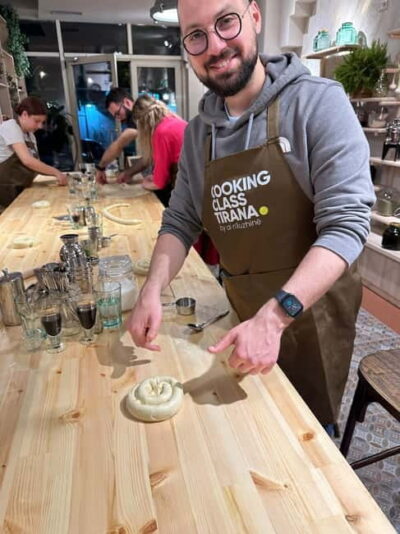
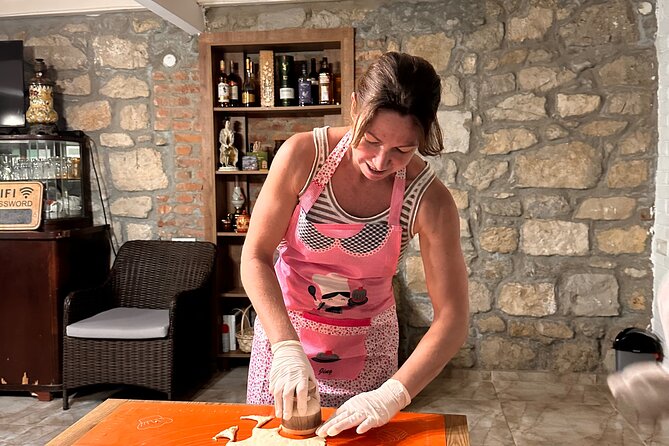
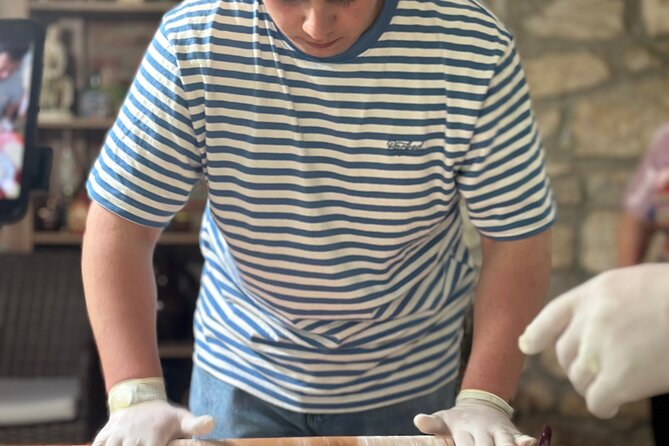
Kutaisi has a way of making food feel personal. This class takes place in a family home kitchen, which changes the whole tone. Instead of standing back and snapping photos, you cook beside the people who actually make this food for their own family.
I liked how the evening feels like a two-way visit. Luca and his grandparents guide you through the dishes, explain what’s going on, and keep the vibe light. You’re not just collecting recipes; you’re understanding why these dishes show up at Georgian tables so often.
The food also arrives with structure. You start with a starter (eggplant rolls with walnut paste), move to the main event dumplings, and finish with cheese-filled bread plus seasonal pkhali. By the end, you’ll likely feel that classic post-meal moment: full, satisfied, and still slightly impressed you managed to make it.
What You’ll Cook: Eggplant Rolls, Khinkali Dumplings, and Khachapuri
The best part of this experience is that you learn the core Georgian comfort foods, not just one dish. The menu centers on three dishes you’ll hear about again and again in Georgia, and you’ll get hands-on practice with each.
Nigvziani Badrijani (Eggplant Rolls with Walnut Paste)
Your starter is nigvziani badrijani, eggplant rolls filled with walnut paste. This is the kind of dish that looks simple once you see it, but takes some care to get the roll and filling right. You’ll be working with local ingredients and learning how the eggplant and walnuts work as a team: soft, savory, and nutty in a way that feels distinctly Georgian.
If you’re the kind of person who likes food with a bit of depth (nuts, herbs, earthy flavors), this is usually the dish that makes you slow down and pay attention.
Khinkali (Juicy Georgian Dumplings)
Then comes khinkali, the dumplings that are basically a Georgian event all by themselves. You’ll learn to make them as part of the class, and the emphasis is on doing it together with the family. The result is the kind of dumpling that feels juicy and satisfying, not dry or heavy.
This is also the part where you’ll get the most from having hosts right there with you. Even with language support in English, it’s helpful when someone can show you what they mean with their hands.
Khachapuri (Cheese-Filled Bread)
Next is khachapuri—cheese-filled bread. The sample menu lists it as one main, but in practice the class often covers more than one style. One review specifically called out learning two different types of khachapuri, and also mentioned homemade cheese used in the process. That matters, because cheese is everything here. When the dough and the cheese are treated well, it turns into that stretchy, comforting bite you remember long after.
If you’re a cheese person, this section of the evening can become your favorite fast.
Seasonal Pkhali and Walnut Spreads: A Side That Isn’t Really a Side
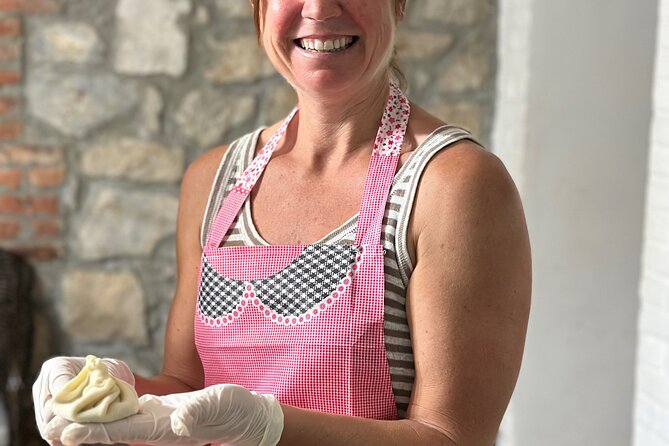
Between the dumplings and the bread, you’ll also make fresh seasonal pkhali, vegetable and walnut spreads. The seasonal part is key: you choose whether it’s spinach or leek, and that changes the whole flavor direction.
Pkhali is one of those Georgian foods that quietly teaches you about balance. Walnut paste brings richness and a slightly earthy depth, while the chosen vegetable brings freshness. Even if you think of it as a side, the way it shows up in the meal makes it feel like an important plate, not an afterthought.
This is also where the “culture at the table” idea clicks. You’re not just learning a cooking technique; you’re seeing how Georgian meals build flavor in multiple ways—warm mains plus cool or room-temp spreads, then bread to pull it all together.
The Hosts: Luca and His Grandparents Make This Feel Personal
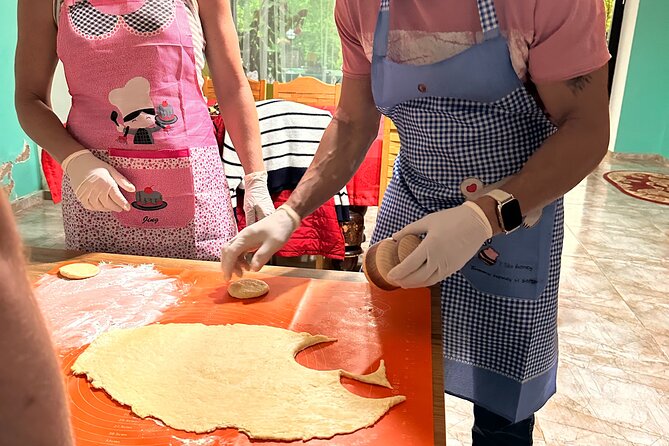
Plenty of cooking classes teach recipes. The difference here is the people. Luca and his grandparents guide you through the evening and keep things lively, with real attention to whether you’re following along.
From the feel of the night, they don’t treat the class like a performance. They treat it like hosting. That shows up in the pacing (you get time to learn and ask), and in the mood (it’s friendly, not rushed).
One of the strongest takeaways from the experience is how welcoming it feels even if you’re solo. The class is private, so it’s only your group, which makes it easier to get help and to enjoy the meal without feeling like you’re part of a crowd.
Timing, Duration, and How the Evening Flows
This is a 2-hour (approx.) activity. That timing is a sweet spot. Long enough to actually cook and eat, short enough that you don’t feel like you’ve lost your whole evening.
The flow is straightforward: you start at the meeting point, you cook together in the traditional kitchen, then the activity ends back at the same meeting point after you’ve eaten. Reviews also mentioned that the evening ends with a small dinner together, which matches the overall structure of tasting and eating the dishes you helped make.
So plan it like a real dinner plan. Come hungry, and give yourself room after for a slow walk. It’s easy to leave stuffed.
Price and Value: Why $35 Feels Fair for What You Get
At $35 per person, this class doesn’t try to look cheap by offering tiny tastings. You’re learning multiple dishes, working with local ingredients, and ending with homemade wine and a meal.
The value comes from three places:
- You cook more than one course (starter, mains, bread, and seasonal pkhali).
- It’s hosted in a family home kitchen, which usually means more hands-on attention.
- The experience includes homemade wine, so it’s not just cooking—it’s the full table experience.
Private, English-language-friendly, and built around real food prep: that’s why it feels like a good deal rather than a tourist-only snack session.
Getting There: The 7PGJ+46 Meeting Point Shortcut
The meeting point is listed as 7PGJ+46 Kutaisi (and the same area shown on the listing). Here’s the practical tip that matters: Google Maps may not display the address correctly, so you should search for the specific house address.
If you’re arriving by foot or taxi, take 2 minutes to check your route on your phone before you leave. If you’re using public transportation, it’s described as near public transit, which is helpful—just don’t rely on Maps to nail the exact door without double-checking.
Where to Stay: Four Seasons in Kutaisi (If You Need a Backup)
If you haven’t booked lodging yet, there’s a comfortable family guesthouse option available: Four Seasons In Kutaisi. It’s included as an available accommodation pathway tied to the experience, so it can solve a real travel problem quickly—especially if you’re trying to coordinate a short stay in Kutaisi.
I’d still treat it like a convenience option, not a reason to book the class blindly. But if you’re flexible and want everything close and easy, it’s a useful extra.
Who This Cooking Class Is For (and Who Might Skip It)
This class suits you if you want:
- A hands-on Georgian food evening, not just a guided tasting
- A smaller, private group vibe where you can ask questions
- English support while you learn dishes like khinkali and khachapuri
- A culture moment centered on cooking, food, and conversation with the family
It might not be your best fit if you want a super structured, cookbook-style lesson where every step is timed tightly and explained like a workshop. This is friendlier than that. It’s more about cooking together and eating as a group.
Should You Book This Kutaisi Georgian Cooking Class?
If you like Georgian food and you want to learn more than one dish, I think it’s an easy yes. The strongest part isn’t only the menu—it’s the fact that the class is hosted in a home kitchen by Luca and his grandparents, with homemade wine and a meal that feels genuinely shared.
Book it if you want a memorable Kutaisi evening that gives you both practical cooking skills and a family-table perspective. Consider skipping only if you hate the idea of using a local home as your kitchen setting, or if you’re the type who needs a super clear address on every map app without any extra checking.
FAQ
What dishes are included in the Georgian cooking class in Kutaisi?
The class covers nigvziani badrijani (eggplant rolls with walnut paste), khinkali (Georgian dumplings), khachapuri (cheese-filled bread), and fresh seasonal pkhali (vegetable and walnut spreads, such as spinach or leek based on your choice).
How long is the cooking class?
It lasts about 2 hours.
What is the meeting point?
The meeting point is listed as 7PGJ+46 Kutaisi (Kutaisi, Georgia), and the activity ends back at the same meeting point.
Is the tour private?
Yes. It’s a private tour/activity, and only your group participates.
Is the class offered in English?
Yes, the experience is offered in English.
Does the class include homemade wine?
Yes. You’ll enjoy homemade wine along with the food you make.
Do I need to bring anything?
Nothing specific is stated. A mobile ticket is provided, so you’ll want to have that on your phone.
Is it close to public transportation?
Yes, it’s described as near public transportation.
Can most travelers participate?
Most travelers can participate.
What’s the price?
The price is $35.00 per person.
Is there free cancellation?
Yes. You can cancel for a full refund up to 24 hours in advance of the experience start time.