REVIEW · HANOI
Vegetarian Hanoi Cooking Class: Master Vietnamese Cuisine
Book on GetYourGuide →Operated by Up Travel · Bookable on GetYourGuide
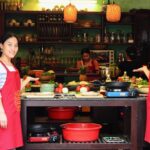
A Hanoi morning that feeds you twice. You start with a wet market run, then cook at a local home and sit down to eat what you made. What makes this class especially fun is the focus on vegetarian Vietnamese flavor, not just “no meat” substitution.
I like how the day is built around real ingredients. You’ll meet local vendors in Ngoc Ha’s market, sample seasonal fruit and spices, and learn what actually gives vegetarian dishes their depth. One possible drawback: if you’re hoping for a rigid menu you’ll already know, this experience can adjust the plan based on what you buy together and your preferences.
The second thing I really like is the hands-on teaching. With an English-speaking home chef and guidance through knife skills and traditional techniques, you’re not just watching—you’re cooking. Consider this if you’re short on time or dislike markets; the morning shopping portion is a meaningful chunk of the experience.
In This Review
- Key takeaways before you go
- Why a Hanoi vegetarian cooking class works better than a restaurant meal
- Ngoc Ha wet market: the part that makes your cooking click
- From street to home: what “hands-on” looks like here
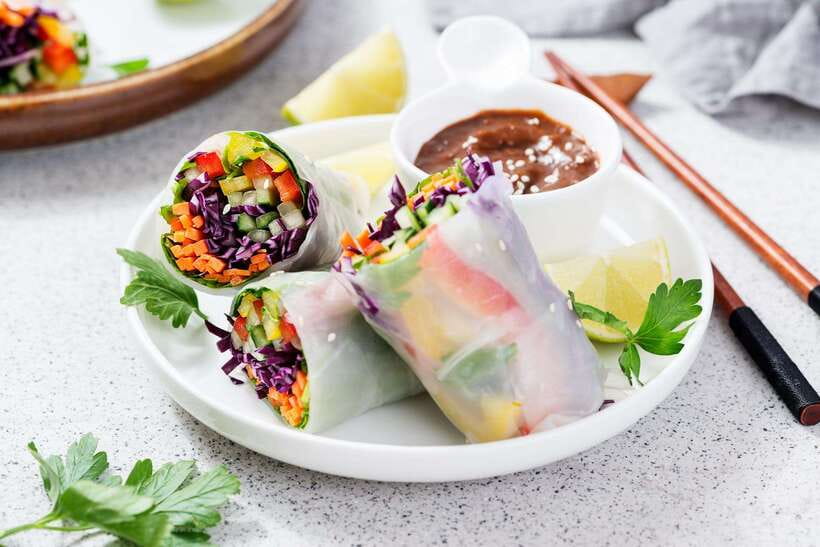
- The vegetarian menu: four iconic dishes, built for you
- Cooking skills that travel well back home
- The feast: eating with your hosts (and why it matters)
- Transfers, showers, and the little comfort wins
- Price and value: what $34 buys you in Hanoi
- Who should book this class (and who might skip it)
- Should you book the Vegetarian Hanoi Cooking Class?
- FAQ
- How long is the vegetarian Hanoi cooking class?
- Where does pickup and drop-off happen?
- What language is the instruction in?
- What will we cook during the class?
- Is the class vegetarian only, or are vegan options available?
- Are ingredients and cooking equipment provided?
- What should I bring?
- Can I cancel for a refund or reserve without paying right away?
- Is there anything I’m not allowed to bring?
Key takeaways before you go
- Ngoc Ha market time: shopping with vendors so your meal starts with the right ingredients
- English-speaking home chef: clear steps and traditional technique while you cook
- Hands-on knife skills: you’ll learn how to prep, not just what to eat
- Four iconic dishes (up to five private): a full menu you can recreate at home
- Sit-down vegetarian feast: you finish by eating with your hosts and fellow cooks
Why a Hanoi vegetarian cooking class works better than a restaurant meal
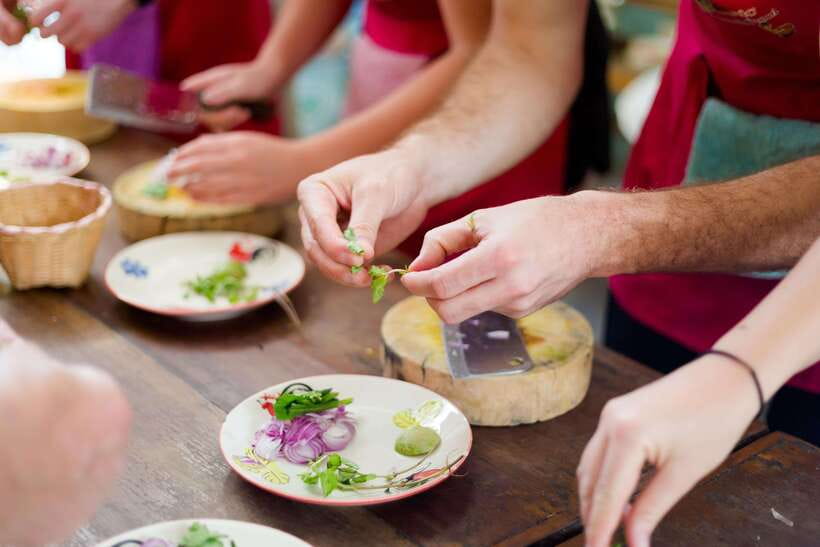
A restaurant meal is great. But it doesn’t usually teach you why a dish tastes the way it does. This class does.
You get a guided path into Vietnamese vegetarian cooking. That matters because many people think vegetarian means bland, or that it’s all about swapping tofu for meat. Here, you learn the structure of flavor—herbs, aromatics, sauces, and textures—so the dishes feel like proper Vietnamese food, not a compromise.
Also, doing this in Hanoi—not a cooking studio far from daily life—keeps things grounded. You’re shopping from what people actually eat and cooking with what the home cooks use day to day.
You can also read our reviews of more tours and experiences in Hanoi.
Ngoc Ha wet market: the part that makes your cooking click
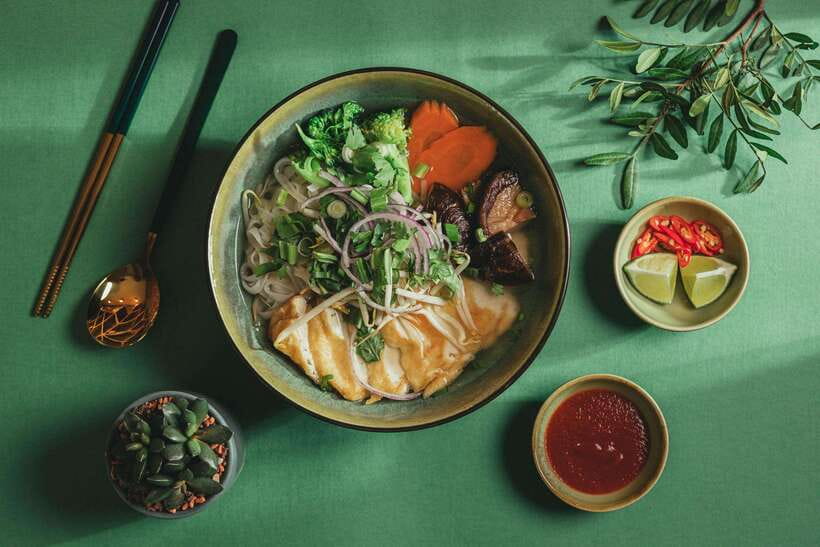
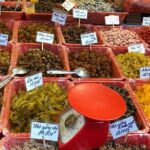
Your day begins with a local market tour in Ngoc Ha, where vendors are selling fresh produce, spices, and vegetarian items. This is more than a photo stop. The market is where your menu starts forming.
Here’s what you should pay attention to during the walk:
- How different herbs and aromatics are used (and why Vietnamese dishes smell the way they do)
- How spices are handled and sold, and which flavors show up in vegetarian versions
- Seasonal fruit you’ll sample, which helps you understand the sweet balance Vietnamese cooks often aim for
You’ll also get a chance to talk with vendors. That’s where you can ask questions about ingredients and how they’re used in real home cooking. If you’ve never cooked Vietnamese food before, this section gives you the vocabulary. You start learning what to look for when you later try to recreate the dishes at home.
One small reality check: markets take time, and they’re active. Comfortable shoes help a lot. Don’t show up in sandals unless you enjoy foot pain as a hobby.
From street to home: what “hands-on” looks like here
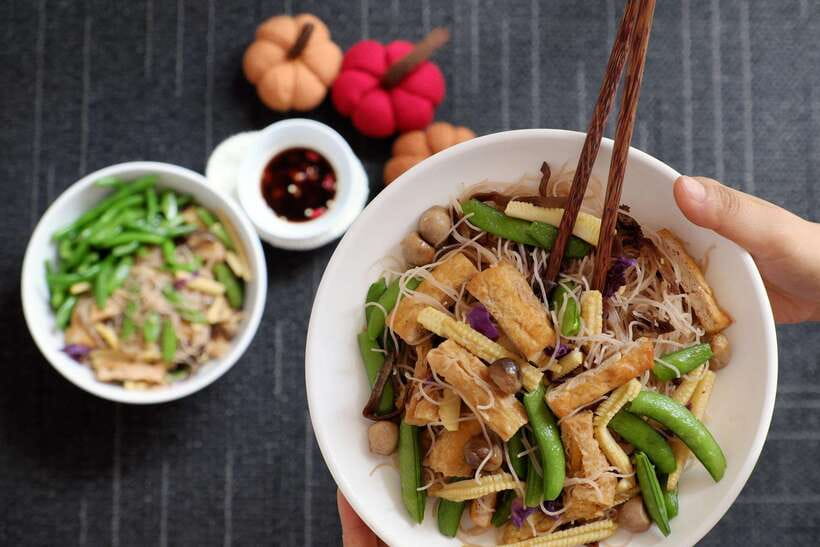
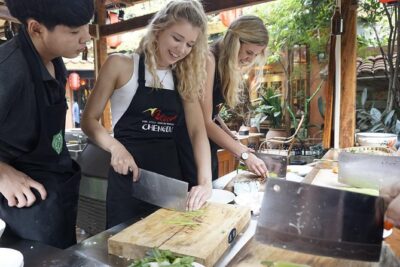
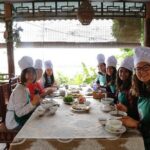
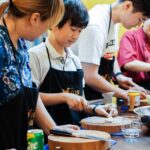
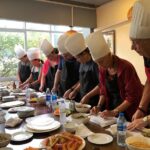
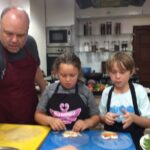
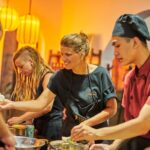
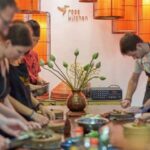
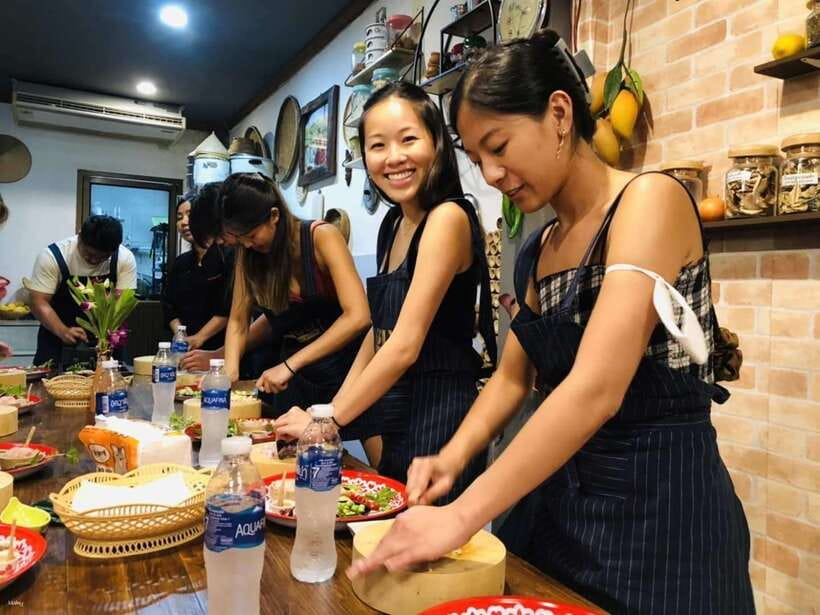
After the market, you head to a local home for the cooking portion. The goal is simple: you cook the dishes yourself, with a professional English-speaking home chef guiding you.
What makes this feel practical is that you’re taught technique as you go. The info explicitly mentions learning proper knife skills and traditional cooking methods. In plain terms, you’ll get instruction on prep and pacing, not just ingredients.
This matters for two reasons:
- You’ll understand how cuts affect texture in Vietnamese vegetarian dishes.
- You’ll be able to repeat the workflow later at home.
The cooking setup includes all the ingredients and cooking equipment. So you’re not hunting around for specialty items while hungry and tired. You also get a welcome drink and snacks before you start, which helps your energy levels when the market has you walking and tasting.
Group size is either private or small, which changes the feel. With a smaller group, you’ll usually get quicker help when questions pop up—especially if your Vietnamese cooking experience is limited.
The vegetarian menu: four iconic dishes, built for you
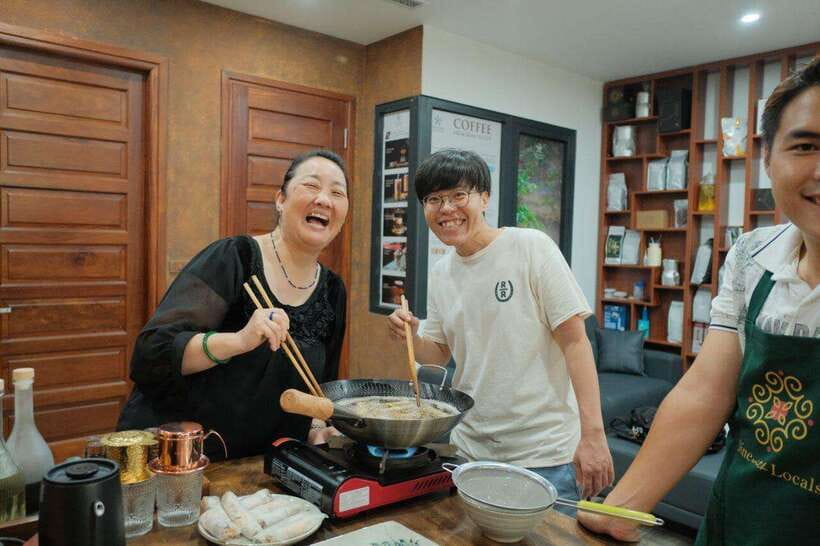
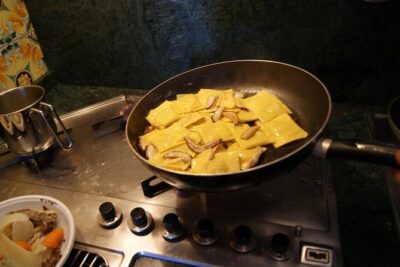
You’ll cook four iconic Vietnamese dishes as part of the class. If you book a private option, the experience can expand to up to five dishes and the menu can be customized.
The practical part: you aren’t stuck with a generic vegetarian menu. You’re encouraged to share your vegetarian preferences, and the plan is developed with the guidance of your chef as you buy ingredients together.
Even if you’re not vegan, ask about options. One of the standout themes from instructor-led experiences with this operator is that vegetarian and vegan choices can be available for the menu. That’s a big deal for dietary comfort, since some sauces and garnishes can be the tricky part.
If you have allergies, tell them ahead of time. The experience notes that you can share allergies and discuss them when you meet—then the market shopping and menu plan can reflect that.
Also, don’t underestimate how much you can learn from cooking the same dish multiple ways. In Vietnamese cooking, small changes in herbs, acid, and seasoning can transform the whole plate.
Cooking skills that travel well back home
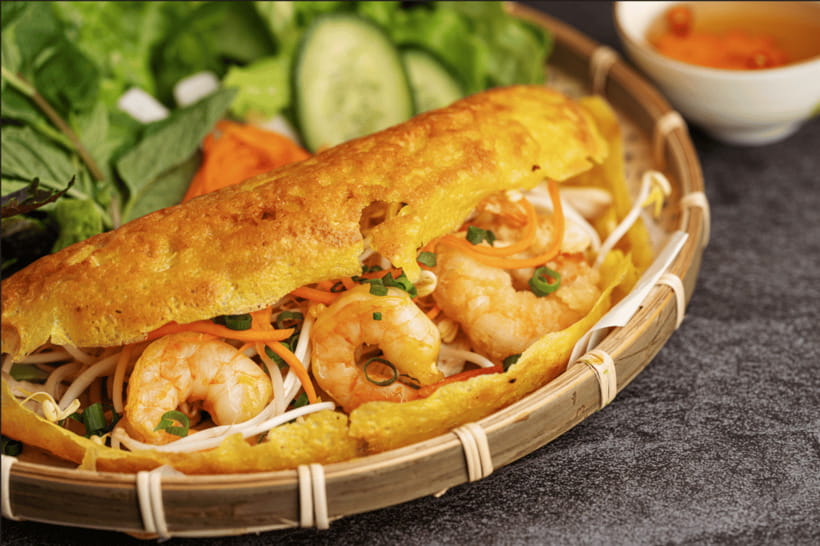
This is the part I’d emphasize if you’re deciding whether it’s worth your money.
A lot of cooking classes give you a recipe card and call it a day. This one is designed to leave you with working knowledge:
- Knife skills for Vietnamese-style prep
- Traditional techniques taught during cooking
- Confidence to recreate dishes at home, not just to follow directions once
That last point is key. Vietnamese vegetarian cooking uses layers of flavor. When you learn what those layers are, you can adapt later with what’s available where you live.
I also like that the class ends in an actual meal. You’re not just cooking for the process. You cook to eat, and you’ll get a chance to compare what you made with what you learned.

The feast: eating with your hosts (and why it matters)
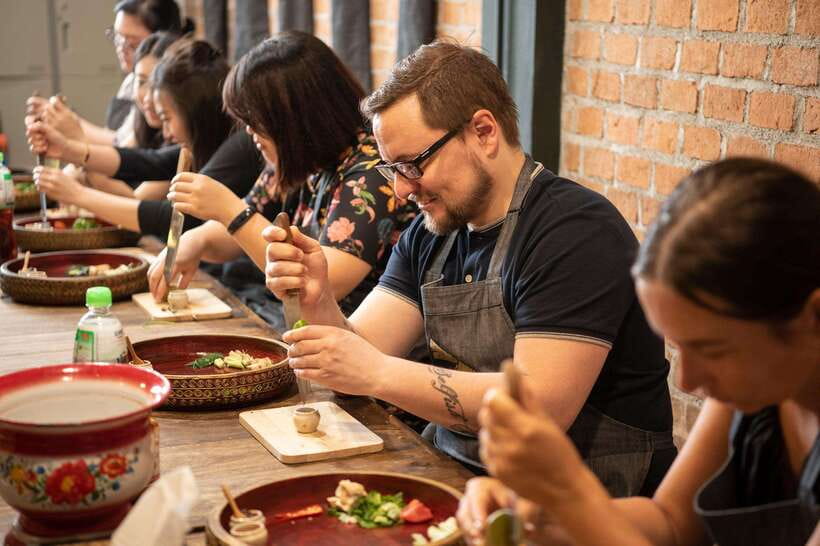
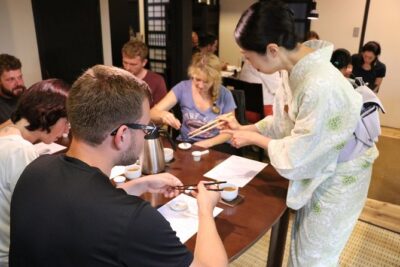
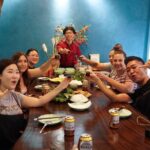
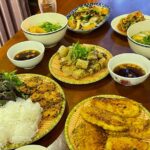
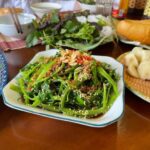
Once your dishes are done, you sit together for a vegetarian feast. This isn’t a quick plate-and-go situation. The experience is set up for a shared table with local hosts and your fellow travelers.
That group meal part is more than social. It helps you calibrate taste. When you’ve just cooked for hours, it’s easy to feel like your seasoning might be off. Eating together gives you real feedback on balance—sweet, sour, salty, herbal, and spicy.
It also turns the class into a cultural exchange. You’ll have time to trade stories and ask questions about Vietnamese food and everyday cooking.
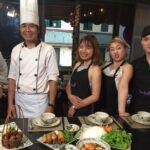
In some versions of this kind of experience led by English-speaking hosts such as Cherry, the chef style is friendly and keeps everyone involved. Another instructor example from the same team is Ethan, who’s described as kind and willing to answer questions while showing you around. If that interactive approach matters to you, this class is built for that.
Transfers, showers, and the little comfort wins

For Hanoi, logistics can make or break a half-day plan. This experience includes round-trip transfer from the Old Quarter area. If you choose the private option, the transfer range expands to within a 20km downtown area.
You also get:
- Free luggage storage space for up to 2 days
- Free showers available in case you want to freshen up before the class starts (availability may vary)
Those are practical touches. If you’re coming straight from a hotel day or storing bags while you hop between neighborhoods, it reduces stress. And if you’re a little sweaty from market time or Hanoi heat, a quick shower can make the class feel smoother.
The day also includes a signature welcome drink and snacks, plus your first round of beverages. For private options, homemade local wines are included and listed as free and unlimited. One note: the rules say alcohol and drugs aren’t allowed. If alcohol inclusion matters to you, it’s smart to confirm the details with the operator before you go.
Price and value: what $34 buys you in Hanoi
At $34 per person, this class prices like a bargain when you look at what’s included.
You’re getting:
- Market tour in Ngoc Ha with ingredient sampling
- Round-trip transport from the Old Quarter
- A professional English-speaking home chef guiding you through prep and technique
- All ingredients and equipment
- Cooking four iconic Vietnamese vegetarian dishes (up to five for private)
- A sit-down meal you eat with your hosts
- Welcome drink/snacks and your first beverage round
- Luggage storage (up to 2 days)
- Showers if available
In other words, you’re paying for a complete learning-and-feasting experience, not just a cookbook moment. If you’re the type who actually wants to cook at home after the trip, the value becomes even clearer. You’re buying skills, ingredients knowledge, and a repeatable menu structure.
If you just want a quick dinner, you can find cheaper meals in Hanoi. But you won’t get the same instruction quality for that price.
Who should book this class (and who might skip it)
This is a great fit if you:
- Prefer vegetarian cooking that still tastes fully Vietnamese
- Want a hands-on class with knife skills and traditional methods
- Like market time, especially if you enjoy learning how ingredients are chosen
- Appreciate a smaller-group or private format where you can ask questions easily
It may be less ideal if you:
- Strongly dislike markets or morning schedules
- Want only a short, low-effort activity with minimal walking
- Have very strict dietary restrictions beyond what you can discuss with the chef ahead of time
Also, if you’re an adventurous eater who likes learning how cultures cook, this class is the kind of day that sticks. You don’t just taste Hanoi—you practice it.
Should you book the Vegetarian Hanoi Cooking Class?
I’d book it if you want a real skill-based food experience. The market start in Ngoc Ha, the home-kitchen format, and the fact that you cook multiple iconic vegetarian dishes are the winning combo.
Book it sooner rather than later if you:
- Care about English instruction
- Want private or small-group attention
- Like the idea of leaving with knowledge you can use at home, not only memories
Before you go, do two things:
- Tell them about any allergies in advance so the menu plan can match your needs.
- Wear shoes you can walk in. Market time is part of the deal.
FAQ
How long is the vegetarian Hanoi cooking class?
The experience lasts about 5 hours.
Where does pickup and drop-off happen?
Pickup and drop-off are included from the Old Quarter area. For private options, the transfer range is extended within a 20km downtown area.
What language is the instruction in?
The class is conducted in English.
What will we cook during the class?
You’ll take a hands-on cooking experience to learn four iconic Vietnamese dishes. Private options can include up to five dishes with a customizable menu.
Is the class vegetarian only, or are vegan options available?
It’s a vegetarian cooking class, and there are vegetarian and vegan choices available for the menu options you cook.
Are ingredients and cooking equipment provided?
Yes. All ingredients and cooking equipment are included.
What should I bring?
Bring comfortable shoes and comfortable clothes.
Can I cancel for a refund or reserve without paying right away?
Cancellation is free up to 24 hours in advance for a full refund. You can also reserve now and pay later to keep your plans flexible.
Is there anything I’m not allowed to bring?
The information lists alcohol and drugs as not allowed. If you’re concerned about this, it’s worth confirming details since private options mention included homemade local wines.