REVIEW · KOBE
Kobe Home Cooking Ramen and Gyoza Cooking Class
Book on Viator →Operated by JP tourism · Bookable on Viator
Ramen feels intimidating until you see it done at home. In this Kobe class, you’ll learn Japanese-style home cooking in a real apartment kitchen, with a local instructor who makes ramen technique feel simple. I like the hands-on pacing (you cook, not just watch), and I also like the cozy, neighborhood feel because the class runs right where people live. The one drawback to plan for: it’s not a showroom experience, so you’re working in a compact kitchen with a shared group vibe.
The best part is that you’re not only learning how to cook ramen and gyoza—you’re learning how the ingredients and steps fit together. You’ll mix a soy sauce-based ramen with toppings and make crispy gyoza from scratch, then sit down for a homemade lunch. If you have strict dietary needs beyond what’s asked during booking, give extra details up front so the host can do their best to accommodate.
In This Review
- Key highlights worth knowing before you go
- Home Apartment Cooking in Kobe: what this class is really like
- What you’ll make: soy sauce ramen and crispy gyoza
- Step-by-step: from station meetup to lunch and souvenirs
- Meeting at Island Kitaguchi Station
- Arriving at the apartment kitchen
- Making soy sauce ramen
- Wrapping and frying gyoza
- Eating your homemade lunch
- Shared class rhythm (up to 6 people)
- Price and value: what you really get for $57.23
- Vegetarian option and allergy notes (what to ask before booking)
- Mobile ticket, meeting logistics, and timing that actually works
- Shared vs private class: when you should choose one
- Who this class fits best in your Kobe trip
- Should you book Kobe Home Cooking Ramen and Gyoza?
- FAQ
- Where does the class start and where does it end?
- How long is the cooking class?
- What dishes will I learn to cook?
- Is there a vegetarian option?
- Do you accommodate allergies or dietary restrictions?
- Is there free cancellation?
Key highlights worth knowing before you go
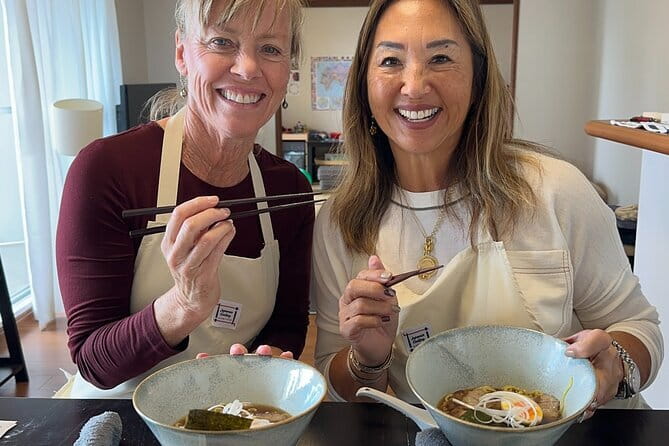
- Apartment setting in Kobe: You’ll be about a 5-minute walk from the station, inside a real Japanese home.
- Soy sauce ramen, made step-by-step: Learn the ingredients and methods as you go, not after.
- Homemade gyoza wrappers: Make the dough and wrap the filling, then pan-fry until crispy.
- Small group, max 6 people: More hands-on time and easier Q&A.
- Lunch together: You finish what you make and eat right there.
- Take-home chopsticks: A small souvenir that actually feels useful.
Home Apartment Cooking in Kobe: what this class is really like
This isn’t a big kitchen with chef theatrics. You meet near Island Kitaguchi Station, then walk about 5 minutes to the host’s Japanese-style apartment in a quiet Kobe neighborhood. When you arrive, you’re stepping into a home routine—small spaces, everyday tools, and that calm feeling you only get when cooking happens in someone’s actual kitchen.
The class is built around a daily-life rhythm. You’ll learn while you cook, guided by a local instructor who grew up eating Japanese home cooking and teaches at home and school. That matters because she’s not just passing along recipes—she’s teaching habits: how to handle ingredients, how to adjust texture, and how to think through timing.
You also get something more personal than most food activities: a chance to talk in the middle of cooking. You’re not trying to read a menu while your hands are busy. It’s more like: chop, stir, fold, fry, then ask why the step matters. That’s where the skill sticks.
What you’ll make: soy sauce ramen and crispy gyoza
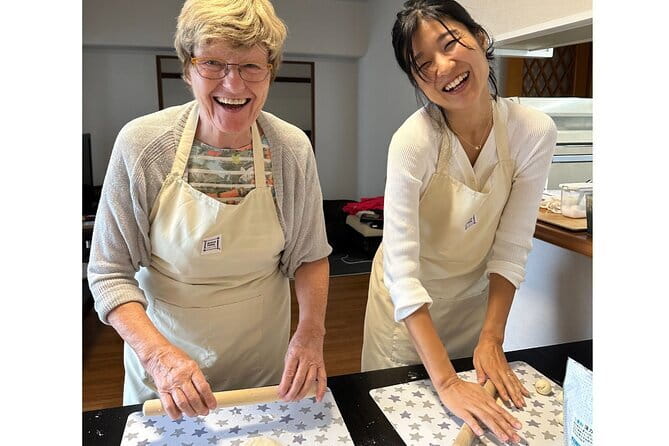
You’ll cook two dishes, and they work as a good pairing for the kind of meal you’d actually have at home.
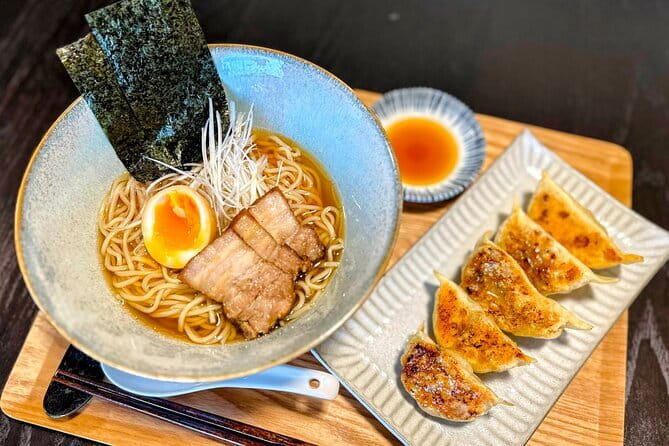
First is soy sauce-based ramen with pork toppings. You’ll make the ramen soup base and learn about the toppings along the way. The goal isn’t just flavor—it’s getting a ramen you can repeat. The class emphasizes method and ingredient choice, so you’re not left thinking you need special shortcuts.
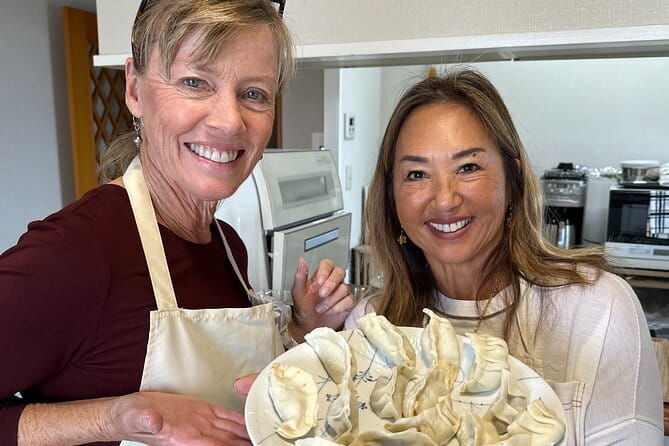
Then comes the gyoza. You’ll make homemade wrap dough, fill it with a mix of pork/beef and vegetables, and fry the gyoza until they’re crispy. This is the part that feels most hands-on because folding and sealing takes practice. When it clicks, you’ll understand how gyoza gets that crisp texture on the pan and stays tender inside.
A useful detail for your planning: the class structure is designed so you can finish both dishes in about 2 hours 45 minutes. That timeline helps because you won’t be stuck in limbo waiting for food to magically appear.
Step-by-step: from station meetup to lunch and souvenirs
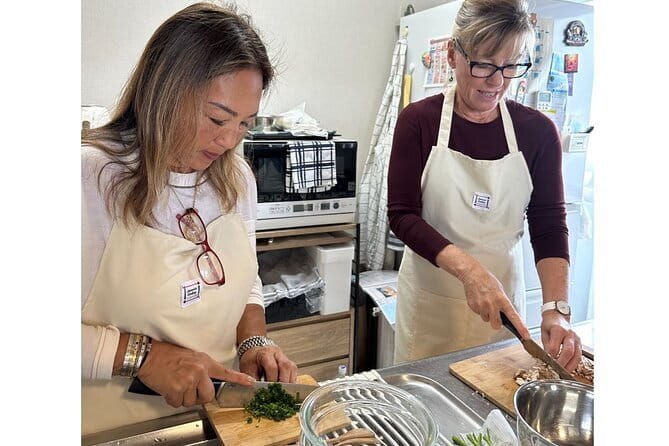
Here’s how your time typically flows, and what to expect at each stage.
Meeting at Island Kitaguchi Station
The experience starts at 10:30 am and ends back at the same meeting point. You’ll start at Island Kitaguchi Station, and from there it’s a short walk to the apartment (about 5 minutes). This makes the class easy to slot into a Kobe day without long transfers or complicated logistics.
Practical tip: wear comfortable shoes. Even though it’s only a short walk, apartment entries and kitchen transitions are easier when your feet aren’t fighting you.
Arriving at the apartment kitchen
Once you get inside, you’ll get a feel for a compact kitchen turned into a cooking classroom. It’s peaceful and local—exactly the kind of setting where you can watch what’s happening without screens and noise. If you’re hoping for a hands-on lesson, this setup is a plus because you’re close to the action.
The instructor will guide you through ingredients and methods. Since she’s certified in dietary education and has experience teaching cooking in both home and school settings, the pacing tends to be clear: do this step, then adjust, then move on.
Making soy sauce ramen
You’ll work on the ramen in a way that keeps you active. Expect to focus on the soy sauce-based soup, plus toppings. The class highlights how ingredients behave together, which is what turns ramen from “mysterious comfort food” into something you can recreate.
If ramen has ever felt complicated to you, this is the reason the class gets such strong praise. The process is broken down into manageable moves, so you come away thinking, I can actually cook this again.
Wrapping and frying gyoza
Now for gyoza, the hands-on highlight. You’ll learn to make the wrap and then assemble gyoza filled with vegetables plus pork and/or beef (depending on the class setup). Then you’ll pan-fry them for crisp results.
What I like about this portion is that it’s concrete. You’re not just mixing a batter and hoping for the best. You have a visible step—fold, seal, fry—and you can see whether it’s working as the gyoza browns.
Eating your homemade lunch
After cooking, you sit down to enjoy the meal you made with your host. This matters more than it sounds. Many cooking classes stop at the cooking. Here, the lunch is part of the learning loop: taste what you built, then connect that flavor to the steps you just did.
You’ll also take home a cute set of chopsticks as a souvenir. It’s small, but that’s a win because you’ll actually use it back home.
Shared class rhythm (up to 6 people)
The group size max is 6, and you’ll share the class. That usually means better attention than the huge groups, plus a more relaxed pace while everyone cooks.
Price and value: what you really get for $57.23

At $57.23 per person, this class isn’t a bargain in the absolute sense. But it does feel good value when you consider what’s included: two fully cooked dishes, an instructor-led lesson, and lunch at the end.
Here’s why the pricing tends to make sense for most people:
- You’re paying for coaching in a home kitchen, not just a recipe handout.
- You’ll make both ramen and gyoza, which takes real time and attention.
- Small group size helps keep the value high because it’s not just a crowd watching one person cook.
- You’re leaving with a souvenir (chopsticks) that doesn’t feel like plastic swag.
If you’ve got a single “food experience” slot in Kobe, this is the kind that turns into a skill you can use later. That’s where the money is doing its best work.
Vegetarian option and allergy notes (what to ask before booking)
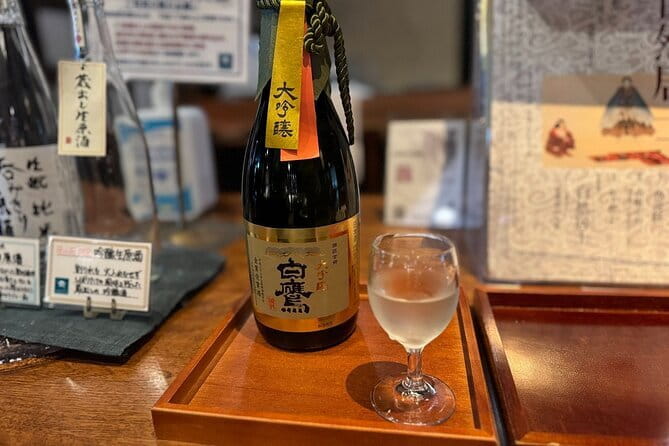
The class offers a vegetarian option. The information says you should replace meat with flavorful vegetables, and you should inquire upon booking. That’s good news, but here’s the practical approach: message early and be specific about what you need.
You also should tell the organizer about any allergies or restrictions when you book. The host says they’ll do their best to accommodate, so your job is to provide clear details up front.
Because the class includes both ramen and gyoza, you’ll want to confirm how they handle cross-contact and ingredient swaps for both dishes. If your dietary needs are complex, send a thorough note right away rather than hoping for a last-minute fix.
Mobile ticket, meeting logistics, and timing that actually works
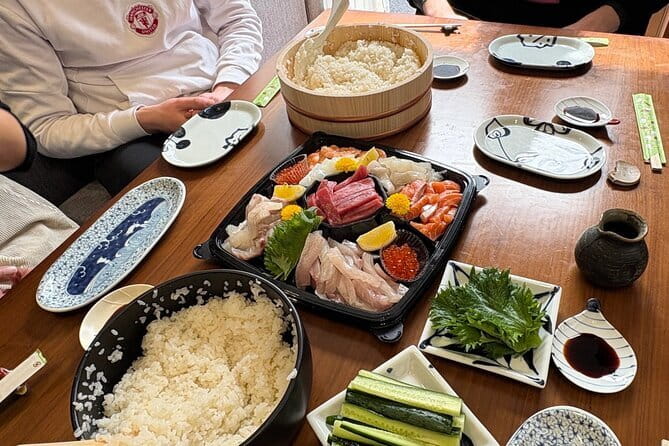
This experience uses a mobile ticket, and confirmation is received within 48 hours of booking, subject to availability. The class takes place at the host’s apartment and you’ll start and finish back at the meeting point near the station.
Timing is also worth attention. A 10:30 am start plus a roughly 2 hours 45 minutes duration gives you a clear window. You can plan a second activity later in the day without stress.
What to consider: since it’s in an apartment, you should expect a quieter setup than a restaurant. That’s part of the charm, but it can feel tight if you’re used to wide open cooking spaces.
Shared vs private class: when you should choose one
A shared class is available (maximum 6 people). There’s also a private class option, but it’s booked by contacting the provider directly.
One other detail you’ll want to know: children under 6 should book a private class if they’ll be attending. If you’re traveling with very young kids, a private class is likely to feel calmer and easier for everyone.
If you prefer meeting people and learning in a small group, the shared class is the right fit. If you want more personal pacing or a quieter environment, private can be worth it.
Who this class fits best in your Kobe trip
This experience is ideal if you:
- Want home-cooking skills, not just photos.
- Like interactive lessons where you’re cooking most of the time.
- Want a calm, local vibe away from the most crowded spots.
- Are interested in both ramen and gyoza, since you’ll do both from scratch.
It’s also a good choice if you’re a little nervous about Japanese cooking technique. The class is structured to make complicated steps feel doable, and that’s reflected in the strongest feedback about the instructor making the process simpler.
You might think twice if:
- You dislike cooking in a compact kitchen setting.
- You need very specific dietary accommodations that require extra planning.
- You’re looking for a purely sightseeing-focused activity instead of a meal-based workshop.
Should you book Kobe Home Cooking Ramen and Gyoza?
I’d book this if you want a Kobe food experience with real pay-off. The combo of soy sauce ramen, homemade gyoza wraps, and hands-on frying is the kind of lesson that sticks. Plus, you eat what you make, and you leave with chopsticks that remind you of the skill—not just the meal.
Book it with confidence if you like small-group activities. With a max of 6 people, you’re more likely to get clear guidance and time to ask questions while your hands are busy.
Pause and message first if you have dietary restrictions. The vegetarian option exists, and the host says they’ll do their best for allergies—but you’ll get better results when you provide details up front.
If you’re trying to choose between a fancy meal and learning cooking at home, this is the option that can turn into a repeatable habit. In a city full of places to eat, it’s one of the few experiences that teaches you how to bring Kobe flavors back to your own kitchen.
FAQ
Where does the class start and where does it end?
The class starts at Island Kitaguchi Station and ends back at the same meeting point.
How long is the cooking class?
The duration is approximately 2 hours 45 minutes.
What dishes will I learn to cook?
You’ll make soy sauce-based ramen with toppings and fry crispy gyoza filled with vegetables and pork/beef. You’ll also make the gyoza wrap at home.
Is there a vegetarian option?
Yes, a vegetarian option is available. You replace meat with flavorful vegetables, and you should inquire upon booking.
Do you accommodate allergies or dietary restrictions?
Yes. You should tell the organizer about your allergies or restrictions when booking, and they will try their best to accommodate.
Is there free cancellation?
Yes, free cancellation is available. You can cancel up to 24 hours in advance for a full refund. Cancellation within 24 hours of the start time is not refunded.