REVIEW · SOFIA
Bulgarian Food tasting, cullinary-historical tour, Cooking class
Book on Viator →Bookable on Viator
Sofia tastes better when you cook it yourself. This Bulgarian food tasting and cooking class in Sofia mixes a city walk, hands-on cooking, and then a proper sit-down meal at the end, with a menu built around your tailored menu and your hands-on technique goals. I especially like how the host, Mariela, keeps the class relaxed and practical, including small skills that actually help you once you’re back home. The result is more than food for one day; it’s a new way to understand Balkan flavors and how everyday Bulgarian dishes get made.
The main drawback to plan for is time: even with an advertised 6-hour window, the day can stretch longer depending on shopping and how your menu flows.
In This Review
- Key Points You’ll Care About
- From Woman’s Market to Your Kitchen: A Sofia Food Day That Feels Real
- Zhenski Pazar Women’s Market: Ingredients With Stories
- Saint Nikolas Russian Church and a Sofia Center Pause
- The Cooking Class Core: You’ll Make Three Dishes, Not One Trick
- What You Might Cook: Burek, Dolmas, and the Comfort-Food Classics
- The Kitchen Reality Check: Second Floor, Equipment Included, and Yes, There’s a Cat
- Eating Your Results: Lunch or Dinner, With Real Portions
- Price and Value: Why This Costs More Than a Plain Tasting
- Who This Is Best For (And Who Might Skip It)
- Should You Book This Bulgarian Food Tasting Cooking Class?
- FAQ
- FAQ
- Where is the meeting point?
- Is pickup available?
- What time does the experience start?
- How long should I plan for?
- Is the tour private?
- How many Bulgarian dishes will I learn to cook?
- If the weather is good, do you shop at a market?
- What’s included in the price?
- What’s not included?
- Is there anything to know about the kitchen space?
- What happens if weather is poor or I cancel?
Key Points You’ll Care About
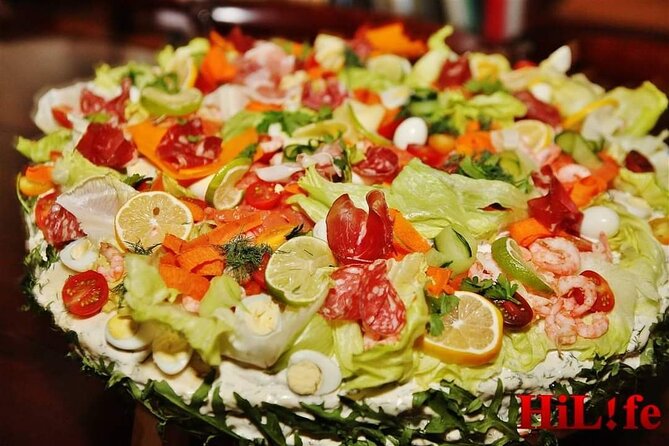
- A menu chosen for your skill level and preferences (not a one-size-fits-all cooking show)
- Possible Woman’s Market grocery shopping with product and tradition talk when conditions allow
- You’ll learn 3 typical Bulgarian dishes using techniques you can repeat later
- A mix of city stops and cooking so you get context, not just recipes
- Food included at the table (not just “tasting bites”)
- Practical kitchen details: second floor (no elevator) and a cat in the kitchen
From Woman’s Market to Your Kitchen: A Sofia Food Day That Feels Real
This isn’t the kind of tour where you just watch someone else cook while you snack. You’re in the work—mixing, shaping, and learning how Bulgarian dishes come together. And that matters. When you handle the dough, season the filling, or work with the rhythms of stuffing and baking, you stop treating cuisine like a list of dishes and start understanding the logic behind it.
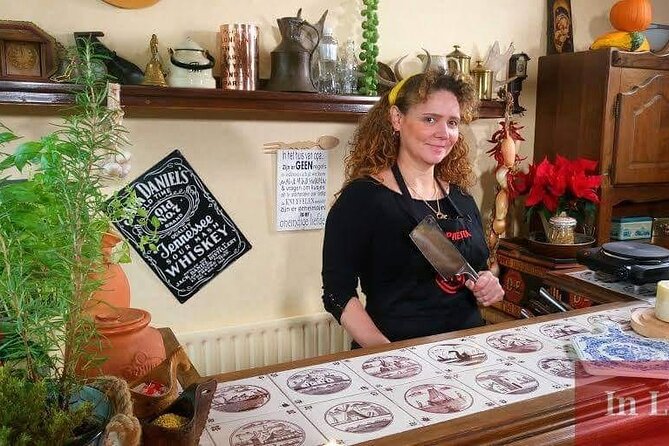
I also like that the experience is built around choice. The menu depends on your cooking skills and your preferences, so you’re more likely to get a challenge that fits instead of being pushed through steps you don’t feel comfortable with yet. Mariela’s approach comes through in a simple fact: she’ll tailor the three-course plan, and she’ll still keep you moving at a pace that makes sense.
One more real-world plus: you’re not stuck underground. When the weather is good and it’s a working day, you may start with grocery shopping at the Zhenski Pazar Women’s Market. Even if you’ve never cooked before, walking those stalls gives you a fast, tangible feel for Bulgarian ingredients.
Zhenski Pazar Women’s Market: Ingredients With Stories
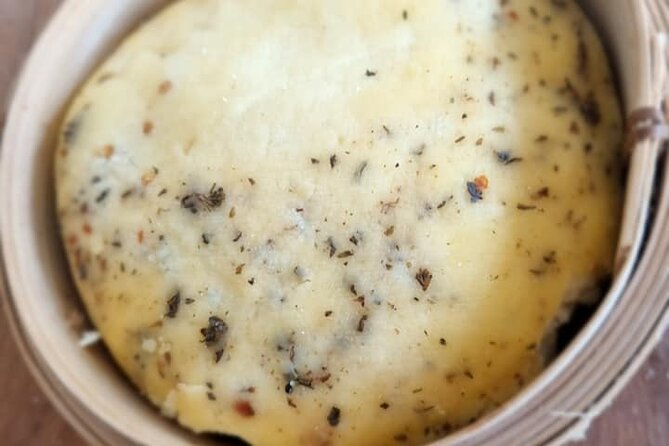
Zhenski Pazar Women’s Market is where the morning energy makes sense. This is the part that helps you cook smarter later, because you start seeing ingredients as choices, not just “things on a list.” If your day includes it, you’ll do shopping together, and you’ll get explanations about Bulgarian products and food traditions while you’re right there with the goods.
What I like about this market stop is the practical angle. You’re not just looking; you’re learning how ingredients behave in Bulgarian cooking. And since the class menu can change based on your preferences, shopping becomes more relevant than a generic photo-op.
Two considerations to keep in mind:
- If weather is poor or it’s not a working day, you may not do the market shopping as part of your schedule.
- The tour is built around walking and handling items, so comfortable shoes help, especially if you plan to linger after the class.
Saint Nikolas Russian Church and a Sofia Center Pause
After the market area, you’ll head to the Church of St. Nicholas the Wonderworker and then continue through the Sofia Center area as part of the route. This stop is short, but it gives you something important: a sense of place. Bulgarian food didn’t appear in a vacuum; it’s tied to how people live in Sofia and how cultures have mixed over time.
I find these quick “context” pauses helpful because your brain connects the day. You’re not just thinking about recipes—you’re also thinking about why these meals fit the climate, the daily schedule, and the local ingredient habits.
Is it a deep sightseeing tour? No. But it’s not trying to be. It’s a food-first day with just enough city flavor to make the cooking feel grounded.
The Cooking Class Core: You’ll Make Three Dishes, Not One Trick
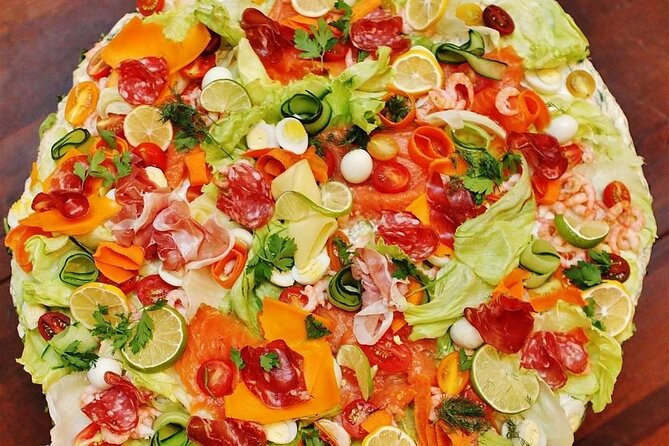
The main event is the cooking class, and the format is exactly what you want if your goal is to learn actual techniques. You’ll learn to cook three typical Bulgarian dishes, with the exact menu depending on:
- your cooking skill level
- your preferences
- what makes sense for the day’s timing and flow
The class aims for more than eating something delicious. It’s about new methods—ways of slicing, stuffing, layering, baking, and building flavor. One small skill can change everything. For example, onion preparation came up as a standout moment for one solo participant, who loved learning a better slicing technique.
If you’re worried about being “not a cook,” don’t. The menu is adjusted to you. That’s one of the biggest value points of this experience: you’re not performing; you’re learning in a way that fits.
What You Might Cook: Burek, Dolmas, and the Comfort-Food Classics
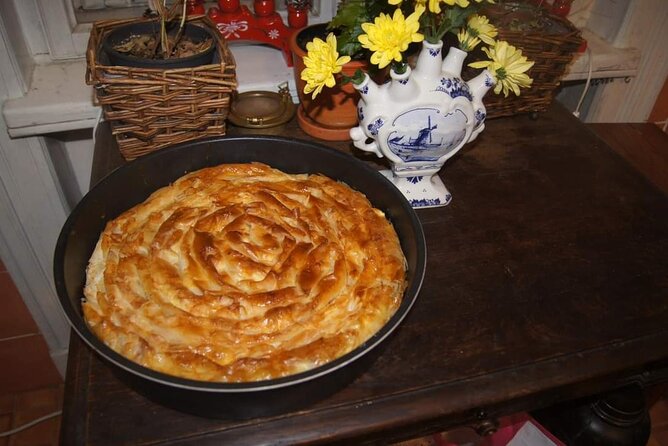
You could end up with dishes like these (your exact combination depends on the choices made for your group and your preferences):
- Burek (cheese burek pastry)
Expect dough work and shaping, plus a lesson in how the filling stays flavorful and not soggy.
- Dolmas (cabbage with meat)
This is classic “wrap and build” cooking. You get hands-on with stuffing and the slow, satisfying logic of bundling ingredients together.
- Gyuvetche (hot pot with meat or vegetables)
Think baked, cozy, and deeply satisfying. It’s a great dish type if you like the idea of flavor developing over time rather than just quick heat.
- Meshana skara (grilled meat)
If your menu leans grill-forward, you’ll learn how Bulgarian barbecue-style plates are put together, with a focus on grilled meats.
- Kavarma (baked in a pot, covered with omelette)
A unique structure: slow-baked pot flavors plus the comfort of omelette on top. It’s the kind of dish that feels special without requiring complicated tools.
- Tikvenik (pastry with pumpkin)
This gives you a sweet-savory pivot. Pastry plus pumpkin is the comfort dessert many people remember.
- Mekitsi (cousin of Hungarian lángos, often with honey or feta cheese)
This one is fun because it turns into either breakfast-ish or dessert territory depending on how you top it.
Why this menu mix matters: Bulgarian cuisine covers a wide range of textures—pastry, rolled fillings, pot-baked comfort, and fried/chewy comfort styles like mekitsi. You’re getting a cross-section of technique types, not just tasting.
The Kitchen Reality Check: Second Floor, Equipment Included, and Yes, There’s a Cat
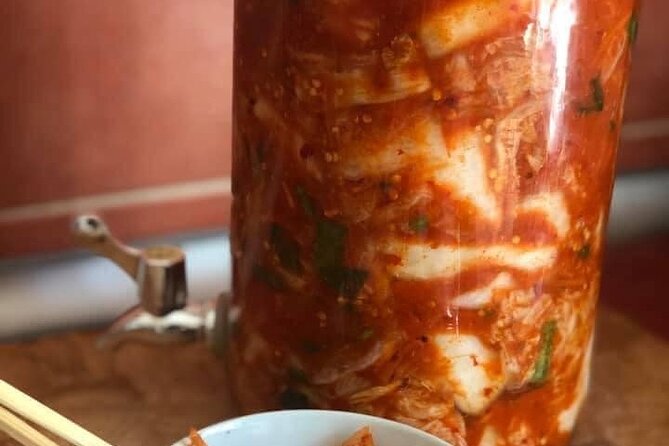
The cooking happens in a kitchen on the second floor, and there’s no elevator. If you have mobility concerns or plan to bring any gear, that’s the one hard physical detail you should plan around.
The good news: the class includes kitchen equipment, so you’re not tracking down utensils or specialty tools. Everything you need for your tasks is handled as part of the experience.
One quirky but important note: there’s a cat in the kitchen. If you’re allergic or you just don’t like animals, tell Mariela in advance so you can plan safely and comfortably. This is one of those small details that turns a great day into a stressful one if you ignore it.
Eating Your Results: Lunch or Dinner, With Real Portions
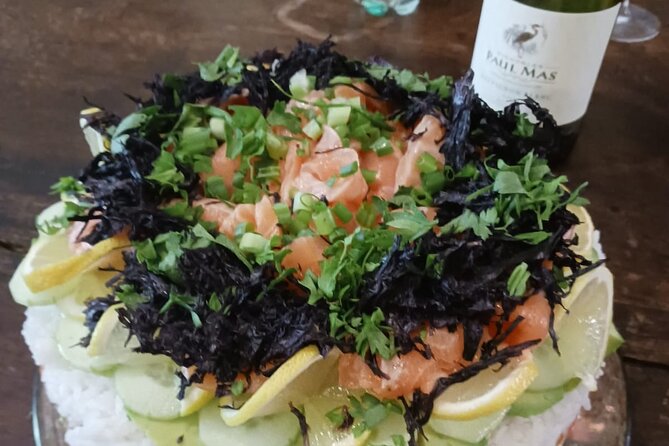
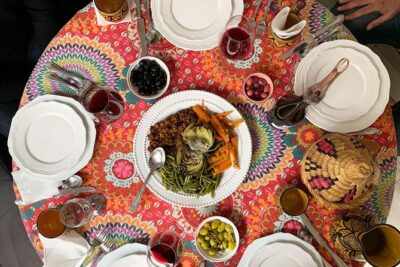
After the cooking, you’ll finish with a food tasting—either lunch or dinner depending on your schedule. And based on what’s included, you can expect multiple eating moments during the experience: lunch/brunch/dinner are all listed as included, plus the tasting part tied to your cooked dishes.
Here’s what that means for you in plain terms: this isn’t a light sample. It’s a meal day. You’re meant to sit down, eat what you made, and actually taste the difference that hands-on learning makes.
One practical tip: portions can be large, especially if you’re a solo traveler. If you’re used to smaller servings, plan for the reality that you might end up with more food than you can comfortably finish.
Also, drinks matter. Alcoholic beverages, soda/pop, and bottled water aren’t included, so if you want something specific, budget for it.
Price and Value: Why This Costs More Than a Plain Tasting
At $138.18 per person for an experience that runs about 6 hours, this sits in the “worth it if you want to learn” zone. It’s not a cheap snack tour. But the value comes from what you actually get:
- A private group format (you’re not squeezed into someone else’s schedule)
- Three dishes you personally cook
- Kitchen equipment included
- A guided approach with English
- A city start that may include market shopping and local context
- Food included (tasting plus substantial meal portions)
Compared with paying for just a restaurant meal, you’re getting the cooking instruction piece, plus you get to take the techniques home. That makes the price feel more justified—especially if Sofia is a stop where you want one memorable “do it yourself” day.
If you mainly want to eat and you’re not interested in learning, you might find cheaper alternatives. But if your goal is to cook real Bulgarian food and understand why it works, this is built for that.
Who This Is Best For (And Who Might Skip It)
This is ideal for you if:
- you like hands-on travel days
- you want to cook dishes like burek, dolmas, gyuvetche, kavarma, or mekitsi
- you want local context with your food (market + city stops)
- you prefer small, private-group attention
It’s less ideal if:
- you strongly dislike cats or have allergies and don’t want to disclose it in advance
- you need an easily predictable end time (the day can run longer than the headline duration)
- you prefer very short experiences and hate multi-stop schedules
And if you’re traveling solo, go in knowing portions may be big. You can always ask how portions will be handled for one person.
Should You Book This Bulgarian Food Tasting Cooking Class?
If you want a Sofia experience that’s practical, hands-on, and actually teaches you something, I’d book it. The strongest draw is the combination of learning three dishes plus eating them as part of a real meal. Add in Mariela’s ability to tailor the menu to your preferences, and you’ve got a day that feels personal instead of scripted.
Book it especially if you like Bulgarian comfort food styles—pastry, stuffed dishes, pot-baked meals, and the sweet-and-savory pastry/desert options. It’s the kind of class where you’ll leave with recipes you understand, not just instructions you copied.
Skip it if you only want a quick bite tour, or if the kitchen logistics (second floor, no elevator, cat in the room) are dealbreakers for you.
FAQ
FAQ
Where is the meeting point?
You’ll start at the Church of St. Nicholas the Wonderworker in Sofia Center (bul. Tsar Osvoboditel 3, 1000 Sofia).
Is pickup available?
Yes. You can also meet directly at the subway metro station Luvov Most.
What time does the experience start?
The listed start time is 9:00 am.
How long should I plan for?
The duration is approximately 6 hours, but it may take longer depending on the day’s flow and whether there’s market shopping.
Is the tour private?
Yes. Only your group will participate.
How many Bulgarian dishes will I learn to cook?
You’ll learn to cook three typical Bulgarian dishes. The exact dishes depend on your cooking skills and personal preferences.
If the weather is good, do you shop at a market?
In fine weather and on a working day, you’ll do together the grocery shopping in the Women’s market, with explanations about Bulgarian products and traditions.
What’s included in the price?
Kitchen equipment is included, and meals/tastings are included (lunch, brunch, and dinner).
What’s not included?
Alcoholic beverages, soda/pop, and bottled water are not included.
Is there anything to know about the kitchen space?
The kitchen is on the second floor with no elevator. There is also a cat in the kitchen, so you should inform the host in advance if you have allergies or don’t like animals.
What happens if weather is poor or I cancel?
The experience requires good weather. If it’s canceled due to poor weather, you’ll be offered another date or a full refund. Free cancellation is available up to 24 hours in advance for a full refund.