REVIEW · ADDIS ABABA
Market Tour and Cooking Class with a Coffee Ceremony at a Home in Addis Ababa
Book on Viator →Operated by Traveling Spoon · Bookable on Viator
Addis smells like coffee and bread. At Daniel and Tigist’s home, I love the market shopping that sets up your meal, and the coffee ceremony that turns roasting and pouring into a full ritual. It’s a very hands-on way to understand Ethiopian food beyond a restaurant plate.
The one thing to plan for is distance: there’s no hotel pickup, and the home setting can be about 40 minutes outside Addis for some stays. If you’re relying on taxis or public transport, build in extra time so you don’t feel rushed before cooking starts.
In This Review
- Key highlights to know before you go
- A home-cooked Addis Ababa meal starts at the market
- Traveling Spoon and your first taste of local rhythm
- Market tour: shopping for injera ingredients like a local
- Cooking in Daniel and Tigist’s home: more than following steps
- The coffee ceremony: roasting to the final pour
- Lunch or dinner choice: picking the right rhythm for your day
- Price and value: what you’re really paying for
- The real reason this feels special: family teaching, not performance
- Logistics that can make or break your day
- Who this Ethiopia food tour is best for
- Should you book this Addis Ababa home tour?
- FAQ
- How long is the market tour and cooking class with a coffee ceremony?
- Is hotel pickup and drop-off included?
- What’s included in the price?
- Can I choose lunch or dinner?
- Is there a vegetarian option or can you handle allergies?
- Is this tour private or shared with strangers?
- What is the cancellation window for a full refund?
Key highlights to know before you go
- A home kitchen lesson with Daniel and Tigist (not a commercial classroom)
- Injera cooking paired with a market run for the ingredients
- Hand-roasted coffee ceremony with freshly roasted beans and step-by-step explanation
- Lunch or dinner timing so you can match the tour to your day
- Private and local: only your group participates
- Vegetarian and allergy notes handled by advising in advance
A home-cooked Addis Ababa meal starts at the market
A good food tour doesn’t start with a dish. It starts with what you buy, why you buy it, and how locals turn ingredients into a daily meal. This one does that in a simple, friendly way: you’re guided through a market, then you cook together in Daniel and Tigist’s Ethiopian home kitchen, and the day ends with a full coffee ceremony.
I like that it feels practical. You’re not just learning recipes on paper. You see the ingredients first, then you work with them. And because the lesson happens in a home, the pace feels natural—there’s room for questions, and you get real context on how the food fits into everyday life.
You should also know the tour is private for your group. That matters in Addis, where it can be awkward if you’re squeezed into a large group. Here, you get more time with your hosts and more flexibility to focus on what you care about: cooking, coffee, or the stories behind it all.
Traveling Spoon and your first taste of local rhythm
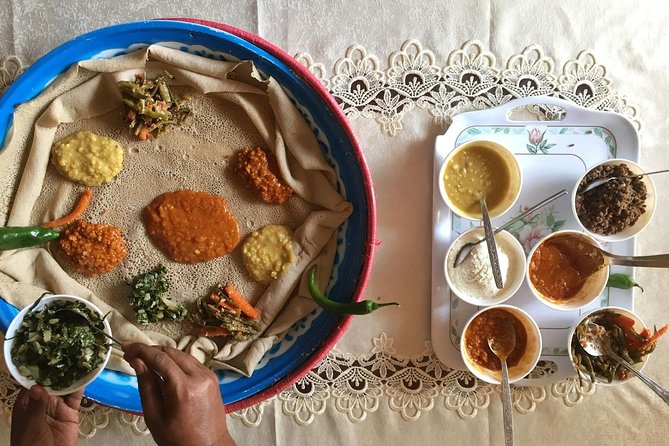
The experience begins at Traveling Spoon, with the activity designed to return you back to the same meeting point. So think of it as a tidy half-day plan: you start in one place, you leave the city rhythm for a home kitchen, and you come back when you’re ready to keep exploring.
The key practical point is transport. Hotel pickup and drop-off aren’t included, so you’ll need to handle getting to the meeting point and getting there on time. The good news is that the tour is near public transportation, which makes it easier if you prefer buses or shared rides over hiring a car.
For timing, plan around the full duration of about 3 hours 30 minutes. That isn’t too long to keep energy up, but it is long enough that you’ll actually cook, eat, and then slow down for the coffee ceremony.
Market tour: shopping for injera ingredients like a local
The market stop is where the tour earns its authenticity. You’ll do a private market tour with your hosts, and that private part is a big deal. You can ask questions about ingredients without feeling like you’re holding up a big crowd.
The main food focus is Ethiopian staples, especially the ingredients that go into injera. Injera is fermented flatbread, and it isn’t something you can truly understand just by watching it assembled. When you shop together, you start learning how locals think about texture, fermentation, and what an ingredient should look like before it becomes food.
What to expect at the market:
- You’ll walk through the market with your hosts and learn what to look for.
- You’ll connect ingredients to what you’ll later cook at home.
- You’ll get explanations that make the next steps in the kitchen much easier.
What can be a drawback: markets can be busy and uneven underfoot. If you have mobility issues or you hate standing for long periods, wear comfortable shoes and pace yourself. The tour does say it’s generally approachable for most people, but comfort is still on you.
Cooking in Daniel and Tigist’s home: more than following steps

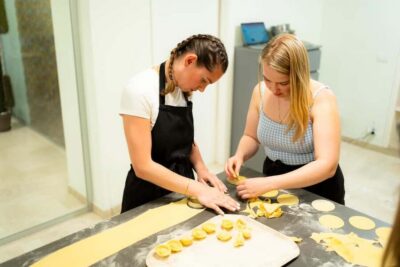
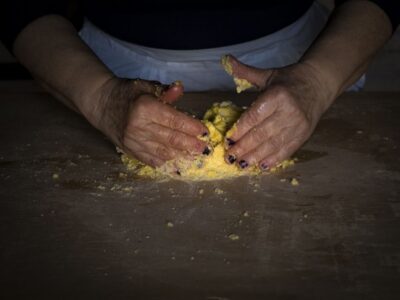
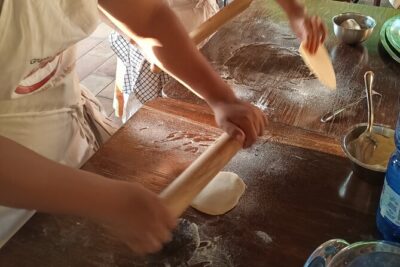
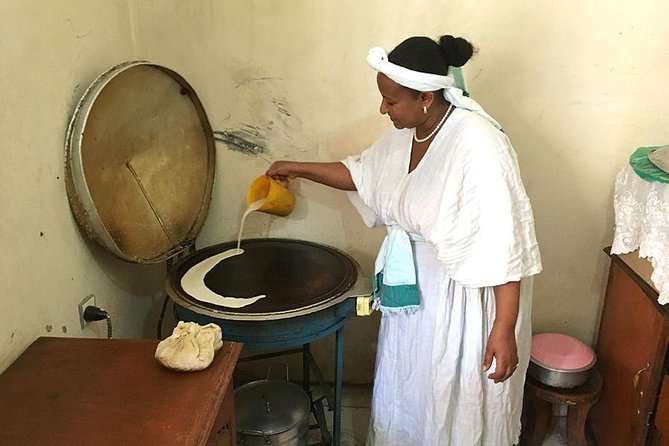
Back at the home kitchen, the lesson becomes interactive and very real. This isn’t a commercial cooking class with a wall of cookware and a tight script. It’s a visit inside an Ethiopian home, where Daniel and Tigist share skills they use and teach.
Injera is the highlight, and the teaching style matters. In the notes people share after the experience, a common theme is patience. You’ll have time to figure out what’s happening and why, especially if your first attempt at Ethiopian cooking is learning from scratch.
The cooking portion is built around:
- Preparing Ethiopian dishes together (with a strong focus on injera)
- Learning technique from the people who make the food at home
- Understanding how meals are assembled and served in an everyday setting
You’ll also get a menu that can vary depending on the season. That’s not a downside; it’s part of why it feels authentic. Ethiopian cooking changes with what’s available, and you’ll taste dishes that match that reality instead of a fixed, overly standardized show menu.
Diet notes matter here. If you have allergies, dietary restrictions, or specific preferences, you need to tell your host at booking. The tour explicitly asks for that in advance, and it’s the difference between a safe experience and a stressful one.
If you’re vegetarian, you’re in luck—there’s a vegetarian option available. Just make sure you request it when you book, so they can plan the meal properly.
The coffee ceremony: roasting to the final pour
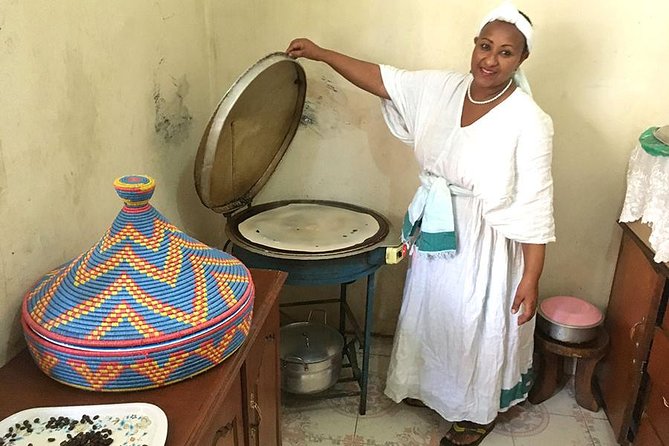
Then comes the part that ties everything together: the coffee ceremony. This isn’t a quick cup thrown in for flavor. You’ll see freshly roasted beans and go through the ceremony as part of the visit, with your hosts explaining what’s happening.
In Ethiopia, coffee is more than a beverage. It’s a social rhythm—an event you share, not a product you grab. That’s why this ending feels satisfying even if you’re not a coffee superfan. The experience slows down. You get to taste the result of the whole process.
What you’ll likely appreciate in this ceremony:
- The steps behind roasting freshly
- How the coffee is prepared and served as part of the ritual
- The way your hosts connect the coffee to Ethiopian culture and daily life
One practical point: since beverages are included, you won’t be left wondering what you’re supposed to drink during the meal. And because the ceremony is part of the set plan, you’re not guessing how much time you’ll have to enjoy it.
If you’re traveling with caffeine sensitivity, it’s still worth mentioning any concerns at booking so your hosts can guide you appropriately. The data doesn’t specify caffeine-free options, so the safest move is to communicate early.
Lunch or dinner choice: picking the right rhythm for your day
You can choose a lunch or dinner tour, which is helpful because Addis Ababa plans can be unpredictable. If you want a calmer start, pick lunch. If your mornings are full and you need a late anchor, dinner makes sense.
Either way, the lesson structure stays the same: market tour, cooking in the home, and the coffee ceremony afterward. So you’re not trading off content for timing—you’re just matching the meal to your schedule.
A quick planning tip: if you’re pairing this with other activities, keep travel time in mind. Because there’s no hotel pickup and the home may be outside central Addis, block extra time between your tour end and your next commitment. You’ll feel better, and you’ll enjoy the coffee ceremony more instead of rushing out right after eating.
Price and value: what you’re really paying for
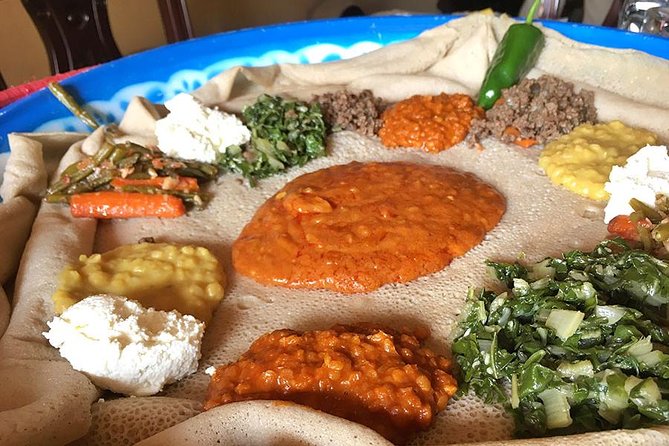
At $168 per person for about 3 hours 30 minutes, this isn’t a budget street-food deal. You’re paying for something more specific: a private home visit with a market tour, a cooking lesson, and a coffee ceremony—with beverages and all taxes, fees, and handling charges included.
Here’s where the value shows up:
- Private, not crowded: only your group participates, so you’re not stuck waiting your turn.
- Instruction from the hosts: Daniel and Tigist teach in their own home, not through a generic demonstration.
- Multiple elements: market + cooking + coffee ceremony is a full meal experience, not a single activity.
- Included extras: gratuities are included, and beverages are included, which reduces surprise costs.
If you’re going with friends or family and you can split the decision-making with a companion, the price can feel more reasonable because the experience is shared and you’ll each get the full host interaction.
One more thing: it’s popular. The average booking window is about 89 days in advance. If your dates are firm, book early so you’re not stuck with limited availability.
The real reason this feels special: family teaching, not performance
What makes this experience click is the way it stays human. People come out of it talking about the warmth of Daniel and Tigist and the way their family includes you. You may meet family members during the visit, and that’s part of the charm—food is taught as a living skill, not a staged performance.
The other big win is safety and comfort. Multiple notes point out that the hosts made visitors feel at ease from the start. That matters when you’re stepping into a home environment in a city where you might be new. When someone is clearly hosting you properly, you can focus on learning and enjoying, not worrying about the basics.
Also, don’t underestimate the information part. Daniel and Tigist share a lot of context about Ethiopia along the way. You don’t just learn how to cook. You learn what the food means and how it fits into local life.
Logistics that can make or break your day
Keep these practical points in mind:
- No hotel pickup: plan your own ride to the meeting point and back.
- Meeting point is Traveling Spoon: you’ll want to be on time since the market and cooking portion run as one flow.
- Return to the meeting point: you’re not dropped somewhere else; it stays simple.
- Near public transportation: if you don’t want to rely on taxis, this helps.
- Menu varies by season: expect seasonal changes, which is usually a plus for authenticity.
What I’d do if I were planning your day: pick a transport option you can repeat easily. If you’re using taxis, note how long the ride takes at your tour start time. If you’re using public transport, plan a buffer. The “outside central Addis” factor is the main reason people feel logistics strain, not the cooking itself.
Who this Ethiopia food tour is best for
This tour is ideal if you want a real food experience that teaches more than recipes. It’s especially good for:
- People who love hands-on cooking and want to learn injera properly
- Coffee lovers who want the full ceremony, not a quick tasting
- Travelers who prefer small, private interactions over large groups
- Anyone who wants to understand everyday Ethiopian life through what families cook and share
It may be less ideal if you strongly prefer commercial cooking classes with a polished setup and no home environment. Also, if you’re extremely short on time or you hate figuring out transport, the lack of hotel pickup can feel inconvenient.
Should you book this Addis Ababa home tour?
If you want more than food, I’d book it. This is the kind of experience where you leave with skills, memories, and a better sense of how people live—not just a full stomach. The combination of a market run, an injera-focused cooking lesson, and a proper coffee ceremony is a smart use of your half-day.
Book it especially if:
- You like learning from locals in their own environment
- You’re excited by Ethiopian cooking and coffee culture
- You want a safe, comfortable hosting style with lots of interaction
Skip it if:
- You can’t manage getting to and from the meeting point on your own
- You’re not interested in hands-on cooking or coffee beyond a casual sip
If you do book, send your dietary needs early and bring comfortable shoes for the market portion. Then show up curious. This tour rewards that mindset.
FAQ
How long is the market tour and cooking class with a coffee ceremony?
It lasts about 3 hours 30 minutes.
Is hotel pickup and drop-off included?
No. You’ll need to get yourself to the meeting point and back.
What’s included in the price?
The experience includes beverages, all taxes, fees, and handling charges, gratuities, and a private market tour, cooking class, and coffee ceremony with Daniel and Tigist.
Can I choose lunch or dinner?
Yes. You can choose either a lunch or dinner tour based on your schedule.
Is there a vegetarian option or can you handle allergies?
A vegetarian option is available if you request it at booking. If you have any allergies, dietary restrictions, or cooking preferences, you should advise the provider at the time of booking.
Is this tour private or shared with strangers?
It’s private. Only your group participates.
What is the cancellation window for a full refund?
You can cancel up to 2 days in advance for a full refund. If you cancel less than 2 days before the start time, the amount paid is not refunded.