REVIEW · SICILY
Sicilian Cooking Class : Traditional
Book on Viator →Operated by Mamma Corleone · Bookable on Viator
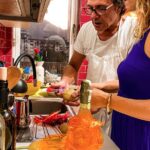
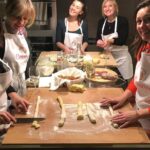
Palermo smells like garlic, citrus, and warm dough when you’re near Mamma Corleone. I love that this is a real family kitchen run by a Sicilian mamma, not a staged demo, and I love the way the recipes lean on standout local ingredients like Bronte pistachio. One thing to plan for: if you need a special diet (like gluten free), you should confirm directly with the provider before you go, because not every booking channel always gets it right.
You start in the old-town area very close to the cathedral, so the class doesn’t feel separate from the city. You’ll cook, eat, and learn how Sicilians build flavor on simple ideas: pasta that carries shrimp, fish dressed to be crisp and satisfying, and cannoli that hits the sweet spot between crunchy shell and creamy filling. In a group that’s capped at 12, it’s the kind of class where questions actually get answered.
The whole session runs about 3 hours 30 minutes, in English, and you’ll finish right back where you started. Expect a friendly pace, solid food, and a genuine sense that you’re learning how people really cook at home in Sicily.
In This Review
- Key things I’d watch for in this Palermo cooking class
- A family kitchen lesson in why Sicilian food tastes the way it does
- Getting oriented around Cattedrale di Palermo before you cook
- The menu you’ll make: shrimp and pistachio, crisped fish, and cannoli
- Pasta with shrimps and pistachio (Bronte)
- Breadcrumbed mackerel or cod
- Cannoli with that right balance
- What you actually learn (and why it matters in Sicily)
- The vibe: energy, translation support, and an easy pace
- Group size (max 12) and what it means for your hands-on time
- Price in context: is $181.41 per person good value
- Dietary needs: your best move if you’re gluten free
- Who should book this Sicilian cooking class in Palermo
- Should you book this cooking class?
- FAQ
- How long is the Sicilian Cooking Class: Traditional?
- How much does it cost per person?
- Where do I meet, and where does the class end?
- What language is the class offered in?
- What is the maximum group size?
- What’s included in the sample menu?
- Do they offer gluten-free options?
- When will I receive confirmation after booking?
Key things I’d watch for in this Palermo cooking class
- Family-run kitchen with a Sicilian mamma at the center of the experience
- Bronte pistachio used in a classic pasta with shrimp dish
- A simple, tasty fish course with breadcrumbed mackerel or cod
- Cannoli included, with that crisp shell and ricotta cream balance
- Small group size (max 12) for more hands-on time and easier Q&A
- Gluten-free needs should be confirmed directly to avoid mix-ups
A family kitchen lesson in why Sicilian food tastes the way it does
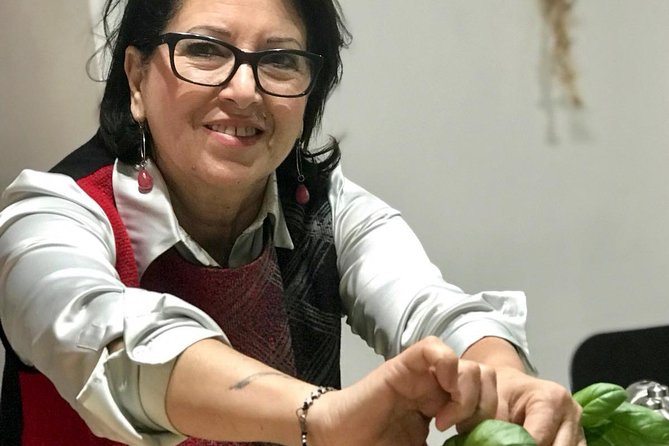
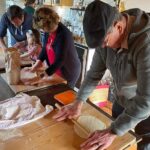
This isn’t the style of cooking class where you watch someone else do all the work while you take notes. The point here is that you’re learning in a real family business kitchen, guided by a Sicilian mamma who drives the cooking and the food stories. That matters, because Sicilian cooking is often about instinct: using what’s local, working with texture, and building flavor in layers rather than relying on fancy techniques.
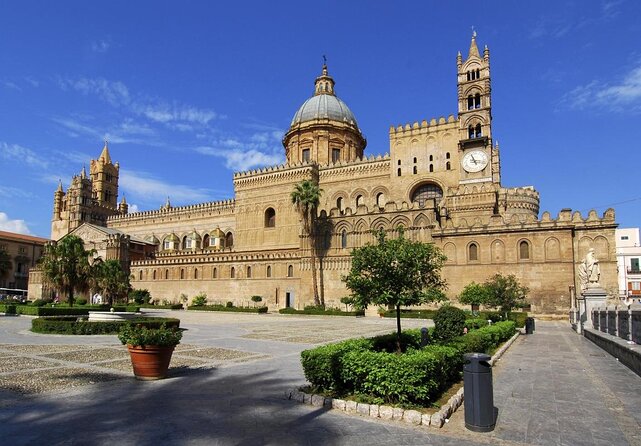
I also like that the class is tied to Palermo’s old town. Meeting close to the Cattedrale di Palermo area means you don’t have to commute across the city to get the experience. You get a sense of place right away, then you settle into the kitchen and the food does the talking.
If you’re the type who enjoys asking why an ingredient gets used, you’ll probably have a good time. The focus is on sharing knowledge and passion for Sicilian food, and you can feel the intention in how the meal comes together.
You can also read our reviews of more tours and experiences in Sicily.
Getting oriented around Cattedrale di Palermo before you cook
The itinerary includes a first stop at Cattedrale di Palermo, and the meeting point is at Mamma Corleone on Vicolo Carini, right in the historic center (90134). That’s a good setup because it helps you connect the cooking class to the city around it.
Here’s how I’d use this time: treat it as a moment to get your bearings. Palermo’s center can be a maze of narrow streets, and having your bearings helps later when you want to keep exploring on your own. Then, once you’re back at the kitchen, you can focus without worrying about getting lost.
One practical note: since it’s near public transportation and uses a mobile ticket, you’ll likely have an easier day overall. Still, old-town streets are not huge highways, so I’d give yourself a little extra buffer for walking and finding the exact corner.
The menu you’ll make: shrimp and pistachio, crisped fish, and cannoli
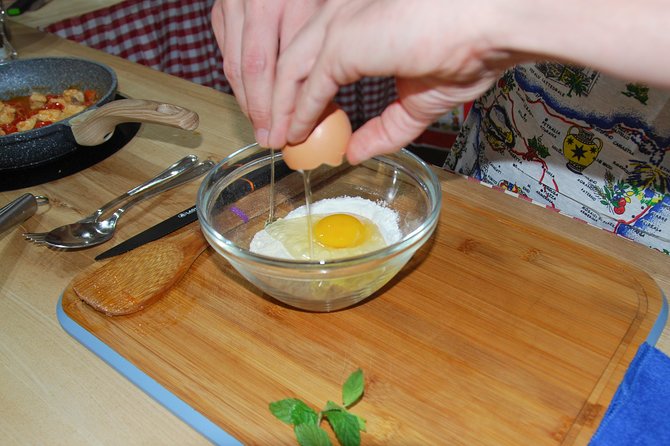
This class has a clear, classic Sicilian flow: pasta first, fish next, dessert that’s basically required in Sicily.
Pasta with shrimps and pistachio (Bronte)
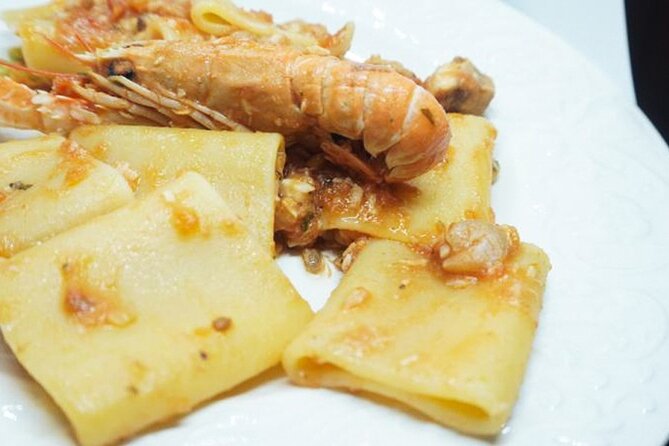
The main pasta is pasta with shrimps and pistachio from Bronte. It’s a smart choice because it shows how Sicilians dress pasta with seafood. The shrimp adds sweetness and depth, while pistachio brings a nutty, slightly aromatic character that feels special without being complicated.
I like this dish because it teaches you something useful beyond one recipe. Once you see how the shrimp and pistachio work together, it’s easier to recognize the same idea in other Sicilian plates: combining coastal ingredients with local crops for flavor that feels grounded and “of the island,” not imported-for-show.
Breadcrumbed mackerel or cod
Next is breadcrumbed mackerel or cod. The important word here is breadcrumbed, because it tells you the texture story. Sicilians love fish, and this preparation leans into crunch and comfort. Breadcrumbs give you structure, and that makes the fish feel hearty even if the cooking stays straightforward.
If you’re used to fish that’s only grilled or steamed, this course can be a wake-up call. It shows how easily you can turn fish into something crispy and satisfying, with a method that travels well to your own kitchen.
Cannoli with that right balance
Dessert is cannoli, and the class’s framing gets straight to why cannoli is so beloved in Sicily: a perfect balance between crispy dough and soft ricotta cream.
This is one of those dishes where you don’t need a lot of extra explanation once you taste it. The shell should snap, the filling should stay creamy, and the overall effect should feel like contrast working together. Cannoli is also a great “souvenir recipe” because even if you don’t repeat it the next day, you’ll understand the logic behind it.
What you actually learn (and why it matters in Sicily)
A lot of people take cooking classes to collect recipes. That’s fine. But the better goal is to learn how cooks think. This class is set up to help you do that.
You’re learning how Sicilians build meals around three pillars:
- Local ingredients with identity, like pistachio from Bronte
- Texture planning, especially with the breadcrumbed fish and cannoli
- Family-style practicality, so the cooking stays approachable
From the way the class is presented, you should come away not just with a list of what to eat next time, but with a clearer sense of how Sicilian meals are assembled. That’s what helps you cook like a person who lives there, not like someone recreating an event.
The vibe: energy, translation support, and an easy pace
One of the most praised parts of this class is the people leading it. Names that show up clearly include Giusi, Nora, and Riham, and multiple people highlight the welcoming energy. If you’re worried about feeling awkward as a visitor, this kind of warmth can be a relief. You’re not stepping into a place where you have to pretend you know what you’re doing.
There’s also a helpful detail from one experience: Nora provided German translation during a session. The tour itself is offered in English, but that mention suggests the team has experience helping with language needs when they come up. If you’re not fluent in English, it’s still worth asking what support they can offer.
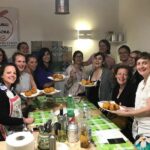
As for pace, the “intimate date” vibe mentioned in feedback makes sense for a group capped at 12. Smaller groups tend to slow things down in a good way: you’re less rushed, more likely to get help when you need it, and the class feels like a real meal gathering.
Group size (max 12) and what it means for your hands-on time
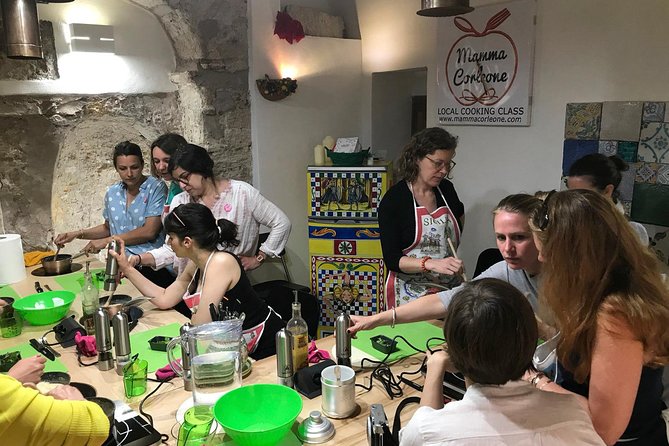
A maximum of 12 people is the sweet spot for cooking classes. It’s small enough that the instructor can notice who’s struggling with a step, and it’s big enough that you still get the social feel of sharing a meal.
If you’re the type who likes asking questions while you cook, this group size works in your favor. With too many people, instructions turn into a lecture. With a smaller group, you’re more likely to get answers that match what you’re doing right then.
Also, because the class lasts about 3 hours 30 minutes, you get enough time for the full arc: cooking, eating, and digesting what you learned.
Price in context: is $181.41 per person good value
At $181.41 per person for about 3.5 hours, this is not a cheap “tour snack.” But it can be good value if you care about actual cooking and a real meal, not just watching food happen.
Here’s why it’s reasonably priced for what you get:
- You’re paying for a family-run kitchen experience in the historic center
- You get a full menu: two mains plus cannoli
- The class is small-group sized (max 12)
- The course highlights ingredients with specific origin, like Bronte pistachio
What would make it feel overpriced is if you only want a quick taste and no hands-on learning. But if you enjoy cooking, Sicilian food, and want a guided experience that feels tied to Palermo rather than generic, the price can pencil out.
Dietary needs: your best move if you’re gluten free
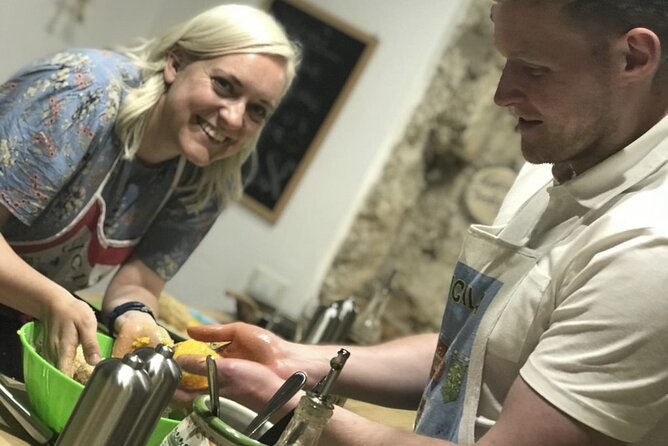
One review emphasized that a gluten-free request can work, but the key lesson was communication. The person noted that confirmation didn’t match what they experienced on arrival, and the team adjusted quickly.
So here’s the practical advice I’d follow: if gluten free matters to you, don’t rely only on automated confirmations. Contact the provider directly ahead of time and be clear about your needs. It reduces stress, and it increases the odds that the menu matches your requirements from the start.
Who should book this Sicilian cooking class in Palermo
This class is a great fit if:
- You want a hands-on Sicilian food experience rather than a bus-and-beige-restaurant tour
- You’re into classic Palermo cooking with modern-friendly structure (you’ll leave with clear recipes)
- You like small groups and feel better when you can ask questions
- You’re a couple or small friend group looking for a learning-meets-dinner plan
It may be less ideal if you’re only looking for a quick sightseeing add-on. The time and money are invested in the cooking and meal, so come with an appetite for learning and eating, not just photos.
Should you book this cooking class?
I’d book it if you want a real Sicilian kitchen experience in Palermo’s old town and you care about learning dishes that make sense locally: shrimp and Bronte pistachio pasta, crisp breadcrumbed fish, and cannoli done the way people expect in Sicily.
I’d hesitate only if you have strict dietary needs and you’re not willing to follow up directly with the provider. Other than that, the small-group size, the family-run feel, and the high satisfaction score make this a solid choice.
If your goal is to leave Palermo with more than memories—if you want recipes you can actually cook—this class is a strong bet.
FAQ
How long is the Sicilian Cooking Class: Traditional?
It lasts about 3 hours 30 minutes.
How much does it cost per person?
The price is $181.41 per person.
Where do I meet, and where does the class end?
You meet at Mamma Corleone, Vicolo Carini, 8, 90134 Palermo PA, Italy, and the activity ends back at the meeting point.
What language is the class offered in?
The class is offered in English.
What is the maximum group size?
The tour has a maximum of 12 people.
What’s included in the sample menu?
You’ll sample pasta with shrimps and pistachio from Bronte, breadcrumbed mackerel or cod, and cannoli.
Do they offer gluten-free options?
One gluten-free experience was adjusted on arrival. If you need gluten free, confirm directly with the provider to avoid mix-ups.
When will I receive confirmation after booking?
Confirmation is expected within 48 hours of booking, subject to availability.