Catania’s food lessons start at the fish market. With Chef Luca, you begin at the Basilica area, tour the local fish market, and pick ingredients that later turn into a hands-on Sicilian cook-and-eat meal. I love that it’s not just watching from the sidelines, and you leave with practical skills you can actually use at home.
The second best part is eating in a home setting, not a touristy dining room. A possible drawback: it’s a small-group experience (max 8), so it’s calmer and more intimate than big, high-energy group tours.
In This Review
- Key highlights
- Catania’s cooking start: meeting Chef Luca by Piazza del Duomo
- The Sant’Agata area and the fish market ingredient hunt
- What to watch for at the market stage
- Luca’s mom’s home kitchen: three courses taught hands-on
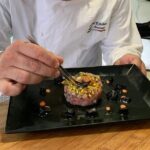
- What you’ll cook: eggplant parmigiana, pistachio pasta, and dessert
- Starter: Eggplant parmigiana
- Main: Pasta con pistacchio di Bronte
- Dessert: Cannoli or zabaglione
- Expect more than one style of menu
- Prosecco, wine, and the Sicilian espresso-after-dessert detail
- Price and value: is $129 worth it?
- Who this class suits best (and who might want something else)
- Practical tips for a smooth 4 hours
- Should you book Chef Luca’s Sicilian cooking class in Catania?
- FAQ
- Where does the cooking class start?
- How long is the experience?
- Is the tour offered in English?
- What do we make and eat?
- Can the host accommodate vegetarians or other dietary needs?
- What is the group size limit?
- Is free cancellation available?
Key highlights
- Meet Chef Luca near Piazza del Duomo and get your bearings in central Catania
- Fish market ingredient hunt with tips on choosing fresh produce and seafood
- Three-course hands-on cooking class taught step-by-step
- Homemade pasta techniques including egg cracking and dough kneading
- Real Sicilian table time with prosecco at the start and local Sicilian wine with lunch
- Dietary requests welcomed if you tell Luca ahead of time
Catania’s cooking start: meeting Chef Luca by Piazza del Duomo
This experience is built around one simple idea: learn Sicilian food the way Sicilians do it—by starting with real ingredients, then cooking together, then eating at the table as a group.
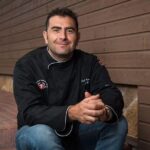
You meet Chef Luca at Via S. Sebastiano, 6 (near Piazza del Duomo). From there, you walk through key sights in the area before reaching the market. The tone is friendly and relaxed, and Luca’s a local with a chef’s background—he’s spent time working in kitchens and also travels for personal and professional reasons. That mix shows in how he explains both technique and the why behind the dishes.
What makes this start work well is timing. You’re not wandering around doing nothing for hours. Within the first chunk of the tour, you’re already learning how to think like a cook: what to look for at the market, how flavors fit together, and what matters when you’re building a plate.
You can also read our reviews of more tours and experiences in Sicily.
The Sant’Agata area and the fish market ingredient hunt
About one hour of your time goes into the market. It begins near Basilica Cattedrale di Sant’Agata (Piazza del Duomo). Then you head to the Catania Fish Market, where you’ll see vendors selling fish and produce from stalls under colorful umbrellas.
Here’s the practical payoff: Luca doesn’t treat the market like a photo stop. He introduces you to his favorite sellers and talks about how Sicilian cooking starts with ingredient quality. You’ll pick out a few ingredients that you’ll later use in your cooking class. That one detail changes the whole feel of the class, because you’re cooking with ingredients you’ve chosen yourself—not mystery items from a kitchen supply bin.
Also, the walk between landmarks helps you get your bearings quickly. Even if you’re only in Catania for a short time, you’ll come away knowing where you are and how different parts of the center connect. It’s not a “lecture”—it’s the kind of guidance you’ll appreciate later when you try to navigate on your own.
What to watch for at the market stage
The tour isn’t long, but it moves at a working-food pace. Wear comfortable shoes. This is the part where you’ll spend time standing and looking closely at stalls, so you’ll feel better if your feet are happy.
Luca’s mom’s home kitchen: three courses taught hands-on
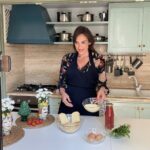
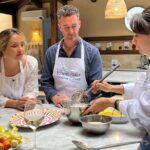
After the market, you move back toward central Catania and walk to Luca’s mother’s home, not far from Piazza del Duomo. This is where the experience becomes truly “real life.” You start the cooking portion with a glass of prosecco as Luca sets up the ingredients and the dishes you’ll make.
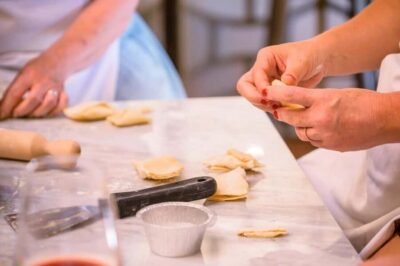
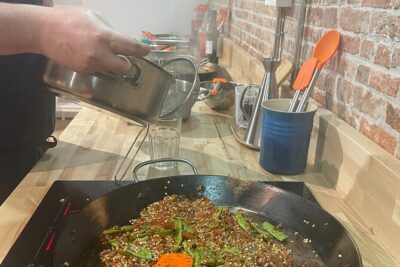
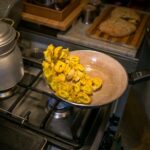
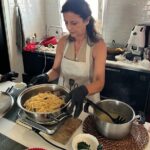
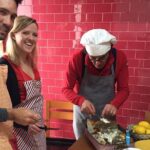
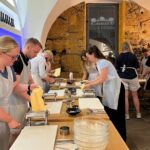
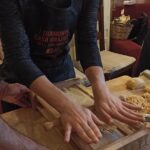
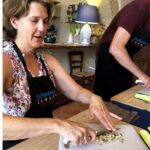
Then the class gets practical. You’re in a working kitchen setting with Luca teaching technique in a way that makes you feel like you can do it yourself. You’ll learn core steps you can reuse later, including how to crack eggs cleanly into a flour well, plus how to knead pasta dough to the right feel.
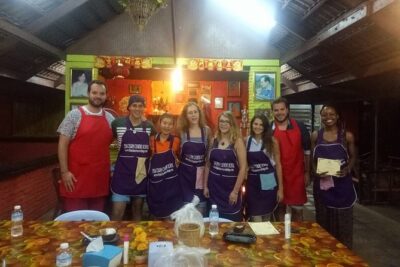
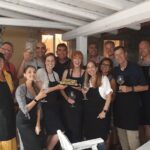
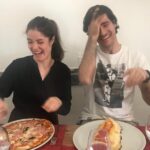
The cooking time is about 1.5 hours, and after that you sit down to enjoy what you made. You’ll have local Sicilian wine with the meal, and it’s not just about eating—it’s about sharing the table. In this home setting, Luca’s mother (and his fiancee, on some occasions) join the meal and conversation. Even if your Italian is limited, the vibe stays warm and conversational, with Luca translating as needed and everyone pitching in with gestures when words run out.
One more thing I really like: Luca can tailor the class to preferences. If you tell him what you enjoy—or what you need to avoid—the dishes can be adjusted within the structure of the three-course format.
What you’ll cook: eggplant parmigiana, pistachio pasta, and dessert
The menu gives you a classic snapshot of Sicilian comfort food, with a nod to local specialties.
Starter: Eggplant parmigiana
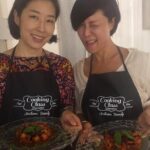
You’ll learn a starter built around eggplant parmigiana—eggplant with tomato sauce, parmesan cheese, and basil. This is the kind of dish that teaches you patience and balance: eggplant needs respect, and sauce needs to taste finished, not just cooked.
Main: Pasta con pistacchio di Bronte
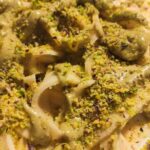
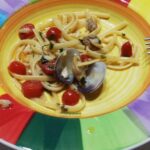
For the main, expect pasta con pistacchio di Bronte, using fresh pasta and pistachios. The main can include bacon or seafood, depending on what you choose and what Luca sets up for the group. Either way, you get the idea that pistachio here is not a sweet garnish—it’s part of the savory flavor story.
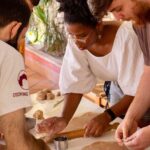
You’ll be making the pasta, not just eating it. That’s where the techniques Luca teaches matter. If you’ve never kneaded dough before, you’ll get hands-on coaching until you understand the feel.
Dessert: Cannoli or zabaglione
For dessert, you’ll have a choice between cannoli and zabaglione. Cannoli is the famous one—crisp shells with rich filling. Zabaglione is creamy and egg-forward in a different way. Either choice closes the meal nicely.
Expect more than one style of menu
The example menu above is the standard plan, but classes can vary based on preferences. On some days, you may see dishes lean more seafood-forward in the overall course setup. The constant is that you’ll still get a three-course meal taught by Luca, and you’ll still eat what you cooked.
Prosecco, wine, and the Sicilian espresso-after-dessert detail
Food classes often stop at cooking. This one makes sure you actually eat well after.
You’ll start with a glass of prosecco, then later sit down with local Sicilian wine. There are also snacks during the cooking portion, so the pace feels comfortable rather than frantic.
A small detail that Luca mentions, and that I love because it’s so specific, is the idea that Sicilians often have their own small espresso setup at home—and they’ll drink espresso right with dessert. It’s the kind of everyday habit that makes this tour feel less like a show and more like learning someone’s routine.
Price and value: is $129 worth it?
At $129 per person for about 4 hours, this class sits in the “mid-price but high value” zone. You’re paying for a few things that add up:
- A guided market experience with ingredient selection
- A hands-on cooking lesson with real time in a kitchen
- A full three-course meal
- Drinks including prosecco and local Sicilian wine
What makes the value feel fair is the format. You’re not just tasting. You’re getting coached on technique—egg cracking, pasta dough kneading, and assembling classic dishes. That’s exactly what helps you recreate meals later, instead of remembering what someone else cooked.
Also, the group limit of up to 8 travelers matters. Smaller groups typically mean more individual attention, and that’s especially important when you’re learning pasta steps.
Who this class suits best (and who might want something else)
This is a great fit if you:
- Want real regional food, not generic Italian cooking
- Enjoy learning technique you can repeat at home
- Like a warm, home-table atmosphere over restaurant-formality
- Are okay spending time walking between a couple central stops
It’s also a smart choice if you don’t speak Italian. Luca runs the class in English, and when communication gets tricky, translation and friendly nonverbal cues do the job. The focus stays on cooking and conversation.
What might not be ideal if you want:
- A large, structured tour with lots of sightseeing stops
- A silent experience where people keep to themselves
- A fast in-and-out tasting only (this one takes its time so you can cook)
Practical tips for a smooth 4 hours
A few small things make your day easier:
- Wear comfortable shoes for market and walking time.
- Tell Luca about dietary needs when booking. The host can accommodate vegetarians and other dietary requests if you say what you need ahead of time.
- Arrive a few minutes early at the meeting point so you start on time.
- Keep your expectations grounded: you’re learning and eating together. This isn’t a quick photo scavenger hunt.
And if you’re the kind of person who likes to ask questions, this is a good match. Luca shares tips not only about cooking but also about the rest of your Sicily trip, and the conversation can bounce between English, Italian, and Spanish depending on the moment.
Should you book Chef Luca’s Sicilian cooking class in Catania?
Yes, you should book this class if you want a Catania experience that feels specific to the place. The market-to-kitchen flow makes it practical, and the home setting makes it personal. You’re learning a three-course meal with real technique, then eating it with wine in a family-style atmosphere.
If you’re unsure, think about what you want out of Sicily: big landmarks or real everyday food culture. This one leans hard toward food culture. For most people, that’s exactly the vacation memory they want to bring home.
If you care about hands-on cooking, fresh ingredients chosen with guidance, and a warm table where language doesn’t get in the way, Chef Luca’s class is a very solid use of your time.
FAQ
Where does the cooking class start?
You meet at Via S. Sebastiano, 6, 95121 Catania CT, Italy.
How long is the experience?
It runs for about 4 hours.
Is the tour offered in English?
Yes, the class is offered in English.
What do we make and eat?
You’ll prepare a three-course Sicilian meal: a starter (like eggplant parmigiana), a homemade pasta course (such as pasta con pistacchio di Bronte), and a dessert (like cannoli or zabaglione). You also get drinks, including prosecco and local Sicilian wine, plus snacks.
Can the host accommodate vegetarians or other dietary needs?
Yes. You can request vegetarian options and other dietary accommodations—just inform the host when booking about your restrictions.
What is the group size limit?
The experience has a maximum of 8 travelers.
Is free cancellation available?
Yes. You can cancel for a full refund up to 24 hours in advance of the start time.