REVIEW · SICILY
Authentic Sicilian Street Food: Fried Pizza Catania Cooking Class
Book on Viator →Operated by Curioseety SRLS · Bookable on Viator
Fried pizza starts as dough balls. In Catania, you learn two-disc pizza fritta shaping and the filling technique that keeps everything inside. I also like the EVO frying step, because that’s where the crunch finally makes sense.
One thing to keep in mind: it’s a 3-hour class built for results, so you do learn the long-leavening concept, but you’re not doing the full dough-from-scratch process end to end.
In This Review
- Key things you should know before you go
- A hands-on Sicilian street-food class in Catania
- The 3-hour flow: what you’re actually learning
- Two discs and a proper seal: the real technique lesson
- Fillings that taste like Sicily, plus real vegetarian options
- Why the frying step is worth paying for
- The meal: street food style, plus dessert and wine
- Price and value: what $93.45 really buys
- Where it fits in your Catania plans (and how to plan around it)
- Who should book the pizza fritta class
- A balanced take: the one trade-off to consider
- Should you book this fried pizza class?
- FAQ
- Where is the meeting point for the class?
- What time does the experience start?
- How long is the cooking class?
- Is the class offered in English?
- What’s the maximum group size?
- What’s included in the $93.45 per person price?
- Are vegetarian options available?
- Do they accommodate allergies or dietary needs?
- Can I get a full refund if I cancel?
Key things you should know before you go
- Two discs per pizza: you roll a base and a cover, then seal them carefully
- Pantelleria-style pizza fritta: you’ll make a fried Sicilian street-food version with classic stuffing
- Classic filling + swaps: Pecorino primo sale, anchovies, olives, black pepper, plus options like broccoli, stewed onions, or endive
- Fried in EVO on both sides: extra virgin olive oil is the method, not a garnish
- Small group format: maximum 6 travelers, taught in English
A hands-on Sicilian street-food class in Catania
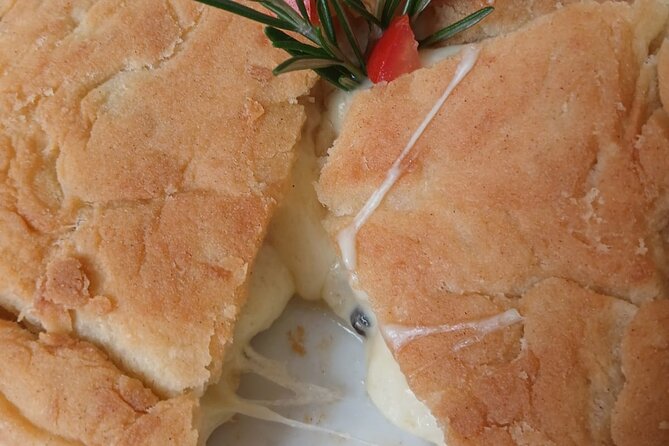
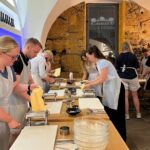
If you like food where technique matters, this pizza fritta class is a strong pick. You’re not just watching someone cook. You’re learning how Sicilians turn leavened dough into a stuffed, fried handheld. And because it ends with you eating what you made, the whole experience stays practical.
This is also a good example of why Sicilian street food feels different. It’s not about fancy plating. It’s about process: dough made with respect, filling balanced with salt and fat, and frying done the right way so the outside stays crisp while the inside stays juicy.
The timing is built around that payoff. The class runs about 3 hours. You’ll start at 10:30 am at Via E. A. Pantano, 112, in Catania, and you’ll finish back at the meeting point.
You can also read our reviews of more tours and experiences in Sicily.
The 3-hour flow: what you’re actually learning
The class starts with a clear explanation of the long-leavening process. You’ll hear why Sicilians use excellent organic durum wheat flour and why waiting improves the dough. Even though the dough is ready for working (so you can finish your pizzas within the session), the lesson helps you understand what you’re holding in your hands.
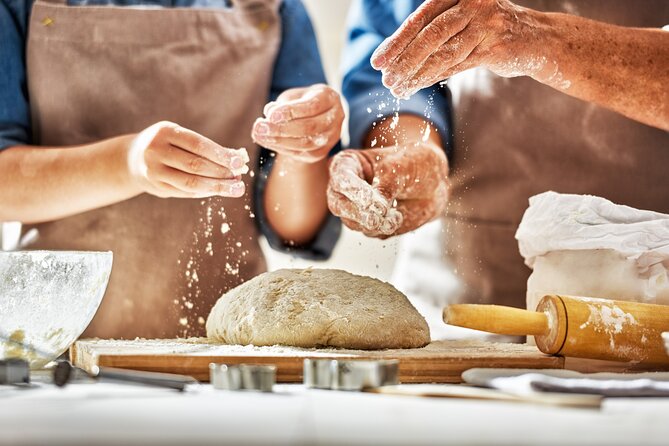
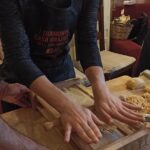
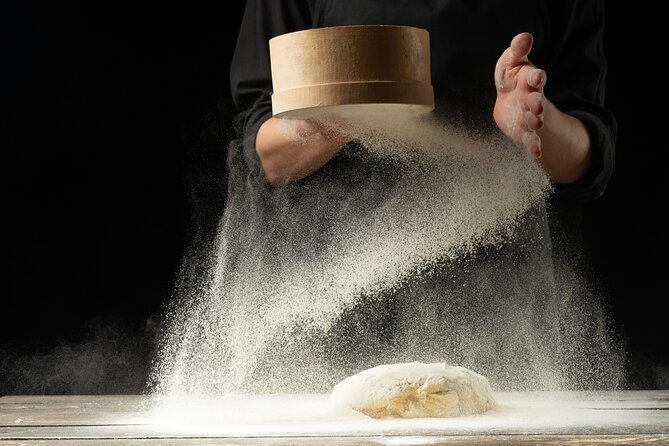
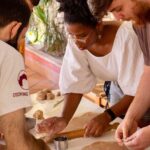
Then the hands-on part kicks in fast. You divide the leavened dough into balls, and you learn how to roll them into discs. That word matters: you’re not just flattening dough. You’re shaping circles you can stack with confidence.
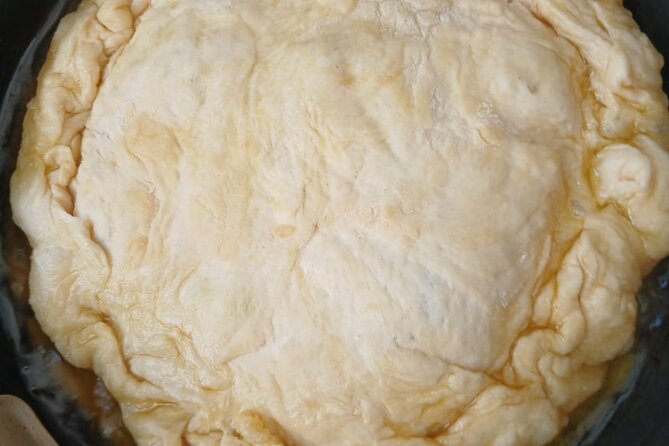
Here’s the key skill: for each pizza, you roll two discs. One becomes the base. The other becomes the cover. The base disc sets up the filling zone. The cover disc is what makes the pizza fritta behave like a sealed pocket instead of an open-faced snack.
Finally, you learn how to seal the two discs so the filling stays inside when the pizza hits the oil. That sealing technique is where a lot of beginner attempts go wrong at home, so the class is valuable even if you don’t speak Italian. You’ll get the visual, the rhythm, and the correction.
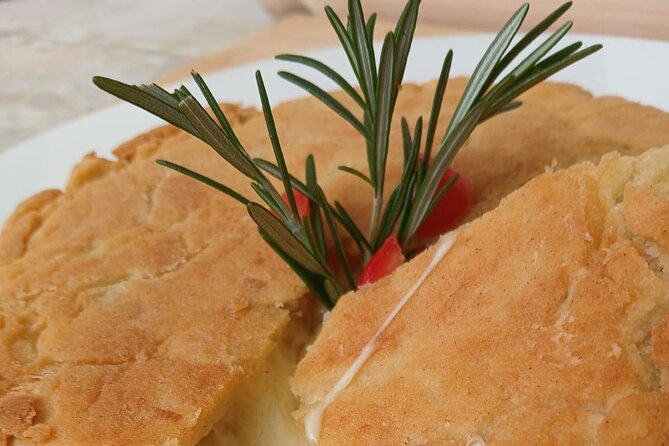
Then comes the payoff: frying. You’ll fry your pizza on both sides using authentic extra virgin olive oil (EVO). The goal is hot, crisp pizza fritta straight from the process.
Two discs and a proper seal: the real technique lesson
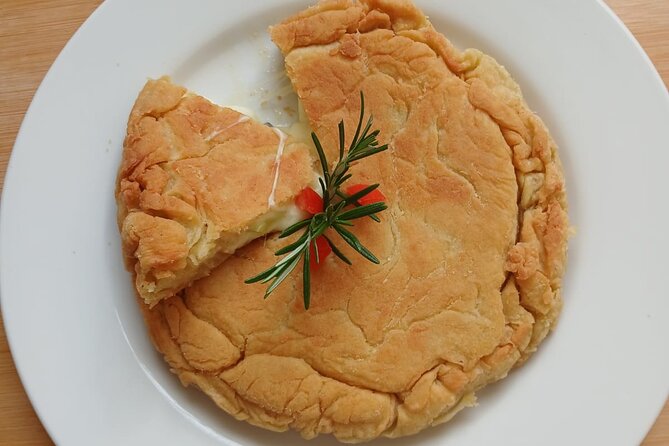
This class has one standout teaching moment: the two-disc method. It’s simple to describe, but it’s surprisingly easy to mess up if you treat it like “stuff and fold” or “make a calzone cousin.”
You’ll practice rolling discs so they’re usable as a base and a cover. Too thick and the frying takes forever. Too thin and you risk tearing when you seal. The class pushes you toward discs that cooperate with the oil heat.
Then you’ll build the pizza with generous filling. The pressure point isn’t only the amount. It’s how you distribute filling so you can close the edges without squeezing everything out. This is exactly why the sealing technique matters. A good seal keeps the shape and helps the filling stay centered instead of leaking out into the oil.
If you’re hoping to recreate this later, this is the part you’ll remember: sealing isn’t decoration. It’s structural.
Fillings that taste like Sicily, plus real vegetarian options
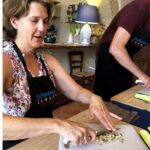
The classic version in the class is unmistakably Sicilian. You’ll be working with a combination of Pecorino primo sale, anchovies, olives, and black pepper. It’s salty, savory, and bold. And because this pizza is fried, the flavors come across more direct than in a baked pizza.
One practical advantage for you: you’ll also learn seasonal and vegetarian variations, not just one “default” recipe. The class includes options like:
- broccoli
- stewed onions
- endive
So you can choose based on taste or dietary needs while still keeping the pizza fritta method the same. That matters because the dough, rolling, sealing, and frying techniques stay consistent. The filling changes, but your hands learn the core mechanics.
Why the frying step is worth paying for
The most important part of pizza fritta is also the most unforgiving: the fry. The class uses authentic extra virgin olive oil (EVO) and fries the pizza on both sides. That’s not just a detail. It’s the whole flavor engine.
EVO frying influences taste in two ways. First, it carries an olive aroma that baked pizza simply can’t replicate. Second, it affects how the outside crisps up. In a good fry, the exterior turns crisp and holds together so you can eat it hot without it immediately falling apart.
Because the class includes serving your fried pizza hot and crispy, you get the “then what” part too. You don’t just learn technique in theory. You test it by eating right after frying.


The meal: street food style, plus dessert and wine
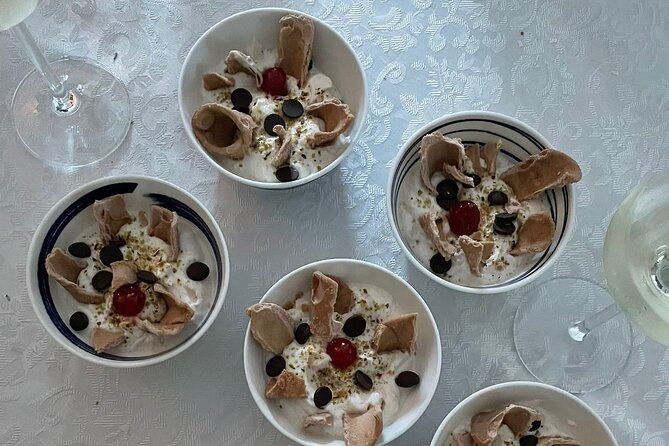
After cooking, you eat what you made as a two-course meal. The sample menu includes:
- Main: Pantesca fried pizza
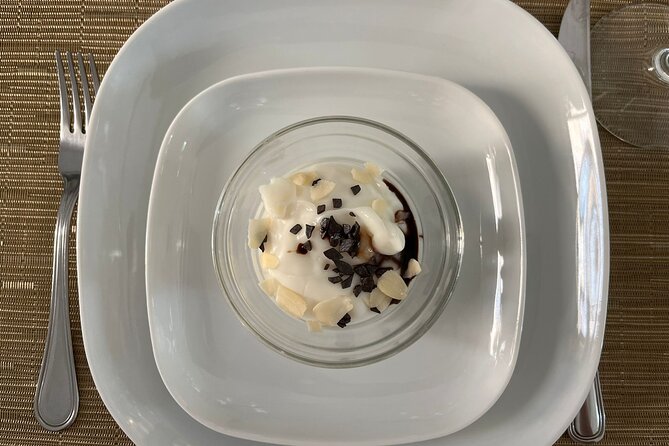
- Dessert: Sicilian dessert
You’ll also have water and a glass of local wine or soft drink included. This is a nice balance: you learn a Sicilian street-food method, then you get a proper sit-down food moment to slow down and taste.
One subtle benefit for you: eating your own pizza while it’s still hot helps you connect the technique to the result. If a seal was too light, you’d notice in the bite. If the disc was too thick, you’d feel it. That immediate feedback is one of the best reasons to take a hands-on class.
Price and value: what $93.45 really buys
At $93.45 per person, this is not a casual snack stop. It’s a guided cooking lesson plus food. The value is strongest if you want more than “a cooking demo.”
Here’s what’s included:
- hands-on lesson preparing pizza fritta
- water and a glass of local wine or soft drink
- vegetarian option always available if specified when booking
- a two-course meal
Also, the class is capped at maximum 6 travelers. That small group size changes the feel. You get more attention as you roll, stuff, seal, and fry. For technique-based cooking, that matters. If you’re making something that relies on correct thickness and sealing, you want correction while your hands can still adjust.
So the best way to think about the price: you’re paying for guided practice, not just ingredients. If that’s what you want, it’s a fair deal. If you only want to eat and skip the making, you may decide it’s more than you need.
Where it fits in your Catania plans (and how to plan around it)
This starts at 10:30 am and runs about 3 hours. That makes it ideal as a mid-morning anchor in your day. It also means you can build the rest of your itinerary around a full meal.
Because the meeting point is Via E. A. Pantano, 112, you’ll want to factor in time to arrive slightly early. The class ends back at the meeting point, so you’re not stuck figuring out a new neighborhood at the end.
Also, this experience is offered in English and confirmed at booking time. And since it’s near public transportation, you’re not dependent on a car.
Who should book the pizza fritta class
This experience is a great match if:
- you want to learn a real Sicilian technique, not just watch cooking
- you like street food that’s built around process
- you’re interested in trying classic flavors like Pecorino primo sale, anchovies, and olives
- you want a vegetarian-friendly path without changing the core method
It’s especially good for couples, small groups, and anyone who enjoys taking food skills home. You’ll leave with the steps you need to replicate the two-disc approach, plus confidence about how stuffing and sealing work together.
A balanced take: the one trade-off to consider
The class is hands-on, but it’s still time-boxed. You learn about long-leavening, but the dough is already ready to use so the session stays on track. If your goal is to master every stage of dough development from the beginning, you might feel the schedule is simplified.
Still, for most people, the fast learning-to-eat structure is the point. You get the method you care about most: rolling, sealing, and frying, then tasting the result while it’s at its best.
Should you book this fried pizza class?
I’d book it if you want a compact, technique-focused Sicilian food experience with small-group attention and a meal that follows right after you cook. The combination of two-disc shaping, classic stuffing like primo sale and anchovies, and frying in EVO is exactly the kind of skill you can actually use later.
If you’re only looking for a quick bite, or you want a deep dough science session from start to finish, you may want to look elsewhere. But if you like learning by doing, this one earns its place on a Catania food day.
FAQ
Where is the meeting point for the class?
The meeting point is Via E. A. Pantano, 112, 95129 Catania CT, Italy.
What time does the experience start?
It starts at 10:30 am.
How long is the cooking class?
The duration is about 3 hours.
Is the class offered in English?
Yes, it’s offered in English.
What’s the maximum group size?
The class has a maximum of 6 travelers.
What’s included in the $93.45 per person price?
You get a hands-on cooking lesson, water and a glass of local wine or soft drink, and a two-course meal.
Are vegetarian options available?
Yes. A vegetarian option is always available if you specify it at booking.
Do they accommodate allergies or dietary needs?
They ask you to let them know about allergies or dietary needs so they can tailor the experience.
Can I get a full refund if I cancel?
Free cancellation is available up to 24 hours in advance of the start time for a full refund.