REVIEW · ROME
Rome: Cooking class with wine pairing at Come Na Vorta
Book on GetYourGuide →Operated by COME NA VORTA · Bookable on GetYourGuide
Pasta night in Trastevere feels like family. Come ’Na Vorta turns a cozy Roman kitchen into a hands-on lesson, ending with a sit-down meal you help create. You’ll learn fresh pasta shapes, choose sauces, and finish with tiramisù, all in a straightforward, welcoming setting in one of Rome’s most-loved neighborhoods.
I love the hands-on pasta instruction that helps you go from dough to real fettuccine and gnocchi you can actually be proud of. I also like the free-flowing Prosecco and bruschette that keep the vibe relaxed while you cook.
One possible drawback: this is a food-forward, drink-included activity, so if you want something light and short, the full 3 hours might feel like a lot.
In This Review
- Key things to know before you go
- Trastevere pasta lessons at Come ’Na Vorta
- A 3-hour flow: dough, sauces, and tiramisù finish
- 1) Prosecco and bruschette before you start
- 2) Learn to make fresh pasta (fettuccine) the real way
- 3) Make pillowy gnocchi from scratch
- 4) Add traditional Roman sauce choices
- 5) Finish with tiramisù and learn the house method
- 6) Sit down together and eat your work
- What’s actually included (and what makes it feel worth it)
- Prosecco plus wine pairing options: Bronze, Silver, Gold
- The instructor experience: English-friendly and family-run
- What you’ll learn you can use later (not just eat once)
- Pasta texture and shaping
- Gnocchi method
- Sauce pairing logic
- Tiramisu assembly
- Price and value: is $68.10 a fair deal?
- Who this Rome cooking class suits best
- Practical tips so you enjoy every minute
- Should you book Come ’Na Vorta?
- FAQ
- How long is the cooking class?
- Where do I meet for the class?
- Does it include pickup or drop-off?
- What do I learn to cook?
- Do I get to eat what I cook?
- Is wine included?
- Is there Prosecco during the class?
- What languages is the class taught in?
- Is the experience wheelchair accessible?
- What if I need to change my plans?
- Is food beyond the menu included?
Key things to know before you go
- Trastevere location: the class happens inside Come ’Na Vorta, in the Trastevere area near Piazza Trilussa.
- You make and then eat: fresh fettuccine and gnocchi are part of the lesson, and your final meal is what you helped prepare.
- Tiramisu variations: you’ll learn how to make the tiramisù style that the house is known for.
- Wine comes in tiers: Bronze, Silver, or Gold options change the quantity and wine levels, from local wines up to bottles like Brunello di Montalcino and Amarone.
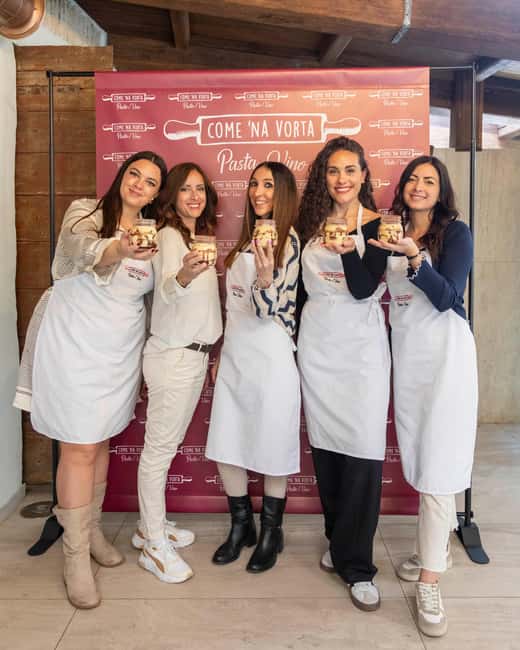
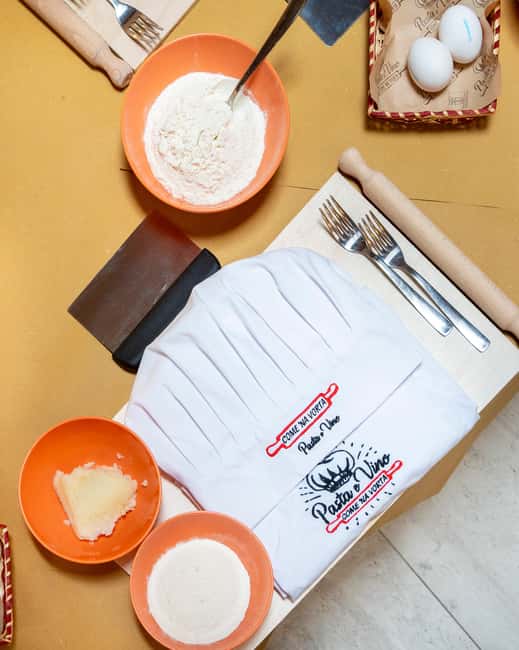
- Small details, real tools: aprons and pasta-maker hats are provided, plus printed recipes to take home.
Trastevere pasta lessons at Come ’Na Vorta
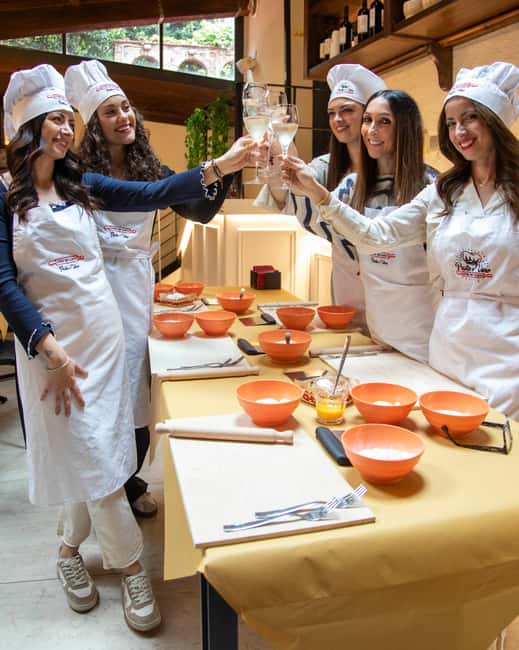
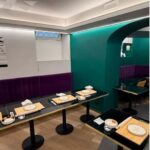
If you want Rome to feel less like a checklist and more like a night out with good food, this is a strong bet. Come ’Na Vorta (Pasta e Vino) is a family-owned restaurant in Trastevere, and the whole experience is built around one idea: you learn by doing, then you eat what you made.
The setting matters. You’re not stuck watching from the sidelines. Instead, you’re in the kitchen space with the tools, ingredients, and an instructor who guides you step by step (English and Italian are both supported). The restaurant’s family tradition shows up in the pace too: friendly, practical, and not overly formal.
And yes, there’s wine. Not just a token pour—more like a pairing that keeps your energy up while you cook.
You can also read our reviews of more tours and experiences in Rome.
A 3-hour flow: dough, sauces, and tiramisù finish
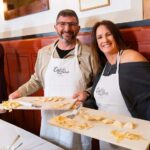
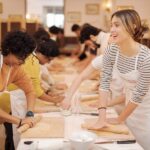
Plan on about 3 hours total. Most of that time is hands-on preparation, then you sit down to enjoy the meal together.
Here’s how the evening typically feels, in the order you’ll experience it:
1) Prosecco and bruschette before you start
You begin with a glass of Prosecco, then you’ll snack on bruschette with extra virgin olive oil. It’s a smart way to start in Rome-style: warm, casual, and centered on eating while you settle in.
Practical note: arrive hungry. Even with snacks, you’ll still want room for pasta and tiramisù later.
2) Learn to make fresh pasta (fettuccine) the real way
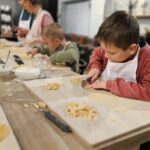
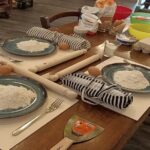
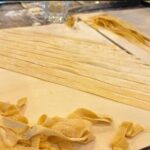
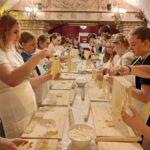
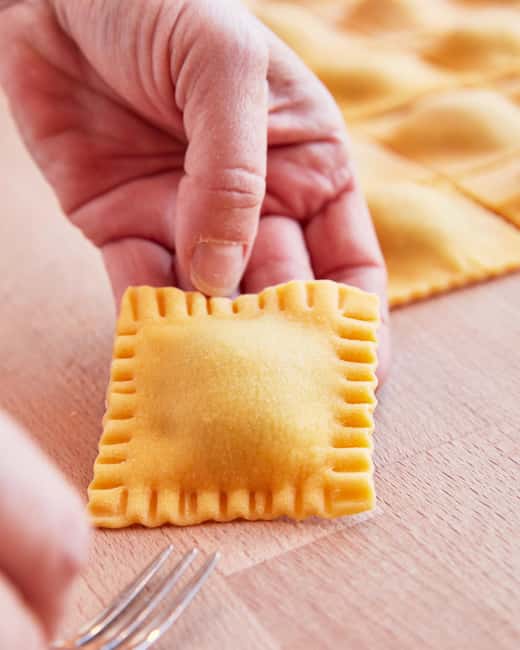
You’ll roll up your sleeves and start forming fresh pasta dough into fettuccine. The point isn’t perfection on day one. The point is understanding the process: texture, thickness, shaping, and how to handle dough so it behaves like dough instead of a sticky mystery.
3) Make pillowy gnocchi from scratch
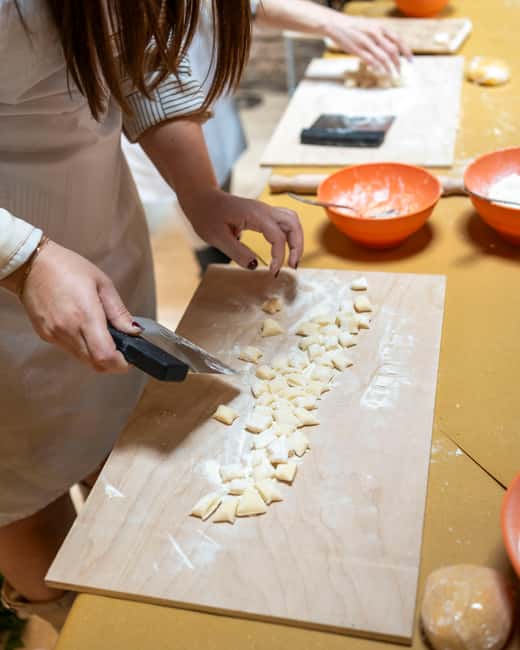
Next comes gnocchi. If you’ve only had gnocchi from restaurants, making it yourself changes your perspective fast. You’ll learn what makes gnocchi light and soft and what helps it hold together.


4) Add traditional Roman sauce choices
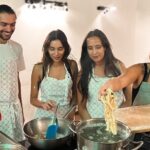
Once your pasta is ready, it’s time to cook up your dishes with traditional Roman sauces. You can choose your sauce(s) from the options offered. Two examples you can look for on the menu are pesto and amatriciana, which are classic picks that show up during the experience.
You’ll ultimately be served two pasta dishes (each guest gets two) with sauces of your choice, so you can sample more than one style without ordering twice.
5) Finish with tiramisù and learn the house method
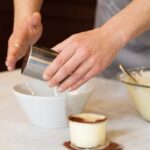
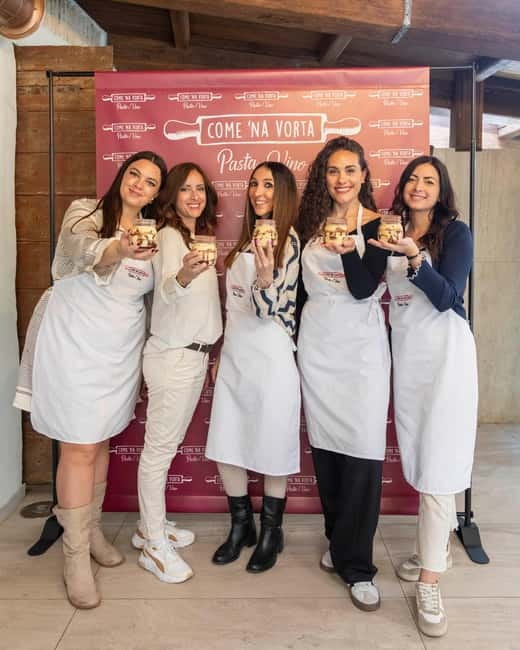
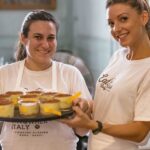
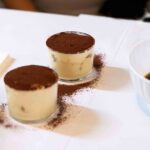
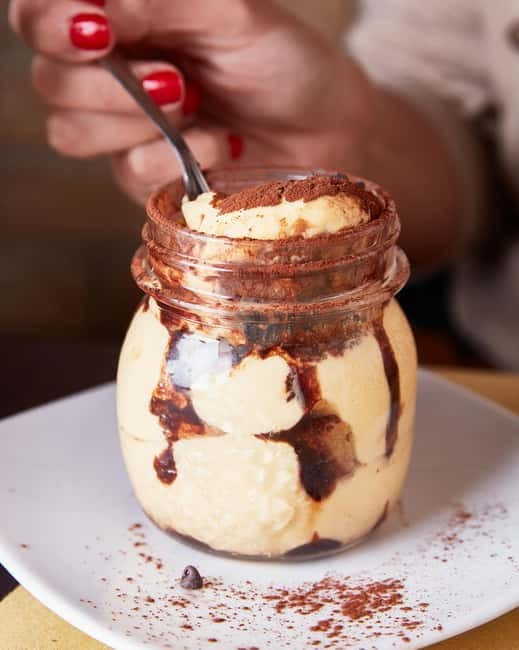
Tiramisu is the finale. You’ll be shown variations of their tiramisù that lots of people love, then you’ll get a homemade tiramisù portion at the end (one per guest).
This matters because tiramisù is one of those desserts people think they already understand—until they see how it’s assembled and balanced. You’ll leave with a clearer sense of how to make it at home, not just what it tastes like.
6) Sit down together and eat your work
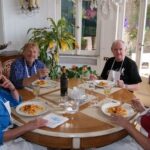
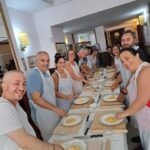
After cooking, you all sit down to enjoy the feast you’ve created, paired with your selected wine option.
What’s actually included (and what makes it feel worth it)
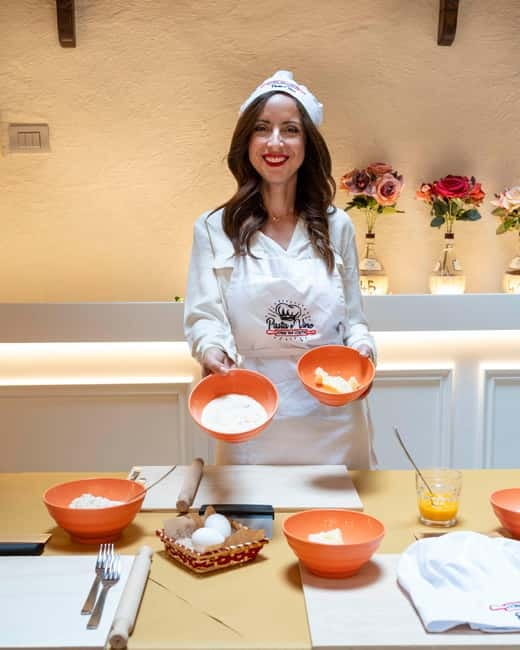
This isn’t just a cooking demo with a plate at the end. It includes a real package of food, drink, instruction, and take-homes.
You get:
- Aprons and pasta-maker hats to use during the class
- Prosecco plus bruschette (with extra virgin olive oil)
- Water
- Wine with your meal (the specific wine level depends on Bronze/Silver/Gold)
- Two pasta dishes per guest with sauces of your choice
- Homemade tiramisù per guest
- Printed recipes to take home
- A certificate of participation
Those printed recipes and the certificate sound small, but they help with the main value of this type of class: you can repeat it at home without guessing.
Prosecco plus wine pairing options: Bronze, Silver, Gold
Wine is part of the experience from start to finish, and the key detail is that you pick a tier when you book.
From the information you’re given, the tiers work like this:
- Bronze: one glass of a locally produced, popular wine
- Silver: two glasses of traditional Italian wines such as Chianti and Chardonnay
- Gold: two glasses of prestigious Italian wines such as Brunello di Montalcino and Amarone della Valpolicella
Even if you don’t chase fancy bottles, the tier system is helpful because it lets you control both your budget and your wine expectations. And since you start with Prosecco and snack during cooking, the overall drink flow is more than just a single toast.
One practical point: you’ll still be doing hands-on cooking, so pace yourself. Prosecco helps, but you’ll want to stay steady while shaping dough and gnocchi.
The instructor experience: English-friendly and family-run
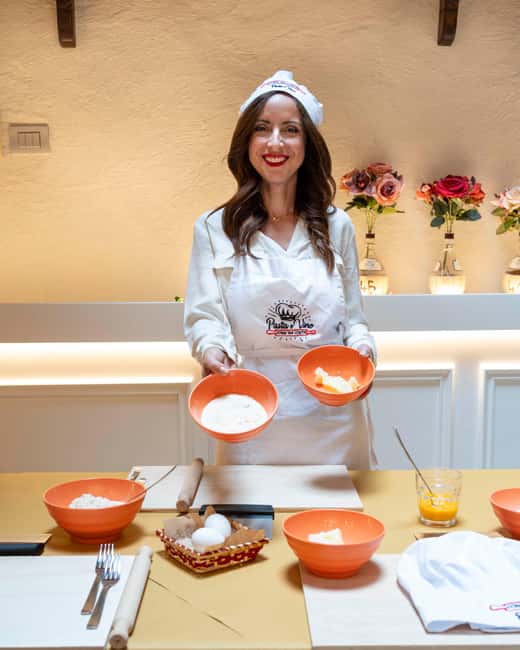
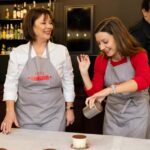
The class is led by an expert host/instructor who guides you through each step and answers your questions in English or Italian.
What you’ll appreciate is the way the teaching is described: practical technique, clear guidance, and a focus on getting you to understand the steps rather than memorize them. That’s especially important for pasta shapes and gnocchi, where small changes in handling can affect results.
In the same spirit, you may meet hosts named Alina and an Alice (Chef)-type lead in some sessions. The friendly, patient style is a major part of why people recommend this experience to families as well as couples.
What you’ll learn you can use later (not just eat once)
This kind of class earns its keep when it gives you transferable skills. Here’s what you’re really practicing:
Pasta texture and shaping
Fresh pasta has a feel that dried pasta doesn’t. You’ll learn how dough looks and behaves, and you’ll work on shaping into fettuccine so it holds up when cooked.
Gnocchi method
Gnocchi is where many people get nervous. The class format helps because you’re guided through the process. Once you understand the technique, you’re no longer intimidated by it as much at home.
Sauce pairing logic
You’re serving two pasta dishes with sauces of your choice. That’s useful because it gives you a mini education in what sauce suits what mood. If you choose pesto, for example, you’ll see how fresh pasta and herb-forward flavors work together. If you choose something like amatriciana, you’ll taste a richer Roman profile that pairs well with classic pasta textures.
Tiramisu assembly
Tiramisu is often treated like a one-step dessert. This experience focuses on how the house does it, including the variations people love. That gives you a clearer roadmap for making it later.
Price and value: is $68.10 a fair deal?
At $68.10 per person for around 3 hours, the value comes from combining five things: instruction, ingredients and tools, a meal you eat together, dessert, and wine (plus Prosecco and bruschette along the way).
Let’s look at why it can be a good purchase:
- You’re not paying only for entertainment. You get real food output: two pasta dishes, tiramisù, and snacks.
- You get wine pairings, not just water or a single drink.
- You leave with printed recipes and a participation certificate, which helps convert the experience into a home-cooking skill.
When it might feel expensive (so you can decide honestly): if you don’t drink wine and you’d prefer a quick meal instead of an entire hands-on session, you may not use the included value. In that case, you might compare it to other pasta experiences that focus more on eating than learning.
Who this Rome cooking class suits best
This works especially well if you’re:
- A couple looking for a fun date that includes a real meal
- A solo traveler who wants interaction without awkward small talk
- A family trip where kids and grandparents can both participate (the vibe is described as inclusive and patient)
- A group doing team building or a shared foodie activity, since it’s structured and social
It may not be ideal if:
- You hate hands-on cooking and prefer watching
- You want strict dietary customization (the menu is described as set, and extra foods/drinks outside it are not included)
- You’re on a tight schedule and can’t spare about 3 hours
Practical tips so you enjoy every minute
A few small steps help you get the most out of the class:
- Wear something comfortable. You’ll handle dough. Even with an apron, you can expect some mess energy.
- Go in open-minded about gnocchi. It’s hands-on, and that’s the point. If yours looks imperfect, that doesn’t mean you failed—it means you learned.
- Choose your sauce options confidently. If pesto calls to you, pick it. If you want a Roman classic like amatriciana, pick that too. You’ll get two pasta dishes per guest.
- Pace the drinks. Prosecco and wine are part of the experience, but you’re also cooking. Keep your energy for shaping and eating.
- Use the printed recipes after. That’s what turns the memory into a repeatable meal.
Should you book Come ’Na Vorta?
I think you should book it if you want a genuine Roman food experience that’s active, not passive. The combination of learning fresh pasta (including fettuccine and gnocchi), eating two pasta dishes plus tiramisù, and pairing it with Prosecco and a wine option makes the price feel grounded in real value.
You might skip it if your ideal Rome day is mostly sightseeing and you don’t have room for a 3-hour cooking-and-dining block. Also, if you’re looking for lots of dietary flexibility, you’ll want to check your needs directly with the restaurant in advance since the menu is described as designated.
If you do book: arrive hungry, bring a good mood, and expect to leave with at least a couple techniques you’ll actually use back home.
FAQ
How long is the cooking class?
The experience lasts about 3 hours, with roughly 2 hours for preparation and then time to enjoy your meal.
Where do I meet for the class?
You start inside the restaurant called Come ’Na Vorta – Pasta e Vino. Go inside and ask the staff about the cooking class; they’ll accompany you to the guide.
Does it include pickup or drop-off?
No, pickup or drop-off is not included.
What do I learn to cook?
You’ll learn to make fresh fettuccine, pillowy gnocchi, and tiramisù from scratch.
Do I get to eat what I cook?
Yes. You’ll be served two pasta dishes and dessert, and you’ll sit down together to enjoy the meal you helped prepare.
Is wine included?
Wine is included, and you can choose between booking options (Bronze, Silver, Gold) that affect the amount and the wine level.
Is there Prosecco during the class?
Yes. You’ll start with a glass of Prosecco, and it’s described as free-flowing, along with bruschette during the class.
What languages is the class taught in?
The instructor and host support English and Italian.
Is the experience wheelchair accessible?
Yes, it’s wheelchair accessible.
What if I need to change my plans?
You can reserve now and pay later. Free cancellation is available up to 24 hours in advance for a full refund.
Is food beyond the menu included?
Extra foods and drinks outside the designated menu are not included.