REVIEW · SAN FRANCISCO
San Francisco: Dumpling Cooking Class & 3-Course Dinner
Book on GetYourGuide →Operated by Eating with Edmund · Bookable on GetYourGuide
Perfect dumplings start with your own hands. This hands-on dumpling class in San Francisco gets you making dumplings from scratch, led by Chef Eddie, and it ends with a real 3-course dinner you helped create. You learn the step-by-step motions, not just the end result, so you leave understanding how thin skins and neat pleats actually work.
I also like the way the lesson is taught. It begins with a blind tasting of the soy sauce Chef Eddie favors, then you get steady feedback while you knead, roll, stuff, and form dumplings. There’s practical support too, like rough practice dough while your dough rests and even Playdoh-style pleating practice before the real thing. The main thing to consider is time and focus: it’s a packed 3 hours, and it’s not suitable for children under 12.
In This Review
- Key things I’d watch for before you book
- Why a San Francisco Dumpling Class Feels Like Local Culture (Fast)
- Finding Chef Eddie at 555 Fulton St (So You Start Relaxed)
- The Soy Sauce Blind Tasting: A Fun Palate Warm-Up
- Dough Kneading and Thin Skins: The Part That Changes Everything
- Pleating Practice with Playdoh (Yes, Really)
- Stuffing Choices: Pork or Tofu-Based Dumplings
- Your Own Secret Dipping Sauce (That’s the Real Win)
- Shanghainese Pork Belly Braise and Red Bean Dessert
- Price and Value: Is $135 Worth It?
- Who This Dumpling Class Fits Best (and Who Might Skip It)
- Should You Book This Dumpling Cooking Class in San Francisco?
- FAQ
- How long is the dumpling cooking class and dinner?
- How much does it cost?
- Where do we meet Chef Eddie?
- What language is the instructor?
- What’s included in the ticket price?
- Is BYOB allowed?
- Is it wheelchair accessible?
- Can I get a refund if my plans change?
Key things I’d watch for before you book
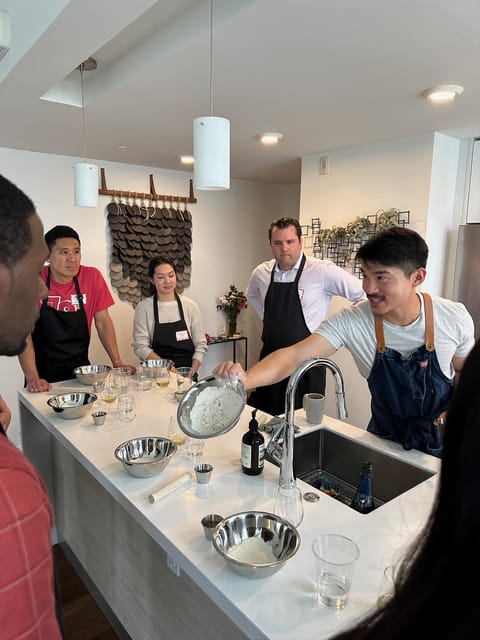
- Small group size (up to 8): more hands-on coaching and less waiting around.
- Chef Eddie’s step-by-step coaching: frequent check-ins, corrections, and encouragement.
- Practice built in: rough practice dough during resting time, plus Playdoh pleating drills.
- Soy sauce start: a blind tasting that sets your palate for what comes next.
- You make the meal: dumplings, your own secret dipping sauce, pork belly braise, and red bean dessert.
- Take-home recipe guide: you get a written roadmap to recreate your dumplings later.
Why a San Francisco Dumpling Class Feels Like Local Culture (Fast)
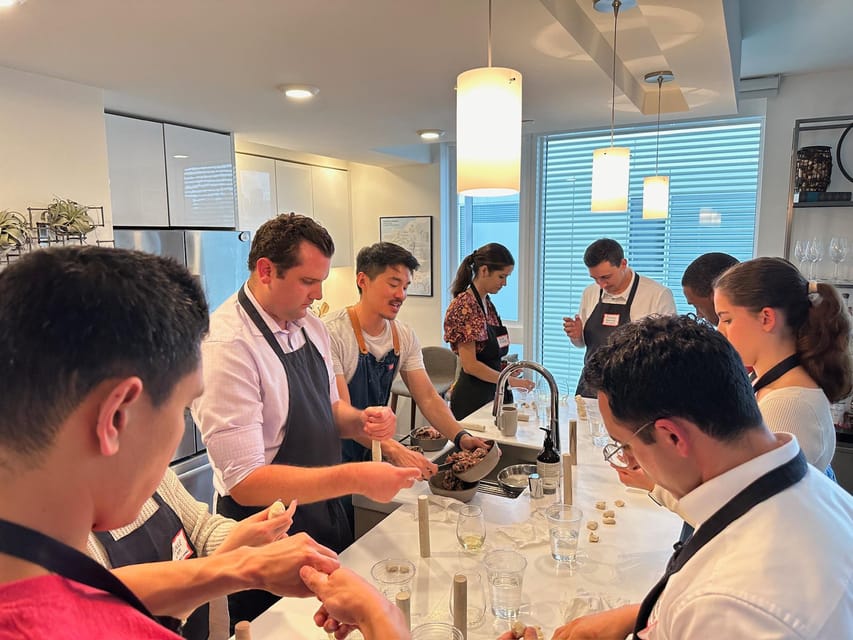
San Francisco does a lot right, but few food traditions teach the city’s “how it’s made” spirit like dumplings. The fun here is that you are not just eating a classic; you’re learning the craft behind it: dough texture, thin rolling, and pleating that doesn’t fall apart when it hits heat.
You’ll start by tasting soy sauce and using that flavor as your anchor. Then you build from there, learning the mechanics of making dumplings from scratch with local ingredients. I like this approach because it turns dumplings into something you can repeat, not just something you hope to remember.
And you get a full dinner payoff at the end. The meal is part of the class, so your dumplings are not sitting on a plate while you watch someone else eat. You’ll actually enjoy what you made, plus a Shanghainese-style pork belly dish and a red bean dessert to close things out.
Finding Chef Eddie at 555 Fulton St (So You Start Relaxed)
You meet Chef Eddie in an apron in the building lobby starting about 5 minutes before your start time. The address is 555 Fulton St, and the building also houses a Trader Joe’s, which is a helpful landmark.
Because the class starts by greeting you right in the lobby, you’ll want to arrive a few minutes early so you can check in without rushing. For this type of hands-on session, that calm start matters. If you come in stressed, it’s harder to absorb the technique—especially when you’re rolling and pleating.
The good part: the experience ends back at the meeting point, so you’re not dealing with any end-of-night transit puzzles after dinner.
The Soy Sauce Blind Tasting: A Fun Palate Warm-Up
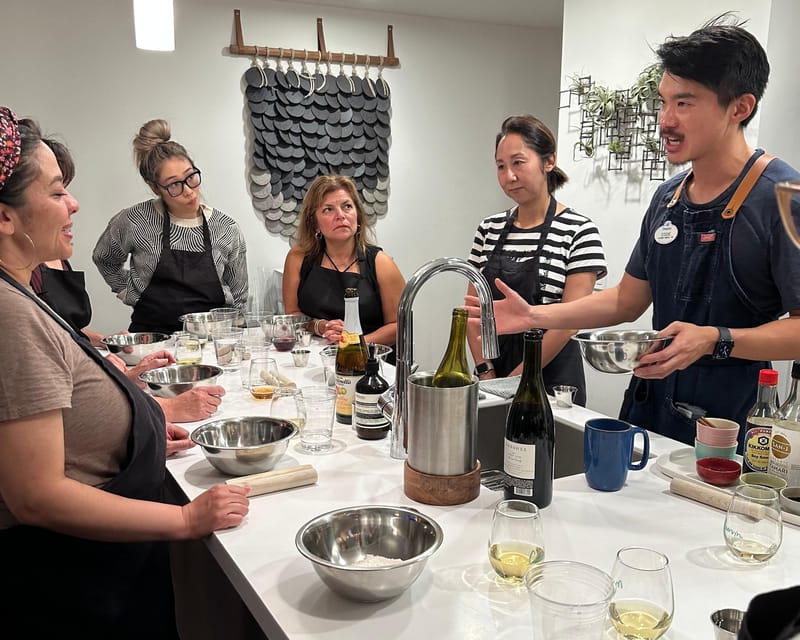
The evening begins with a blind tasting of Chef Eddie’s favorite soy sauce. This isn’t a random appetizer moment—it’s a palate reset. You’re learning what the chef considers a baseline flavor, particularly the depth and umami that dumplings and braises rely on.
I like that it starts this way because you quickly understand the goal of the sauces. Later, you’ll make your own secret dipping sauce, and you’ll taste multiple sauces during the meal. When you already have a reference point from the blind tasting, it’s much easier to notice what changes the flavor and why.
This segment also sets the tone. A blind tasting feels playful, but it also teaches attention. You’re paying attention to saltiness, aroma, and that savory punch—then carrying that awareness into the rest of the class.
Dough Kneading and Thin Skins: The Part That Changes Everything
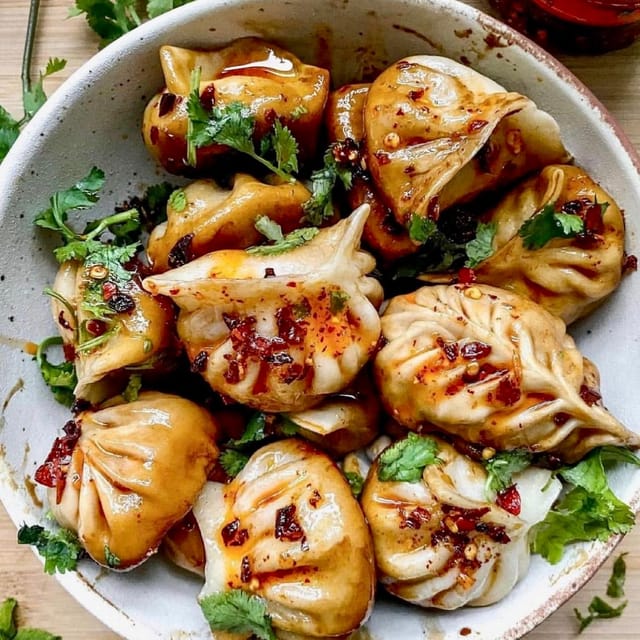
Here’s the core skill: dumpling dough. You’ll learn how to knead it, rest it, and then work it into pieces that can be rolled into thin skins. The class focuses on technique you can actually repeat at home, not just a one-time flourish.
During resting time, the coaching includes rough practice dough, so you can keep working without waiting around. That matters because dumplings depend on timing and texture. If you’re only watching while dough rests, you lose the best practice window.
Then comes rolling. You’ll work on making skins thin enough to be delicate but strong enough to hold stuffing. This is where the coaching tone really matters, and Chef Eddie’s teaching style seems designed for beginners: patient, clear, and constantly checking in.
One extra detail I think is genuinely smart: there’s a camera projection that shows Chef Eddie’s fingers on a larger TV screen. Even if you’re looking straight at the instructor, having the finger movements scaled up helps you copy the exact fold and motion.
Pleating Practice with Playdoh (Yes, Really)
Pleating is the step most people fear. It looks simple—until you try it. This class handles that fear with practice drills that make the motions less intimidating.
You’ll practice pleating using Playdoh before you pleat the real dumplings. It’s a low-stakes way to train your hands for symmetry and edge sealing. I find that kind of rehearsal is what turns an awkward attempt into something that starts to look like real dumpling work.
Then you’ll pleat your actual dumplings and aim for shapes that stay together when cooked. The best sign of success is what you hear from the room: the dumplings survive. And when you’re learning something hands-on like this, survival is basically the marker that your technique is working.
Stuffing Choices: Pork or Tofu-Based Dumplings
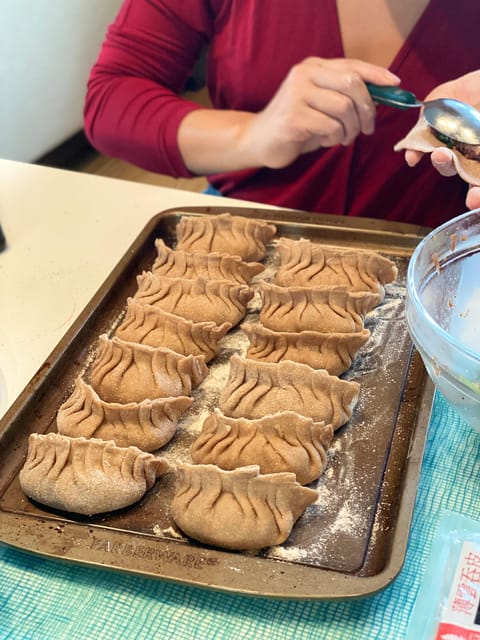
You’ll learn to make dumplings with a filling that can go either direction:
- a family recipe pork stuffing
- or a tofu-based stuffing
That flexibility is a practical win. If you eat pork, you get the classic approach with a savory, satisfying filling. If you prefer tofu, you still get the dumpling craft without feeling like you’re missing the point.
Either way, the class connects stuffing to the rest of the workflow. You’re not just spooning filling into wrappers; you’re learning how much to use and how to seal properly so the dumpling holds its shape.
Your Own Secret Dipping Sauce (That’s the Real Win)
After you make your dumplings, you’ll create your very own secret dipping sauce. That’s the part I’d call the “you’ll actually use this later” lesson.
Dumpling sauces are where personal style meets technique. You’ll be tasting sauces during the meal, and your sauce-making step helps you understand how soy sauce, flavor balance, and add-ins work together. The class also includes other sauces during the dinner, so you can compare profiles instead of guessing what you like.
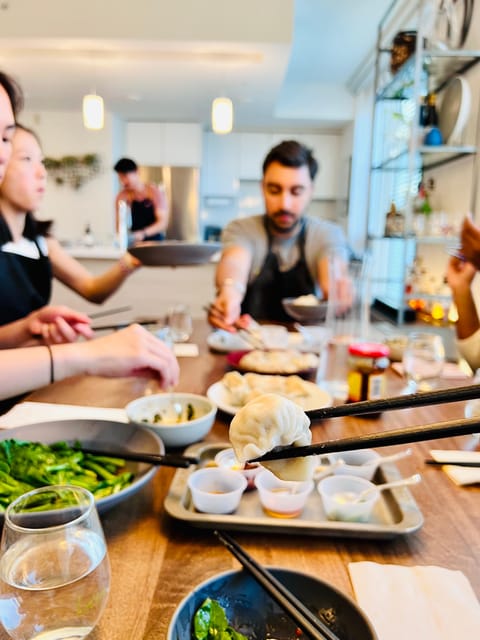
You’ll then enjoy your dumplings with the sauces you’ve been working with. This turns the whole class into one connected experience: taste first, technique next, then finish by eating what you created.
Shanghainese Pork Belly Braise and Red Bean Dessert
Dinner doesn’t stop at dumplings. Your meal continues with a pork belly braise served as a classic Shanghainese dish, spotlighting the umami of soy sauce using local, organic pork. It’s a smart pairing because braising and dumplings share the same flavor language: slow depth, soy-driven savoriness, and a satisfying richness.
Then you finish with a red bean dessert. That sweet note is important after savory dumplings and braised meat. Red bean desserts are also a classic close to a meal in many Chinese culinary traditions, and it keeps the menu feeling cohesive rather than random.
If you want a full-night payoff without hunting for a separate dinner spot, this is the key value. You’re not paying just for cooking—you’re paying for an evening meal that matches the theme.
Price and Value: Is $135 Worth It?
$135 per person sounds like a lot until you list what you actually get. In this class, the price covers:
- all materials and ingredients
- sauces
- a 3-course meal
- the instructor
- and a recipe guide you can use later
You’re also not doing this in a huge group. The class caps at 8 participants, which is a big deal for hands-on teaching. Dumpling-making isn’t something you can learn by osmosis; you need corrections and pacing. That’s exactly where small-group instruction earns its keep.
Also, the class includes both technique and flavor education: you start with soy sauce tasting, then build dumplings, then make a secret dipping sauce, then eat braise and dessert that reinforce those flavors. For many people, that’s the difference between a one-off meal and a skill you can repeat.
If you only want an eat-and-leave experience, this may feel like more than you need. But if you like learning a real cooking skill while still getting dinner, the value stacks up.
Who This Dumpling Class Fits Best (and Who Might Skip It)
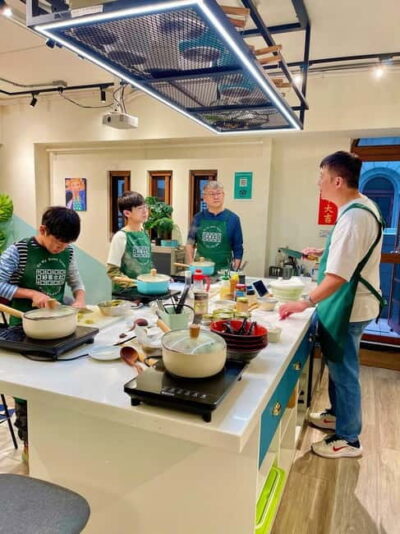
This works best if you want a guided, friendly cooking session where you can actually practice. It’s also great for couples or small groups, since the group size stays intimate and the evening feels warm and social.
I’d also consider it if you:
- like hands-on classes where you roll, stuff, and pleat
- enjoy learning sauces and flavor balance
- want a take-home recipe guide rather than only memories
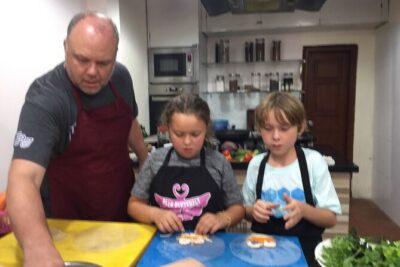
You might skip it if you’re traveling with kids under 12, since it’s not suitable for that age group. And if you dislike structured activities, note that this is a technique-focused 3-hour block.
Should You Book This Dumpling Cooking Class in San Francisco?
If you want the most practical kind of San Francisco food experience—one that teaches you something you can repeat—this is a strong pick. You get coaching from Chef Eddie, real dumpling technique (dough, thin rolling, pleating), and a dinner that feels matched to what you learned: dumplings with your sauce, Shanghainese pork belly braise, and red bean dessert.
My decision rule is simple: book it if you’re excited to cook and eat the same night, and you want a recipe guide to take home. Consider another activity if you only want to sample dumplings without learning the method, or if your schedule can’t handle a concentrated 3-hour session.
FAQ
How long is the dumpling cooking class and dinner?
It lasts about 3 hours.
How much does it cost?
The price is $135 per person.
Where do we meet Chef Eddie?
Meet Chef Eddie in the building lobby at 555 Fulton St. He greets you about 5 minutes before the start time, and the building also has a Trader Joe’s. The meeting point is in the main lobby.
What language is the instructor?
The instructor speaks English.
What’s included in the ticket price?
You get all materials and ingredients, sauces, a 3-course meal, an instructor, and a recipe guide.
Is BYOB allowed?
Yes. You can bring your own wine or beer. Wine can also be purchased at the event for $30 a bottle.
Is it wheelchair accessible?
Yes, the activity is wheelchair accessible.
Can I get a refund if my plans change?
Yes. Free cancellation is available up to 24 hours in advance for a full refund.