REVIEW · POKHARA
Nepalese Kitchen in Pokhara: Momos or Dal Bhat Cooking Class
Book on GetYourGuide →Operated by Snow Peak Tours and Travels pvt. ltd. · Bookable on GetYourGuide
Three hours, one Nepalese home kitchen. In Pokhara, you’ll learn to cook momos or dal bhat with Sarita in a real household kitchen, then sit down for the meal you made. One consideration: it’s genuinely hands-on, so expect chopping, mixing, and some dough work that takes patience.
I really like the teaching style: English support (plus Hindi and Nepali) and step-by-step guidance make it doable even if your Nepalese skills are basic. It’s also a private group, so the pace feels human instead of rushed.
In This Review
- Key highlights
- Pokhara’s home-kitchen setup: what makes it feel local
- Getting there from Lakeside: photo stop, guided time, then the class
- The 3-hour flow: from spice basics to eating your own meal
- Momos cooking class: filling, wrapping, and the shape challenge
- Dal Bhat class: building a full Nepalese plate, not just one dish
- Taste and culture at the table: conversation that feels natural
- Recipes to take home: how you keep the flavors
- English-friendly teaching in a private group
- Price and value around $28: what you’re really getting
- Who should book this cooking class in Pokhara
- Should you book Nepalese Kitchen in Pokhara for momos or Dal Bhat?
- FAQ
- What is the cost of the Nepalese kitchen cooking class in Pokhara?
- How long does the class last?
- What can I cook during the class?
- Where do pickup and drop-off happen?
- Is transportation included in the price?
- What’s included with the class besides cooking?
- What languages does the instructor speak?
- Is this a group experience or private?
- What do I need to bring?
- What is not included in the experience price?
Key highlights
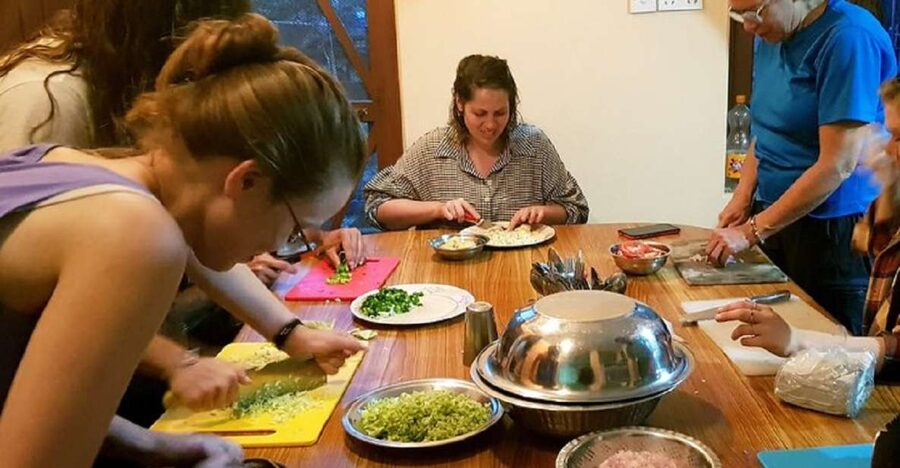
- Home-kitchen teaching with step-by-step guidance, not a distant demo setup
- Momos or Dal Bhat cooking focused on real techniques and everyday flavors
- Clear instruction in multiple languages so you can keep up and ask questions
- Fresh ingredients and spices with many batches made from scratch
- You eat what you cook, and portions can be surprisingly generous
- Recipes to take home via printed or digital format, sometimes shared in your native language
Pokhara’s home-kitchen setup: what makes it feel local
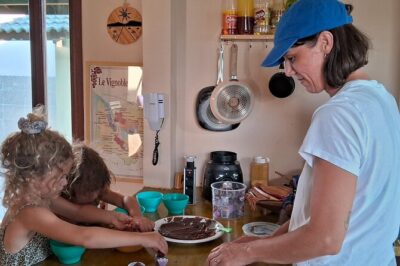
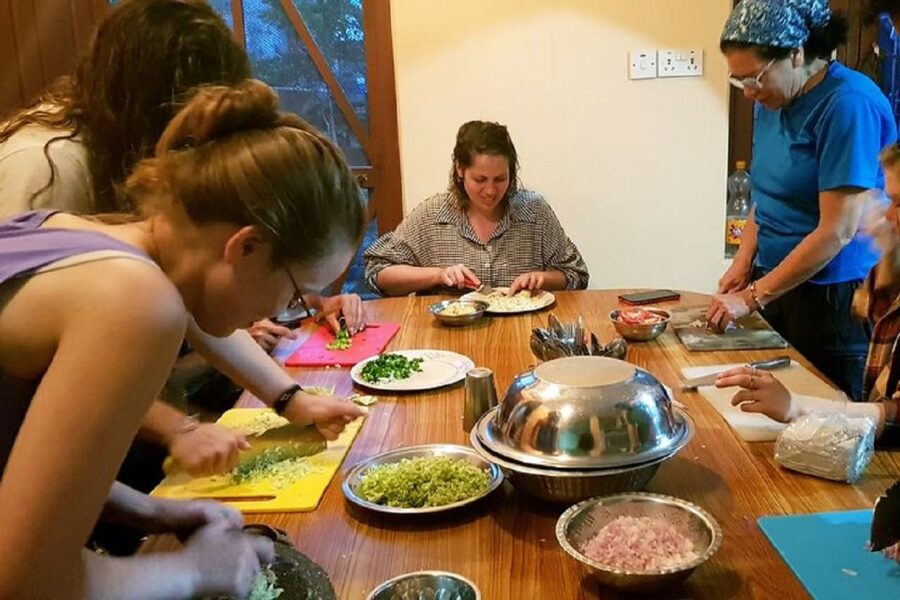
This isn’t a show kitchen. You’re cooking inside a real Nepalese home kitchen in Pokhara, which changes the whole vibe. The focus stays on food: ingredients, spices, timing, and the small choices that turn bland into proper.
I love that it’s practical. Instead of watching someone cook while you take notes, you’re doing the work: chopping, mixing, seasoning, shaping (for momos), and cooking. That hands-on approach is exactly why the skill sticks after you’re back home.
You also get a cultural bonus that isn’t forced. After cooking, you sit down and enjoy the meal with friendly conversation about Nepali food traditions. It’s the kind of chat that helps you understand why certain spice blends and techniques matter, instead of treating everything like a recipe worksheet.
You can also read our reviews of more tours and experiences in Pokhara.
Getting there from Lakeside: photo stop, guided time, then the class
The experience starts with pickup from the Lakeside area around Lakeside Road, Lakeside-6, Pokhara. You’ll also return there afterward. That matters because Lakeside is where most people are based, so you’re not spending the whole day transferring across town.
Before you start cooking, you get a short block of time in Pokhara that includes a photo stop, a visit, and a guided tour with some free time. Think of it as a buffer: you get a quick orientation, then you’re ready to focus when you arrive at the kitchen.
Transport quality is a strength. The service has strong marks for the ride experience (98% of transport scores were perfect). If you’re the type who hates last-minute taxi chaos, this is the part that makes the day feel smooth.
The 3-hour flow: from spice basics to eating your own meal
The lesson runs about 3 hours, and the structure is simple and effective.
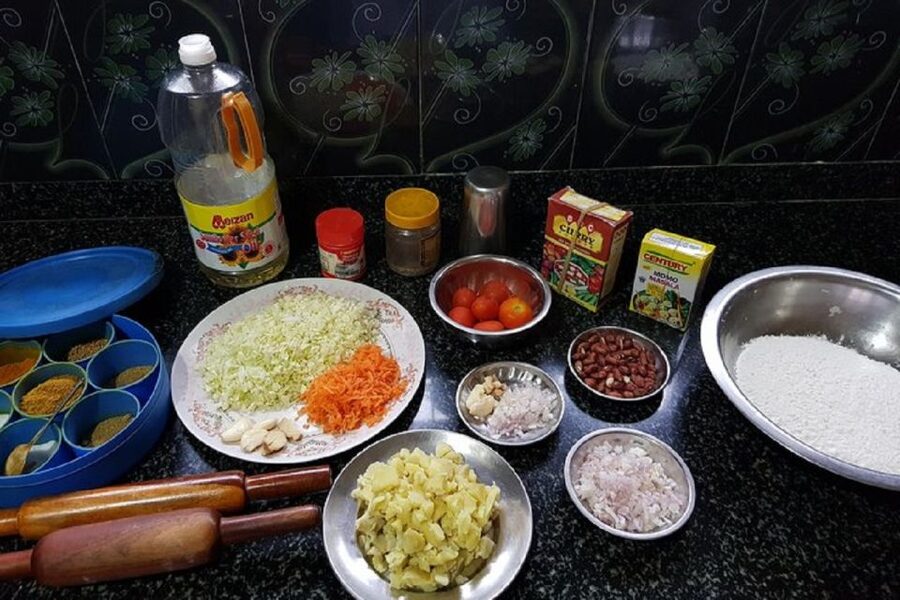
First, you’re introduced to local ingredients and spices used in everyday Nepali cooking. This isn’t just a list of names. You learn how ingredients behave together—what needs time, what adds fragrance, and what changes the taste quickly.
Then comes the main work: you prepare the dish alongside your instructor. You’ll chop and mix, season to taste with guidance, and cook using traditional methods. For Dal Bhat, that usually means multiple components rather than one pot. For Momos, it means filling and shaping as part of the skill.
By the end, you eat the meal you made. And yes, you’ll likely feel pleasantly overfed. More than one person has said they came hungry and left very full—especially with momos, which can turn into big batches.
You’ll also have drinking water included, which is a small detail but helps when you’re working with hot kitchens and lots of hands-on prep.
Momos cooking class: filling, wrapping, and the shape challenge
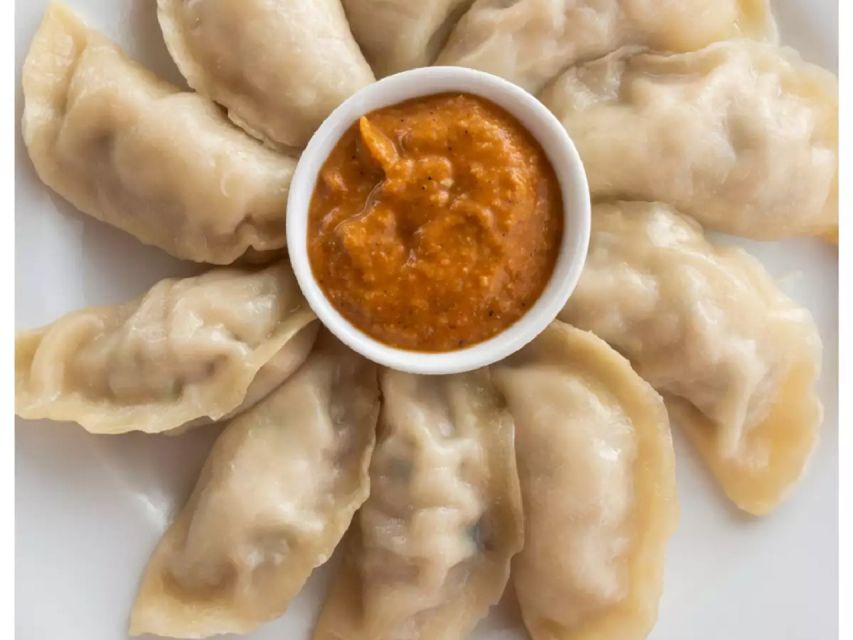
If you pick Momos, expect a dumpling-making day in the best way. You’ll start with the filling—usually chopping vegetables and mixing them with spices in a way that tastes balanced rather than one-note.
The key part is the wrap. Shaping momos can be fiddly at first. Dough needs the right thickness and handling, and the seal matters so you don’t end up with dumpling leaks during cooking. The good news: the instruction is described as very patient and organized, and you’ll be guided step-by-step while doing most of the work yourself.
One practical note: momos can multiply fast. People have mentioned making huge numbers—some classes can easily become a momos production line. So if you’re the “try one and save room” type, adjust your expectations.
If you want to reduce waste, bring a small takeaway container if you have one. Some people specifically recommend it because the meal can be more food than two people can finish in one sitting.
Dal Bhat class: building a full Nepalese plate, not just one dish
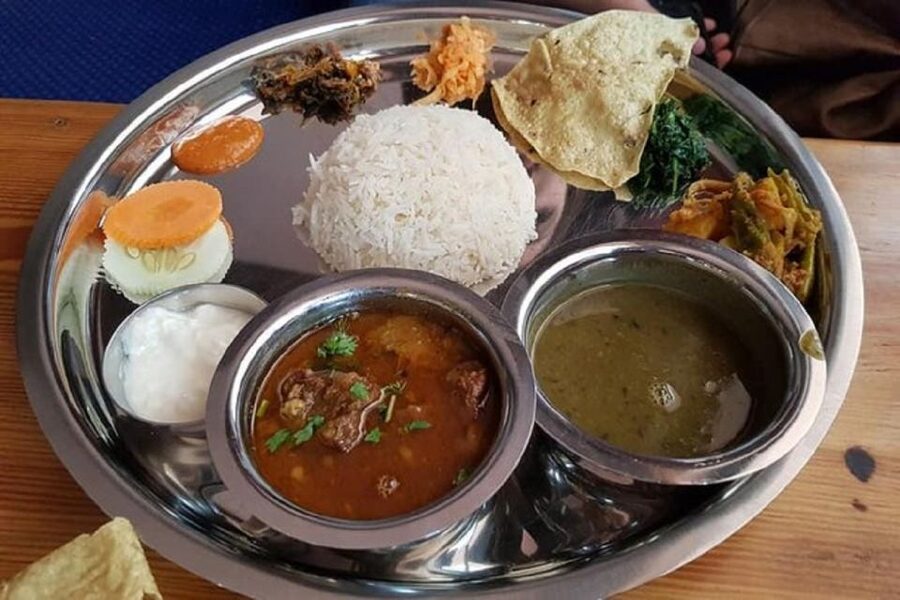
Choosing Dal Bhat means you’re learning how Nepalese comfort food becomes a complete meal. Dal Bhat isn’t only about the lentils. The meal typically works because the parts support each other: dal for warmth and depth, rice for balance, and vegetables/spices for freshness and bite.
You’ll follow guided steps to make the components from scratch. The process can take more steps than many people expect, so it’s helpful that the host style is described as thorough and patient. Even if you’re a beginner, the approach helps you keep track and not get lost in the sequence.
What I like about the Dal Bhat format is how teachable it is later. Once you understand the logic—what goes into the dal, how the spice balance is built, and how the meal is assembled—you can reproduce the flavor at home without needing Nepalese equipment.
And yes, the meal you cook is included. You don’t just learn theory—you eat it. That makes it easier to remember what tasted right and why.
Taste and culture at the table: conversation that feels natural
After cooking, you sit down with your instructor and enjoy what you made. The class includes friendly conversation about Nepali culture and food traditions, and that human part is where the experience becomes more than just a cooking skill.
It also helps you connect dots. When you learn why a spice is used, you don’t just remember the recipe—you understand what it’s supposed to do. That’s the real value if you’re trying to cook Nepalese food outside Nepal, where you’ll have to adjust with ingredients you can actually find.
Recipes to take home: how you keep the flavors
You’ll receive a printed or digital recipe after the class. This is one of the most useful parts of the day because cooking skills fade fast unless you can recreate the steps.
Several people mention getting full instructions to take home, and some even report receiving recipes in their native language. Even if you’re comfortable with English, that kind of clarity makes repeat cooking much easier.
Practical tip: treat the recipe as your starting point, not a strict script. During class, you’ll learn how seasoning and balancing work, and that knowledge helps when your lentils, vegetables, or spice strengths differ from what you used in Pokhara.
English-friendly teaching in a private group
The class runs as a private group, and the instruction language options are English, Hindi, and Nepali. That combination matters more than it sounds.
Cooking is full of small instructions. One person might need reminders about how the mixture should look; another might want to know what to adjust if it tastes too strong or not strong enough. In a private setup, the instructor can keep the day on track instead of managing a crowd.
Also, multiple people have highlighted that Sarita’s English is clear, and that the teaching is calm and patient. If you’ve ever taken a cooking class where the instructor talks fast and you’re left behind, you’ll appreciate this approach.
Price and value around $28: what you’re really getting
The price is $28 per person for a 3-hour experience. On paper, that looks like “just a cooking class,” but the value is in what’s included.
You’re getting:
- Round-trip transfer from the Lakeside area
- A cooking class with a local instructor
- All fresh ingredients and spices
- A real home kitchen experience
- The meal you prepare
- Drinking water
- A recipe you can use later
That’s a lot for one bill. If you’ve ever priced out a cooking workshop and then added the cost of ingredients, a meal, and transportation, the $28 feels more sensible.
It’s also a good deal for couples or solo travelers because the private group format keeps it personal. You’re paying for instruction and a meal, not only for the right to stand next to a stove.
Who should book this cooking class in Pokhara
You’ll probably love this class if you:
- Want a real Nepalese home cooking experience, not a generic restaurant tour
- Enjoy hands-on skills more than passive sightseeing
- Like spice-driven food and want to learn how it’s built, not just what it is
- Are traveling with someone who enjoys cooking and sitting down afterward to eat
It’s also a great “calmer day” option. After trekking, paragliding, and intense days around Pokhara, this is the kind of activity that feels grounded and slow enough to enjoy.
If you don’t enjoy getting your hands dirty or you hate multi-step cooking, you might find momos wrapping or Dal Bhat assembly a bit challenging. The class is built for people who are willing to try and learn in the process.
Should you book Nepalese Kitchen in Pokhara for momos or Dal Bhat?
If your goal is to leave Pokhara with a skill you can repeat, I’d book it. The format hits the sweet spot: a local home kitchen, real instruction, you cooking most of the work, and a meal at the end.
Pick momos if you want dumpling-making, shaping, and a fun production-line vibe. Pick dal bhat if you want a comfort-meal lesson with multiple components and strong “cook this at home” potential.
One last piece of advice: plan to arrive ready to work and eat. People consistently mention leaving very full, and momos especially can go big. If you show up hungry, you’ll get the most out of the experience.
FAQ
What is the cost of the Nepalese kitchen cooking class in Pokhara?
The price is $28 per person.
How long does the class last?
The duration is 3 hours.
What can I cook during the class?
You can choose to cook either Nepali momos or the classic Dal Bhat.
Where do pickup and drop-off happen?
Pickup and drop-off are from the Pokhara Lakeside area, specifically Lakeside Road, Lakeside-6, Pokhara.
Is transportation included in the price?
Yes. The experience includes round-trip transfer from the Pokhara Lakeside area.
What’s included with the class besides cooking?
Included are fresh ingredients and spices, hands-on guidance, the meal you prepare, drinking water, and a printed or digital recipe.
What languages does the instructor speak?
The live tour guide can speak English, Hindi, and Nepali.
Is this a group experience or private?
It’s a private group.
What do I need to bring?
Bring a passport or ID card. A copy is accepted.
What is not included in the experience price?
Extra food or drinks not part of the class, and personal expenses, are not included.