REVIEW · POKHARA
MoMo or Dal Bhat Cooking Class at Aama Kitchen in Pokhara
Book on GetYourGuide →Operated by Crystal Holidays Adventure Pvt Ltd · Bookable on GetYourGuide
Momo lessons beat another waterfall selfie. At Aama Kitchen in Pokhara, a 3-hour cooking class led by Aama lets you pick momo or dal bhat and cook in a real home. Two things I like: the hands-on step-by-step teaching and the homey family-kitchen atmosphere.
One thing to consider: this is active cooking in a family apartment, so it is not a quiet sit-and-watch setup, and it is not suitable for people with food allergies. Also, skip big luggage; you’ll want comfortable shoes for the kitchen time.
In This Review
- Key highlights I’d plan around
- Hotel pickup to a real home kitchen in Pokhara
- Choosing momo or dal bhat: what you’ll actually make
- If you pick momo
- If you pick dal bhat
- Meet Aama and learn in a family apartment kitchen
- Why the hands-on format is worth more than a meal
- What you get to take home: flavor, notes, and a recipe
- Price and timing: where the $28 value really comes from
- Who should book this cooking class (and who should skip it)
- Practical tips so your class goes smoothly
- Should you book Aama Kitchen in Pokhara?
- FAQ
- Can I choose momo or dal bhat for the class?
- How long is the cooking class at Aama Kitchen?
- Is hotel pickup included in the price?
- What languages will the instructor use?
- Will there be time to ask questions?
- Is the class private or group-based?
- What should I wear or bring, and can I bring luggage?
Key highlights I’d plan around
- Pickup from Lakeside Pokhara + a ~25-minute drive to the home kitchen, then you’re returned afterward.
- Choose your dish in advance: momo-making or an authentic dal bhat class.
- Aama runs the show, with instruction available in English and Hindi and room for questions.
- You leave with what you learned via a recipe you can take home (so the flavor travels).
- Private group feel with highly rated transport (the ride is scored at 93% perfect).
Hotel pickup to a real home kitchen in Pokhara
This class starts the easiest way possible: you wait in your hotel lobby within the Lakeside area, then a driver picks you up and takes you about 25 minutes to Aama’s home. It keeps the “where do I go?” stress near zero, which matters in Pokhara because plans can slide around quickly once you’re on the move.
The timing is also practical. You’re gone for about 3 hours total, and you’re brought back to your hotel after cooking. That means you can usually fit it into your day without sacrificing a whole afternoon—or gambling that you’ll find food instructions in a packed restaurant setting.
Tip: the class asks you to keep things light. No large bags means you’ll probably want just a small day bag and your camera. Dress for kitchen work, not sightseeing photos.
You can also read our reviews of more tours and experiences in Pokhara.
Choosing momo or dal bhat: what you’ll actually make
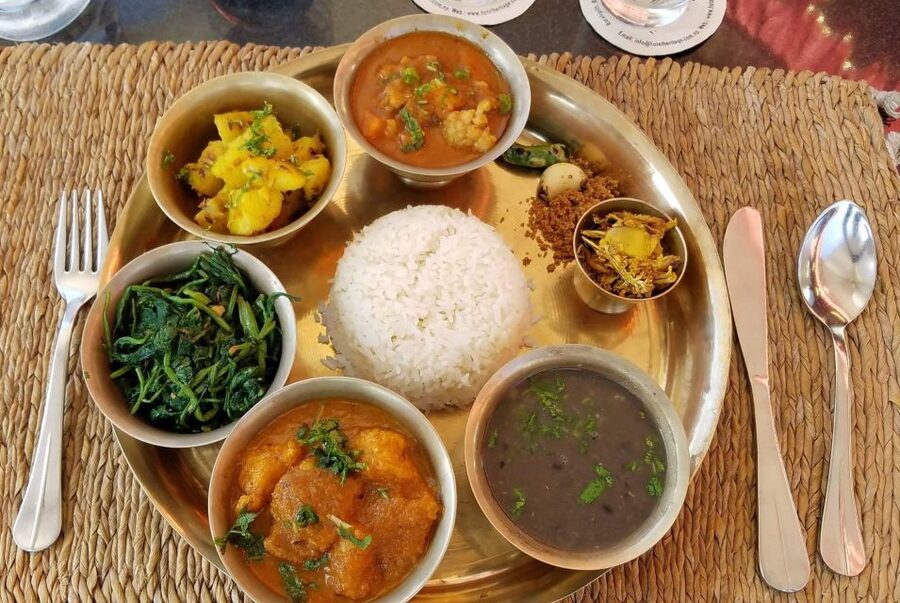
At booking time, you choose whether you want the momo cooking class or the dal bhat cooking class. That choice isn’t just a menu preference. It changes what kind of practice you do for the whole session.
If you pick momo
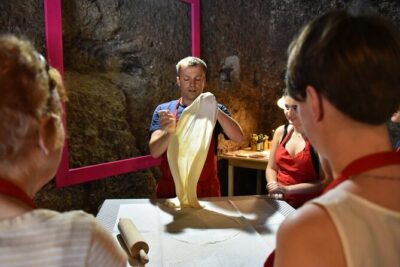
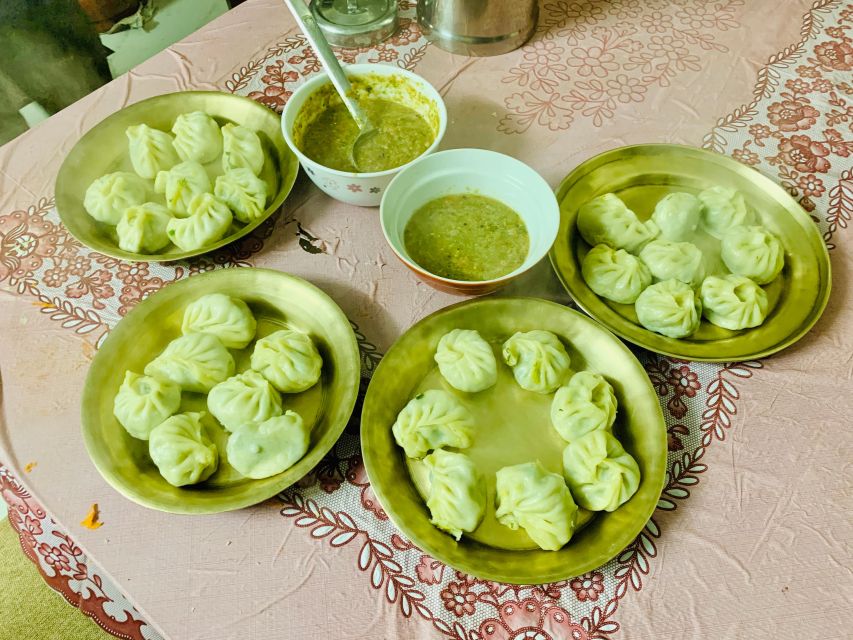
You’ll be guided through making momos from scratch—hands-on work from the start, not just tasting while someone else cooks. Folding can be awkward at first (momo dumplings have a learning curve), so expect patient coaching and repetition until you get it closer to right. The goal is that you can take the method home and recreate the dumpling-making steps later.
If you pick dal bhat
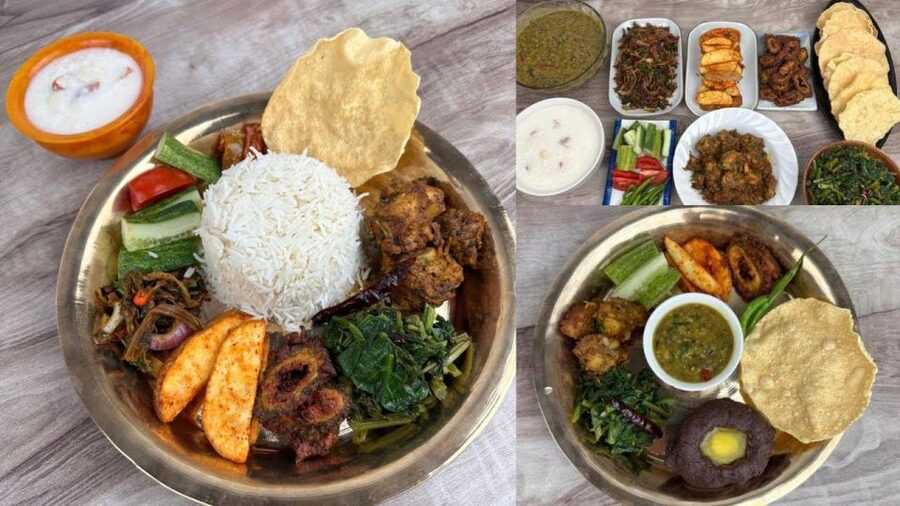
You’ll learn how to make Nepal’s signature comfort meal—dal (lentils) with rice (bhat), plus the supporting components that give it flavor and balance. This style of class tends to focus on understanding the dish as a system: how the lentil part, spice blends, vegetables, and overall balance come together into one plate.
In both options, ingredients and cooking equipment are provided, which is a big deal for value. You’re paying for instruction and the full cooking setup, not for the privilege of hunting down spices and cookware after the fact.
Meet Aama and learn in a family apartment kitchen
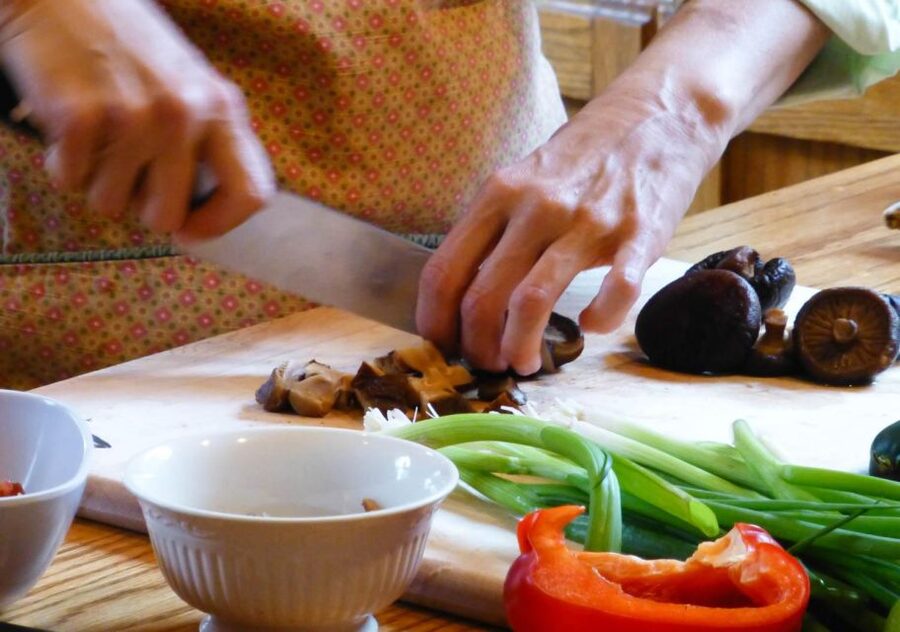
This class is run in a homely, family setting. You’re not in a show kitchen with a demo screen. You’re in the working space—helping, tasting, and asking questions while you cook.
A key part of the experience is learning directly from Aama, the family head. Some sessions may also introduce the lead cook by name—accounts of the class include names like Shanta and Sadaha—but the vibe stays the same: real home cooking, real teaching, and real patience.
Here’s what that means for you:
- You’ll get advice while you’re mid-task, like when a momo fold goes wrong or the spice mix needs adjustment.
- You’ll learn more than one “trick.” You’ll understand why certain flavors show up and how they get balanced.
One more nice touch from past experiences: if your dates line up with festival time, the class may include extra cultural moments like receiving a tika and a small ceremony tied to local celebration customs. That’s not guaranteed for every week, but it’s a possibility worth asking about when you book.
Why the hands-on format is worth more than a meal
Plenty of cooking experiences teach you the idea of cooking. This one teaches you the doing.
The class is structured around step-by-step guidance, and it includes a Q&A session for doubts and follow-up questions. That matters because Nepalese cooking often uses spice logic you can’t guess from flavor alone. When you’re standing there with ingredients in front of you, questions get answered immediately—so the method actually sticks.
I also like that the instruction is available in English and Hindi, which makes it easier to ask direct questions and understand explanations without translation lag.
And then there’s the practical win: you don’t just eat and leave. You’re guided to create the dishes yourself, taste them, and learn enough to repeat the result later. The recipe take-home element is a big part of the value—especially if you’ve ever cooked a dish after a trip and thought, I liked it there, but my kitchen doesn’t work the same.
What you get to take home: flavor, notes, and a recipe
By the end, you’re eating what you made. That sounds obvious, but the difference is that you’re eating a dish you built with instruction behind every step. You’re not guessing how it came together.
The class also provides a way to repeat it later. You’ll take home the recipe, which is ideal if you want to bring Nepali comfort food into your home cooking routine. If you’ve ever struggled to recreate a dish because you only remember the taste, not the process, you’ll appreciate this.
One more practical point: because everything you need is supplied (ingredients and equipment), you don’t end up on a shopping scavenger hunt afterward. You leave with the knowledge and a recipe sheet, not a pile of half-used spices you’re unsure how to use again.
Price and timing: where the $28 value really comes from
At $28 per person for about 3 hours, this class can be a great value—mainly because it includes a lot that usually costs extra elsewhere:
- Round-trip transfer from your hotel within Lakeside Pokhara
- All ingredients and cooking equipment
- Instruction by Aama (with English/Hindi support)
- Private group format (so it’s not a crowded classroom experience)
When you total those items, the price starts to look more like a bundled cultural experience than a simple activity. You’re paying for time with a family cook, the full cooking setup, and the transport that makes it simple to attend even if you don’t want to handle local logistics.
The “private group” part also matters in a kitchen setting. It’s easier to ask questions, get corrected on technique, and keep things comfortable while you cook. If you’re traveling as a duo or solo, this format often feels more personal than group tours.
Who should book this cooking class (and who should skip it)
This experience is best for:
- Food lovers who want a hands-on Pokhara cooking class, not just a tasting
- People who enjoy learning how to make regional dishes from scratch
- Solo travelers who want structured social interaction in a comfortable setting
- Travelers who like the idea of taking home a real recipe and not just a full stomach
You should consider skipping or choosing something else if:
- You have food allergies (the class is not suitable for that)
- You don’t like active cooking work. This is involved, and it takes place in a family apartment kitchen
Also, bring the right attitude. In a home kitchen, things feel casual and real. If you’re expecting a sleek, formal environment, you might feel slightly out of place. If you want normal family cooking with real teaching, you’ll probably love it.
Practical tips so your class goes smoothly
A few small things will make a big difference here:
- Wear comfortable clothes and comfortable shoes. You’ll be moving and cooking.
- Bring minimal items. Luggage or large bags aren’t allowed.
- If you’re booking for a specific dish, choose momo or dal bhat at the time of booking so the class can be set up for you.
If you’re sensitive to spice levels, you can still ask questions during the class—just know you’re learning authentic flavors, so expect real Nepali seasoning rather than “mild for tourists” cooking.
Should you book Aama Kitchen in Pokhara?
If you want an authentic, practical way to connect with Nepali food culture, I think this is a strong bet. The mix of hotel pickup, hands-on instruction, and a take-home recipe makes it more useful than many “experience” options. It also has the right balance of warm family atmosphere and structured teaching, so you’re not left flailing with ingredients.
Book it if you’re excited about momo technique or dal bhat components, and if you’re comfortable with kitchen work in a home setting. Skip it if food allergies are part of your situation, or if you only want a light activity with zero cooking involvement.
If you’re choosing one food experience in Pokhara, this is the one I’d prioritize.
FAQ
Can I choose momo or dal bhat for the class?
Yes. You choose whether you want the momo or dal bhat cooking class when you book, by selecting it in the comment section.
How long is the cooking class at Aama Kitchen?
The class lasts 3 hours.
Is hotel pickup included in the price?
Yes. You get round-trip transfer to and from your hotel within the Lakeside area of Pokhara, and pickup is arranged from your hotel lobby.
What languages will the instructor use?
Instruction is available in English and Hindi.
Will there be time to ask questions?
Yes. There is a Q&A session so you can clarify doubts and learn more.
Is the class private or group-based?
It’s set up as a private group experience.
What should I wear or bring, and can I bring luggage?
Wear comfortable shoes and comfortable clothes. Luggage or large bags are not allowed.