REVIEW · ROME
Rome: pasta and tiramisu cooking class in the city center
Book on GetYourGuide →Operated by Cantiere Gastronomico · Bookable on GetYourGuide
A great pasta class beats another food tour. In central Rome, this one gets you making handmade pasta and then finishing with tiramisu, all in a welcoming, well-run kitchen setting near Via Veneto. You’ll get guided, step-by-step instruction that focuses on technique you can actually repeat later.
What I like most: you don’t just watch—you shape dough, learn traditional methods, and end up eating what you made, paired with wine. The second big win is the way the team leans on training and restaurant-level standards through their collaboration with Chinappi, the long-running Roman haute cuisine spot.
One consideration: with a 2-hour format, the pace is efficient. You’ll learn a lot, but you’re not signing up for an all-day slow masterclass—so come ready to work.
In This Review
- Key highlights
- A Central Rome Kitchen Near Via Veneto
- Welcome Prosecco and the Start That Sets the Mood
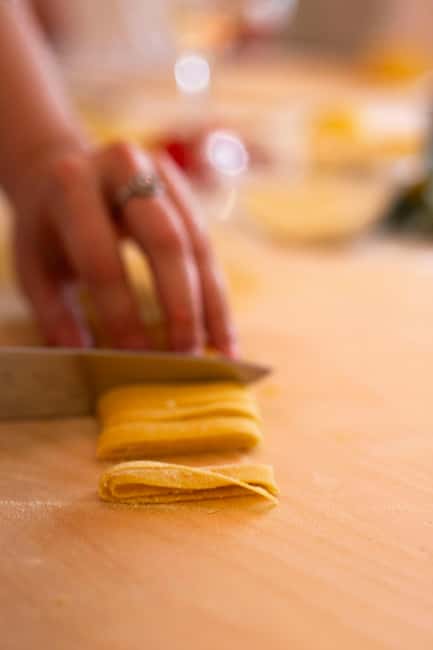
- Handmade Pasta: Fettuccine, Tagliatelle, Tagliolini
- Dough Work That Teaches You What to Repeat at Home
- Chef Coaching, With Extra Language Support
- Tiramisu After the Pasta: Dessert You Actually Make
- The Meal at the End: What You Eat and Why It’s Included
- Price and Value: Is $70 Worth It?
- Location and Practical Comfort Tips (What to Wear and Ask)
- Who This Class Fits Best
- Should You Book This Pasta and Tiramisu Class?
- FAQ
- What dishes will I learn to make in this Rome class?
- How long is the cooking class?
- Where does the class take place?
- What is included in the price?
- Do I get wine during the experience?
- Which languages are available for instruction?
- Is there a cancellation option?
- Can I reserve now and pay later?
- Is a photo shoot included?
- Is pickup or transfer included?
Key highlights
- Central Roman setting near Via Veneto in an elegant salon-style space that feels like a real city kitchen
- Fresh pasta focus on fettuccine, tagliatelle, and tagliolini, with ravioli on request
- Restaurant-trained guidance thanks to collaboration with Chinappi (over 15 years in business)
- Your hands make the tiramisu with a traditional recipe plus a personal touch
- You eat at the end with a full tasting meal and wine, plus prosecco to start
- Multilingual instruction (English, Italian, Russian, French) with a friendly, patient teaching approach
A Central Rome Kitchen Near Via Veneto
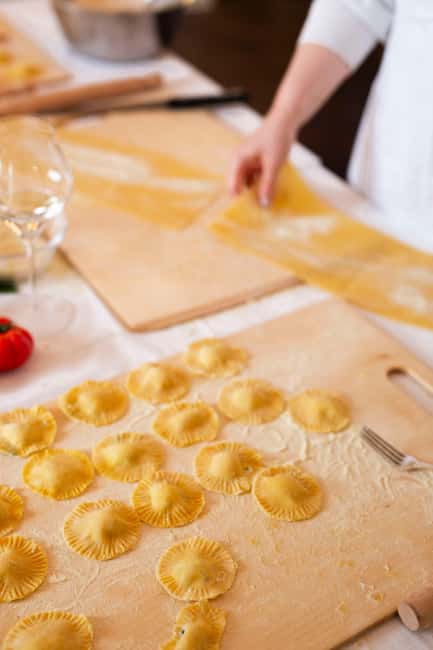
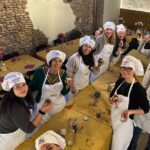
This class takes place in a polished, elegant space right in the center of Rome, close to Via Veneto—the area people associate with the classic La Dolce Vita mood. The setting matters more than you’d think. A real, calm kitchen environment makes it easier to learn dough work without feeling rushed or lost.
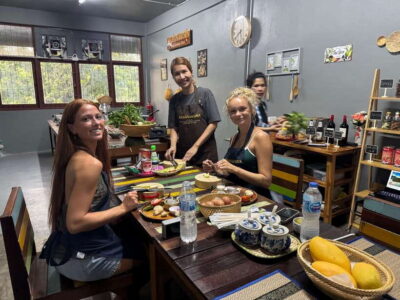
You’re also not just dropped into a generic “cooking demo.” You’ll be in a welcoming room where the team guides you through each stage: ingredients, dough handling, shaping, and finally dessert. The atmosphere is relaxed but focused, with plenty of chances to ask questions as you go.
Another plus for your planning: the instructors work in multiple languages—English, Italian, Russian, and French—so you’re more likely to follow the why, not only the what.
You can also read our reviews of more tours and experiences in Rome.
Welcome Prosecco and the Start That Sets the Mood
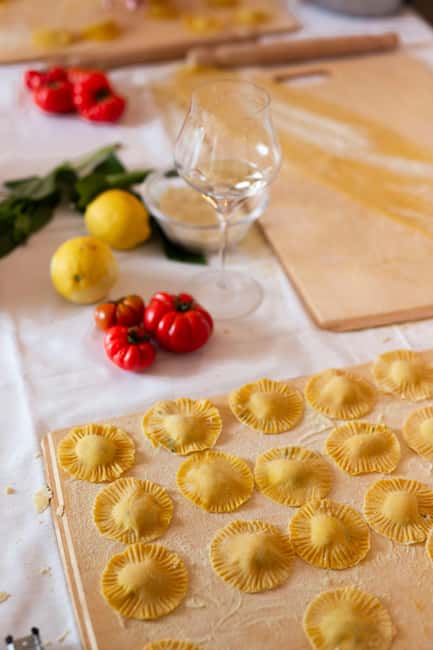
Before the flour starts flying, you get a welcome prosecco. It’s a small detail, but it helps shift the experience from class mode to dinner mode. In a short cooking session, that early warmth matters. You’re about to spend two hours doing hands-on work, so the tone should feel friendly and doable.
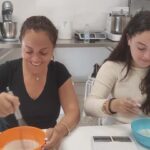
From there, the lesson is built around doing. You begin with the basic ingredients for fresh pasta, then move step-by-step into the process of working the dough and turning it into classic shapes. If you’ve never made fresh pasta before, you’ll appreciate the structure.
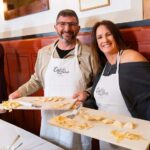
You’ll also see the teaching style clearly in the way the team communicates. In particular, Francesco and Oliviero are mentioned by name in the guidance and warm atmosphere they create. That kind of consistent, patient coaching is exactly what you want for dough work.
Handmade Pasta: Fettuccine, Tagliatelle, Tagliolini
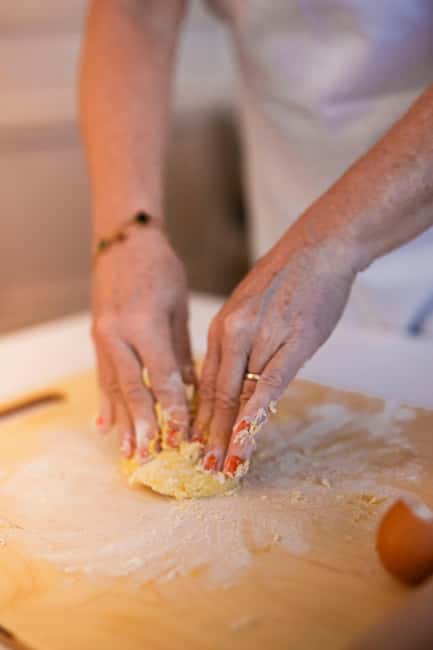
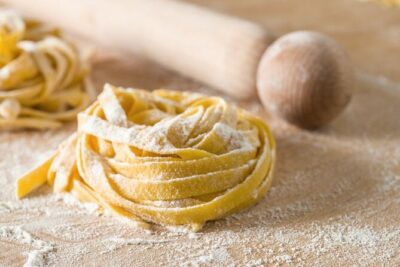
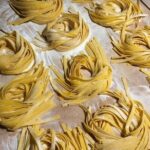
This is a pasta class with real variety. You learn how to make fresh, handmade pasta using traditional methods, including fettuccine, tagliatelle, and tagliolini. Those aren’t just fancy names on a list—they’re different shapes that help you understand how dough thickness, cutting, and finishing work together.
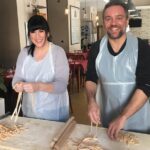
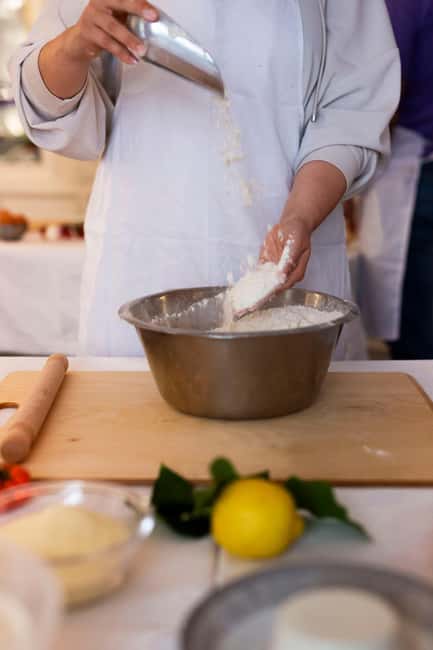
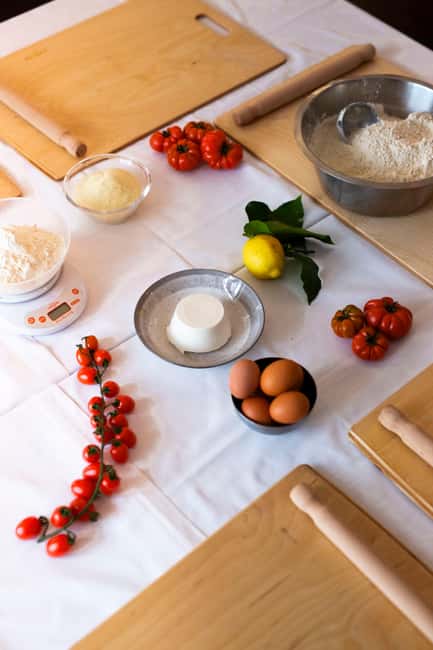
The lesson usually starts with the basics: genuine ingredients and how they behave in dough. Then you go into technique—how to handle the dough, how to create the shapes, and how to get consistent results without turning it into a stressful test.
If you’re the type who loves options, there’s also an ravioli on request note. That’s useful if you want to go one step beyond the core shapes and you’re comfortable asking in advance.
Dough Work That Teaches You What to Repeat at Home
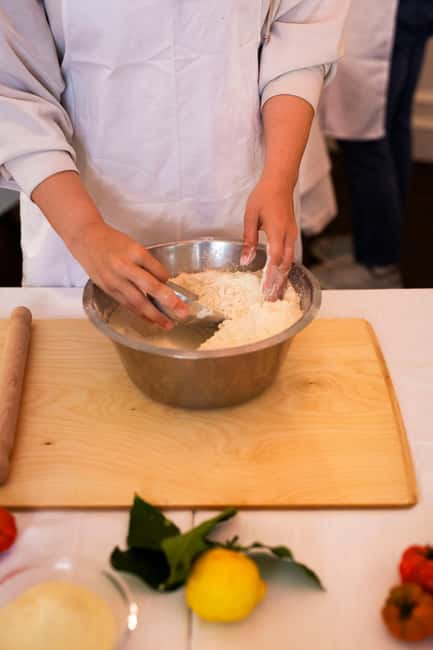
The best part of any cooking class is leaving with skills that transfer. Here, the process is broken down so you understand the logic, not just the final outcome.
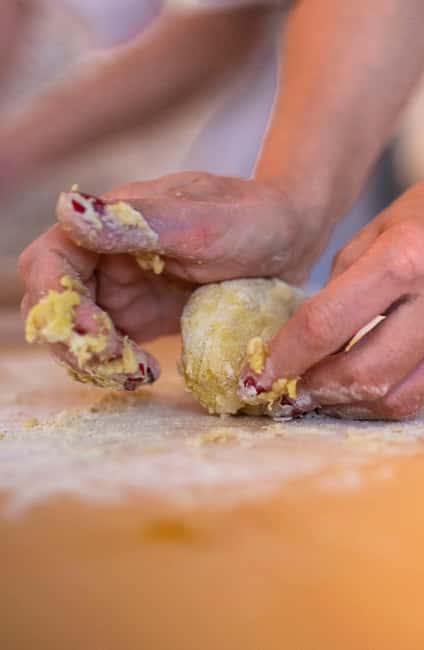
You’ll work through the stages like real pasta-making: dough preparation, handling, then shaping. The goal is to follow traditional Italian methods, and the team shares fun facts and little cooking secrets along the way. Those small hints add up when you try again at home, especially if you’re cooking for friends and want fresh pasta that doesn’t taste like it came from a dry packet.
Also, don’t underestimate how much learning dough teaches you about patience. Fresh pasta is forgiving, but it’s also honest. If your dough is too dry or too wet, you’ll notice quickly. That feedback loop is part of the value.
And yes, you’ll probably come away proud—because you made the pasta with your own hands, not just a plate of something made elsewhere.
Chef Coaching, With Extra Language Support
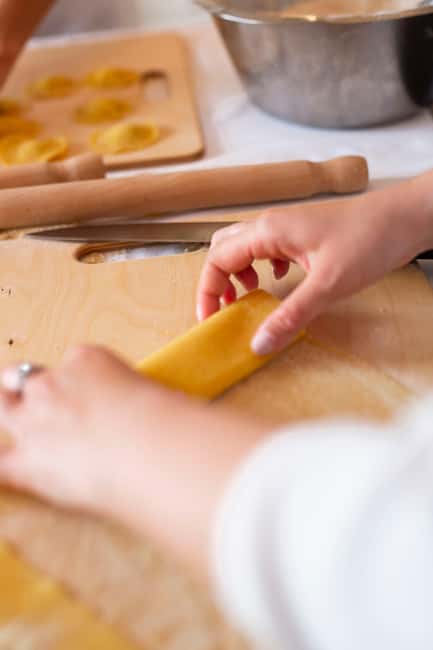
This class isn’t “sit and watch.” The instructors actively guide you, take their time explaining, and adjust based on what you’re doing. One review specifically calls out that the chef takes time to explain each step, and another notes special help from a person speaking French alongside the chef.
That’s the practical advantage: if you’re learning in a second language, you’re not stuck with vague instructions. You get support that helps you keep up, especially during the trickiest moments like shaping and consistent thickness.
The collaboration with Chinappi also hints at the teaching standard. Chinappi is described as a prestigious Roman restaurant operating for more than 15 years, and that matters because the staff are not only cooks—they’re teachers.

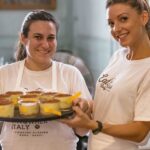

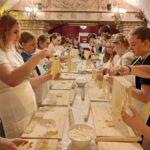
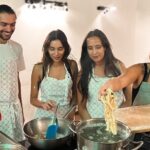
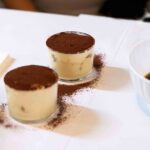
Tiramisu After the Pasta: Dessert You Actually Make
After the pasta work, you shift gears to dessert: tiramisu. You’ll make it yourself using a classic recipe, then personalize it with a unique touch. Even if tiramisu sounds familiar, making it hands-on is where most people get a real education—texture, layering rhythm, and how to balance sweetness and creaminess.
This is also a smart class design. Pasta-making is active and detailed. Dessert brings a different kind of focus—measured assembly and finishing. It helps the entire experience feel complete, like a full meal rather than a single technical project.
By the time you reach the end, you’re not just tasting. You’re evaluating your own work—then adjusting your expectations for what homemade tiramisu and fresh pasta should taste like.
The Meal at the End: What You Eat and Why It’s Included
You’ll sit down at the table to enjoy everything you prepared together. That includes a full meal with tasting of the dishes covered in the lesson, plus water and soft drinks.
Then there’s the wine—served as part of the experience when you eat the meal. It ties the whole thing into a Roman food rhythm: cook, share, and enjoy rather than take a finished dish and disappear.
Why this matters: when food is included as part of the lesson, you can compare the results of technique in real time. You’ll understand how dough choices affect texture, and how the dessert finishes. It’s a better learning loop than cooking one small component and leaving.
Price and Value: Is $70 Worth It?
At $70 per person for a 2-hour class, you’re paying for a focused, hands-on experience in a central Rome location—plus ingredients, instruction, and a full meal with tasting. The price isn’t just for eating. It covers the teaching time and the chance to make multiple pasta types and tiramisu.
Here’s where the value really shows:
- You get welcome prosecco plus wine during the meal.
- You learn several pasta shapes, not just one.
- You eat a full tasting meal, not a tiny sample.
- You also receive a paper or digital certificate of participation, which is minor but feels like you truly attended an organized class.
Would this be a better deal if it were longer? Sure—some people want more repetition. But for what you get, the price is in line with a class that’s teaching technique and feeding you as part of the session.
Location and Practical Comfort Tips (What to Wear and Ask)
Because this is a true pasta-making session, plan for the possibility of mess. Wear clothes you’re comfortable moving in and that won’t make you worry about flour.
When you arrive, use the language advantage if it applies to you. If you’re more comfortable in English, Italian, Russian, or French, lean on that. The instructors are set up for different languages, and good coaching gets better when you can understand every step.
It’s also worth asking about the ravioli on request option if that’s something you’re excited about. Since it’s not listed as a guaranteed standard item, you should confirm ahead of time.
And if you’re a home cook who wants specific results, ask questions about the technique. Fresh pasta is often more about handling and consistency than about fancy ingredients.
Who This Class Fits Best
This class is ideal for you if:
- You want a hands-on Rome pasta cooking class, not just a tasting walk
- You enjoy learning technique you’ll use later, especially dough work
- You like structured teaching with friendly guidance (and multilingual support)
- You want a central location near Via Veneto without giving up authenticity
It’s less ideal if:
- You hate working with your hands and prefer purely observational experiences
- You want a long, slow dinner experience rather than a concentrated 2-hour lesson
- You’re only interested in one dish (the experience is built around pasta plus tiramisu)
Should You Book This Pasta and Tiramisu Class?
I’d book it if your goal is simple: leave Rome with the confidence to make fresh pasta and a proper tiramisu, guided by a team that teaches clearly and keeps the mood warm. The value is strong because you’re not paying just for a meal—you’re paying to learn, cook, and then sit down to enjoy your own results.
If you want a fun, practical evening that mixes classic Italian food with real instruction, this hits the mark. Just go in ready to work for those two hours, and you’ll likely come out smiling with flour on your sleeves and a new kitchen skill set.
FAQ
What dishes will I learn to make in this Rome class?
You’ll learn how to make fresh handmade pasta including fettuccine, tagliatelle, and tagliolini. Tiramisu is included at the end. Ravioli is available on request.
How long is the cooking class?
The class lasts 2 hours.
Where does the class take place?
It’s in a central Rome location near Via Veneto, in an elegant, well-kept setting.
What is included in the price?
The included items are the hands-on pasta lesson, welcome prosecco, making tiramisu using a traditional recipe, a full meal with tasting of the dishes covered, water and soft drinks, and a paper or digital certificate of participation.
Do I get wine during the experience?
Yes. After the cooking, you sit down to enjoy the meal accompanied by a good glass of wine.
Which languages are available for instruction?
The class is offered in English, Italian, Russian, and French.
Is there a cancellation option?
Yes. Free cancellation is available up to 24 hours in advance for a full refund.
Can I reserve now and pay later?
Yes. You can reserve your spot and pay later.
Is a photo shoot included?
No. Photo shoot is not included, but it is available on request.
Is pickup or transfer included?
No. Transfer service is not included (it is available on request).