REVIEW · VENICE
Cesarine: Home Cooking Class and Meal with a Local in Venice
Book on Viator →Operated by Cesarine: Cooking Class · Bookable on Viator
Venice feels more personal when the kitchen is in a real home. This hands-on class turns you into the cook for a starter, fresh pasta, and dessert, with local wine and a small-group vibe that makes it easier to ask questions. You also get practice with Venetian bite-size snacks called cicchetti, not just one long cooking session.
I like the way the teaching is structured around practical steps, so even if you start as a total beginner, you’re still working with your hands instead of just watching. I’m also a fan of the pairing: you’ll sample local red and white wines alongside the meal, then finish with espresso.
One thing to plan for: because this is in someone’s home and the timing follows real cooking (rests, sauces, and batch cooking), the experience can feel longer or warmer than you expect, especially in hot weather.
In This Review
- Key Points Before You Go
- A Venetian Home Kitchen Beats the Typical Tour
- Finding the Meeting Point Near Rialto (Without Stress)
- What You Cook: Starter, Fresh Pasta, and Venetian Dessert
- The Cicchetti Connection: Why Small Bites Matter
- Wine, Espresso, and the Meal That Actually Happens
- Hosts and Teaching Styles: What Names Hint About the Experience
- Timing: Why 3 Hours Can Feel Just Right (or Not)
- Who This Class Fits Best (And Who Might Want a Different Option)
- Price and Value: Is $215.66 Worth It?
- Should You Book Cesarine in Venice?
- FAQ
- Where does the class start?
- How long is the Cesarine home cooking class in Venice?
- What language is the class offered in?
- How many people are in each class?
- Is the class hands-on?
- What food is included in the menu?
- Are drinks included?
- Do I need hotel pick-up or drop-off?
- Are service animals allowed?
- Is there a Venice access fee for day visitors?
Key Points Before You Go
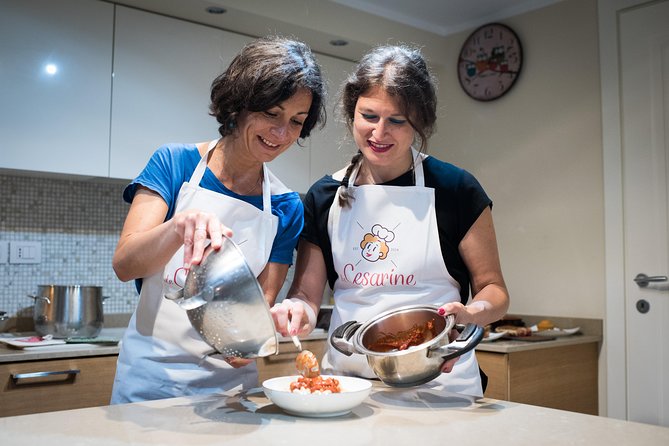
- Small group size (up to 12) means more attention and quicker help when dough or sauces get tricky.
- Cicchetti practice gives you several small Venetian dishes, so the food portion feels like more than a single plate.
- Starter + fresh pasta + dessert keeps the class balanced, and you’re tasting what you make.
- Local wine pairing is part of the included meal, not an afterthought.
- English-speaking host makes the demonstrations easier to follow step by step.
- Take-home value: at least some hosts provide written recipe and equipment guidance so you can recreate it.
A Venetian Home Kitchen Beats the Typical Tour
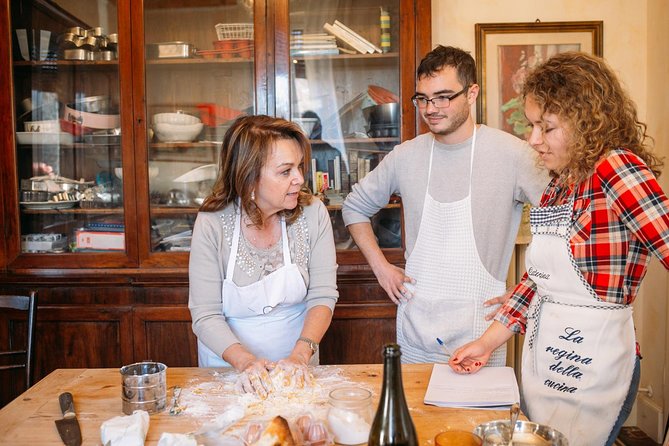
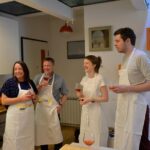
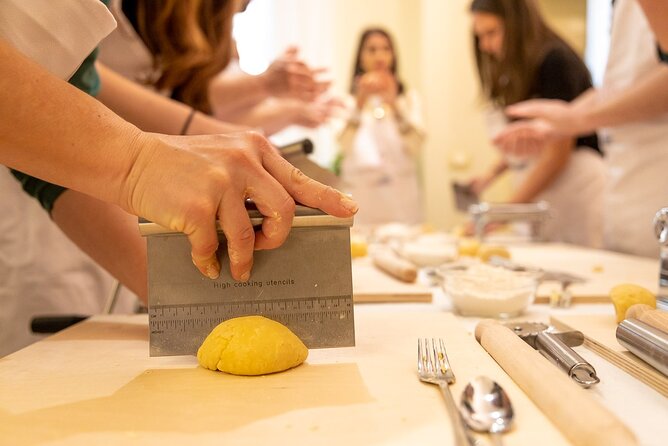
If you’re trying to understand Venetian food, cooking in a local home is a fast track. You get the real rhythms: demonstration first, then you take over, and the meal happens at home-table speed rather than restaurant speed.
The biggest practical win here is focus. With a maximum of 12 people, you’re not competing for attention, and hosts can correct small technique issues while you’re actively working.
You’ll also notice that the class leans into the Venetian idea of eating in bites. Instead of thinking only in terms of one main dish, you practice cicchetti-style cooking—small plates that fit how Venetians actually snack and share.
You can also read our reviews of more tours and experiences in Venice.
Finding the Meeting Point Near Rialto (Without Stress)
The class starts at Chiesa di San Giacomo di Rialto, Campo S. Giacomo di Rialto, 30125 Venezia VE. The location is set up for easy meet-ups and keeps you near the Rialto area, which is usually where transit options and walking routes make sense.
You should expect the final stretch to be very “Venice practical”: narrow calli, foot traffic, and the occasional need to coordinate water access. One of the more helpful details from past participants is that the home is conveniently reachable by water taxi, which can make arrival less of a puzzle.
Also, if you’re staying outside Venice and coming in for the day, check whether you’ll face the €5 access fee on your visit date. That fee is tied to certain days, with exemptions listed at cda.ve.it.
What You Cook: Starter, Fresh Pasta, and Venetian Dessert
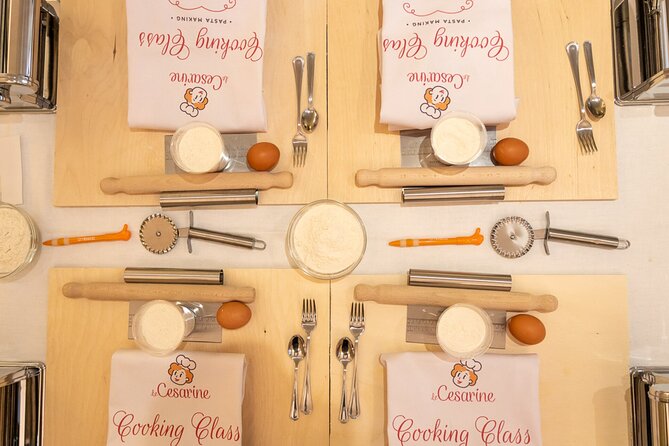
This class is designed around three core recipes: a seasonal starter, fresh pasta, and a Venetian dessert. You’ll learn and then taste everything you make, which is the part that turns a cooking lesson into a real meal.
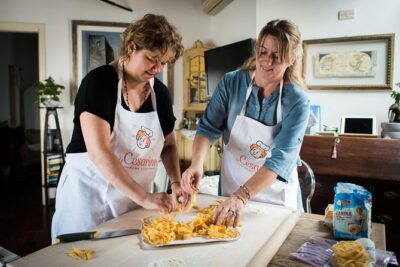
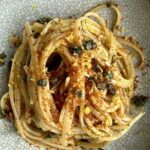
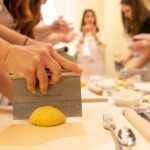
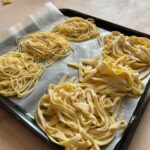
Fresh pasta is the centerpiece. Depending on your session, you might work with pasta choices such as bigoli, risi e bisi, or gnocchi-style pasta. The key for you: you’re not just getting a tasting lesson—you’re doing the steps, handling the dough or shaping, and learning the flow of making pasta from scratch.
For dessert, you’ll sample a classic Venetian-style sweet. Options listed include baicoli biscuits, a Moro chocolate pastry, zaeti biscuits, tiramisu, or a similar typical dessert. That variety matters because it keeps the ending from feeling repetitive, even if you’ve tried Italian desserts already.
The Cicchetti Connection: Why Small Bites Matter
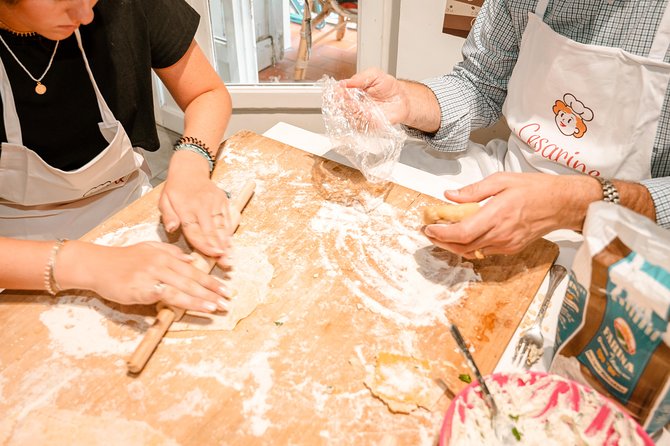
You’re not only cooking one big item and calling it a day. You practice several small Venetian dishes, called cicchetti, which fits the way Venice often does food—shared, snackable, and casual.
For your experience, that means two useful things. First, you get more technique practice in a shorter window. Second, the final meal feels richer because you’re building a spread instead of one plate.
If you’re the type who likes to eat in a way that matches the city, cicchetti practice is a great match for Venice. It also helps you leave with a mental map of flavors and textures, not just recipes.
Wine, Espresso, and the Meal That Actually Happens
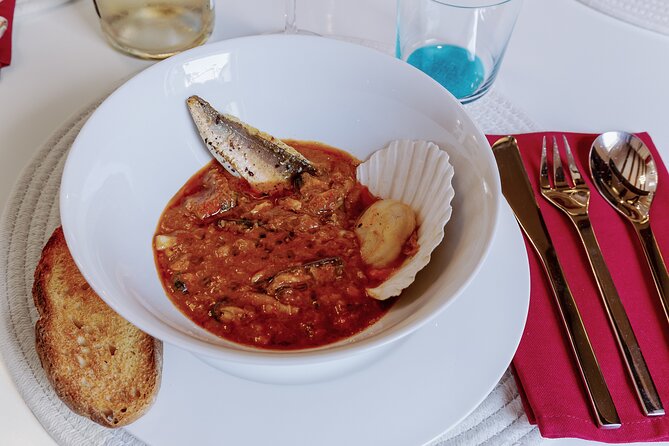
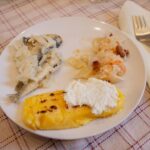
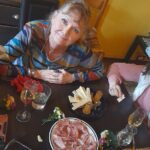
A cooking class is only half the deal unless you get to eat what you made. Here, you’ll pair your meal with local red and white wines, plus water and espresso.
This is one of the reasons I think the price works for many people: you’re getting more than instruction. The class includes the ingredients and tasting, so you don’t have to turn it into a separate restaurant stop later.
In some sessions, you may also notice a celebratory toast mentioned by past participants, like a Prosecco moment alongside the pairing. Even so, the core point stays the same: the included drinks are part of the meal flow, not extra add-ons.
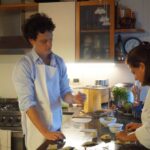
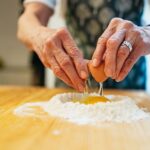
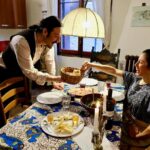

Hosts and Teaching Styles: What Names Hint About the Experience
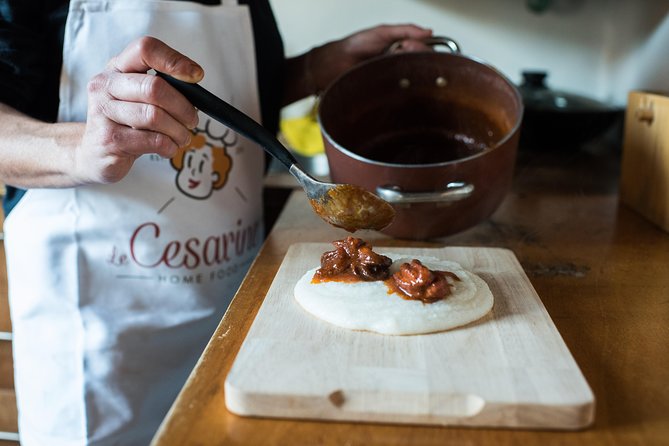
Cesarine sessions have been led by local home chefs such as Patrizia, Giulia, Barbara, Nadine, Daniella, and others. The names matter because they hint at the teaching style: relaxed but structured, with patience for beginners.
One pattern that shows up in real-world feedback is how hosts handle novices. If you’ve never rolled fresh pasta before, the best classes are the ones that slow down at the exact moment you need help—usually dough texture and shaping.
You can also expect hosts to explain context as you cook. Some sessions include a local perspective on Venice while you work, which makes the time feel like conversation, not a lecture.
In at least one experience, the host provided a take-home sheet with recipes and suggestions for what to buy to cook the dishes at home. If you want a souvenir you can actually use, that kind of written guidance is worth paying attention to.
Timing: Why 3 Hours Can Feel Just Right (or Not)
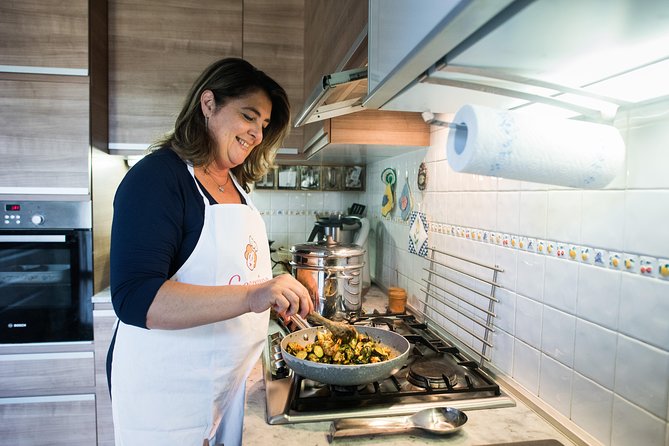
The class runs about 3 hours, and that duration reflects real cooking—not just prep speed. Fresh pasta dough often needs a short rest before it becomes workable, and cooking pasta and sauce takes time once everyone is ready to eat.
If you’re a fast-paced person, you might notice a waiting stretch while the pasta cooks or while a component finishes. This is the trade-off of doing things correctly at home instead of rushing through a demo.
That said, the cooking rhythm is part of the charm. You get a clear sense of how long each step takes, which is what helps you recreate it later.
Who This Class Fits Best (And Who Might Want a Different Option)
This is a good match if you want authentic Venetian food from a real kitchen and you like learning by doing. It also works well for couples because you’ll get attention, and you’ll leave with a memorable meal that’s tied to skills.
Past feedback points out that the kitchen workspace can be best for smaller groups, often mentioning two to four people as a comfortable sweet spot for hands-on work. Still, the class can run with larger groups too, as the host will manage the kitchen carefully since the class caps out at 12.
If you’re sensitive to household comfort like heat, keep expectations realistic. Many Italian homes don’t rely on air conditioning the same way hotels do, so on hot days you may feel warmth indoors.
Price and Value: Is $215.66 Worth It?
At about $215.66 per person for roughly three hours, you’re paying for a lot more than a meal. You’re paying for: hands-on instruction, ingredient preparation, wine pairing, a full tastable outcome (starter, fresh pasta, dessert), and a small-group setting with real teacher support.
This value usually makes sense if you would otherwise spend similar money on a sit-down dinner plus a separate cooking activity. Here, the meal and the lesson are one package, and you’re also learning skills you can repeat later.
It’s less of a bargain if you only want one specific dish. The class structure is built around starter + fresh pasta + dessert, with fresh pasta being central and dessert being one of several Venetian options. If you want a very narrow focus, you’ll need to choose carefully and be clear about what you’re hoping to cook.
Should You Book Cesarine in Venice?
Book it if you want a small-group, hands-on Venetian cooking experience with local wine, and you’d enjoy learning fresh pasta steps plus a classic dessert. It’s also a strong pick if you like the idea of cicchetti—Venice in bite-size form.
I’d think twice if you’re expecting a restaurant-style timeline, a guaranteed air-conditioned comfort bubble, or you’re only interested in one single outcome. Cooking in a home follows real pacing, and you’ll want to go with that flow.
If you fit the first group—food-focused, patient, and curious—this is the kind of Venice activity that leaves you with both skills and a real meal, not just photos.
FAQ
Where does the class start?
The meeting point is Chiesa di San Giacomo di Rialto, Campo S. Giacomo di Rialto, 30125 Venezia VE, Italy.
How long is the Cesarine home cooking class in Venice?
It runs for about 3 hours.
What language is the class offered in?
The class is offered in English.
How many people are in each class?
The experience has a maximum group size of 12 travelers.
Is the class hands-on?
Yes. It includes a hands-on cooking class where you learn and taste the dishes you make.
What food is included in the menu?
You learn and taste three Italian recipes: a starter, fresh pasta, and a Venetian dessert. Fresh pasta options can include bigoli, risi e bisi, or gnocchi.
Are drinks included?
Yes. It includes water, local wines, espresso, and the class meal is designed to be accompanied by local wine.
Do I need hotel pick-up or drop-off?
No. Hotel pick-up and drop-off are not included.
Are service animals allowed?
Yes. Service animals are allowed.
Is there a Venice access fee for day visitors?
On certain dates, travelers staying outside Venice may need to pay a €5 access fee. Check the applicable days and exemptions at https://cda.ve.it.