REVIEW · ADDIS ABABA
Ethiopian Cooking Class and Coffee Ceremony with a Local in Addis with transfers
Book on Viator →Operated by Traveling Spoon · Bookable on Viator
That injera lesson is worth the trip alone. This is a home-kitchen experience in Addis Ababa where you learn injera hands-on and cook Ethiopian dishes with Daniel and Tigist. The day ends with a traditional coffee ceremony, including roasting the beans.
I especially love how personal it feels: Daniel speaks perfect English, and he’s up for talk beyond food. You’ll also get the kind of cultural context you usually only hear from locals, not just recipes and steps.
One consideration: since this happens in someone’s home kitchen, you need to share any allergies or dietary restrictions when you book so they can plan the menu with you.
In This Review
- Key Things I’d Prioritize
- Why a Home Kitchen Beats a Commercial Cooking Class in Addis Ababa
- 3:30 pm Transfers and a Realistic About-4-Hour Schedule
- Meet Daniel and Tigist: Local Hosts, Smart Conversation, and Real Household Cooking
- Injera Lessons You Can Actually Use at Home
- What Your Meal Includes: Shiro, Tibs, and the Rhythm of Ethiopian Eating
- Coffee Roasting and the Traditional Coffee Ceremony in Ethiopia
- Dietary Options, Allergies, and How to Tell Them What You Need
- Price and Value: Is $154 Per Person Worth It?
- Who Should Book This Addis Cooking Class and Coffee Ceremony
- Should You Book This Experience?
- FAQ
- What time does the experience start?
- How long does the experience last?
- Is hotel pickup and drop-off included?
- Is this experience private?
- What will I learn to cook?
- Can I choose a vegetarian option?
- Will there be coffee?
- Are alcoholic drinks included?
- How much time will I need if I want to cook an extra dish?
- Can I get a full refund if I cancel?
Key Things I’d Prioritize
- A true home kitchen with Daniel and Tigist, not a commercial demo
- Injera coaching with learn-to-pour guidance during the class
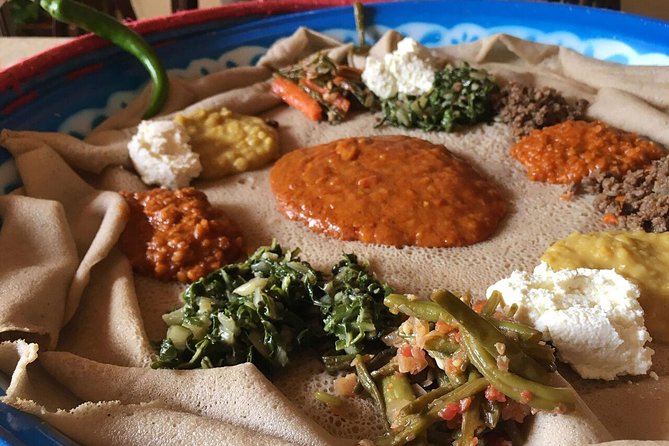
- Pan-Ethiopian dishes at your meal, with options like shiro or tibs depending on the season
- Roast the coffee beans and follow the traditional ceremony steps
- Hotel pickup and drop-off so you can focus on cooking and conversation
Why a Home Kitchen Beats a Commercial Cooking Class in Addis Ababa
In Addis Ababa, you can find cooking classes that feel like a performance. This one is different because it takes place in Daniel and Tigist’s home kitchen, and that changes the whole vibe. You’re not just learning food. You’re meeting people, seeing how they cook, and picking up the cultural meaning behind what’s on the plate.
Daniel and Tigist come from the Oromia region, but they cook from across Ethiopia. That matters because Ethiopian meals are built around shared staples and regional variations. In your class, you can expect a pan-Ethiopian menu rather than one narrow style.
I also like that Daniel isn’t only focused on cooking. He has a master’s degree in Social Anthropology, he’s worked as a tourism professional for over a decade, and he enjoys discussing everything from food and history to politics. That turns your meal into a conversation, not just a workshop.
And yes, the class is hands-on. You’ll do the work, not watch it. That makes a practical difference if you’re the type who wants to recreate the flavors at home later.
You can also read our reviews of more tours and experiences in Addis Ababa.
3:30 pm Transfers and a Realistic About-4-Hour Schedule
The start time is 3:30 pm, and the whole experience runs about 4 hours. Because hotel pickup and drop-off are included, you don’t waste time figuring out transport or negotiating with drivers on short notice. You’ll be picked up after you share your hotel name and address at booking, and you’ll be returned the same way.
This timing is especially good if you’re spending your main day seeing Addis Ababa sites and want something calmer in the late afternoon. Cooking classes can feel long, but the format here keeps it tight: you get a cooking segment lasting about 1.5 to 2 hours, plus time for your meal and the coffee ceremony.
The main practical thing to plan is your evening meal. After a full meal with coffee and/or tea, you probably won’t want a big dinner immediately afterward. If you’re traveling with people who love to eat late, consider scheduling dinner for later or keeping it light.
One more small tip: this is a private, personalized experience. That means there’s no crowd to balance with. If you want questions answered, ask them. Daniel is clearly the type to talk.
Meet Daniel and Tigist: Local Hosts, Smart Conversation, and Real Household Cooking
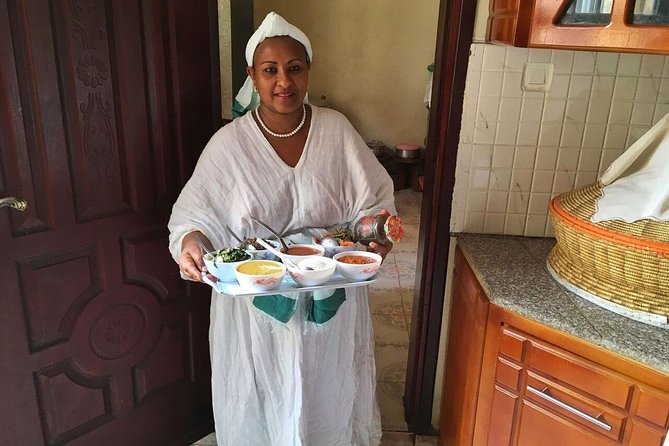
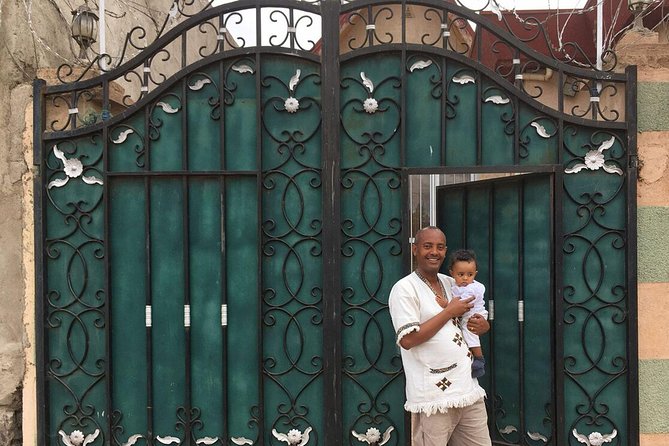
You’ll meet Daniel and Tigist in their home, and the hosts are a big part of why this experience stands out. Tigist learned cooking around the house as a child and then ran her own kitchen after marrying Daniel. Daniel is a tourism professional with a master’s degree in Social Anthropology, and he has led trips around Ethiopia for more than a decade. He also speaks perfect English.
That combination makes your class unusually easy to follow. You’re not translating. You’re learning directly from someone who can explain both the how and the why. Daniel enjoys meeting people from different cultural backgrounds, so expect discussion that goes beyond ingredients and kitchen technique.
There’s also something real and human about seeing how a family meal is prepared. If your experience happens on a weekend, Daniel and Tigist’s three boys may join you. That can add extra charm, but it’s also a reminder this is a home visit, not an industrial kitchen set up for tourists.
If you’re someone who likes to ask questions, you’ll probably feel at home here. Daniel is the kind of host who answers questions about Ethiopian culture while you’re cooking, which turns waiting time into learning time.
Injera Lessons You Can Actually Use at Home
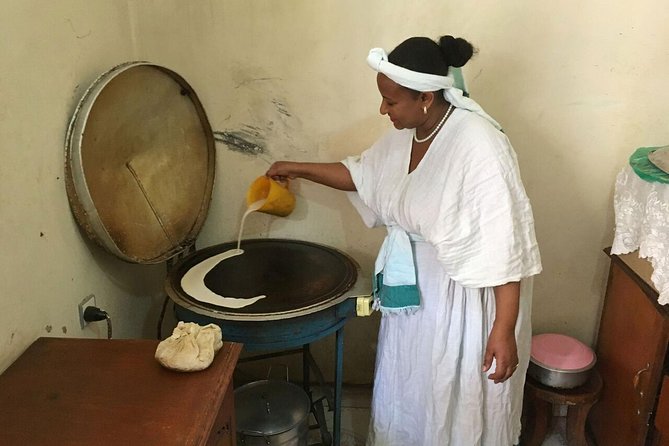
Injera is the center of many Ethiopian meals, and here you get guided practice. Tigist will show you how to pour and cook injera as part of the class. That’s important because injera isn’t just about taste. The texture comes from technique, heat, and timing.
You can think of injera as your edible base map. Once you understand how it’s made, everything else becomes easier to place: how stews soak into the bread, how spices feel when eaten together, and how meals are structured around sharing.
What I like is that injera isn’t treated like a side task. It’s core to the experience, and you’re taught during the 1.5 to 2 hour class period. Even if you’ve tried injera once before, I’d still expect this lesson to be more precise than what you get from a recipe blog.
The rest of your cooking may include one of Ethiopia’s most loved meal partners:
- shiro, a chickpea or broad bean stew
- tibs, stir-fried meat with vegetables and spices
Which dish you make can vary depending on the season. But either way, your class is designed around dishes you can recognize in Ethiopian restaurants, while still learning the method from a home-cooked perspective.
What Your Meal Includes: Shiro, Tibs, and the Rhythm of Ethiopian Eating
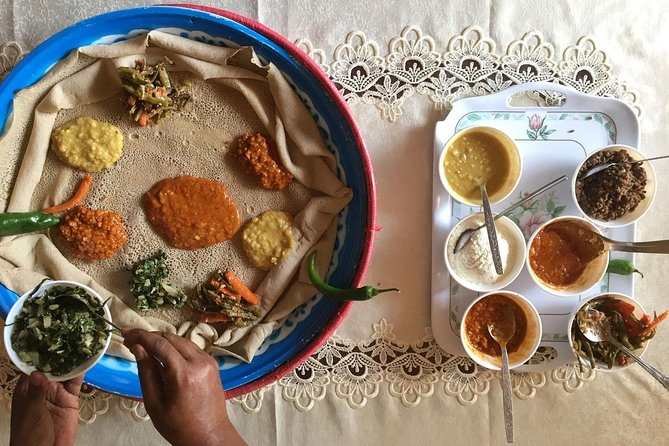
After the cooking lesson, you’ll enjoy a meal with Daniel. The exact menu may vary depending on the season, and vegetarian options are available if you ask when booking.
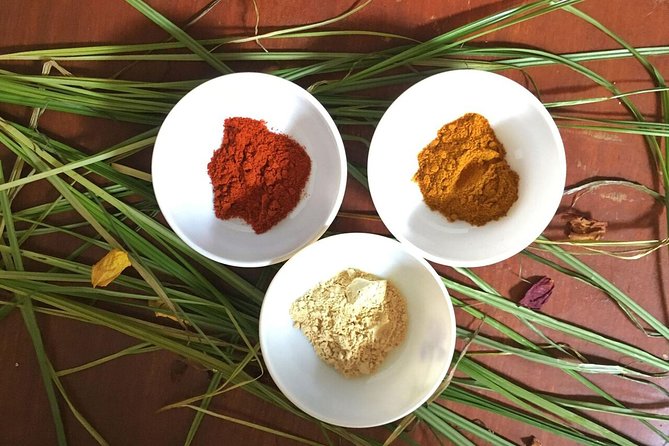
If shiro is on the menu, it’s a thick, spiced stew that works like a flavor magnet. Chickpea or broad bean versions show up across Ethiopia, so learning one gives you a solid anchor taste. If tibs is on the menu, you’ll get experience with stir-fry style cooking and how spices and vegetables work together for quick, hot flavor.
The meal part matters because it’s not just food you cooked and then moved on from. You’re eating with your hosts, so you can ask why certain steps are done a certain way or how the dish changes by region. Daniel’s interest in food history and culture makes the meal feel like part of the lesson instead of a break from it.
Also, the class is described as a visit into a home to share Ethiopian culture and cuisine together. That means the meal is part social and part instructional. You’ll likely leave with a better sense of how Ethiopians pace a meal and how they bring spice and texture into balance.
Coffee Roasting and the Traditional Coffee Ceremony in Ethiopia
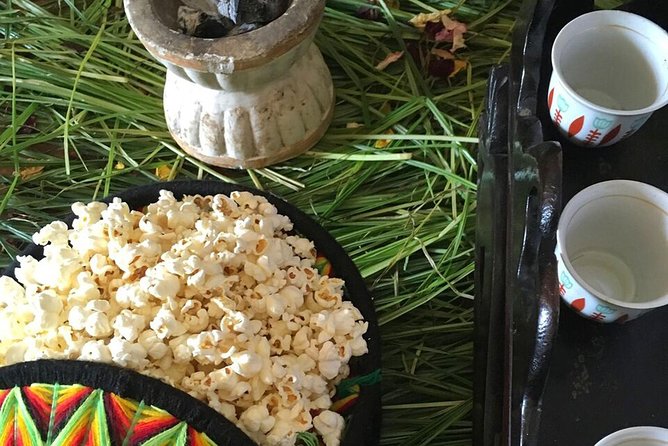
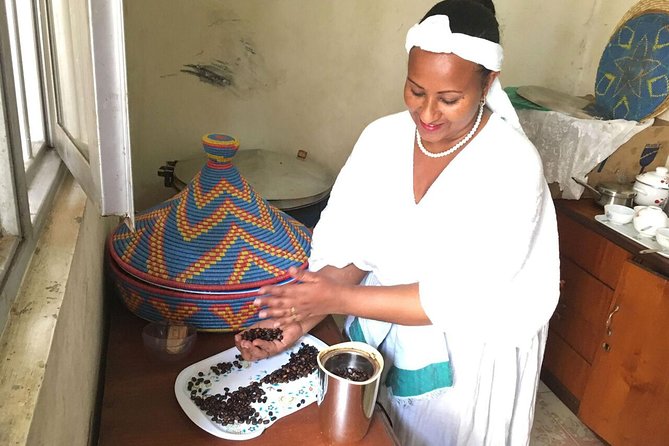
Then comes the coffee portion, and it’s not an afterthought. You’ll learn to roast coffee beans, and you’ll explore coffee through a traditional ceremony.
Roasting is one of those steps that people often skip in tourist experiences. Here, you get the chance to understand it as a process: heat, smell, and timing shape the final flavor. Even if you’re not a coffee expert, you’ll come away with a better sense of why Ethiopian coffee tastes the way it does.
The ceremony itself is part ritual, part hospitality. Ethiopia is commonly considered the birthplace of coffee, and this experience leans into that idea by teaching you the steps and letting you enjoy the coffee afterward. You’ll have coffee and/or tea included, plus beverages during the experience.
This is also a nice contrast to cooking. Cooking is active and hands-on; the ceremony is slower and more sensory. It gives the day balance, and it pairs well with the conversation style Daniel brings to the table.
Dietary Options, Allergies, and How to Tell Them What You Need
This experience is flexible in one key way: a vegetarian option is available. If you want vegetarian food, tell them at booking.
You also need to be direct about any allergies or dietary restrictions. The experience instructions say to advise at time of booking. That matters because Ethiopian cooking often uses shared kitchen setups and spice blends, and at a home kitchen level, the host has to plan in advance.
Another planning note: if you want to learn an additional dish beyond the main class menu, include it when you book. Just understand it will extend the cooking time. The class already runs about 1.5 to 2 hours, so adding dishes can push your experience closer to the higher end of the total 4-hour window.
If you have food preferences, make your request early. The more specific you are, the more likely you’ll get a smooth, comfortable meal that matches your needs.
Price and Value: Is $154 Per Person Worth It?
$154 per person is not a low-cost activity, but in this case the price is doing real work. What you’re paying for isn’t only teaching time. The total includes private cooking class + meal, hotel transfers (pickup and drop-off), beverages, bottled water, and coffee and/or tea. It also includes all taxes, fees, handling charges, and gratuities.
That bundle matters because so many local experiences start adding extras at the end. Here, the important parts are already covered. You’re also getting a private, personalized visit rather than a large-group class.
You should also weigh the value of the setting. Cooking in a local home kitchen with hosts who can answer questions about Ethiopian life is hard to replicate through a standard restaurant class. Daniel’s background and his interest in discussion are the kind of “included value” you don’t see on a menu board.
Finally, since this experience is generally booked about 35 days in advance, it’s smart to reserve early if you want a specific day. Demand likely depends on the host’s schedule, and the class format is personal enough that you shouldn’t wait for last-minute decisions.
Who Should Book This Addis Cooking Class and Coffee Ceremony
This is a great fit if you want a food experience that feels like a meeting, not a transaction. It works especially well for:
- First-time visitors who want a more local side of Addis Ababa
- People who like conversation and explanations, not only recipes
- Travelers who enjoy hands-on learning and want to practice techniques like injera pouring
- Anyone interested in coffee culture and the process behind roasting beans
If you’re on a strict schedule and you hate time-based activities, note the fixed start time of 3:30 pm and the about-4-hour duration. Also, if you need a very specific menu, vegetarian or allergy planning should be confirmed at booking since menu can vary seasonally.
But if you’re open to learning what your hosts feel is best for the season, you’ll likely enjoy the flexibility. Ethiopian cuisine is built on seasonal ingredients and regional traditions, so your menu being slightly different than expected isn’t a problem—it can be part of why this feels real.
Should You Book This Experience?
I’d book it if you want the best chance of seeing Addis Ababa through a local household routine. The mix of hands-on cooking, a real injera lesson, and coffee roasting plus a ceremony gives you two big cultural anchors in one afternoon.
It’s also a strong choice if you value hosts who can talk. Daniel brings English clarity and context from years of leading trips, and Tigist’s cooking guidance makes the class practical, not vague.
One final check before you book: make sure you tell them about any dietary restrictions or allergies during reservation, and confirm whether you want to add an extra dish. If you do that, you’ll set yourself up for a smooth, satisfying evening that tastes like Ethiopia and feels like you were invited in.
FAQ
What time does the experience start?
It starts at 3:30 pm.
How long does the experience last?
It lasts about 4 hours.
Is hotel pickup and drop-off included?
Yes, transfers (hotel pick-up and drop-off) are included.
Is this experience private?
Yes. It’s private, and only your group participates.
What will I learn to cook?
You will learn how to pour and cook injera. You may also learn dishes like shiro (chickpea or broad bean stew) and/or tibs (stir-fried meat with vegetables and spices). The menu may vary by season.
Can I choose a vegetarian option?
Yes, a vegetarian option is available. You should advise them at time of booking.
Will there be coffee?
Yes. You’ll learn to roast coffee beans, and coffee and/or tea are included.
Are alcoholic drinks included?
No. Drinks are included, but alcoholic drinks are not included.
How much time will I need if I want to cook an extra dish?
If you add an additional dish, it will extend the cooking time. You should specify this in advance when booking.
Can I get a full refund if I cancel?
You can cancel up to 2 days in advance for a full refund. If you cancel less than 2 days before the start time, the amount paid is not refunded.