REVIEW · BOLOGNA
Bologna: Pasta & Tiramisu Cooking Class at a Local’s Home
Book on GetYourGuide →Operated by Cesarine · Bookable on GetYourGuide
Your next great meal starts with flour.
In Bologna, this home-cook class gets you elbow-deep in fresh pasta and ends with tiramisu you made yourself, all in a welcoming local kitchen. It’s run through Cesarine, a long-running network of home cooks who teach family-style techniques and feed you what they’d serve at home.
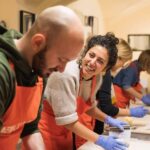
I especially love the hands-on focus: you’ll roll sfoglia by hand and learn how to build two iconic pasta dishes from scratch. I also like the warm-up and pacing, with an Italian aperitivo (prosecco and nibbles), plus time to taste what you cook. One thing to consider: this is a true “in-home” experience, so it’s not set up like a big studio, and you’ll be moving around in a regular kitchen (and it’s listed as not suitable for wheelchair users).
In This Review
- Cesarine Bologna Pasta and Tiramisu Class: What Makes It Special
- Bologna’s Best Translation of Italy: Cook, Then Eat
- What you’re really buying
- Your “Italian Aperitivo” Warm-Up Before the Work Starts
- Rolling Sfoglia by Hand: The Skill That Changes Everything
- Making Two Iconic Pastas: What You’ll Likely Learn in Practice
- Why learning two pastas is smart
- Cooking Tiramisu: The Dessert That Rewards Attention
- Eating Together: Lunch-Style Timing in a Real Home Kitchen
- Price and Value: Why $112.15 Can Be Fair (If You Use It Right)
- Logistics That Matter: Address Privacy and a Home Setting
- Instructor language
- Who Should Book This Bologna Class (and Who Might Not)
- Tips to Get the Most From Your Pasta and Tiramisu Session
- Should You Book This Bologna Pasta and Tiramisu Class?
- FAQ
- Where does the class take place?
- How long is the Bologna pasta and tiramisu cooking class?
- What’s included in the price?
- What will I learn to cook?
- What language is the instruction in?
- Is this experience suitable for wheelchair users?
Cesarine Bologna Pasta and Tiramisu Class: What Makes It Special
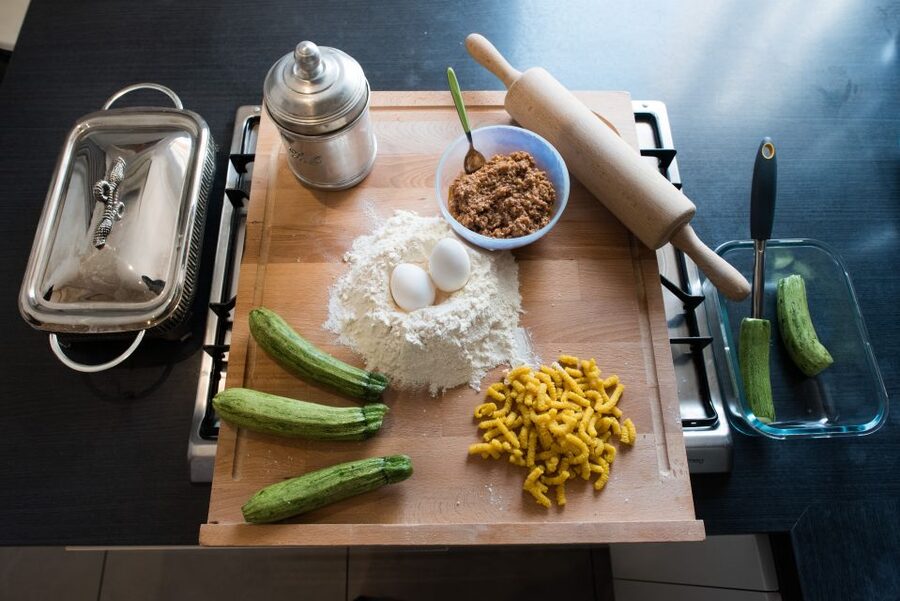
Hands-on sfoglia rolling, with technique you can repeat at home
Two pasta recipes from scratch, taught step by step by your host
Tiramisu training, not just assembling a dessert
Italian aperitivo included, with prosecco and nibbles to start
Local-home vibe, from cozy apartments to countryside houses with terrace views (depending on your host)
Bologna’s Best Translation of Italy: Cook, Then Eat
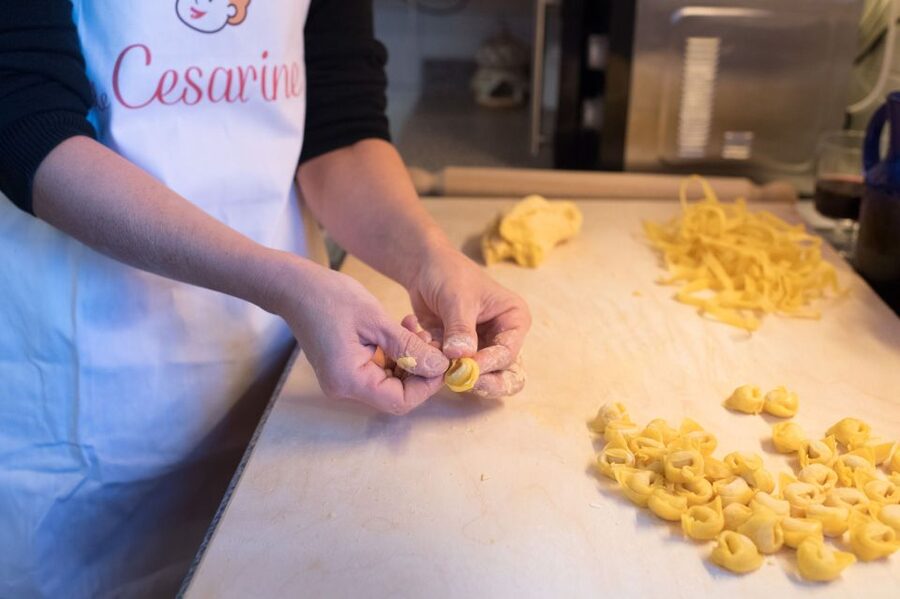
If you want Italy to feel real fast, cook something real. Bologna is famous for pasta, and this class keeps it practical: you’ll make the dough, shape the pasta, and learn how to finish with tiramisu. No standing around for show. You’ll be doing the work, tasting the results, and learning the small choices that separate mediocre from truly good.
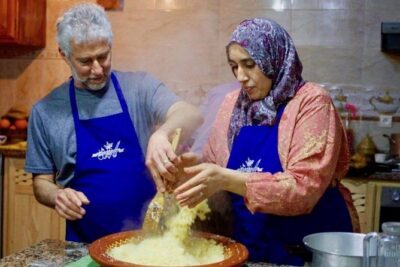
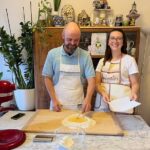
This is also a smart way to understand Bologna cuisine without turning it into a museum visit. Emilia-Romagna food is about comfort, craft, and rhythm. In a home kitchen, that comes through immediately. Your host isn’t reciting lines from a textbook. They’re guiding you through what they do at home, in their own style, with their own family habits—sometimes the kitchen even includes a garden terrace or a balcony view, depending on the home you’re matched with.
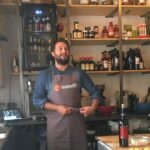
Cesarine is the key difference here. This experience is hosted by a local “cucina italiana” home cook, and the network is designed specifically for immersive culinary experiences in real residences—not demo theaters. That usually means warmer conversation, more patience, and fewer rushed moments.
You can also read our reviews of more tours and experiences in Bologna.

What you’re really buying
Yes, you’re paying for lessons in pasta and tiramisu. But you’re also buying something less tangible: confidence. When you learn to roll dough by hand and understand how pasta should feel, you stop treating Italian food like magic. You start treating it like a process you can reproduce.
Your “Italian Aperitivo” Warm-Up Before the Work Starts
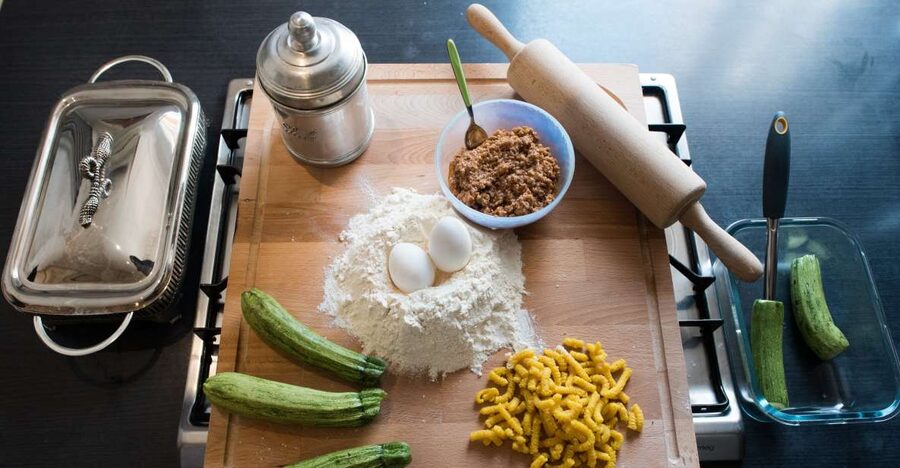
The class begins with an aperitivo—prosecco and nibbles—so you’re not thrown into flour before you’ve found your footing. That sounds small, but it matters. A relaxed start makes the whole experience better, especially because fresh pasta takes focus. If you’re tense, you rush. If you’re relaxed, you notice texture and temperature.
You’ll also have beverages throughout the experience, including water, coffee, and wine. This is one of those times where “included drinks” are actually part of the value equation, not just an add-on. When you’re learning by doing, you want comfort built into the rhythm.
And it’s not only about the drink. Aperitivo time is where conversation happens. In Bologna, that can mean practical talk about where locals buy ingredients, how they judge dough, or what they consider a correct sauce consistency.
Rolling Sfoglia by Hand: The Skill That Changes Everything
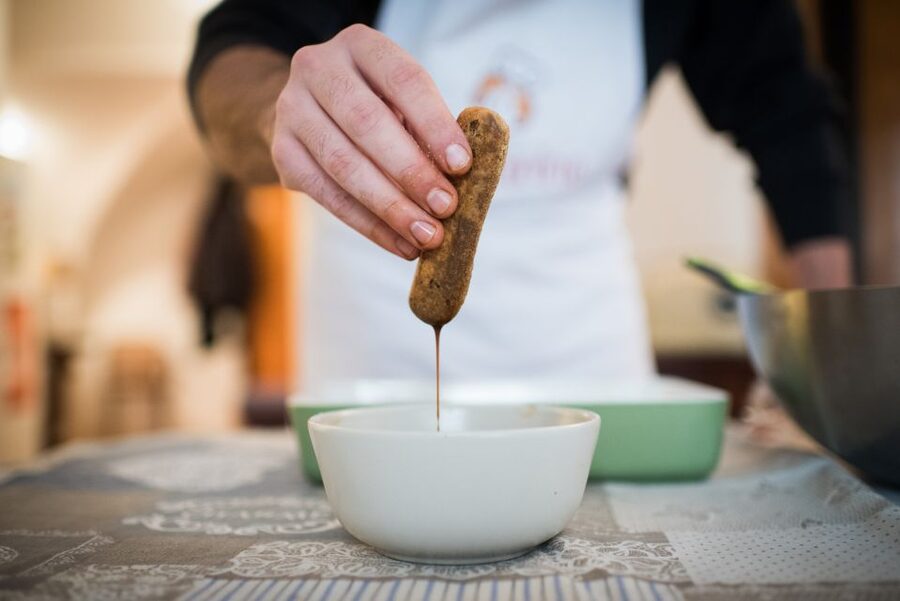
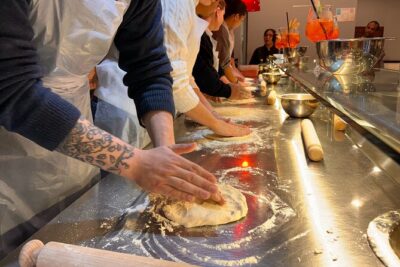
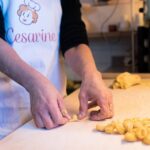
Let’s be honest: most people try fresh pasta once at home and then give up. The reason isn’t effort. It’s that they never learn the right cues. This class focuses on the tactile part—rolling sfoglia by hand—so you don’t just copy steps, you learn how to read the dough.
Here’s what that typically teaches you:
- Texture cues: dough should feel elastic, not sticky or dry
- Thickness awareness: pasta should be consistent enough to cook evenly
- Patience under pressure: rolling is repetitive, but you get better with each pass
You’ll also learn the “why” behind the technique. Hosts from the Cesarine network tend to teach in a way that’s shaped by family cooking. That often means they share little fixes, like how to adjust the dough if it’s fighting you, or how to keep it from drying out while you switch tasks.
In Bologna, fresh pasta isn’t a novelty. It’s everyday craft. Once you understand it here, it’s easier to appreciate why Bolognese cooking feels the way it does—comforting, but still precise.
Making Two Iconic Pastas: What You’ll Likely Learn in Practice
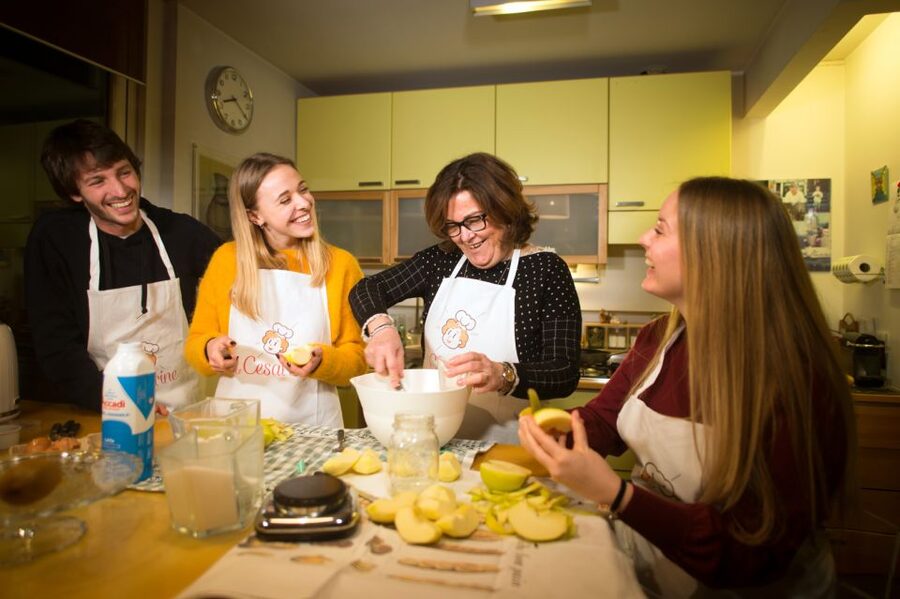
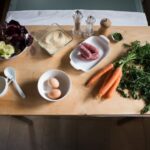
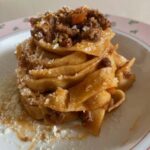
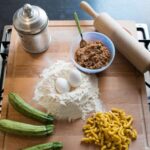
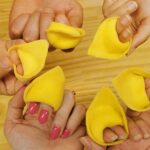
The class includes making two iconic pasta types from scratch. The exact pasta shapes can vary by your host, but you should be ready for classic Bologna-region techniques and dough-based cooking, not a single assembly-line dish.
Based on the kinds of lessons that happen in Bologna home kitchens, you might see pasta options in the spirit of:
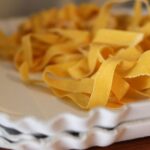
- Tagliatelle (long ribbon pasta, great for learning dough consistency)
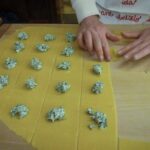
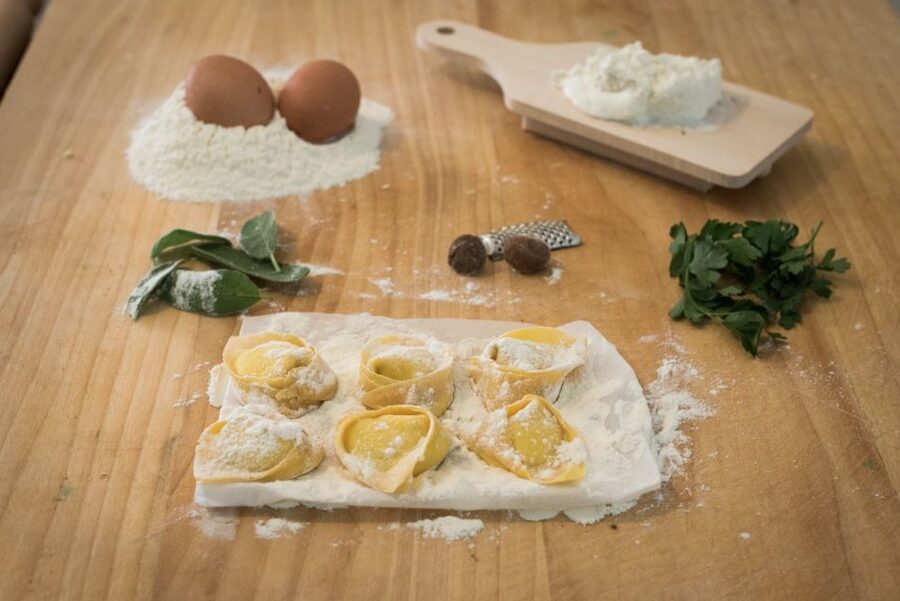
- Tortelloni or tortellini (stuffed pasta, where sealing and shaping matter)
- Ravioli (stuffed pasta, where filling distribution changes the final bite)
Even if your pasta types are different, the underlying lessons are usually the same: portioning, shaping, and timing. That’s what you want. Because the next time you’re in your own kitchen, it’s not about whether you can remember the exact name of the pasta you made. It’s about whether you can execute the method.
Why learning two pastas is smart
One pasta is fun. Two pastas is where you build real skill. You’ll see how different shapes behave:
- Long pasta teaches you about even thickness and cooking time
- Stuffed pasta teaches you about handling and closure
- Sauce pairing teaches you about balance, so the pasta tastes right, not just “cooked”
Also, the class is set up so you don’t only make. You’ll also taste the pasta recipes and the tiramisu.
Cooking Tiramisu: The Dessert That Rewards Attention
Tiramisu gets praised everywhere, but the method is where it lives. This class teaches you to prepare the iconic tiramisu, which is a big deal because tiramisu can fail in small ways.
The lessons you’ll likely focus on include:
- Getting the cream mixture to the right texture (so it holds, not weeps)
- Working with layers so the dessert is balanced, not soggy
- Timing and assembly so it sets properly
The included tasting matters here. You’ll learn the “finish line” feel—how it should taste and how it should look when it’s done. That’s the difference between following a recipe and understanding it.
And since it’s taught alongside pasta, you’ll also learn how Italian cooking handles flow: savory first, then dessert, with the kitchen workload paced for a home environment.
Eating Together: Lunch-Style Timing in a Real Home Kitchen
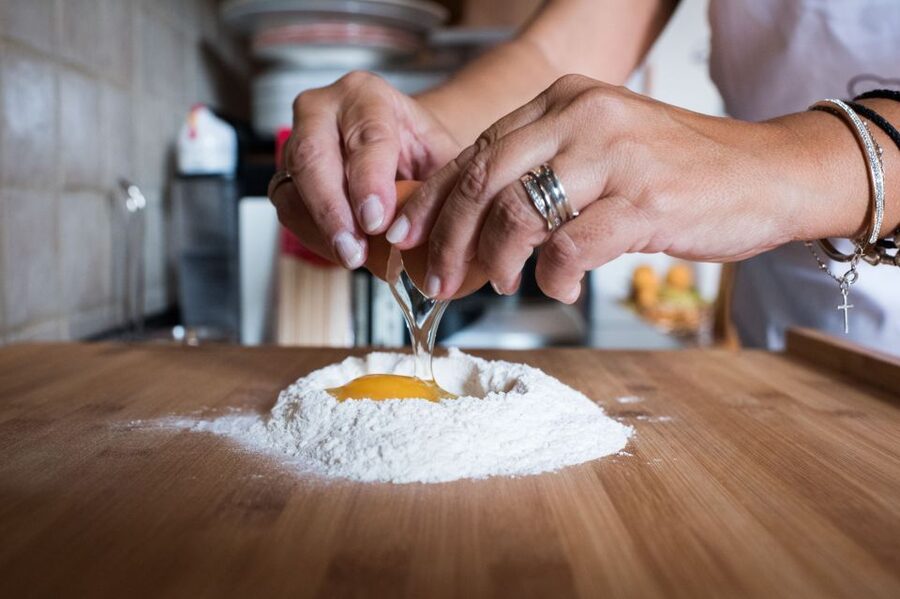
This class isn’t just a snack workshop. You’ll make the pasta and tiramisu and then taste what you make. Included beverages and coffee keep things moving, and the overall rhythm feels like a warm meal at someone’s table.
Many hosts bring the social side of cooking into the room—conversation while you work, with breaks that feel natural rather than forced. Some classes are described as being cooked with views from balconies or terraces, which turns the “waiting for the next step” time into a relaxed moment instead of boredom.
If you like travel that involves people as much as places, you’ll probably love this format. Emilia-Romagna cooking is personal. The home-cook approach makes that clear.
Price and Value: Why $112.15 Can Be Fair (If You Use It Right)
At $112.15 per person for about 3 hours, this is not cheap in the way a casual walking tour is cheap. But it also isn’t overpriced for what you get.
Here’s what’s included:
- Italian aperitivo with prosecco and nibbles
- Beverages like water, wines, and coffee
- Pasta-making class (two pasta recipes)
- Tiramisu-making class
- Local taxes
- Tasting of the pasta and tiramisu
In other words, you’re paying for ingredients, instruction, and a host opening their home for your group. Fresh pasta and dessert ingredients aren’t expensive individually, but the labor is the big cost—rolling dough, teaching technique, and then guiding you through cooking and timing.
Where this becomes great value is if you actually want to bring skills home. If you only want one plate of food, you could eat pasta in Bologna for less. But if you want the recipe knowledge and the hands-on technique to repeat later, the price starts making sense fast.
Logistics That Matter: Address Privacy and a Home Setting
One practical detail you should be ready for: for privacy reasons, you only receive the full address after booking. That’s normal for home-based experiences, but it changes how you plan. You’ll want to confirm the meet-up info as soon as it’s sent, and you’ll want to build in a little buffer to get there on time.
Also, the class is held in a local’s home. That means:
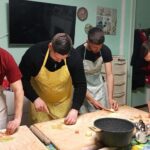
- You’ll be in a real kitchen, not a show kitchen
- Expect a setup designed for a family meal, not big-ticket production
That’s part of the charm, but it’s also why it’s listed as not suitable for wheelchair users. If mobility access is a concern, double-check before booking.
Instructor language
Your instructor is listed as Italian and English, so you can expect the teaching to be accessible even if your Italian is basic.
Who Should Book This Bologna Class (and Who Might Not)
I think this is ideal for you if:
- You want a hands-on Bologna pasta experience, not just a meal
- You’re excited to learn techniques like rolling sfoglia by hand
- You want to leave with the confidence to make fresh pasta and tiramisu again
It might not be the best fit if:
- You want a fully controlled, hotel-like environment
- You need wheelchair accessibility
- You prefer watching over participating (this class is built for doing)
It’s also a nice option for couples or small groups who want a shared activity with conversation built in. And if you enjoy meeting locals, Cesarine’s home-cook model is the kind of format that makes people feel part of the trip, not just a background service.
Tips to Get the Most From Your Pasta and Tiramisu Session
You don’t need special gear. But you can make the experience smoother with a few common-sense moves:
- Plan to arrive a bit early so you don’t feel rushed before the aperitivo
- Wear comfortable clothes you don’t mind getting flour-fainty
- Come ready to ask questions, especially about dough feel and thickness
- If you have food intolerance or allergies, provide it during booking so the host can plan accordingly
One more tip: bring a small notebook or notes app. Even if the class includes tasting and learning, the small “do this, not that” cues are what you’ll want later when you try to recreate the pasta at home.
Should You Book This Bologna Pasta and Tiramisu Class?
Yes, I’d book it if you want Bologna to be more than restaurants and landmarks. The mix of fresh pasta technique (sfoglia by hand), two pasta recipes, and tiramisu gives you real skill, not just a full stomach.
Choose it confidently if you like home-cooked meals, conversation, and learning by doing. It’s also a good value when you consider the included aperitivo and beverages, plus the fact that you’re working through multiple recipes in a single 3-hour session.
One final decision check: if you’re someone who enjoys tactile tasks and wants recipes you can actually repeat, this class will feel like money well spent. If you’re hoping for a mostly observational experience, you might prefer a different style of tour.
If you’re ready to trade crowds for a kitchen table, this is one of the better ways to experience Bologna’s food culture—hands first, dessert second, and your confidence at the end.
FAQ
Where does the class take place?
The experience is held in a local’s home. For privacy reasons, you only receive the full address after you have booked, and the activity ends back at the meeting point.
How long is the Bologna pasta and tiramisu cooking class?
It lasts 3 hours. Starting times depend on availability.
What’s included in the price?
The class includes beverages (water, wines and coffee), an Italian aperitivo with prosecco and nibbles, local taxes, the pasta-making class for two pasta types, and the tiramisu-making class, plus tasting of the dishes.
What will I learn to cook?
You’ll learn to roll sfoglia (fresh pasta) by hand, make two iconic pasta types from scratch, and make the iconic tiramisu.
What language is the instruction in?
The instructor speaks Italian and English.
Is this experience suitable for wheelchair users?
No. It is listed as not suitable for wheelchair users.