REVIEW · BOLOGNA
Cooking Workshop dedicated to preparation of pasta and ragu’
Book on GetYourGuide →Operated by COOKINBO · Bookable on GetYourGuide
Handmade pasta feels like magic. This workshop is built around hand-rolling and shaping pasta and cooking the real Bolognese ragu the old-school way, in a homey, nonna-style setting.
I especially love the focus on doing it yourself, from dough to sauce, and the way the host’s stories make the food feel personal.
My other favorite part is the finish: you sit down for a proper lunch or dinner with wine, water, coffee, and a sweet surprise. The one drawback to consider is that it’s not suitable for vegans, so if you need fully vegan food, you’ll want to look elsewhere.
In This Review
- Key things you’ll notice right away
- Emilia-Romagna comfort food, taught like family business
- The core experience: handmade pasta and Bolognese ragu
- Making pasta shapes without rushing
- The ragu: slow comfort sauce with rules
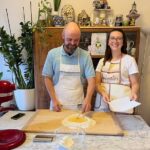
- Meet Irana and Marco, and learn through stories
- The house vibe: wide spaces and real-life table energy
- What happens before you eat: the 2.5-hour flow
- Lunch or dinner included: wine, coffee, and a sweet surprise
- Price and value: $96.29 is easier to justify than it looks
- What to wear and bring (so you’re comfortable, not distracted)
- Who this workshop is best for
- Getting there: meeting point on Via Lincoln
- Practical expectations: languages, movement, and food needs
- Should you book this cooking workshop?
- FAQ
- What will I make in the class?
- How long is the workshop?
- What is included in the price?
- What languages are the instructors?
- Is the class suitable for vegans?
- What should I wear or bring?
- Are there any rules I should know before going?
- Where do I meet and where does it end?
Key things you’ll notice right away
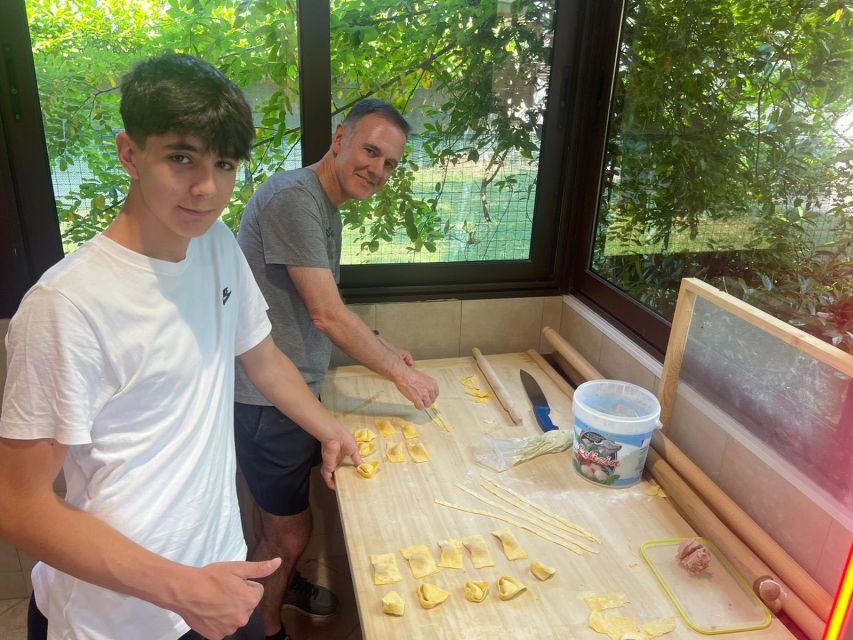
- Nonna’s-house atmosphere: wide spaces and a family-home vibe, not a classroom setup
- Two big skills: handmade pasta plus classic Bolognese ragu
- Real meal at the end: lunch or dinner with wine, water, coffee, and a sweet surprise
- You cook several pasta shapes: tortelloni, farfalle, and tagliatelle are part of the experience
- Ingredient choices can flex: ingredients might change based on your personal request
Emilia-Romagna comfort food, taught like family business
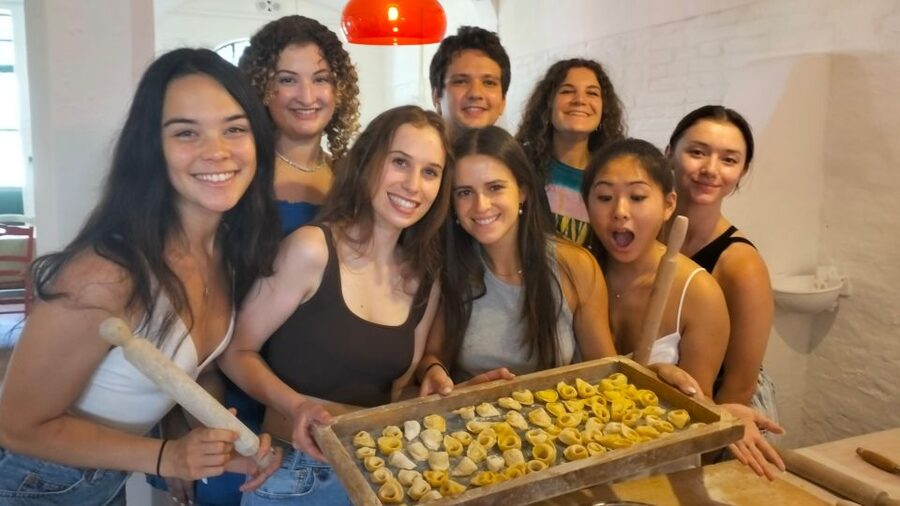
This is the kind of cooking class that doesn’t feel like a performance. The whole point is to learn the dishes that made Bologna and Emilia-Romagna famous, then eat them together like you belong at the table. Expect a calm, practical pace: you’ll work in the kitchen, learn how the dough should feel, and then turn around and enjoy your own handiwork.
The best part is that you’re not just watching someone else cook. You’re making the pasta and building the ragu the way it’s done in tradition. That hands-on structure is what makes the skills stick, and it’s why people come away feeling like they learned something they can actually repeat later.
You can also read our reviews of more tours and experiences in Bologna.
The core experience: handmade pasta and Bolognese ragu
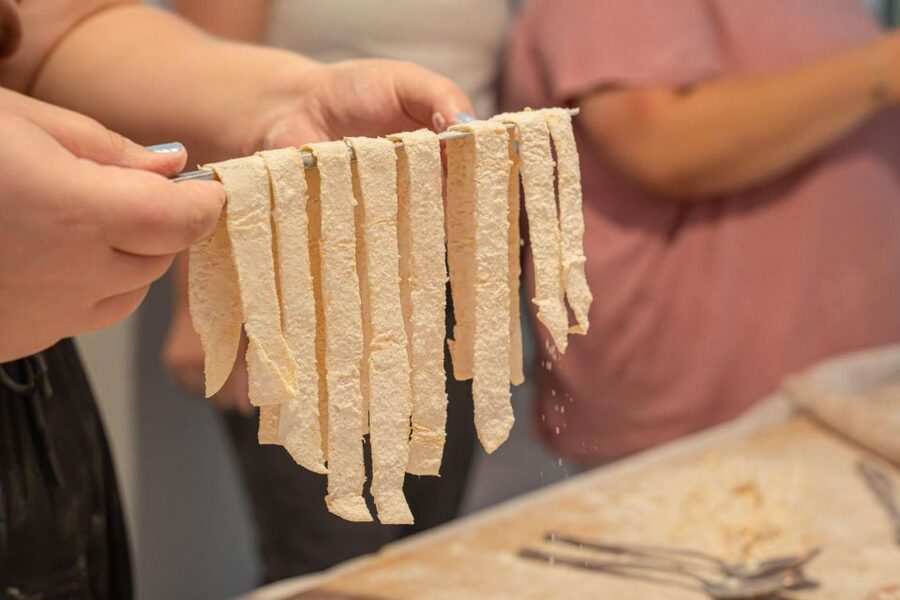
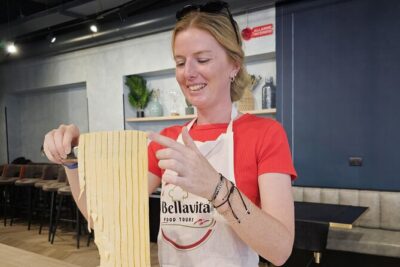
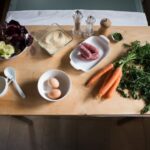
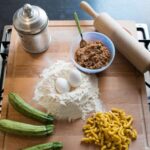
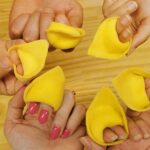
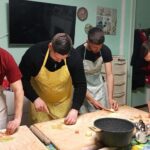
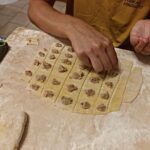
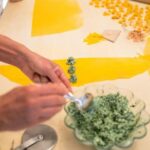
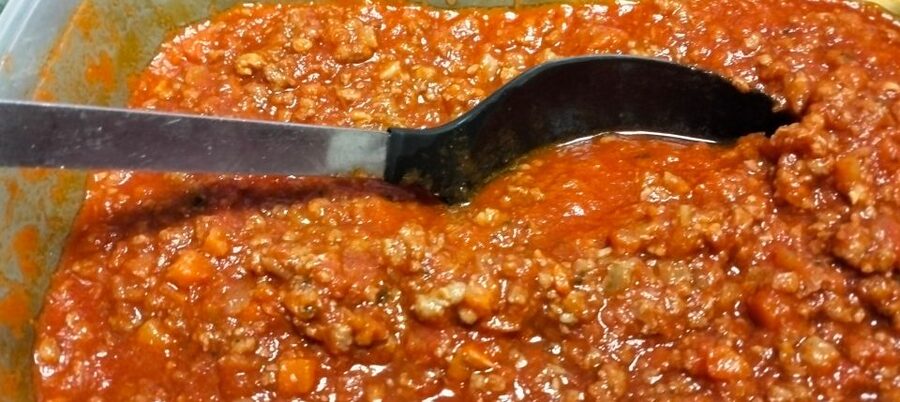
The workshop is dedicated to two things: hand made pasta and real bolognese ragu. You’ll prepare typical pasta dishes—tortelloni, farfalle, and tagliatelle—and you’ll also work on the ragu in the classic style your host calls the original recipe of the nonnas.
Making pasta shapes without rushing
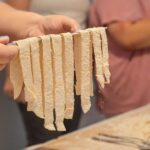
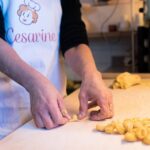
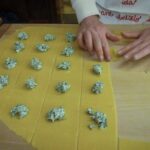
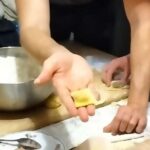
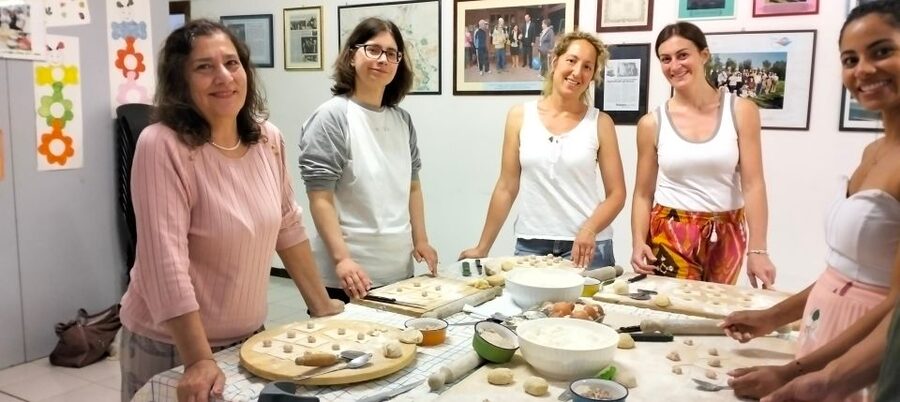
Pasta in this format is about touch and timing more than speed. You’ll learn how to shape dough into multiple forms, and you’ll get real practice through the process of rolling, cutting, shaping, and handling the pasta before it hits the table later.
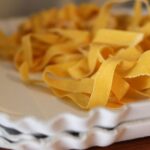
What you’ll like here is the variety. Instead of doing one single pasta shape and calling it a day, you get a set of different styles—tortelloni, farfalle, and tagliatelle—so you see how dough behaves across formats. That also helps you understand why each shape matters for catching sauce.
The ragu: slow comfort sauce with rules
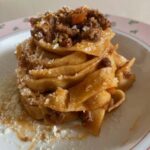
The ragu is the other half of the equation. You’re not making a generic meat sauce; you’re making the Bologna-style ragu using the original family approach described by the hosts. The ragu is where patience pays off. Even if you’re not cooking the sauce solo from start to finish, the lesson teaches you what to pay attention to while it comes together.
One detail I like: ingredients might change based on your request. That gives you some flexibility if you have preferences, while still keeping the core identity of the dish intact.
Meet Irana and Marco, and learn through stories
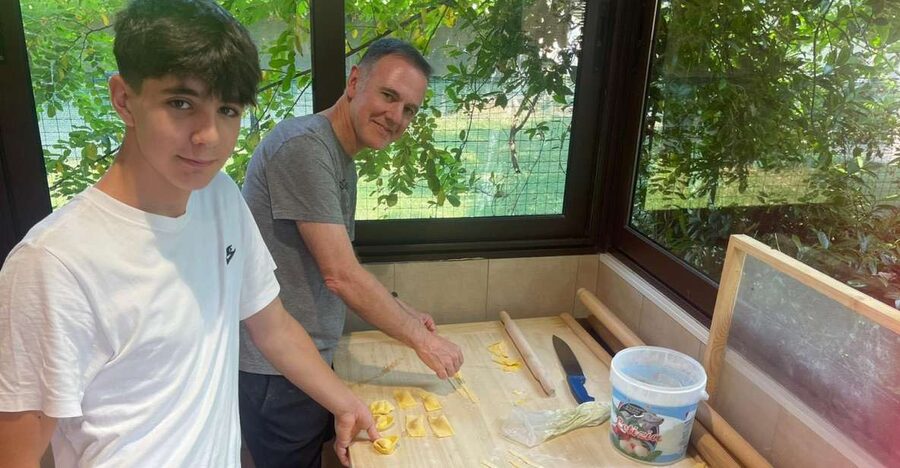
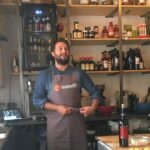
The class is led by instructors who speak English and Italian. In the feedback, hosts named Irana and Marco come up repeatedly, and it’s clear the teaching isn’t only technical. You get the food plus the context—stories and explanations that make the work feel connected to real home cooking.
That storytelling matters more than you might think. When you understand the logic behind steps—why texture matters, what the sauce is supposed to taste like, why certain pasta shapes work—you’re less likely to rely on guesswork later. You leave with a framework, not just a recipe list.
The house vibe: wide spaces and real-life table energy
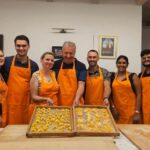
This workshop aims to recreate the atmosphere of a nonna’s home. You’re in a space with room to work, not cramped studio conditions. That matters when you’re handling dough and tools that need space.
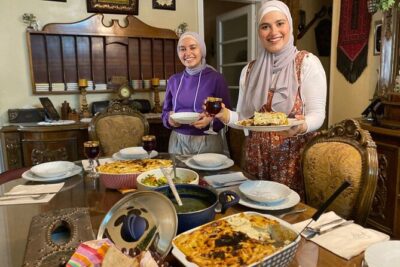
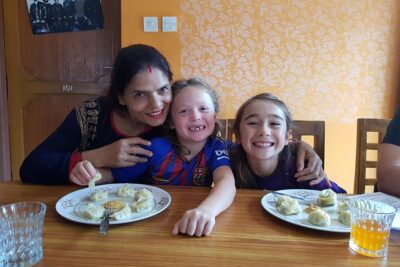
By the end, you’ll sit with the other people in the class for the meal. One of the nicest effects of this setup is the shared experience: strangers become conversation partners fast when everyone’s eating the same pasta they helped make. It turns into that friendly, communal rhythm you only get when the food comes from the same team effort.
What happens before you eat: the 2.5-hour flow
The total time is listed as 2.5 hours, so you should expect a focused, hands-on schedule rather than a long day. You’ll likely spend the majority of the time working in the kitchen, then transition to the meal once everything is ready.
Because exact timing isn’t specified beyond duration, I recommend planning your day with breathing room around the start time. You’ll want a clear window before and after, since cooking classes can run at their own rhythm once dough and sauce start behaving like dough and sauce.
Lunch or dinner included: wine, coffee, and a sweet surprise
Here’s where the value really shows. The price is $96.29 per person, and you’re not just paying for a class. You get a full meal at the end: wine, water, coffee, and a sweet surprise, served as lunch or dinner.
Even if you normally pay separately for dinner, this format gives you a built-in payoff for the work you do. You also don’t have to hunt for a restaurant afterward. You leave with the full arc: cook, sit, taste, and relax.
Wine is included, which is a nice touch for an Emilia-Romagna night. Still, keep in mind the class is about cooking. Wear comfortable clothes and shoes, and go in ready to stand, work, and move a bit. This isn’t a sit-and-watch activity.
Price and value: $96.29 is easier to justify than it looks
Let’s talk value plainly. A handmade pasta lesson costs money on its own. Add in ingredients, instructor time, and then add a plated meal with wine, coffee, and a sweet, and suddenly the total becomes easier to understand.
For you, the real question is whether you want a meal that’s part of the experience versus a class that leaves you hungry. This one feeds you. It’s also designed around the two signature targets—pasta and Bologna ragu—so you get both major skills in one ticket.
If you’re the type who wants to cook rather than just sample, it’s good value. If you only want a quick taste or you prefer learning through observation, it may feel like more work than you need.
What to wear and bring (so you’re comfortable, not distracted)
You don’t need special gear, but you do need comfort. The workshop asks you to bring comfortable shoes and comfortable clothes.
Also note the rules: no bare feet, and smoking and vaping aren’t allowed (including indoors). These rules are practical because you’ll be in a real home-like environment and in active food prep space.
If you’re sensitive to kitchen mess, wear something you don’t mind getting a little flour on. Pasta dough has a way of getting involved.
Who this workshop is best for
This experience fits best if you:
- Want to learn handmade pasta and make Bolognese ragu the old way
- Enjoy cooking in a home-style setting with a friendly group meal at the end
- Like food lessons that include explanation, not just step-by-step motions
- Prefer lessons where English and Italian instruction are available
It’s not a match if you:
- Need the meal to be vegan (it’s listed as not suitable for vegans)
- Are dealing with a cold or illness, since it’s listed as not suitable for people with a cold
- Are traveling with very young children (it’s not suitable for children under several minimum ages, including under 2 through under 6 categories listed)
Getting there: meeting point on Via Lincoln
The meeting point is Number 60 of Via Lincoln, in front of a playground, near the block with 56 and 58. After the activity, it ends back at the same meeting point.
If you’re arriving by foot from central spots, give yourself extra time for finding the exact number. Via Lincoln is straightforward once you’re in the right stretch, but you’ll save stress by arriving a touch early and doing a quick check of the playground reference.
Practical expectations: languages, movement, and food needs
Instruction is in English and Italian, and the hosts can guide you through the steps in a way that works for mixed-language groups.
The workshop is listed as wheelchair accessible, which is a helpful detail if mobility is a concern. You’ll still want to wear comfortable shoes and be ready for some kitchen work, but the setup is meant to accommodate guests.
One more practical note: ingredients might change based on your personal request. If you have a preference or a specific ingredient concern, you’ll want to communicate it in advance so the class can adjust appropriately.
Should you book this cooking workshop?
Book it if you want a real Bologna-style food experience with hands-on teaching and a full meal included. The standout value is the pairing: you learn pasta plus ragu, then you eat what you made with wine, coffee, and dessert. That’s a satisfying end-to-end experience, not a ticket to a quick tasting.
Skip it if vegan food is required for you, or if you’d rather watch than cook. Also skip it if you’re currently sick, since it’s listed as not suitable for people with a cold.
If your goal is to leave Bologna/Emilia-Romagna with actual kitchen confidence—plus that warm nonna-at-home feeling—this is the kind of class that delivers.
FAQ
What will I make in the class?
You’ll prepare typical pasta dishes such as tortelloni, farfalle, and tagliatelle, plus the real Bolognese ragu.
How long is the workshop?
The duration is 2.5 hours.
What is included in the price?
The experience includes the cooking lesson and a lunch or dinner, plus wine, water, coffee, and a sweet surprise.
What languages are the instructors?
The instructor speaks English and Italian.
Is the class suitable for vegans?
No. It’s listed as not suitable for vegans.
What should I wear or bring?
Bring comfortable shoes and comfortable clothes.
Are there any rules I should know before going?
Smoking and vaping are not allowed, including indoors. Bare feet are not allowed.
Where do I meet and where does it end?
Meet at Number 60 of Via Lincoln (in front of a playground near 56 and 58). The activity ends back at the same meeting point.