REVIEW · LISBON
Lisbon Cooking Class with Market Experience
Book on Viator →Operated by The Chefs Company · Bookable on Viator
A trip to Algés can turn lunch into a lesson. This market-to-kitchen experience pairs a local seafood shopping stop with a hands-on Portuguese cooking class, all in about three hours. You’ll taste the ideas behind Portuguese comfort food and learn techniques you can actually reuse at home.
Two things I really like: first, the small-group setup (up to 10 people) means your instructor can help you as you chop, mix, and season. Second, you start at the Mercado de Algés, so the ingredients feel chosen on purpose, not just handed to you. One consideration: it’s an exclusive fish and seafood class, and the menu is not recommended for vegans and people with food allergies, though vegetarians can be accommodated with advance notice.
In This Review
- Key Highlights You’ll Notice Right Away
- Why Algés Makes This Cooking Class Feel Local
- Mercado de Algés: The Shopping Stop That Changes How You Cook
- From Market to Kitchen: Turning Ingredients Into Skills
- Cooking the Portuguese Way: Starter, Main, and Dessert
- Starter: Learning the Flavor Foundation
- Main Course: The Technique Test
- Dessert: Ending With a Portuguese Note
- Small-Group Attention You Can Actually Use
- Lunch With Meaning: What You’re Eating and Why It Matters
- How Long It Takes and What That Means for Your Schedule
- Price and Value: Is $108.26 Worth It?
- Getting There and Making It Smooth (Without Stress)
- Who Should Book This Lisbon Seafood Cooking Class
- Should You Book This Lisbon Market and Fish Cooking Class?
- FAQ
- What is the duration of the Lisbon Cooking Class with Market Experience?
- Where does the tour start?
- What time does the experience begin?
- Is lunch included?
- What language is the class offered in?
- How big is the group?
- Are vegetarians accommodated?
- Is this class suitable for vegans or people with food allergies?
- Is the experience affected by weather?
Key Highlights You’ll Notice Right Away
- Algés market visit before you cook, so flavors start with real local sourcing
- Fish and seafood focus with a full meal of starter, main course, and dessert
- Up to 10 people, built for hands-on attention instead of a crowded demo
- Portuguese cooking techniques taught with the how and why, not just steps
- Kind, patient instruction helps when the experience feels a little intense
Why Algés Makes This Cooking Class Feel Local
Lisbon’s best food days don’t start in a restaurant. They start in a market—smelling what’s fresh and seeing how people actually buy for the week. This class begins at Mercado de Algés, which sits in the Algés neighborhood (a short ride from central Lisbon, about 15 minutes). That trip matters because it changes the mood: you’re not just doing an activity, you’re watching everyday Portuguese food culture in action.
I like that the market time is built into the experience rather than being a quick photo stop. You’ll explore seasonal products, notice how fish looks when it’s properly handled, and get a feel for the ingredients that Portuguese cooks rely on. And because this is a fish-and-seafood class, you’ll pay attention to seafood in a way you might not on a typical sightseeing day.
If you’re the type who enjoys learning while doing—tasting, asking questions, and getting your hands into it—this format clicks fast.
You can also read our reviews of more tours and experiences in Lisbon.


Mercado de Algés: The Shopping Stop That Changes How You Cook
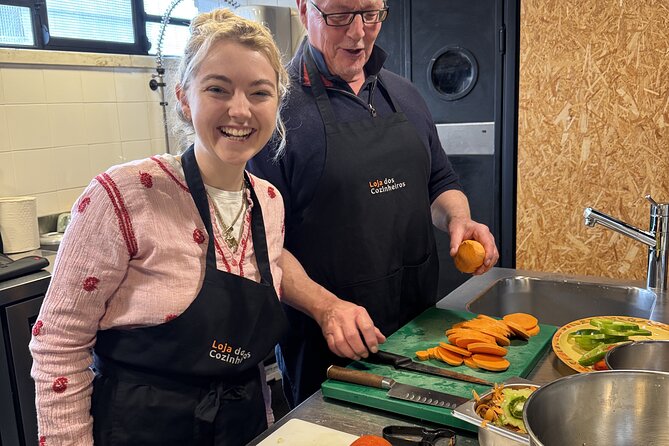
The morning starts with a visit to the local market in Algés. You’ll walk the stalls with your instructor, looking for ingredients that fit the menu for the day. Expect an emphasis on seasonal produce and seafood—things you can recognize later in the kitchen when your chopping board hits the counter.
Here’s the practical value: you’ll understand why a dish tastes the way it does. Portuguese seafood often depends on simple ingredients used skillfully. When you choose the fish and vegetables yourself (even with guidance), the flavors make more sense when you recreate them later.
A small but useful detail: this meeting point is specific—R. Dr. Manuel de Arriaga, 1495-037 Algés—so you can plan your route without guessing. And since it’s near public transportation, you’re not stuck trying to solve parking logistics.
One more point I appreciate: the class is designed as a single package. You don’t just watch the market; you carry what you learn into cooking.
From Market to Kitchen: Turning Ingredients Into Skills
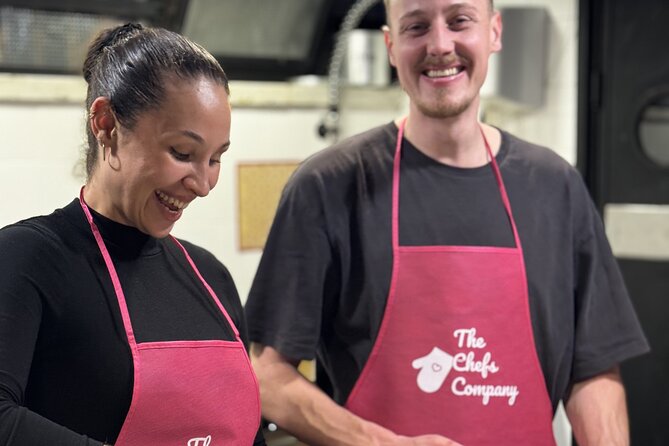
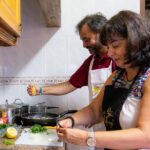
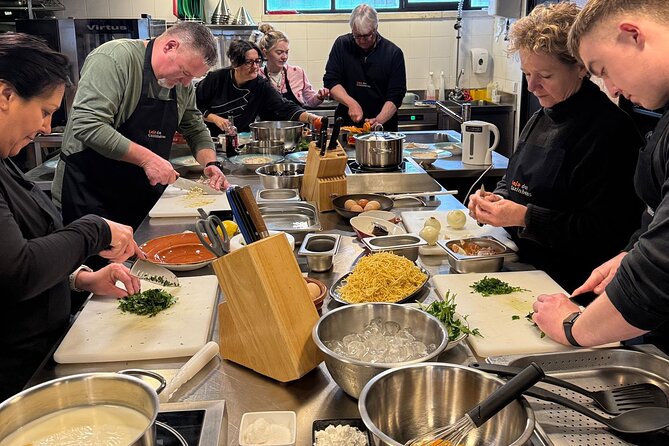
After the market, you’ll head back to the kitchen where the real work begins. This is where the experience shifts from shopping to technique. You’ll gather, then get started on the cooking portion with your instructor guiding the process as you prepare the meal.
This part matters for two reasons. First, you learn the practical method behind Portuguese cooking—how to season, how to balance flavors, and how to handle seafood in a way that keeps it from tasting bland or overcooked. Second, you get a sense of pacing. The class is about building confidence, not just finishing a plate.
It’s also a good time to ask questions, and the small group size helps a lot. With only up to 10 travelers, there’s room for real back-and-forth. In particular, the instruction is described as patient and kind—helpful if you’re dealing with travel fatigue.
Cooking the Portuguese Way: Starter, Main, and Dessert
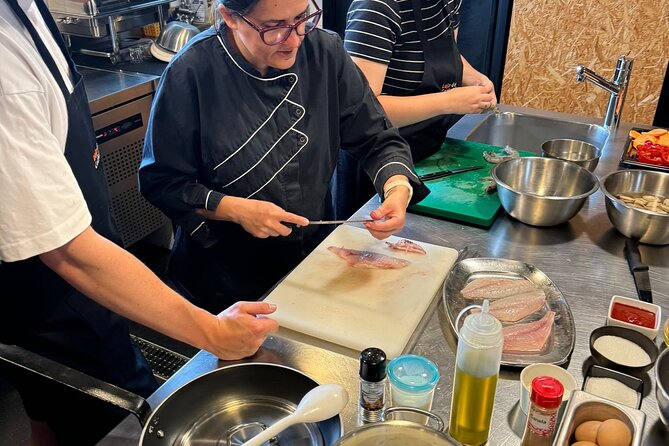
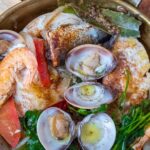
This is an exclusive fish and seafood class, and you’ll prepare a starter, main course, and dessert. That structure is more than a “nice bonus.” It’s one of the best ways to learn in a limited time, because you’ll practice different skills across the meal.
Starter: Learning the Flavor Foundation
Your starter sets the flavor direction. In seafood cooking, the starter often teaches the balance: seasoning, freshness, and how to bring out flavor without covering it up. This is where you’ll likely focus on prep—chopping, mixing, and portioning—while the instructor explains what matters most.





Main Course: The Technique Test
The main is where seafood skills show. You’ll be working with the core ingredient set and learning how to cook so the texture stays right. Even when you’ve cooked at home before, a guided class helps because you learn technique cues you might not know to look for—things like timing, heat control, or how to combine elements so the dish feels cohesive.
Dessert: Ending With a Portuguese Note
Many cooking classes skip dessert or treat it like an afterthought. Here, dessert is part of the included menu, so you finish with a complete Portuguese meal arc. That’s a big deal if you want more than one successful dish.
When the meal is ready, you’ll sit down together and eat what you made. This is one of the best ways to lock in learning—because once you taste your own work, you can connect the steps you took with the results on the plate.
Small-Group Attention You Can Actually Use
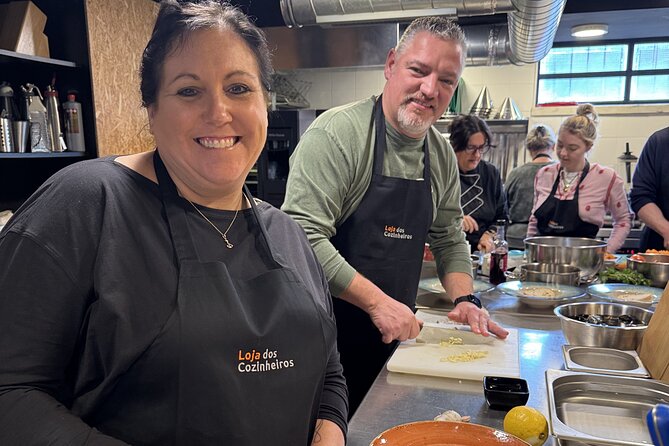
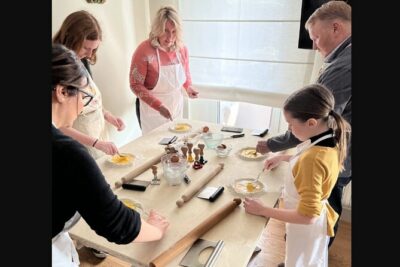
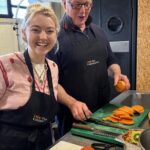
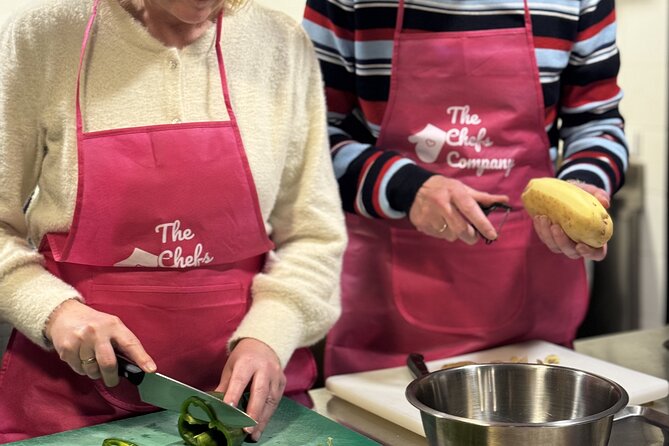
With a maximum of 10 travelers, the class avoids the classic problem of big-group cooking tours: you end up watching more than doing. Here, you’re in the mix. That means you get to practice, and you get feedback.
The reviews you’ll find online underline something I value too: the instructors are described as kind and patient, including when someone isn’t feeling their best. That makes this class feel safer for beginners or people who aren’t fully on their feet after a long travel day.
If you want a cooking class that feels personal, not performative, this one fits.
Lunch With Meaning: What You’re Eating and Why It Matters
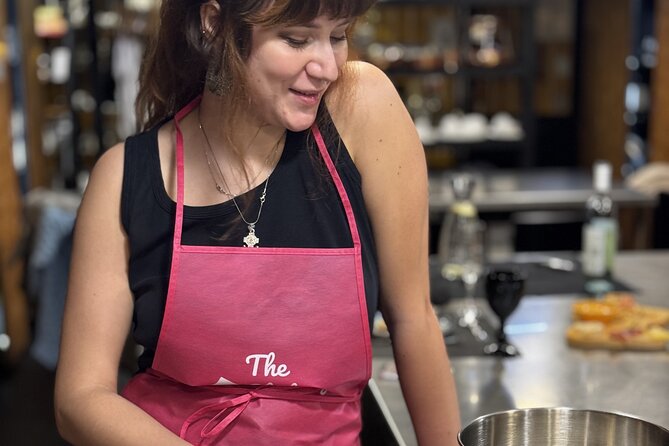
This experience includes lunch, and it’s lunch you make with guidance. That turns your meal into more than fuel—it becomes a takeaway you can talk about.
One of the biggest benefits of learning with Portuguese seafood is that the cuisine often relies on freshness and smart seasoning rather than complicated techniques. When you shop first, then cook with that specific selection of ingredients, you’ll taste the logic of the meal: land-and-sea pairing ideas, seasonal choices, and the way Portuguese cooks aim for comfort without boredom.
And because you’re eating right after cooking, you’re not just tasting food—you’re testing what you learned. If something doesn’t come out the way you expected, your instructor can usually explain what to adjust next time.
How Long It Takes and What That Means for Your Schedule
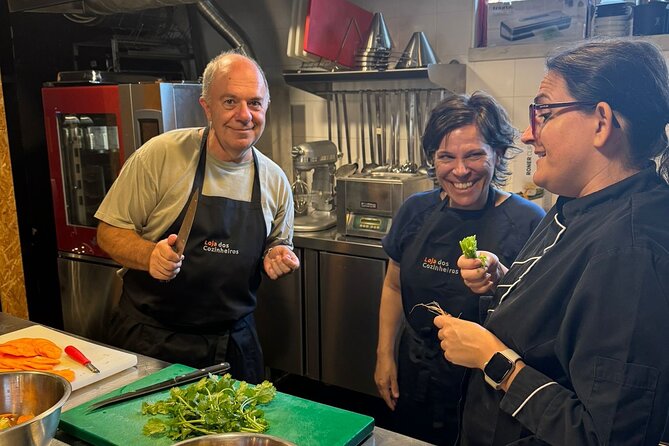
The class runs for about 3 hours, starting at 10:00 am. That timing works well for a Lisbon day because you’re not losing your entire afternoon. After lunch, you’re free to explore more of the city without feeling like you spent your whole trip in a kitchen.
Since the experience ends back at the meeting point, you don’t have to solve a complicated return plan.
If you’re building your itinerary: plan it as a mid-morning anchor. Then you can pair it with a relaxed afternoon—museum time, waterfront walks, or even another food stop nearby (just don’t schedule a heavy dinner too soon).
Price and Value: Is $108.26 Worth It?
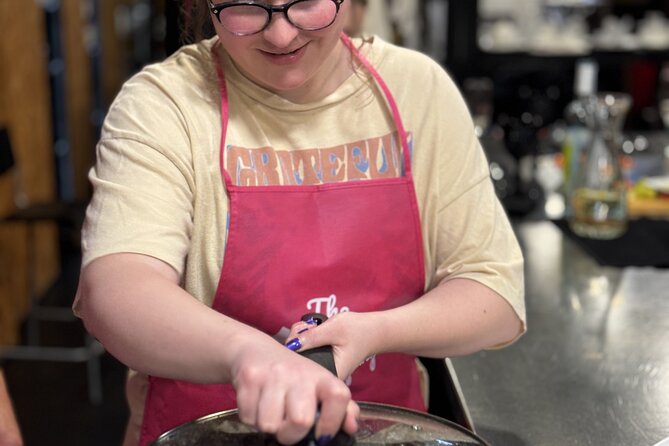
At $108.26 per person, this isn’t the cheapest option in Lisbon. But it isn’t overpriced for what you get, either.
Here’s the value equation that matters:
- You’re paying for a market visit plus a full cooking session
- The class includes a complete starter, main, and dessert
- You get instructor attention in a small group (max 10)
- You’re learning techniques tied to the specific seafood-and-produce menu
If you’ve ever taken a cooking class where you make one dish and leave hungry, this is the opposite. You leave with a full meal and skills that transfer. For many visitors, that combination—market context + hands-on instruction + sit-down lunch—is exactly what makes the price feel fair.
If you’re traveling on a tight budget, you might compare it to lower-cost cooking demos. But if your goal is learning and eating well in one go, the included meal and market sourcing make the spend easier to justify.
Getting There and Making It Smooth (Without Stress)
Algés is close enough to Lisbon to be practical, but far enough that you should plan your travel time. Expect about a 15-minute ride from downtown Lisbon. Build in a few extra minutes just in case trains/buses are running on a slower rhythm than you expect.
Wear comfortable shoes. Markets involve walking, and kitchens involve standing. If you tend to get cold indoors, bring a light layer—kitchens can feel cooler than you expect.
Also, the experience requires good weather. If weather is poor and the activity is canceled, you’ll be offered a different date or a full refund, so you’re not stuck.
Who Should Book This Lisbon Seafood Cooking Class
This tour is a strong fit if you:
- Want a hands-on class, not just a lecture
- Enjoy seafood and want technique guidance
- Like learning by doing—shopping first, then cooking, then eating
- Prefer a small group experience with room for questions
It’s less ideal if you:
- Need a vegan menu (the menu is not recommended for vegans)
- Have food allergies (also not recommended for people with allergies)
- Are traveling with dietary restrictions and haven’t given advance notice—if you have dietary needs, communicate them at least 72 hours before the class
Children start at age 8, so families who want a food-focused outing (and can manage kitchen time) may find it workable.
Should You Book This Lisbon Market and Fish Cooking Class?
I’d book this if you want Lisbon food to feel grounded and practical. The combo of Mercado de Algés shopping and a guided fish-and-seafood cook-along is exactly the kind of experience that makes you feel smarter when you leave—not just full.
Skip it if seafood isn’t your thing, or if you’re vegan or need an allergy-safe setup. For everyone else, it’s a great value way to get a full meal you cooked yourself, with technique lessons that stick.
If you’re deciding between “see Lisbon” and “learn Portuguese cooking,” this leans toward learning—and that’s a win for most first-time visitors who want something more personal than another guided walk.
FAQ
What is the duration of the Lisbon Cooking Class with Market Experience?
It lasts about 3 hours.
Where does the tour start?
It starts at Mercado de Algés, R. Dr. Manuel de Arriaga, 1495-037 Algés, Portugal.
What time does the experience begin?
The start time is 10:00 am.
Is lunch included?
Yes. Lunch is included, and the class includes a meal you prepare: starter, main course, and dessert.
What language is the class offered in?
The experience is offered in English.
How big is the group?
The tour has a maximum of 10 travelers.
Are vegetarians accommodated?
Yes. The menu is adaptable to vegetarians, but you must communicate dietary restrictions at least 72 hours in advance.
Is this class suitable for vegans or people with food allergies?
It’s not recommended for vegans and people with food allergies.
Is the experience affected by weather?
Yes. The experience requires good weather. If it’s canceled due to poor weather, you’ll be offered a different date or a full refund.