REVIEW · PARIS
Paris Cooking Class: French Desserts Class
Book on GetYourGuide →Operated by Le Foodist · Bookable on GetYourGuide
Chocolate soufflé has a mind of its own. This French desserts cooking class at Le Foodist is focused, practical, and built around learning the techniques behind big-name pastries like soufflé and brûlée.
I especially like the small group format (just 8 people), which means you actually get attention while you work, not just a long demo. And it’s in a super walkable spot near the 5th arrondissement sights, so it feels like a real Paris moment, not a sealed-off activity.
One possible drawback: the class is only 3 hours and it concentrates on three desserts. If your goal is to learn every French sweet on the planet, you’ll need a follow-up class.
In This Review
- Key Takeaways Before You Go
- Le Foodist on Rue Cardinal Lemoine: Easy to Find, Easy to Start
- Why This Class Chooses Soufflé, Brûlée, and Suzette
- Chocolate Soufflé: Learning Control, Not Luck
- Crème Brûlée: Smooth Custard and a Crisp Finish
- Crêpes Suzette: A Classic You Can Actually Recreate
- Dining Room Taste Test: Coffee, Tea, and White Wine
- Small Group Energy, Like Florence’s Style
- Price and Value: Is $152 Worth It?
- What the 3-Hour Session Feels Like (Without the Guesswork)
- Who This Paris Dessert Class Suits Best
- Should You Book the French Desserts Class at Le Foodist?
- FAQ
- What desserts will I make in the Paris French Desserts class?
- How long is the class?
- Is the class hands-on or mostly a demo?
- What language is the instruction?
- What group size should I expect?
- Where do I meet the class?
- What’s included to eat and drink?
- What are the booking and cancellation options?
Key Takeaways Before You Go
- Three core desserts: chocolate soufflé, crème brûlée, and crêpes Suzette
- Technique-first tips so you can recreate results at home
- Small group coaching limited to 8 participants
- You eat what you make, plus coffee, tea, and white wine
- English instruction with an instructor focused on hands-on learning
Le Foodist on Rue Cardinal Lemoine: Easy to Find, Easy to Start
The meeting point is Le Foodist, 59 Rue Cardinal Lemoine in Paris’ 5th arrondissement. It’s about a 7-minute walk from Notre-Dame, around 3 minutes from the Panthéon, and roughly 30 seconds from the Cardinal Lemoine Metro station. Number 59 is on the right-hand side, so don’t overthink it—just keep your eyes on the street.
I like locations like this for two reasons. First, you can plan your day without wasting time in transit. Second, the 5th is one of those neighborhoods where you can turn a cooking class into a mini walking day before and after—cobblestones, classic streets, and lots of places to grab a drink nearby once you’re done.
If you’re thinking about timing, try to avoid stacking too many big sights right before class. The point here is calm focus while you cook.
You can also read our reviews of more tours and experiences in Paris.


Why This Class Chooses Soufflé, Brûlée, and Suzette
This isn’t a giant sampler of every French pastry. Instead, it zeroes in on desserts that teach key skills you can reuse across French baking.
You’ll make:
- Chocolate soufflé
- Crème brûlée
- Crêpes Suzette
These three desserts hit different technical challenges. Soufflé is all about structure and timing. Crème brûlée trains precision with custard texture and the topping finish. Crêpes Suzette adds batter handling and sauce timing into the mix.
That mix matters for your value. You’re not just collecting recipes—you’re learning how pastry chefs think, and what they watch for while something cooks. The class also frames the dishes not as trivia, but as crafts with small choices that change the outcome.
Chocolate Soufflé: Learning Control, Not Luck
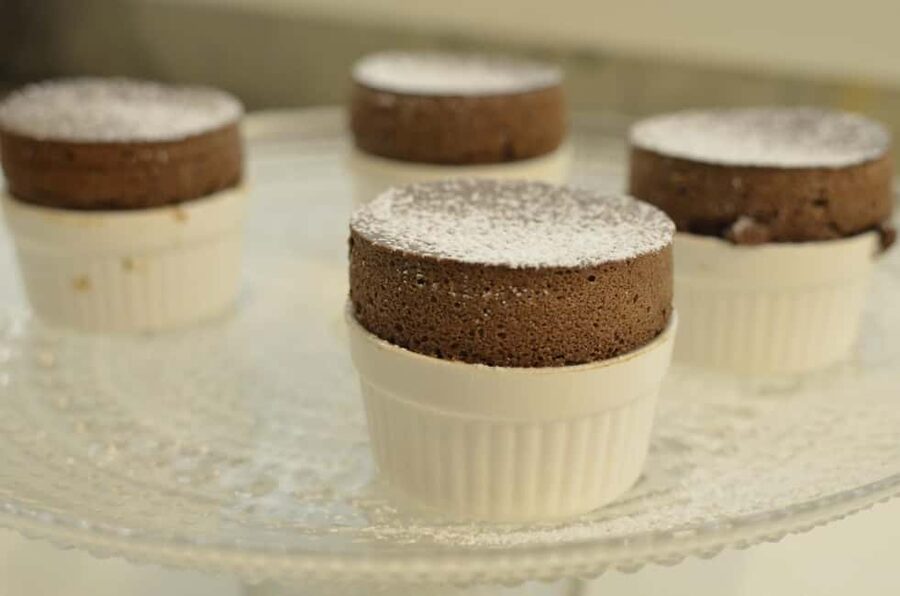
Chocolate soufflé is the dessert people order with confidence and then get nervous about at home. The good news: the class approach is about master pastry techniques and explaining the practical tips and tricks that help you succeed.
In your hands-on session, you can expect guidance on the steps and timing that make a soufflé set properly and rise the way it should. You’re working directly with the components, not just watching from the sidelines. That’s the difference between reading a recipe and actually understanding what the batter and bake process are doing.
I think the real win with soufflé training is mindset. Soufflé teaches you to respect timing and heat, because the dish can change quickly. Even if you never become a soufflé person, the discipline you pick up transfers to other desserts.
Practical note for your own expectations: soufflé is not a “make it and walk away forever” dessert. You’ll be paying attention, and that’s part of why the class is worth it.
Crème Brûlée: Smooth Custard and a Crisp Finish
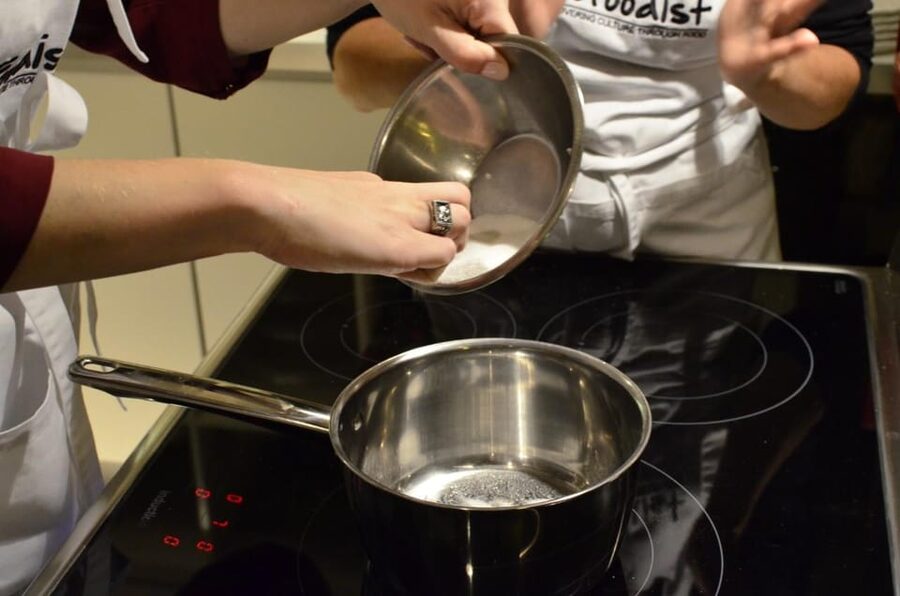
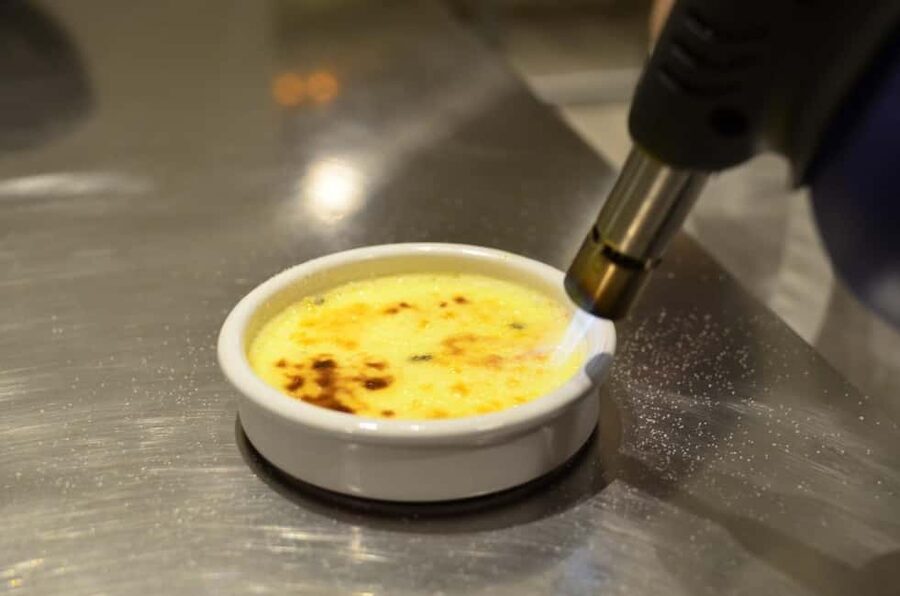
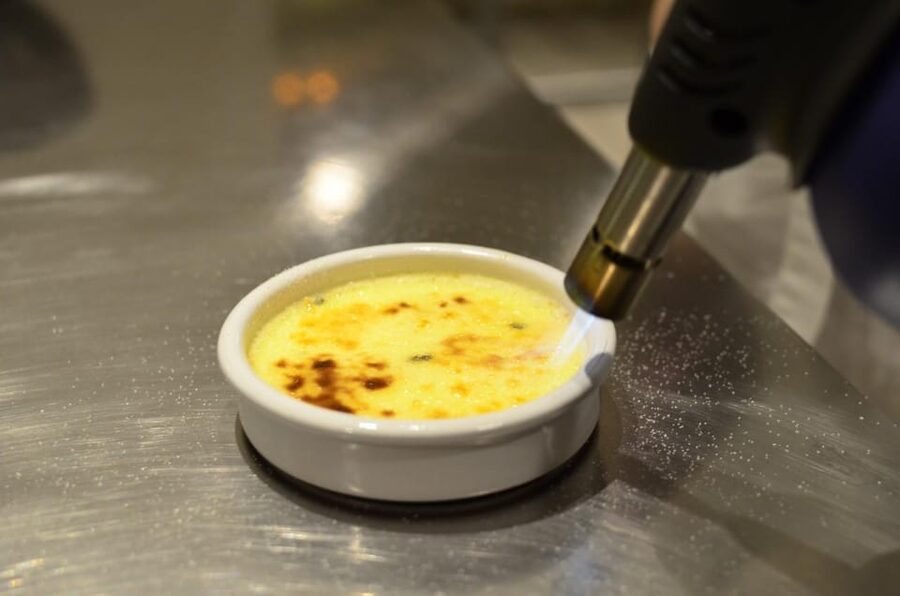
Crème brûlée is famous for its contrast: creamy custard under a crisp caramel top. This class includes hands-on instruction as you work with the brûlée, plus tips so you can recreate the results later.
Here’s why this part feels valuable. Many people can follow a recipe but still struggle with texture. The chef’s job is to help you recognize what the custard should look and feel like as it sets. Then you get the topping finish right, so you end up with that satisfying crack when you tap the top.
You’re also learning how to enjoy the pastry arts in a more chef-like way. That means understanding the dessert as a system—heat, time, and how you handle the finishing step.
If you’re a beginner, crème brûlée tends to be approachable compared to more fragile pastries, and you’ll still come away with technique you can practice confidently.
Crêpes Suzette: A Classic You Can Actually Recreate
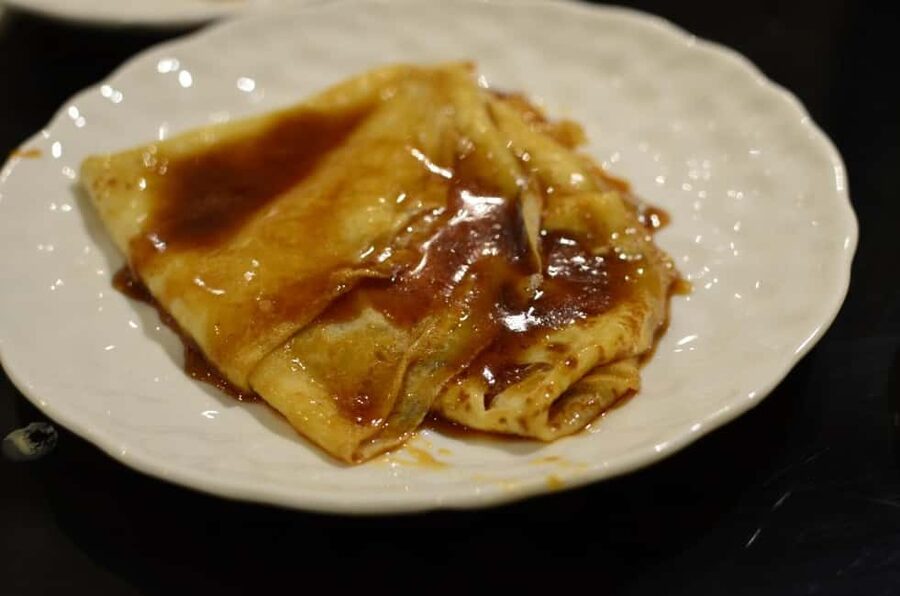
Crepes Suzette is the crowd-pleaser that also teaches real cooking logic. Crepes require the right batter consistency and a steady hand for cooking. Suzette’s finishing stage adds flavor and timing so the whole dish tastes like something you’d expect in a Paris café.
In this class, you’re not just tasting crepes—you’re making them, which means you learn how thin and flexible crepes become when handled properly. You also get chef guidance on the flow of the process, so you’re not scrambling at the last minute.
I like that this dessert feels both elegant and practical. It’s the kind of dish that can become a “weekend project” back home because the skills aren’t too mysterious once you’ve worked through them once.
And yes, there’s a French-café vibe to this one. The dessert is built for a moment at the table, not just a quick snack.






Dining Room Taste Test: Coffee, Tea, and White Wine
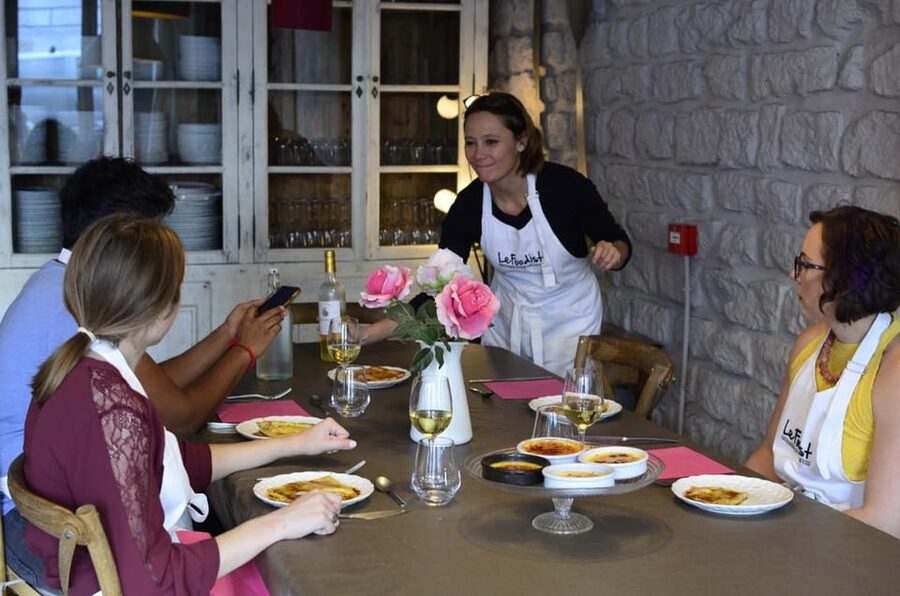
Here’s one of the simplest reasons people love these classes: you get to eat what you make in the lovely dining room. That matters, because baking can be hard to judge while it’s happening. Once you take a bite, you immediately learn what worked and why.
Your meal includes:
- Coffee
- Tea
- White wine
That’s a nice touch because it turns your effort into an experience, not just a kitchen lesson. It also helps you slow down and appreciate the differences between the desserts. You’ll taste chocolate soufflé, crème brûlée, and crêpes Suzette side by side, so your palate becomes part of the learning.
A small consideration: you’ll be tasting multiple desserts in one sitting. Plan for it. If you’re the type who always brings room for dessert, you’ll feel right at home.
Small Group Energy, Like Florence’s Style
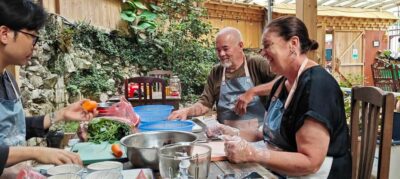
The class is limited to 8 participants, and that size changes everything. You’re more likely to get help when your batter acts weird, when timing slips, or when you want to confirm that your texture is on track.
The English-speaking instruction is also a big deal. You’re learning techniques, not just translations of recipe steps. The class is taught by a pastry chef, and at least some sessions run with an instructor named Florence, known for strong energy, organization, and keeping everyone on task in a fun, relaxed way.
That combination is what you want in a cooking class. You need clarity, rhythm, and encouragement—especially when you’re working with heat and timing.
If you’re traveling solo, this format is especially friendly. You’ll be busy enough to feel engaged, but not locked into a loud, chaotic group.
Price and Value: Is $152 Worth It?
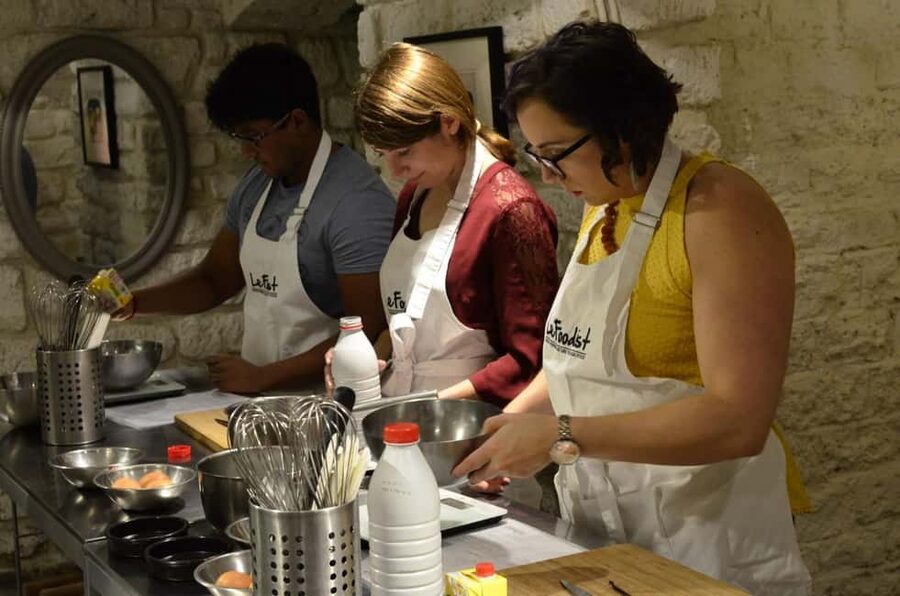
At $152 per person for a 3-hour class, you’re paying for more than ingredients. You’re paying for:
- hands-on coaching
- small-group attention
- instruction in three classic French desserts
- tasting in a sit-down dining room
- coffee, tea, and white wine included
- an English-speaking instructor
From a value perspective, this makes sense if you’re trying to come home with something usable. The class isn’t only about eating dessert in Paris. It’s also about learning tips and tricks so you can recreate the recipes at home.
If you just want a sweet course, you could buy desserts elsewhere. But if you want skills, you’re getting a compact education in technique and timing, plus the confidence that comes from eating your own results.
Also, the rating is strong: 4.9 from 13 reviews. That doesn’t guarantee your experience will be identical, but it does suggest consistent quality—especially around organization and enjoyment.
What the 3-Hour Session Feels Like (Without the Guesswork)
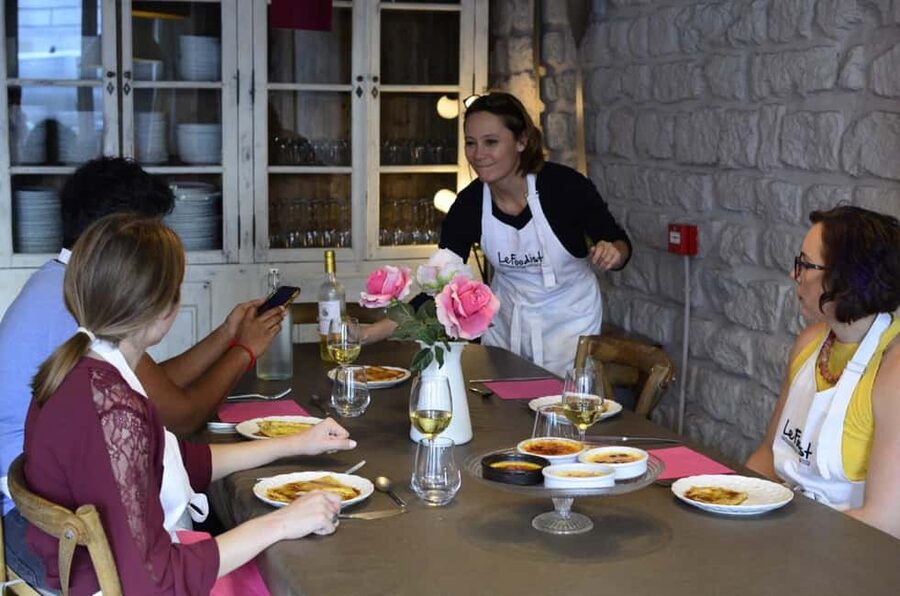
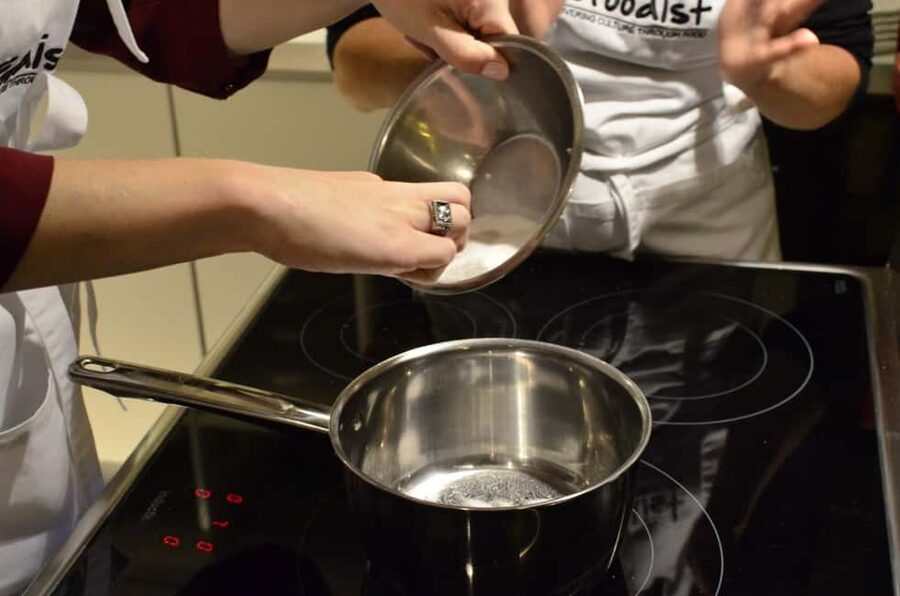
The class is 3 hours, so you’ll likely feel a steady pace rather than a slow, drawn-out format. You’ll spend your time mixing, cooking, and learning how the chef wants you to handle each dessert.
A practical way to think about the flow:
- You’ll start with instruction and technique so you’re not guessing.
- Then you’ll make the three desserts with hands-on guidance.
- Finally, you’ll sit down and enjoy what you made, with coffee, tea, and white wine.
Because the class covers three desserts, you’ll also get a sense of how pastry chefs think about sequencing—what can happen while something bakes, what needs attention right away, and what to watch for as textures change.
If you’re an advanced home baker, you might feel the class is a focused taste of technique rather than a professional-level master course. If you’re a first-timer, it’s a great entry point because the desserts are iconic and the learning is practical.
Who This Paris Dessert Class Suits Best
This works especially well if you:
- love classic French desserts (soufflé, brûlée, crêpes)
- want hands-on cooking, not just a lecture
- care about learning recipes you can realistically recreate at home
- prefer an English instructor and a small group
It may not be your best match if:
- you want training in a wider list of pastries (macarons, tart tatin, chocolate mousse, and so on)
- you’re looking for a more open-ended, choose-your-own-adventure cooking experience
- you prefer the kind of class where you only focus on one dish from start to finish
Should You Book the French Desserts Class at Le Foodist?
I’d book it if your ideal Paris souvenir is something you can cook later, with technique you understand—not just a photo and a sugar rush.
The strengths are clear: a small group, English instruction, hands-on instruction, and a focused set of desserts that teach real pastry skills. Add the fact that you get to eat your creations in the dining room with coffee, tea, and white wine, and it turns into a satisfying evening that feels like Paris, not a stop on a checklist.
If you’re unsure, choose this class when you want a compact, skill-building experience. Skip it if you’re chasing variety over depth.
FAQ
What desserts will I make in the Paris French Desserts class?
You’ll focus on Chocolate Souffle, Creme Brulee, and Crepes Suzette.
How long is the class?
The class lasts 3 hours.
Is the class hands-on or mostly a demo?
It’s hands-on instruction. You’ll make the desserts as part of the class.
What language is the instruction?
The instructor teaches in English.
What group size should I expect?
The class is a small group limited to 8 participants.
Where do I meet the class?
You meet at Le Foodist, 59 Rue Cardinal Lemoine, 5th arrondissement. It’s about 30 seconds from Cardinal Lemoine Metro Station. The address number 59 is on the right-hand side.
What’s included to eat and drink?
You’ll enjoy the desserts you make with coffee, tea, and white wine.
What are the booking and cancellation options?
You can reserve now & pay later, and you can cancel up to 24 hours in advance for a full refund.