REVIEW · TRIKUNAMALAYA
Nilaveli: Sri Lankan Cooking Class with a Local Family
Book on GetYourGuide →Operated by PIGEON ISLAND TOURS PVT LTD · Bookable on GetYourGuide
Cooking Sri Lanka starts at a family stove. In Nilaveli, this 5-hour class is a hands-on way to learn Sri Lankan cooking in a home kitchen with wood fire and real family routines. I especially liked learning how to make string hoppers and curry from scratch, and eating the finished meal right there. One thing to consider: if you want chicken, fish, or seafood dishes, there are extra per-person costs.
You’ll meet your host, Nimali Dinushika, and her family, get oriented to the ingredients and spices they use, and then cook multiple dishes as a group. The experience is conducted in English (with Singhalese also used), and it’s built for comfort: you wear casual clothes, bring sunscreen and a hat, and focus on the cooking.
In This Review
- Key highlights you’ll care about
- Meet Nimali Dinushika and her family kitchen in Nilaveli
- What you cook in 5 hours: curry, hoppers, pittu, roti, and sweets
- Rice and curry basics you’ll take home
- String hoppers and hoppers: the noodle-meets-pancake skill
- Pittu and roti: different textures, same spice DNA
- Milk rice and the sweetness lesson (including halapa)
- Curry powder: the behind-the-scenes skill
- Wood fire and wood stoves: why the method matters
- The meal is the point, not the reward
- Price and value: $22 plus possible extras for chicken, fish, and seafood
- Language, comfort, and restrictions you should plan around
- Practical tips so you get the most out of the class
- Is this Nilaveli cooking class worth booking?
- FAQ
- FAQ
- How long is the Nilaveli Sri Lankan cooking class?
- How much does the class cost?
- Where do I meet for the activity?
- What dishes will I be able to learn and cook?
- Can I choose vegetarian options?
- Is there an extra charge for chicken, fish, or seafood?
- Does the price include ingredients and recipes?
- Is hotel pickup or drop-off included?
- What should I bring, and what is not allowed?
Key highlights you’ll care about
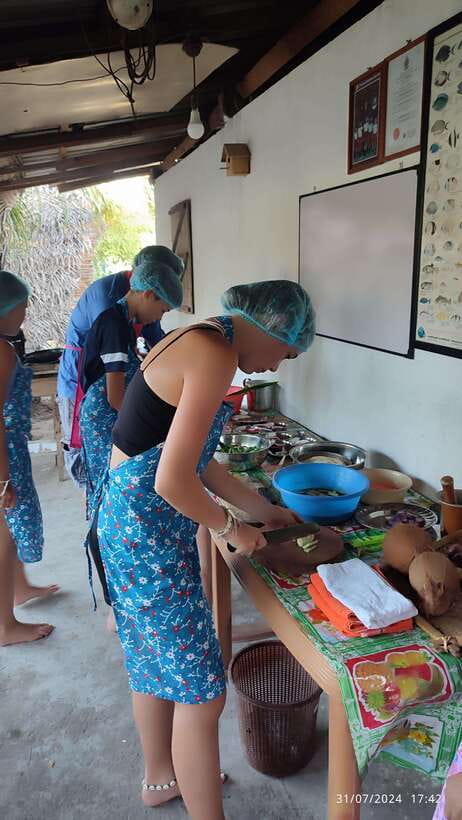
- Cook on wood stoves using firewood and traditional methods, not just a demo kitchen
- Learn core dishes and staples like rice and curry, string hoppers, hoppers, pittu, roti, and milk rice
- Hands-on guidance from Nimali Dinushika and her family in a real home setting
- Make sweets and curry powder, not just savory food
- Customize your menu when you arrive, with vegetarian options and optional meat/seafood extras
Meet Nimali Dinushika and her family kitchen in Nilaveli
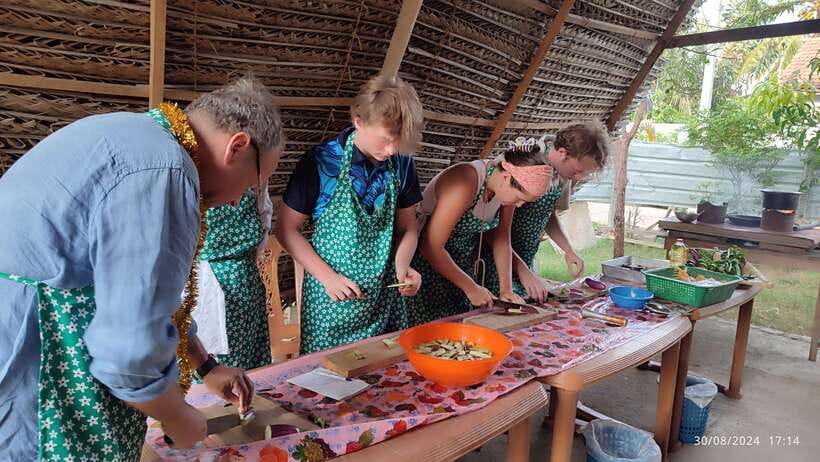
Nilaveli is a calmer side of Sri Lanka’s east coast, and this cooking class fits the pace. The meeting point lines up with Pigeon Island Tours near The Rice and Curry seafood and The Dive shop, so it’s easy to find if you’re already thinking about Pigeon Island area plans.
When you arrive, you’re not walking into a “show” kitchen. You’re stepping into a family home setting, where the food is part of daily life. Nimali Dinushika welcomes you, then shares how her household eats and cooks—what they buy, what spices they reach for, and why they treat different dishes differently. Even if your cooking skills are basic, you’ll get clear direction and a rhythm you can follow.
What you cook in 5 hours: curry, hoppers, pittu, roti, and sweets
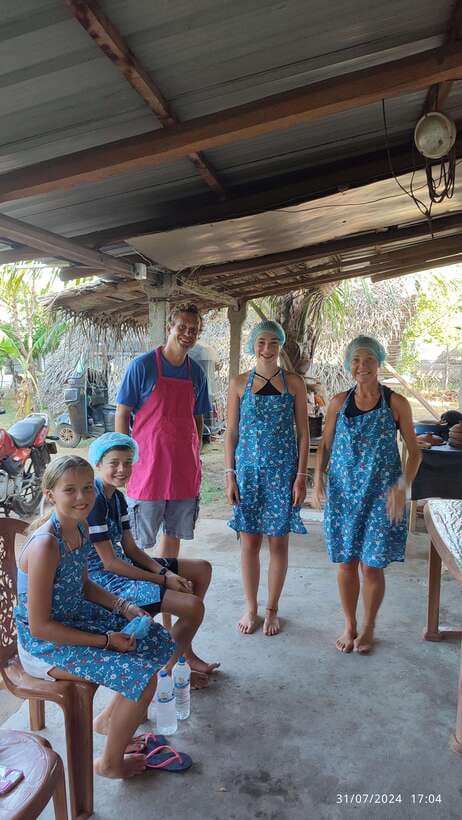
This class runs about 5 hours, with enough time to actually make things (not just watch). You’ll prepare a mix of rice-based Sri Lankan staples, hopper-style items, and a couple of sweet components.
Here’s what you can expect to cook and learn:
Rice and curry basics you’ll take home
Sri Lankan rice and curry is the backbone here, and it’s a smart place to start because so many other dishes connect back to it. You’ll learn how to put together a curry-style plate: building flavors, working with ingredients and spice mixes, and understanding how the curry is meant to be eaten with rice.
In the planning stage, you also have options. If you want chicken curry or fish curry, you can request it, but you’ll pay an extra 2000 LKR per person. Seafood dishes also cost extra depending on what you request. If you’re aiming for the best value, consider making your menu vegetarian (or stick to the included curries).
String hoppers and hoppers: the noodle-meets-pancake skill
String hoppers are one of those foods that looks simple until you try it. Here, you get hands-on time to make them, along with hoppers. These are great learning targets because they teach you technique: texture matters, and steam is doing most of the work.
The nice part is that you’re not trying to learn from a blurry recipe. You’re in the family setup, so you can watch the process in motion and then repeat it, with the host guiding your timing and the way you handle the batter.
Pittu and roti: different textures, same spice DNA
Pittu and roti bring another set of skills. Pittu is all about steamed texture, while roti leans toward dough handling and heat control. You’ll cook both, which is useful if you’re trying to understand how Sri Lankan cuisine can feel varied even when the spice base overlaps.
This is also one of the reasons the class works for more than just foodies. If you’re a curious cook, you’ll notice patterns—how spices behave differently depending on whether you’re working with curry, batter, or dough.
Milk rice and the sweetness lesson (including halapa)
You’ll also make milk rice, which is a comforting counterpoint to spicy curries. And yes, sweets are part of the program.
You’ll learn how to make Sri Lankan sweets and curry powder, plus you may also make a traditional dessert called halapa. One review specifically highlighted halapa as delicious when paired with tea, which makes sense: sweet, spiced dessert plus a warm drink is a very Sri Lankan way to end a cooking session.
Curry powder: the behind-the-scenes skill
One of the smartest “practical” takeaways is making curry powder. Even if you never cook curries every week at home, having a curry powder you understand—how it’s blended and what it’s meant to do—helps you recreate that Sri Lankan flavor profile later.
Wood fire and wood stoves: why the method matters
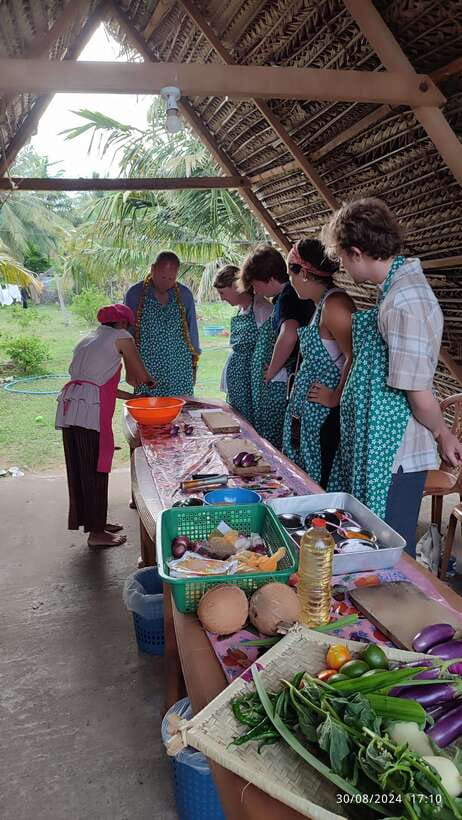
A big part of this class is the cooking environment. You’ll use firewood and wood stoves, the traditional way meals are made in the home. That changes everything: heat is less uniform than a modern stove, timing becomes more important, and the food picks up subtle character from the cooking process itself.
For you, that means the class isn’t just culinary trivia. You’re learning how to think like a cook who works with the tools in front of her. If you’re the type who gets frustrated when food goes wrong, wood-stove cooking may actually be a relief. It teaches you to adjust, watch, and correct—skills that transfer to any kitchen.
You’ll also be guided with personal cooking equipment and you’ll get the ingredients and recipes you need. The goal isn’t perfection. It’s learning the process so you can reproduce the basics later.
The meal is the point, not the reward
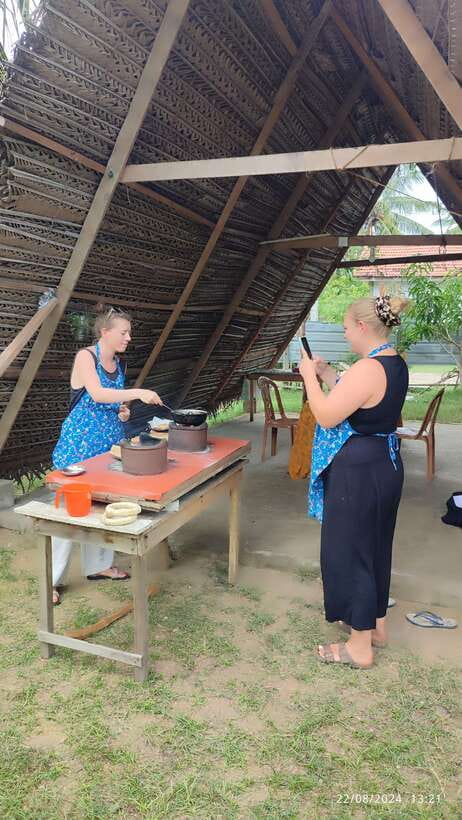
After cooking, you sit down and eat what you made. This matters more than it sounds. Many cooking classes rush you through the cooking and then put the food in front of you like it’s a souvenir. Here, you’re part of the kitchen work and then part of the meal.
That family-style dining also helps you understand how Sri Lankan food is meant to be eaten: rice and curry together, hoppers with the right accompaniments, and sweets as a real finishing step—not an afterthought.
You’ll get water and refreshments, and the dining experience is included. If you’re traveling with kids, the setup can be friendly too; one family mentioned their children (ages 4 and 6) got involved in the session. Still, the activity is not suitable for children under 2 years, and you should plan around food allergies.
Price and value: $22 plus possible extras for chicken, fish, and seafood
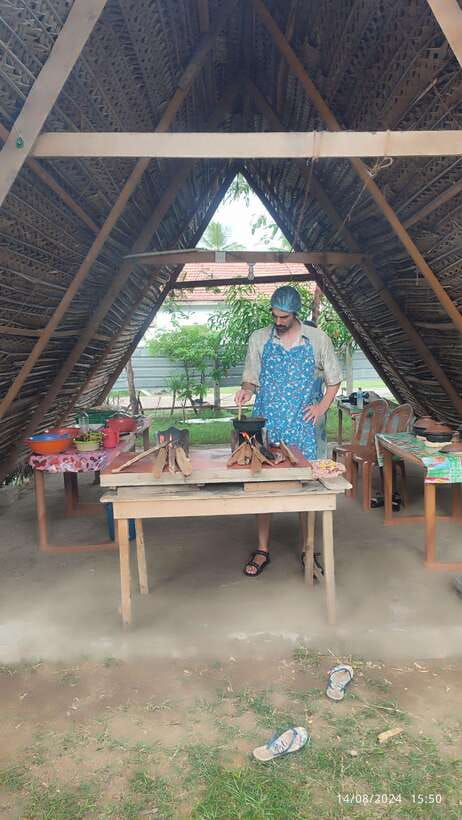
At $22 per person for a 5-hour, hands-on cooking class with included ingredients, recipes, and a full meal, this is a strong value—especially in Sri Lanka’s east, where experiences can feel seasonal and logistics matter.
What’s included:
- Authentic Sri Lankan cooking experience
- Traditional cooking methods with wood stoves and firewood
- Ingredients for cooking
- Recipes for the dishes you make
- Personal cooking equipment
- Water and refreshments
- Dining
What’s not included:
- Hotel pickup or drop-off
- A shopping tour
- Chicken or fish curry if you want it (extra 2000 LKR per person)
- Seafood dishes (extra per person depending on what you request)
Here’s the practical way to think about cost. If you stick to the included menu or choose vegetarian options, the $22 covers the core Sri Lankan cooking skills in a home setting. If you want specific meat or seafood curries, budget extra so you don’t get surprised at the end. Tell your host early about what you want to cook, and you’ll get a menu that matches your preferences.
Language, comfort, and restrictions you should plan around
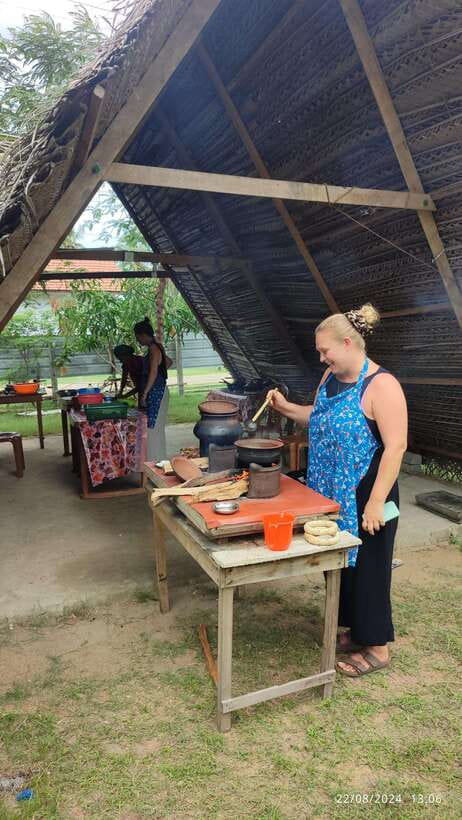
The class runs in English, with Singhalese also used. That’s ideal if you’re not confident in Sinhala—you can still follow instructions and learn what each ingredient is doing.
You’ll want to bring:
- Hat
- Sunscreen
- Comfortable clothes
And you should keep in mind the activity rules:
- No smoking
- No alcohol or drugs
- No pets
Diet and health notes are important:
- You should inform the host of dietary restrictions or allergies in advance.
- People with food allergies may not be suitable for this activity.
Also, it’s listed as wheelchair accessible, which is a big plus if you need that.
Practical tips so you get the most out of the class
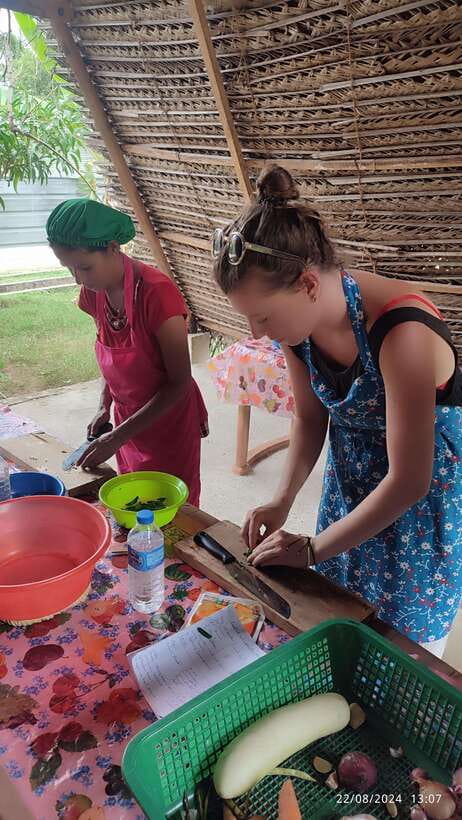
This is a do-and-learn experience. To make it smooth, do a little prep and then show up ready to work.
- Wear clothes you don’t mind getting splashed. Curry and batter can be messy, and you’ll be near active cooking.
- Use your hat and sunscreen early. Outdoor setup is common around homes, and you’ll likely be outside at some point.
- Ask for what you want to cook in advance. One of the best parts is that you can request what dishes you want, and those wishes can be accommodated.
- Be clear about dietary needs. If you’re aiming for vegetarian, or you want to avoid certain ingredients, say so at the start.
- Plan around extra costs if you request seafood or meat curries. Chicken/fish curry has a set extra fee, and seafood varies based on request.
Finally, bring the right attitude. You’re not taking a cooking test. You’re learning from a real family’s rhythm. Laugh when something goes a little sideways. You’re in a home kitchen, where the point is learning, not being perfect.
Is this Nilaveli cooking class worth booking?
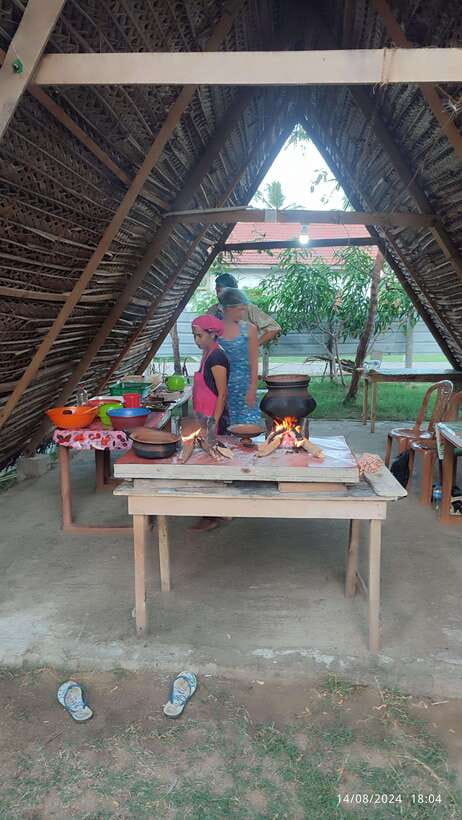
If you want a Sri Lankan cooking class that feels personal and practical, this one is an easy yes. The strongest reason to book is the combination of hands-on cooking (rice and curry, string hoppers, pittu, roti, and more) with the wood stove, home-kitchen method that teaches you how the food is really made. You also end with a meal you cooked, which is one of the simplest ways to make a class feel worth your time.
I’d only hesitate if you’re very sensitive to food allergies, or if you’re not comfortable with the idea that chicken/fish and seafood dishes cost extra. If that’s your situation, you can still enjoy the experience by focusing on included curries and vegetarian cooking—just confirm your needs clearly with Nimali Dinushika before you go.
FAQ
FAQ
How long is the Nilaveli Sri Lankan cooking class?
It lasts about 5 hours.
How much does the class cost?
The price is $22 per person.
Where do I meet for the activity?
The meeting point is at Pigeon Island Tours, near The Rice and Curry seafood and The Dive shop.
What dishes will I be able to learn and cook?
You’ll prepare traditional dishes including rice and curry, string hoppers, hoppers, pittu, rotti, milk rice, and you’ll also learn about sweets and curry powder.
Can I choose vegetarian options?
You can request what you want to cook, and vegetarian options are possible. If you want chicken curry or fish curry, there is an extra per-person fee.
Is there an extra charge for chicken, fish, or seafood?
Yes. Chicken or fish curry costs an additional 2000 LKR per person. Seafood dishes also cost extra depending on what you request.
Does the price include ingredients and recipes?
Yes. Ingredients and recipes for the traditional dishes are included, along with personal cooking equipment, water and refreshment, and dining.
Is hotel pickup or drop-off included?
No, hotel pickup and drop-off are not included.
What should I bring, and what is not allowed?
Bring a hat, sunscreen, and comfortable clothes. Pets are not allowed, and smoking and alcohol and drugs are not allowed.