REVIEW · PARIS
3-Hour Croissant & Pastry Cooking Class With Local Baker in Paris
Book on Viator →Operated by Classpop! · Bookable on Viator
Perfect pastries take real practice. In this 3-hour Paris class, you’ll learn croissant dough from scratch and shape bicolor pastries with Chef Fanny. It’s a hands-on way to get better at French pastry while leaving with recipes and a take-home box from a studio just steps from the Eiffel Tower.
Two things I really like: the six-person cap keeps the lesson personal, and Fanny can spot what needs fixing right away. I also love that you leave with recipes plus a box of what you made, so you’re not just collecting photos—you can actually recreate the results at home.
One possible drawback: at about $231.19 per person, this is best if you want proper instruction (not just a pastry snack). If your goal is low-cost sampling, you may feel that Paris bakeries can satisfy you for less.
In This Review
- Key things to know before you go
- Croissant Magic Starts With a Real French Lesson
- Meet Near the Eiffel Tower, Start With a Clear Game Plan
- Why the Six-Person Cap Changes Everything
- What You’ll Make: Three French Pastries, Three Different Lessons
- Bicolor Croissants: The Skills Builder
- Bicolor Pains au Chocolat: Filling That Actually Behaves
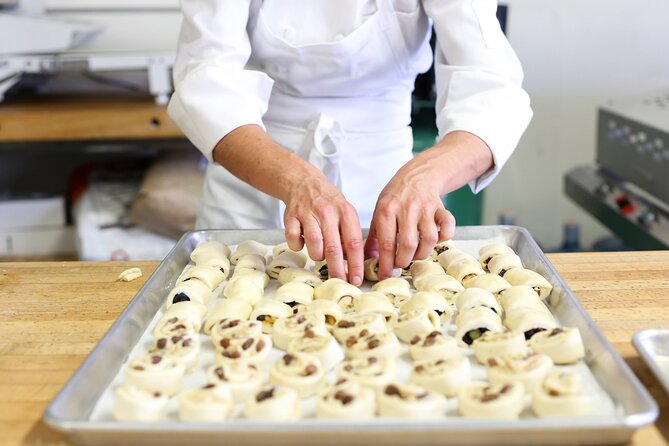
- Bicolor Raisin Rolls With Vanilla Pastry Cream: Flavor Meets Texture
- The Chef Factor: Chef Fanny Keeps It Fun and Doable
- What You Take Home (And Why It’s Better Than Just Photos)
- Dietary Needs and Skill Levels: Know the Baseline
- Price: Is $231.19 Worth It?
- A Few Practical Tips So You Get Great Results
- Should You Book This Croissant & Pastry Class?
- FAQ
- How long is the croissant and pastry cooking class?
- What pastries will I learn to make?
- How many people are in the class?
- Is the class offered in English?
- Where do I meet for the class?
- Do I get a box to take the pastries home?
- Can I include wine with the experience?
- What if I have dietary needs?
Key things to know before you go
- Small-group attention: Max 6 people, so you get real feedback while you work.
- Croissants plus two more classics: Bicolor croissants, bicolor pains au chocolat, and raisin rolls.
- Bicolor results you can show off: You’ll make pastries with a striking two-tone look—great for photos.
- Recipes to take home: You get guidance you can use again, not just a one-time treat.
- Your pastries go in a box: You’ll take home the goodies you made.
Croissant Magic Starts With a Real French Lesson
Paris croissants can feel like a tourist trap. You take a bite, nod politely, and move on. This class is different because you’re not just tasting—you’re learning the method behind the magic.
I like that the focus is viennoiserie techniques, not vague “bake with love” talk. You’ll work on croissant dough from scratch and then turn that dough into multiple types of pastries: bicolor versions of croissants and pains au chocolat, plus bicolor raisin rolls with vanilla pastry cream and raisins. That variety matters. It helps you understand how the same dough base can become different textures and flavors with smart shaping and filling choices.
You can also read our reviews of more tours and experiences in Paris.


Meet Near the Eiffel Tower, Start With a Clear Game Plan
You’ll meet at 7 Rue Jean-Macé, 75011 Paris. The studio is described as being just steps from the Eiffel Tower area, which is a good location for fitting into a day of sightseeing.
Before you start shaping anything, the class sets you up with the workflow: what you’re making, how your dough should behave, and what the chef wants you to focus on. That “what to watch for” approach is one of the reasons this experience works for many skill levels. Even if your baking track record is just boxed mixes, you get a roadmap instead of guesses.
Also, it’s taught in English, and you’ll receive a mobile ticket. That helps if you like to travel light and avoid extra printouts.
Why the Six-Person Cap Changes Everything
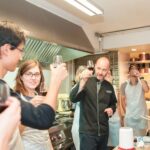
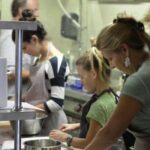
A six-person limit is the quiet superpower here. In larger classes, you can end up waiting for the next step. Here, the chef’s attention is more likely to land on your hands, not just the room in general.
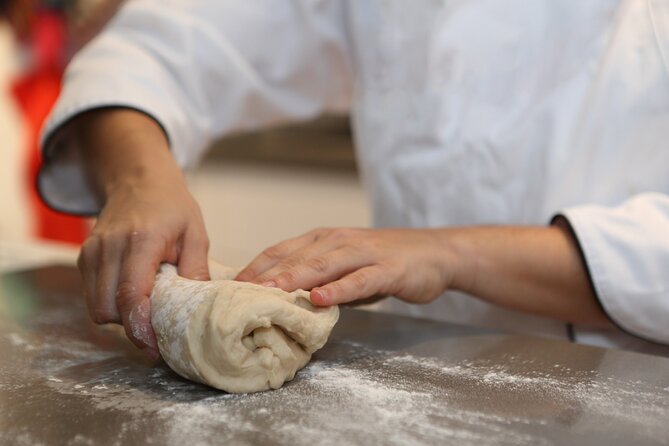
I like classes that stay small because pastry is physical work. You’re handling dough, feeling its resistance, and correcting your technique on the spot. This setup also makes it easier to ask questions while everyone stays in sync.
From what I’ve seen in the tone of the class feedback, Chef Fanny’s style is part of the win: fun, patient, and very willing to guide you through the steps until you get it right. That matters when you’re trying to nail things like shaping and getting a clean pattern in bicolor pastries.
What You’ll Make: Three French Pastries, Three Different Lessons
This class is built around a three-course baking workshop. That’s practical because each pastry teaches you a slightly different skill set. Here’s how the pieces fit together.
Bicolor Croissants: The Skills Builder
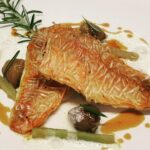
Bicolor croissants are the headliner. They’re also the best “skills builder” because they require you to manage dough handling and shaping while creating that two-tone look.
Why it’s valuable: croissants are about technique. Even if you’ve seen complicated diagrams online, learning the actual steps in a real kitchen-style studio helps you understand how the dough layers should come together. And because the class is focused on croissant dough from scratch, you’re learning the foundation, not just assembling a pre-made product.
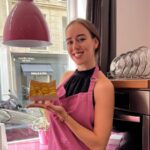
Expect to work toward a final result you can feel proud of—especially because the class is designed for those great photos (hello, Instagram-worthy two-tone layers).

Bicolor Pains au Chocolat: Filling That Actually Behaves
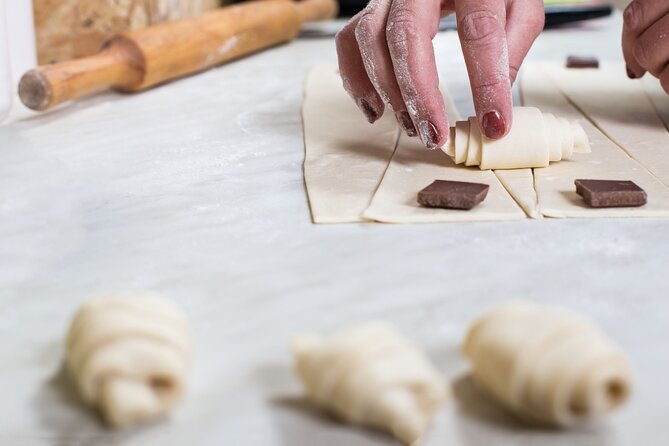
Next up are bicolor pains au chocolat with a chocolate filling. The lesson here is less about how to make croissant dough and more about how to use the dough to carry filling cleanly—without it becoming a mess or disappearing during baking.
This step is useful at home because chocolate pastries are where many home bakers get stuck. If your dough is too thick, too thin, or folded in a way that seals poorly, the result can be uneven. A structured class helps you learn the “set it up right” version of the technique.
Also, you’ll likely appreciate the contrast: compared with a croissant, pains au chocolat is more straightforward to serve and share, and it’s a strong option if you want a French pastry that feels impressive but still manageable.
Bicolor Raisin Rolls With Vanilla Pastry Cream: Flavor Meets Texture
The final sweet stop is bicolor raisin rolls featuring vanilla pastry cream and raisins. This part teaches a different balance: flavor layering and how fillings interact with dough and bake time.
Why it’s worth your time: once you’ve made a croissant-style pastry and a chocolate pastry, adding pastry cream and raisins makes the lesson more complete. It shows you how French pastry isn’t only about buttery layers—it’s also about building a filling that feels right with the dough.
It also sets you up for future baking. If croissants feel like a big project at home, raisin rolls can be your “gateway French pastry,” especially when you have the chef’s recipe guidance.
The Chef Factor: Chef Fanny Keeps It Fun and Doable
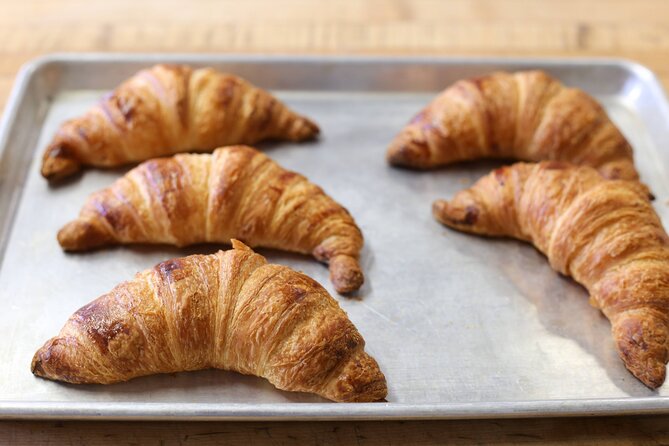
Every great class has a teacher who can turn technique into something you can actually do with your hands. In this one, Chef Fanny is repeatedly described as making the class enjoyable and special, with a supportive pace and a lot of patience.
That’s more than nice personality. Pastry is unforgiving. Small mistakes can show up in the final shape or texture. A chef who’s energetic and focused on clear instructions helps you correct course fast instead of losing the thread.
If you’re traveling with family or friends, this teaching style also matters socially. People tend to feel more relaxed and stay engaged when the class feels friendly and organized.
What You Take Home (And Why It’s Better Than Just Photos)
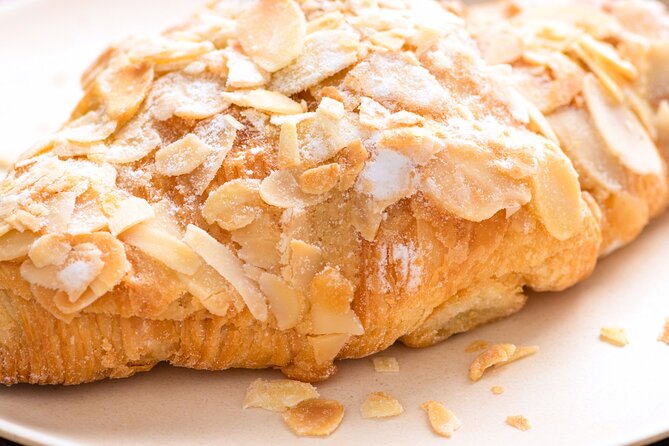
You’ll leave with a box of your handmade pastries. That’s practical. It means you’re not racing around Paris later trying to find a place to store sweets, and it turns your class into a real meal.
You also get recipes to recreate your pastries at home. For me, recipes are the difference between a fun afternoon and a lasting skill. Photo proof fades. A usable guide helps you reproduce results, adjust ingredient amounts, and repeat the parts you liked most.
Bonus: because you’ll be making bicolor pastries with a distinct look, you’ll have lots of content-ready moments. But the point is you’ll understand what you’re photographing.
Dietary Needs and Skill Levels: Know the Baseline
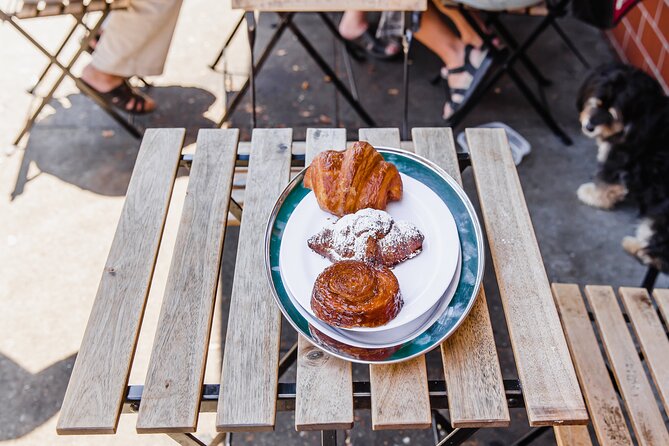
The class states it’s designed to accommodate a variety of dietary needs. The key phrase here is that you should let them know in advance so they can do their best to tailor the experience.
Also, the class is positioned as suitable for all skill levels. That doesn’t mean everyone will get perfect results on the first try. It means you shouldn’t need advanced baking knowledge to participate. You’ll be taught the process, and the small group size supports hands-on correction.
If you have strict allergies, I’d treat this as a “contact them before booking” situation. With pastry, ingredient changes can affect texture, so it’s worth confirming what’s possible.
Price: Is $231.19 Worth It?
Let’s talk value without sugarcoating it. At $231.19 per person for roughly 3 hours, this isn’t a casual budget activity. You’re paying for three things that are hard to replicate on your own:
- Instruction by a skilled pastry chef (not just a demo)
- Time in a professional-style setting where techniques like viennoiserie method can be coached
- Multiple finished pastries plus a take-home box and recipes
If you’re the kind of traveler who loves learning—food technique, not just food tasting—this price starts to make sense. You’re essentially buying a hands-on workshop that ends with edible results and a guide you can reuse.
If your priorities are more like “I want to taste lots of Paris pastries,” then you may decide to spend less and do a bakery-and-café day. But if you want the satisfaction of shaping, filling, and producing recognizable French classics, this class is the kind of splurge that can pay off later.
A Few Practical Tips So You Get Great Results
These are simple, but they make the class easier:
- Wear sleeves you don’t mind getting a little dough on. Pastry is messy. That’s part of it.
- Come hungry, but not so hungry that you rush. The timing works best when you can focus on steps and then enjoy the finished pastries.
- If you care about photos, plan to take some early shots. Bicolor pastries photograph best when you can capture the clean lines and layers right after finishing.
Should You Book This Croissant & Pastry Class?
Book it if you want to:
- Learn croissant dough technique and not just eat the final product
- Bake with personal attention in a group capped at six
- Make multiple French pastries in one session and leave with a take-home box and recipes
Skip or reconsider if you:
- Only want to sample Paris sweets on a budget
- Don’t care about learning technique and prefer to browse bakeries and cafés instead
If you like structured, hands-on food experiences—and especially if you’re traveling with family or friends who enjoy cooking—Chef Fanny’s class is the kind of Paris activity that turns into a real story you’ll keep telling.
FAQ
How long is the croissant and pastry cooking class?
The class lasts about 3 hours.
What pastries will I learn to make?
You’ll make bicolor croissants, bicolor pains au chocolat, and bicolor raisin rolls with vanilla pastry cream and raisins.
How many people are in the class?
The class has a maximum of 6 travelers.
Is the class offered in English?
Yes, it’s offered in English.
Where do I meet for the class?
You’ll meet at 7 Rue Jean-Macé, 75011 Paris, France, and the activity ends back at the meeting point.
Do I get a box to take the pastries home?
Yes. You’ll receive a box of your handmade pastries to take home.
Can I include wine with the experience?
Wine is not included, but an additional fee may apply if you’d like to include it.
What if I have dietary needs?
The class is designed to accommodate a variety of dietary needs, and you should let them know in advance so they can do their best to tailor the experience.