REVIEW · LIMA
Cook with Maido’s creative chef and chef de cuisine
Book on Viator →Operated by Peruvian Cooking Classes · Bookable on Viator
Pisco sour and a chef shape your Lima dinner. In Lima, this small-group class turns you from hungry onlooker into active cook with Chef Hector Aguilsr (or Chef Jose Aguilar), known for his role at Maido. You also get a bite-size look at how Peruvian food connects to everyday life in the city.
What I love most is the combination of real cooking practice and a friendly, laidback pace. The other big win for me is that you do more than cook: you learn the basics behind flavors during the pisco sour class and you eat what you make—either lunch or dinner—without turning it into a formal lecture.
One consideration: it’s only about 2 hours, so this is best if you want skills you can use right away, not if you’re hoping for a full, multi-course culinary deep study. Also, the experience needs good weather.
In This Review
- Key highlights that make this class worth your time
- Cooking with Maido’s chefs in Miraflores: the vibe and the payoff
- Meeting point in Miraflores and timing: what your 2 hours really look like
- Market time and Peruvian ingredients: why seeing food first helps you cook better
- The pisco sour class: learn the drink, then understand the dining culture
- Chef Hector Aguilsr (or Jose Aguilar) and the hands-on cooking portion
- Recipes of the day: the best souvenir isn’t a photo
- Lunch or dinner with what you made: the social part that makes it stick
- Small group size and personal instruction: why max 15 is a big deal
- Price and value: why $60 feels fair here
- Dietary needs and who this class suits best
- Booking rhythm and last-minute reality checks
- Should you book this Maido chef cooking class in Lima?
- FAQ
- What is the location for this cooking class in Lima?
- How long does the experience last?
- Is there a morning or afternoon option?
- Who will cook with you during the class?
- What’s included besides the cooking class?
- Does it accommodate food allergies or intolerances?
- What is the group size limit?
- Are children allowed?
- When will I receive confirmation after booking?
- What is the cancellation policy?
Key highlights that make this class worth your time
- Maido’s creative chef, hands-on: you cook with Chef Hector Aguilsr (or Chef Jose Aguilar), not just watch from the sidelines.
- Pisco sour class included: you learn the drink side of Peruvian dining, then move straight into food.
- Small group size (max 15): enough space for questions and actual attention while you cook.
- Market-to-meal flow: you’ll see ingredients in context before they end up on your plate.
- Lunch or dinner at the end: you sit down, talk, and enjoy what you made.
- Dietary needs can be handled: food intolerances and allergies can be catered for.
Cooking with Maido’s chefs in Miraflores: the vibe and the payoff
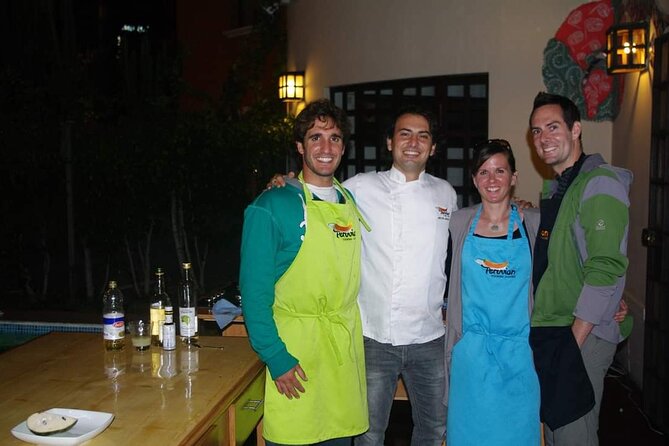
If you want a Lima food experience that feels personal, not staged, this is a strong match. You meet in Miraflores at Ca. Gral. Borgoño 712, and you’re set up for a relaxed session with a maximum group size of 15. That matters because cooking classes can turn stressful fast when there are too many people and not enough hands at the stations.
This class is built around two things you’ll feel immediately: cooking skill and Peruvian context. Chef Hector Aguilsr (or Chef Jose Aguilar) isn’t there to turn you into a professional chef. He’s there to help you understand why the flavors work, what to watch for as you cook, and how to avoid the common mistakes that happen when you’re working with unfamiliar ingredients.
Another reason I like it: the format doesn’t drag. It runs about 2 hours, and it doesn’t try to cram in a whole history lecture. Instead, you pick up practical knowledge while you’re doing the work, and then you eat together.
You can also read our reviews of more tours and experiences in Lima.


Meeting point in Miraflores and timing: what your 2 hours really look like
The start is at Ca. Gral. Borgoño 712, Miraflores (15074), Peru, and it ends back at the meeting point. That round-trip setup is handy in a city where getting around can eat up energy—especially if you’re bouncing between neighborhoods.
You’ll also have choices on timing with either a morning or afternoon class. That gives you flexibility: you can pair it with other Lima plans without feeling like you have to rearrange your whole day around one fixed slot.
Duration is listed as about 2 hours, so think of this as a focused session. You’ll likely spend part of that time learning and preparing (and yes, you’ll take part), then you’ll sit down to lunch or dinner. If you arrive hungry with curiosity, you’re going to get a lot from the pacing.
Finally, note that it has a weather requirement. If it’s canceled due to poor weather, you’ll be offered a different date or a full refund.
Market time and Peruvian ingredients: why seeing food first helps you cook better
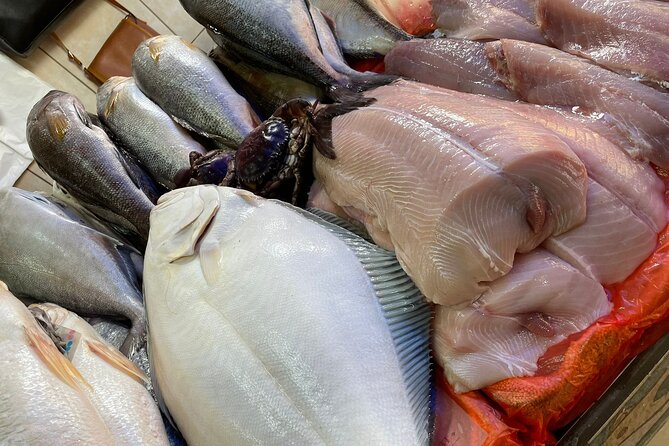
One of the most memorable moments is the market visit. You get to see ingredients in real life before they show up in your meal. That sounds simple, but it changes everything. When you recognize a product and understand how it’s used, your cooking goes from guesswork to confidence.
In Peru, food isn’t just about flavor—it’s about texture, timing, and balancing. Watching ingredients being handled and talked about helps you pick up what to look for, even if you don’t know all the names yet. It also gives you a sense of the wider food culture—how people shop, choose produce, and think about meals.
If you like hands-on travel—where you learn by doing—this market stop fits your style. And if you’d rather skip crowded tours, keep in mind that the class stays small, with a cap of 15 people, so you’re not swallowed by the group.
The pisco sour class: learn the drink, then understand the dining culture
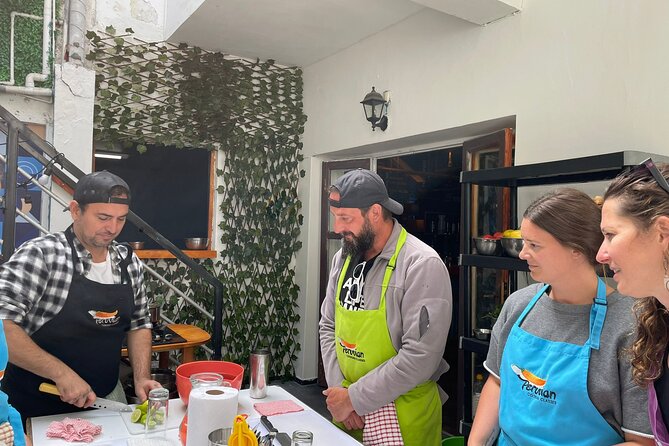
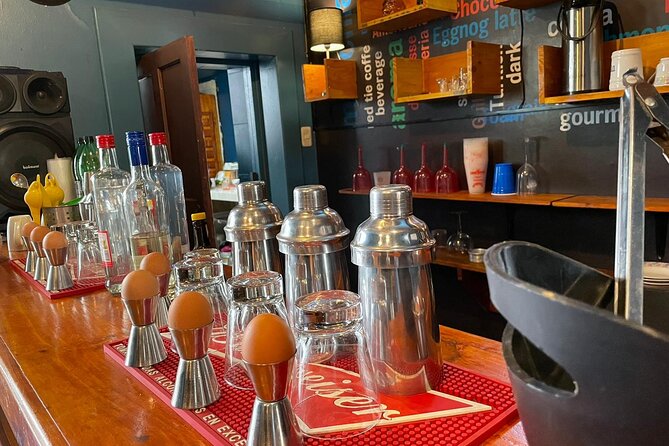
The experience includes a pisco sour class, and it’s more than just sipping something pretty. This is your practical introduction to a drink that’s deeply tied to Peruvian dining identity. You learn how it’s made (and what makes it taste right), then you roll that knowledge into the rest of your meal.
Why is this valuable for you? Because it teaches you how Peruvian flavors “fit together.” When you taste the drink component, you start thinking about balance—acid, sweetness, and freshness—and that mindset carries into cooking. It also makes your final lunch or dinner feel more connected, since you’re not only tasting the food but also understanding a classic companion.
And in a small-group setting, you’re more likely to get clarification when you need it. That’s a big deal if you’re the type who asks questions mid-process.
Chef Hector Aguilsr (or Jose Aguilar) and the hands-on cooking portion
At the heart of the experience is the Peruvian Cooking Class, guided by Chef Hector Aguilsr or Chef Jose Aguilar. The key here is that you’re not watching a performance. You’re cooking, adjusting, and learning techniques while you’re in motion.
Chef instruction in a small class tends to work best when it’s specific. Rather than giving you vague advice, you can ask questions and get feedback that matches what you’re doing right now. That makes the time feel productive instead of ceremonial.
This is also where the “advanced cooking skills in a laidback environment” idea becomes real. The class is laid back, but the skills aren’t watered down. You’ll learn processes you can repeat later, and you’ll leave with a clearer sense of how to build flavor step by step.
One detail that stuck with me from the vibe: there’s music during the session, which keeps the mood casual. Cooking is work, but it doesn’t need to feel stiff. The tone is friendly, and the conversation makes it easier to relax and stay focused.
Recipes of the day: the best souvenir isn’t a photo
You’ll receive recipes of the day, which is honestly one of the most useful parts. A recipe you can cook at home is more valuable than a fridge magnet. It turns the experience into something you can relive on a weeknight instead of only remembering the taste.
For you, that means you’re not just learning techniques in the moment—you’re collecting a plan. When you cook later, you’ll remember the steps you practiced here, and you’ll know what the chef was trying to achieve with each move.
If you care about authenticity, this also helps. You’re not leaving with a generic “Peruvian-inspired” version. You’re leaving with the day’s approach used in that kitchen session.
Lunch or dinner with what you made: the social part that makes it stick
After cooking, you’ll have lunch or dinner included, and you’ll sit down with the group to enjoy what you created. This is where the experience turns from lesson into meal.
Eating together matters because it closes the loop. You taste the final result while the instructions are still fresh in your head, and you can connect flavor choices to your own technique. It’s the difference between learning and actually retaining what you learned.
The meal also has that warm, conversational feel. One of the highlights people point out is the chance to talk with the chef and share the experience in a relaxed way. You end up leaving with more than food knowledge—you leave with context and stories about what you cooked and why.
Small group size and personal instruction: why max 15 is a big deal
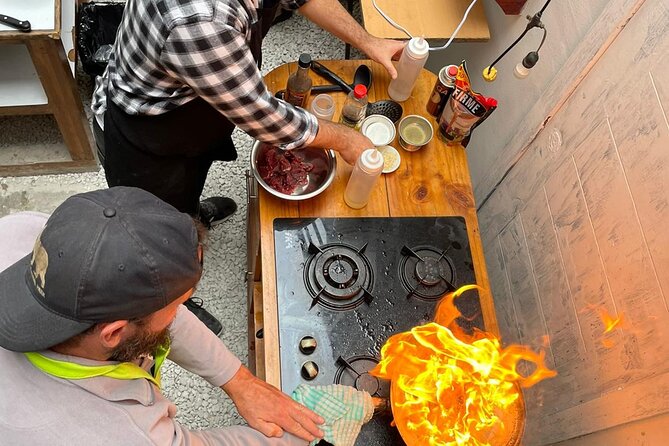
This class caps at 15 travelers, which affects everything: your ability to ask questions, the pace of instruction, and how quickly you can get help if something isn’t working.
In a larger class, you can get stuck waiting your turn or stuck guessing. In a class this size, you’re more likely to be coached while the cooking is happening. That’s when the tips actually help, because you can apply them immediately.
Also, small groups often make the experience feel less transactional. You’re not just part of a crowd. You’re participating in a shared process, from market time to the meal.
Price and value: why $60 feels fair here
The price is $60.00 per person, and the big question is what you get for it. Here you’re not paying for a show—you’re paying for a chef-led, hands-on session that includes:
- the cooking class with Chef Hector Aguilsr (or Chef Jose Aguilar)
- a pisco sour class
- lunch or dinner
- recipes of the day
- small-group instruction (max 15)
For most food experiences in Lima, meals plus instruction add up quickly. Here, the cost lands in a middle zone that feels practical for the value: you’re getting both learning and food, with the recipes as a built-in takeaway.
In other words, you’re not just buying a meal. You’re buying skills, plus the drink component, plus a meal you can actually anchor your new knowledge to.
Dietary needs and who this class suits best
Dietary needs can be accommodated. The info says food intolerance and allergies can be catered for. That’s a practical plus if you’re traveling with restrictions. Just be clear about what you need when confirming your participation.
Who will love this most?
- You enjoy learning by doing and want actual cooking practice, not a food-only tasting.
- You like small-group experiences where conversation and questions are part of the flow.
- You want a Lima food connection that feels grounded in culture, not just plating.
Who might think twice?
- If you want a super long, slow meal experience with lots of courses and zero structure, this is probably too short.
- If you hate any chance of weather disruption, remember it has a good-weather requirement.
Booking rhythm and last-minute reality checks
The experience is often booked in advance, with an average booking time listed at 31 days. That tells you demand is steady—so if your dates are fixed, don’t leave it to chance.
If you’re making a last-minute plan, the provider includes a way to reach them at +51-922063425 via phone or WhatsApp. And after you book, you should receive confirmation within 48 hours, subject to availability.
If you’re the kind of traveler who likes to move fast, this setup gives you room to do it—without committing you too early.
Should you book this Maido chef cooking class in Lima?
I’d book it if you want a Lima food experience that’s practical, friendly, and genuinely hands-on. The combo is hard to beat: chef-led cooking, included pisco sour class, and a real sit-down meal with recipes you can use later.
It’s also a smart choice if you’re in Miraflores and want something that doesn’t swallow your whole day. With the 2-hour length and a small group cap of 15, you’ll likely leave feeling like you did more than eat—you learned how to cook.
Skip it only if you’re hunting for a long, leisurely, multi-stop tour or if you’re extremely sensitive to weather changes. Otherwise, for $60, it’s one of those Lima activities that gives you skills, food, and a story you’ll still remember when you cook at home.
FAQ
What is the location for this cooking class in Lima?
You start at Ca. Gral. Borgoño 712, Miraflores 15074, Peru.
How long does the experience last?
It lasts about 2 hours (approx.).
Is there a morning or afternoon option?
Yes, you can choose either a morning or afternoon class.
Who will cook with you during the class?
The class is with Chef Hector Aguilsr or Chef Jose Aguilar (at Maido).
What’s included besides the cooking class?
You also get a pisco sour class, lunch or dinner, and recipes of the day.
Does it accommodate food allergies or intolerances?
Yes. Food intolerance and allergies can be catered for.
What is the group size limit?
The maximum group size is 15 travelers.
Are children allowed?
Children must be accompanied by an adult.
When will I receive confirmation after booking?
Confirmation is received within 48 hours of booking, subject to availability.
What is the cancellation policy?
Free cancellation is available. You can cancel up to 24 hours in advance for a full refund. If you cancel less than 24 hours before the start time, the amount paid is not refunded. Weather cancellations may offer a different date or a full refund.