REVIEW · AREZZO
Colorful Tagliatelle and Ravioli Cooking Class near Arezzo
Book on GetYourGuide →Operated by Timonfaya Travel Lanzarote · Bookable on GetYourGuide
Colorful pasta starts with your own hands. In this small Arezzo cooking class, I love making tagliatelle and ravioli from scratch and I love that the colors come from natural ingredients like spinach, beetroot, cacao, and squid ink. It’s one of those experiences where you’re learning skills you’ll actually use again, not just watching someone else cook.
Plan on a hands-on 3 hours in a home-style setting. If you want a sightseeing-heavy day, this is more kitchen time than wander time, and dinner includes Chianti wine—so it’s best if you’re in the mood for an eat-and-enjoy meal.
In This Review
- Key things I think you’ll enjoy most
- A home kitchen near Arezzo: meeting Maria and her setup
- The class flow: dough first, then shaping your tagliatelle and ravioli
- Getting color without food coloring: spinach, beetroot, cacao, and squid ink
- From quick sauces to plating: turning pasta into a full meal
- Bruschetta, Chianti, and crostata: what’s actually included on your plate
- Vegetarians, vegans, and gluten-free: adapting without losing the Italian feel
- What you take home: recipes and an apron that makes cooking stick
- Price and value: is $116 per person worth it?
- Who should book this pasta class (and who might skip it)
- Should you book this colorful pasta class near Arezzo?
- FAQ
- How long is the cooking class?
- What group size is it?
- What’s included with the pasta class?
- Can the menu be adapted for dietary needs?
- What languages does the instructor speak?
- Where is the meeting point in Arezzo?
- Is there free cancellation or a pay-later option?
Key things I think you’ll enjoy most
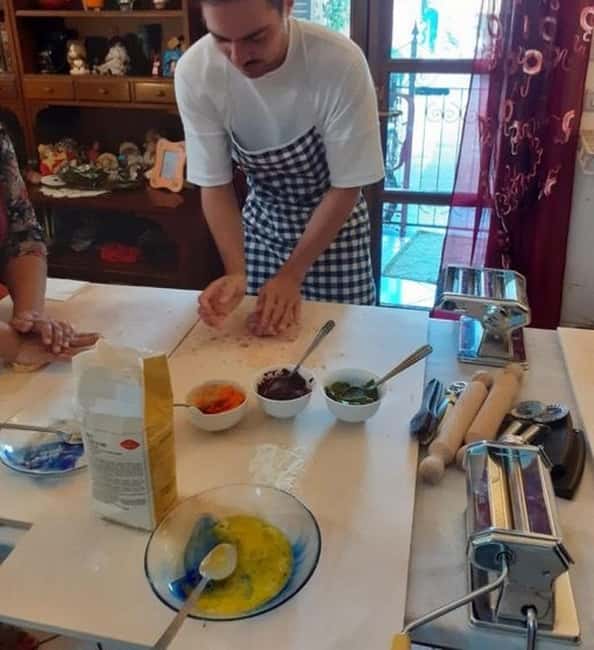
- Small group, big attention: limited to 4 participants, so you’re not lost in the crowd.
- Real pasta making, not a demo: dough prep and shaping are hands-on.
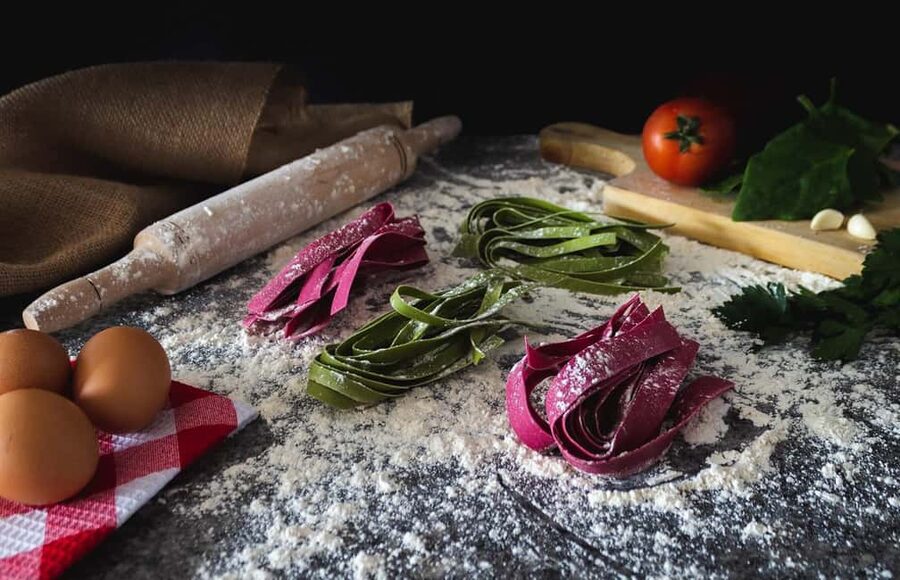
- Natural color ingredients: spinach, beetroot, cacao, and squid ink create your pasta colors and patterns.
- You eat your work: bruschetta, a three-course pasta meal, and homemade crostata.
- Take-home recipes + apron: you leave with instructions to recreate it back home.
A home kitchen near Arezzo: meeting Maria and her setup
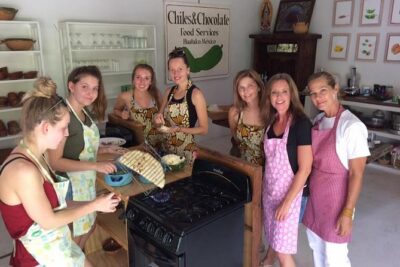
You meet in Arezzo at Via Masaccio, 29, 52100. The instruction is simple: buzz the entryphone for De Luca. This isn’t a big, formal studio. It’s a small, family-style setup, and that matters because you get the feeling you’re joining a real cooking rhythm, not following a scripted show.
The class runs for about 3 hours, and you’ll be working in a small group (limited to 4). That small size is practical. If you’re clumsy with dough—newsflash, most people are at first—you can still ask questions and get corrections quickly.
Your instructor speaks English and Italian. In the hands-on format, that bilingual help is a plus. You can catch the technique either way, and when you’re elbow-deep in flour, you’ll be grateful you don’t have to translate everything in your head.
You can also read our reviews of more tours and experiences in Arezzo.
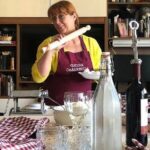
The class flow: dough first, then shaping your tagliatelle and ravioli
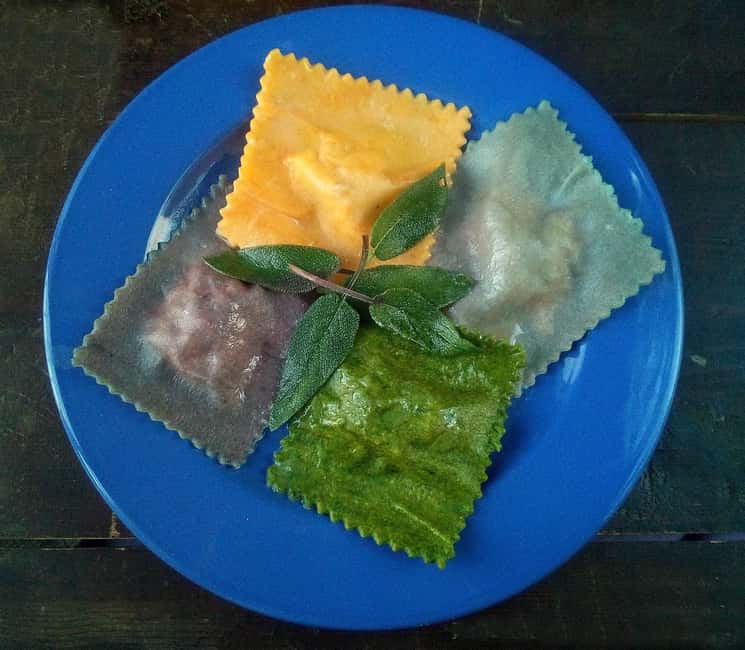
The heart of the experience is making fresh pasta from scratch. You learn the basics of dough preparation and pasta shaping, and then you put it into practice. The approach is step-by-step teaching, then copy-you practice, then gentle correction when something needs tweaking.
Maria (the instructor) has a patient, hands-on teaching style. The best part is that the lesson doesn’t feel stiff. You’re guided closely, and you can have fun joking around while you learn. That friendly tone helps a lot, especially when you’re trying to make pasta shapes look like pasta shapes and not like… well, whatever dough decides to become.
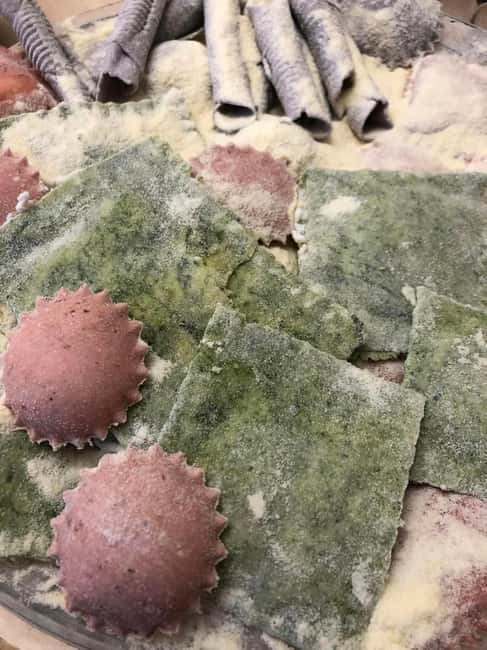
Here’s what this means for you in real terms: you’ll learn the workflow. That includes getting the dough to the right state for shaping, forming tagliatelle and ravioli, and working with the colored ingredients without losing the overall texture of the pasta.
If you’ve ever wanted to stop buying fresh pasta and start making it, this class gives you the confidence to do that. You’re not just learning recipes; you’re learning method.
Getting color without food coloring: spinach, beetroot, cacao, and squid ink
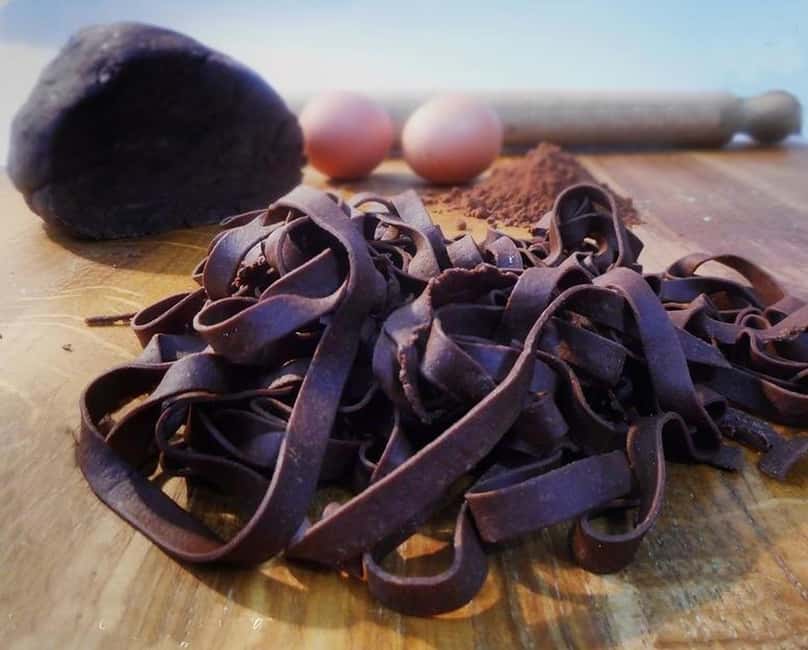
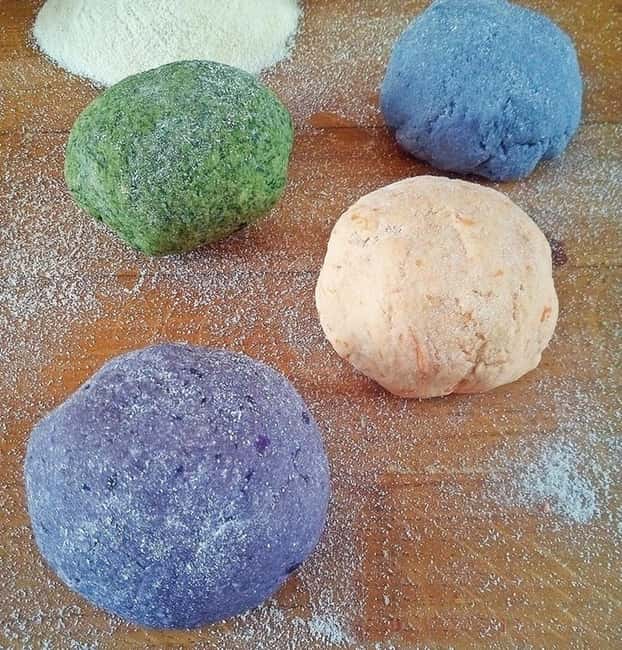
This is the standout theme of the class. You create different pasta colors and patterns using natural ingredients, including spinach, beetroot, cacao, and squid ink. It’s a smart way to learn because you’re not only practicing pasta skills—you’re also learning how ingredient choices change what ends up on your plate.
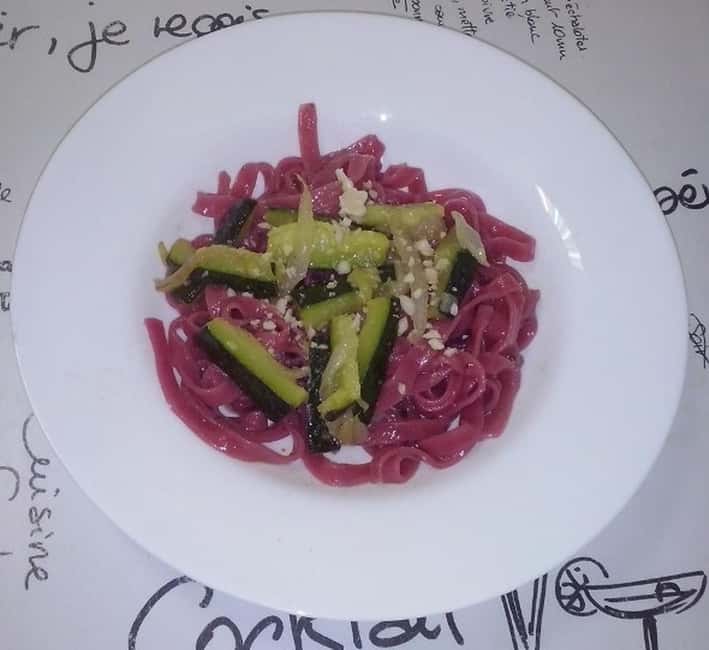
For example, spinach and beetroot are classic for giving pasta a green and red tone, and they also connect directly to Italian pantry staples. Cacao is a fun curveball that gives you a darker pasta color and a distinct flavor direction. Squid ink is bold and unmistakable, and learning how it fits into pasta gives you a more adventurous tool for future cooking.
What I like about this isn’t just the look. It’s the lesson: you understand that pasta can be more than one base dough. Colors can be part of the technique, not just decoration.
From quick sauces to plating: turning pasta into a full meal
After you make your pasta, you also learn how to pair it with quick sauces. The class explains the idea of mixing dough correctly and shaping pasta, then matching it with sauces that work with what you made—so your ravioli and tagliatelle don’t end up feeling like separate projects.
Then comes the best part: you sit down and enjoy your creations. It’s not a quick taste and go. The class is built around eating what you made.
Your meal includes:
- Bruschette appetizer with fresh toppings
- A three-course pasta meal (pasta is the main event)
- Homemade crostata for dessert
And yes, Chianti wine is included. If you drink wine, it’s a comfortable pairing for an Arezzo-Tuscany-style pasta meal. If you don’t, you still get a full meal; just plan to enjoy the food focus rather than the alcohol portion.
This is exactly the kind of class that turns into a memory because the learning and the eating happen in the same visit.
Bruschetta, Chianti, and crostata: what’s actually included on your plate
Let’s talk specifics, because this part drives the value.
You get bruschette as an appetizer, then a three-course pasta dinner or lunch (depending on the schedule). That’s a lot of food for a 3-hour activity, and it’s not just carbs in bulk. It’s a structured meal experience built around your pasta.
Chianti wine is included with the meal. The practical takeaway: arrive ready for a proper meal. Don’t book this as a filler activity between other big plans unless you’re okay with leaving your day a little heavier and happier.
Dessert is homemade crostata. This matters because it’s not some factory-made sweet. You’re getting a classic Italian-style finish that matches the rest of the day’s theme: food made on purpose, not food assembled for convenience.

Vegetarians, vegans, and gluten-free: adapting without losing the Italian feel
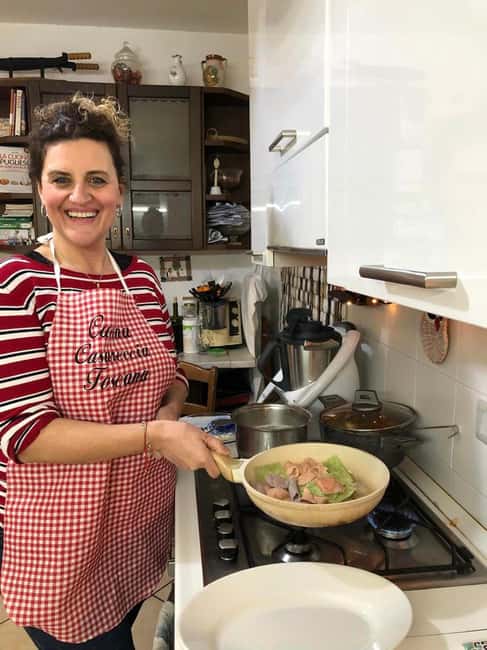
One of the most useful things here is that the menu can be adapted. If you’re vegetarian or vegan, the class can adjust using traditional Italian recipes. That’s important because you don’t want a sad, generic substitute. Traditional adaptation tends to keep the flavors in the Italian lane.
For gluten-free needs, the class can accommodate celiac with gluten-free options. That’s a big deal for anyone who has to plan carefully around wheat in Italy. If you’re gluten-free, this class gives you a clear path: you can still take part in the pasta-making experience without treating your diet like a complete shutdown.
What I suggest: message ahead with your dietary needs early, and be direct. If you tell them what you need, they can steer your menu choices within the class structure.
What you take home: recipes and an apron that makes cooking stick
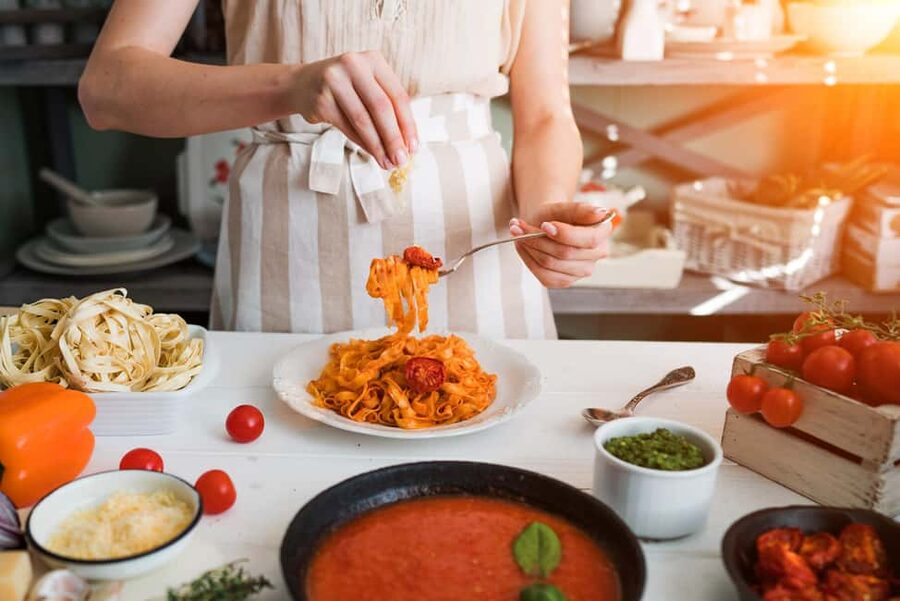
You don’t just leave with a full stomach. You take home exclusive recipes for the traditional Italian dishes you made and learned. That’s the real difference between a cooking class that fades after a week and one that becomes a hobby.
The class also includes an apron gift. It’s a small thing, but it helps you remember the experience and it makes the practical part easy: you’ll have the gear ready when you try cooking again.
I like this kind of “take-home support” because it addresses the hardest part of cooking classes: replication. Without instructions, you remember the taste but not the method. With recipes, you can recreate the steps when you’re back in your own kitchen.
Price and value: is $116 per person worth it?
At $116 per person for 3 hours, the price can feel like a splurge—until you break down what’s included. You’re paying for:
- A hands-on class (small group limited to 4)
- Dough preparation and pasta shaping instruction
- Bruschette appetizer
- A three-course pasta meal
- Chianti wine
- Homemade crostata dessert
- Recipes to bring home
- An apron gift
So you’re not just paying for instruction. You’re paying for a full food experience plus the teaching time plus the materials and support needed to make pasta at home-style pace.
For me, the value comes from two places. First, the small group size means you actually learn. Second, the meal isn’t separate from the class. You cook, you eat, and you leave with a way to repeat it.
If you enjoy cooking, or you want a memorable Tuscany activity that doesn’t feel like a sightseeing checkbox, the price makes sense.
Who should book this pasta class (and who might skip it)
This is a strong fit for:
- People who love food and want a hands-on skill, not a lecture
- Travelers who want a more personal experience in Arezzo instead of a big bus tour
- Anyone craving authentic Italian home-style cooking in a small group
- Dietary-restricted travelers who need vegetarian/vegan or gluten-free options
You might think twice if:
- You want primarily outdoor sightseeing for the day. This is kitchen time first.
- You’re looking for a fast, light snack experience. This is a real meal, with Chianti included.
In short: if you want to leave with a skill and a full plate, book it. If you want a quick stroll and photos, this may be too food-focused for your schedule.
Should you book this colorful pasta class near Arezzo?
I’d book it if you want something practical, not just pretty. The natural-color theme (spinach, beetroot, cacao, squid ink) makes the class fun visually, but the real win is that you practice dough prep and shaping and then you eat what you made.
The small group size is the decision-maker for me. Limited to 4 participants means you’re guided closely, and it’s less stressful when you’re learning something new. Add in the meal (bruschette, three-course pasta, crostata) and the take-home recipes, and you get more than entertainment. You get a new cooking habit you can repeat.
If that sounds like your kind of Tuscany day, this class is a solid choice.
FAQ
How long is the cooking class?
The experience lasts 3 hours.
What group size is it?
It’s a small group limited to 4 participants.
What’s included with the pasta class?
You’ll have a hands-on cooking class, bruschette appetizer, a three-course pasta meal, Chianti wine, and homemade crostata dessert. You also receive recipes and an apron gift.
Can the menu be adapted for dietary needs?
Yes. The menu can be adapted for vegetarians and vegans using traditional Italian recipes. Gluten-free options are also available for people with celiac.
What languages does the instructor speak?
The instructor teaches in English and Italian.
Where is the meeting point in Arezzo?
You meet at Via Masaccio, 29, 52100 Arezzo, Italy. Please buzz the entryphone for De Luca.
Is there free cancellation or a pay-later option?
Yes. You can cancel up to 24 hours in advance for a full refund. You can also reserve now and pay later.