Food lessons in Tuscany feel personal here. You cook in a villa on a charming hill in Val di Chiana, with wildlife around and a friendly Tuscan family vibe that makes the whole afternoon feel easy. I especially like the hands-on pace and the fact you learn dishes you can re-create at home, not just watch from the sidelines.
Two standout perks: first, you’re making fresh pasta plus a classic Tuscan ragù, with dough instruction from Chef Dandy and his mother. Second, you sit down to eat what you cooked, with red wine from a local farmer—a simple pairing that fits the food and the place. One thing to consider: this experience depends on good weather, so if conditions are poor, you’ll need to be flexible with dates.
In This Review
- Key highlights to know before you go
- A hilltop villa cooking class with real Tuscan atmosphere
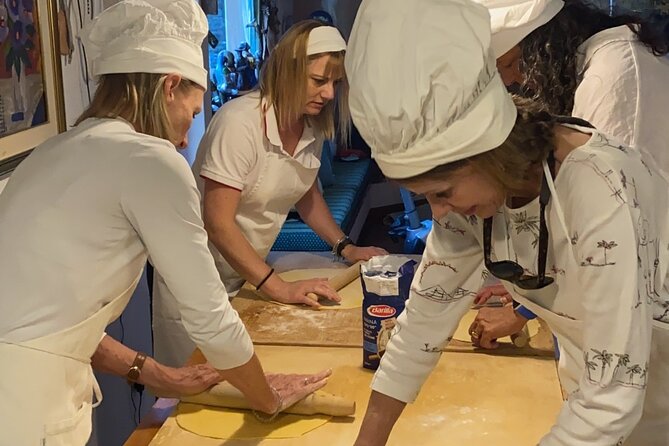
- Meet Chef Dandy and learn from his mother’s dough work
- What you’ll actually cook: pasta, ragù, and dessert
- Fresh pasta: more than just rolling dough
- Tuscan ragù: classic comfort with local credibility
- Dessert: traditional tiramisu
- The menu you’ll share during the lesson
- Ingredients that make the cooking feel authentic
- The setting: wildlife spotting and a slower pace
- Why the price feels fair for what you get
- Timing, meeting point, and how to plan your day
- A few practical notes before you book
- Should you book the cooking class?
- FAQ
- Where does the cooking class start?
- How long is the experience?
- Is this tour private?
- What language is the class offered in?
- What dishes are included?
- Does the class use local ingredients?
- Can you accommodate allergies or dietary restrictions?
- Is there a meal included?
- What happens if the weather is bad?
- What is the cancellation policy?
Key highlights to know before you go
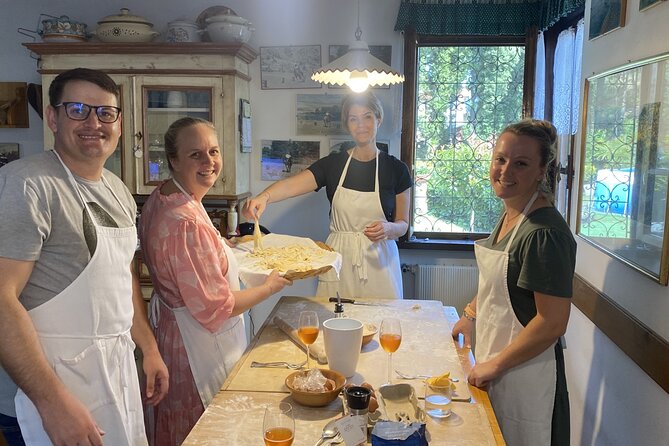
- Chef Dandy’s family-led lesson: he’s the welcoming host, and his mother teaches dough technique.
- Fresh pasta + Tuscan ragù: you practice multiple components, not one quick pasta demo.
- Garden-to-table ingredients: vegetables grown in their garden and oil from their olive trees.
- A full, sit-down meal: bruschetta starter, pappardelle with wild boar sauce, and tiramisu.
- Relaxed, scenic setting: woodland views with the chance to spot deer, hares, and squirrels.
- Extras that feel thoughtful: recipes provided and a certification-style moment is part of the experience.
A hilltop villa cooking class with real Tuscan atmosphere
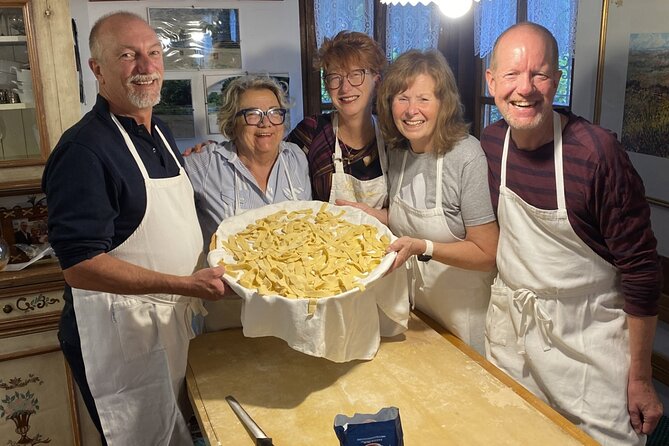
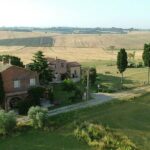
If you want your Italy day to feel like part class and part country afternoon, this setting does the job. You meet in Castiglion Fiorentino, then spend your time at a villa on a charming hill in Val di Chiana, surrounded by woodland. It’s the kind of place where the air feels slower, and the scenery helps you pay attention while you cook.
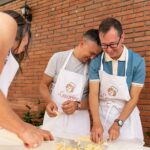
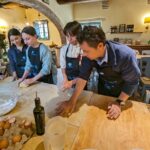
This is also the kind of experience that avoids feeling staged. The food is Italian and Tuscan, but it’s delivered in the tone of a home kitchen—warm, practical, and focused on what you’re doing with your hands. In the class, you’ll prepare fresh pasta, a Tuscan ragù, and a traditional Italian dessert. You’re not just learning recipes; you’re learning how to approach the whole meal.
One more detail I like for real-life travelers: it’s offered in English, and you’re in a private group with only your party participating. That means you can ask questions without feeling rushed or drowned out.
You can also read our reviews of more tours and experiences in Arezzo.
Meet Chef Dandy and learn from his mother’s dough work
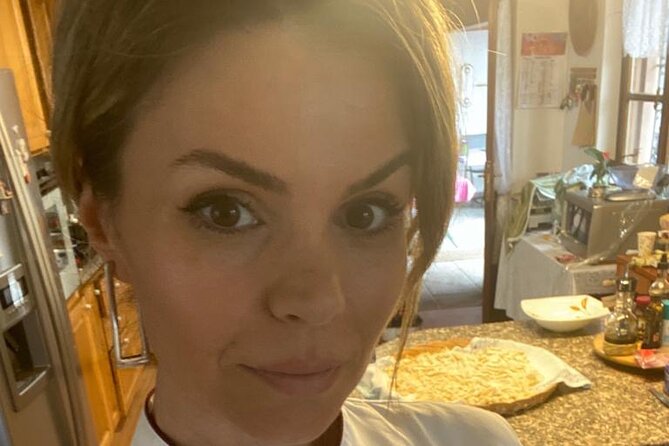
The lesson centers on a key advantage: you’re guided by a host who brings personality, plus a teacher who shows the dough step in a very direct way. The class is associated with Chef Dandy, and the standout from what you’ll experience is that his mother is part of the instruction, teaching you how to make the dough.
Why that matters: pasta dough can be the confusing part for home cooks. Flour type, hydration, kneading rhythm, and how the dough should feel are things that are hard to learn from a recipe alone. Having someone show you the process makes it much easier to translate at-home results into something that works.
You’ll also get that reassuring feeling that you can ask again. The tone in the class is friendly and relaxed, so the goal is not perfection—it’s understanding. If you’ve ever made pasta once and then wondered why yours didn’t behave the same way, this is the kind of class that answers that question in plain kitchen terms.
What you’ll actually cook: pasta, ragù, and dessert
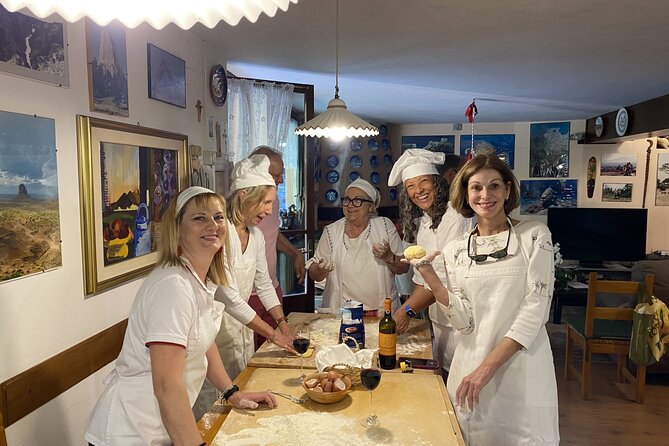
The class is built around a full workflow, which is great value for the time you spend. Even though the overall activity runs about 4 hours 30 minutes, the core cooking experience is about 3 hours, leaving time for meeting, eating, and the small in-between moments that make it feel like a real day out.
Fresh pasta: more than just rolling dough
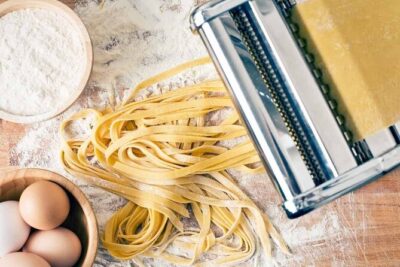
You’ll prepare different kinds of fresh pasta. That’s useful because it trains your brain on consistency—how dough behaves when you change shape or technique. You also learn the logic behind the process: what to watch for, how to adjust as you go, and how to handle the dough so it doesn’t fight you.
This part is a good fit if you’re the kind of traveler who enjoys doing. You’ll want to be there mentally, because pasta dough rewards attention. It’s not a sit-and-snack activity.
Tuscan ragù: classic comfort with local credibility
You’ll also work on the Tuscan ragù, and the menu makes it even clearer. The main dish you share includes pappardelle with wild boar sauce. In other words, you’re learning a sauce format that’s central to Tuscan table cooking—not a generic meat sauce you could find anywhere.
Ragù also benefits from being made alongside the rest of your meal. Cooking in a sequence means you understand how long things need, how aromas shift, and how the dish should come together when it’s time to eat.

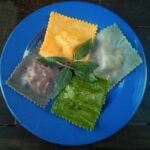
Dessert: traditional tiramisu
The dessert is tiramisu. Tiramisu is an excellent end to a class because it’s not just hands-on—it also teaches balance. It’s sweet, creamy, and structured by technique. You get to round off the meal with something that feels distinctly Italian, and you can re-create it with confidence once you know the method you’re taught.
The menu you’ll share during the lesson
Here’s what you can expect to eat as part of the experience. Having a clear menu helps you mentally prepare, especially if you’re deciding whether you’ll eat beforehand.
- Starter: Tuscan bruschettas
- Main: Pappardelle with wild boar sauce
- Dessert: Tiramisu
This menu is a smart mix. Bruschetta sets you up with simple Italian flavors and a savory start. Pappardelle with wild boar sauce is the heart of the Tuscany story—broad ribbons of pasta with a deeply flavored meat sauce. Then tiramisu gives you a classic finish.
If you’re a foodie, you’ll appreciate the coherence. This isn’t a random set of dishes; it’s a meal you’d actually order or cook back home if you were trying to replicate a Tuscan evening.
Ingredients that make the cooking feel authentic
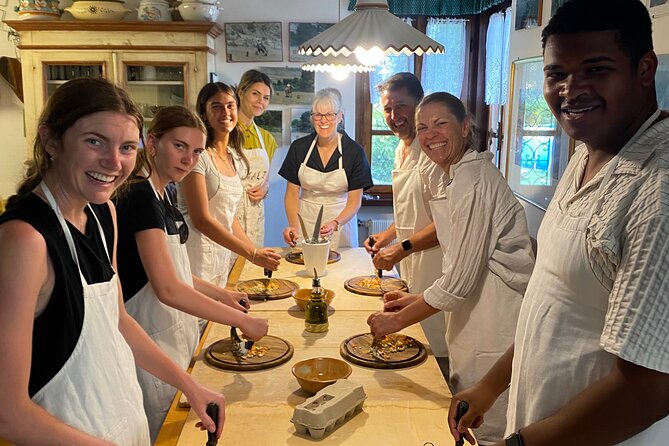
The class makes a point of using high quality, homemade ingredients. It also includes a few local touches that are more than marketing.
You cook with:
- Oil produced from their olive trees
- Vegetables grown in their garden
Why you should care: local ingredients often taste more “specific,” and that specificity matters when you’re learning. When you cook with olive oil that has a particular character, you start to notice how it changes the whole dish. And when you use garden vegetables, you learn what fresh tastes like in real sauces and starters.
You’ll also sip red wine produced by a local farmer while you savor what you cooked. That’s a small detail, but it keeps the meal grounded in place. It also makes the lesson feel like a shared table moment, not a workshop you leave hungry.
The setting: wildlife spotting and a slower pace
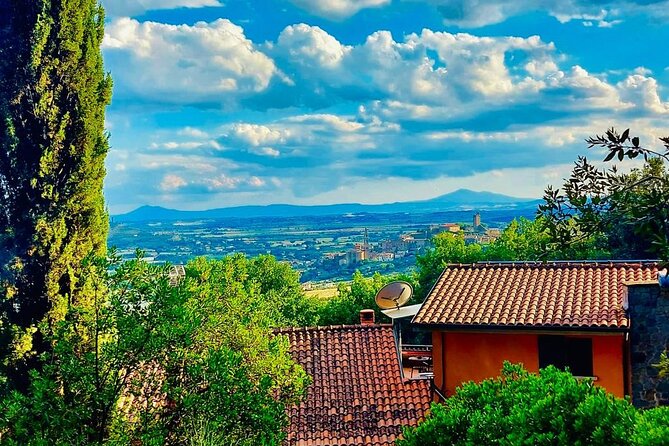
Part of the magic here is the location. You’ll be in a villa on a charming hill in Val di Chiana, and the woodland around it can bring wildlife sightings—squirrel, hares, and deer. Even if you don’t see all of them, the surroundings set a calm tone.
That calm is practical. When you’re learning pasta and sauce, the biggest enemy is stress. A peaceful, outdoor-adjacent atmosphere helps you stay focused on the dough and timing. It also makes the afternoon feel like it belongs in the Italian countryside, not like an activity tucked between other stops.
Why the price feels fair for what you get
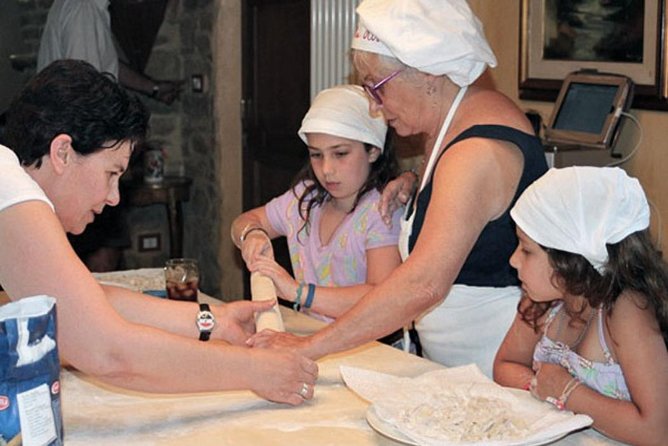
At about $161.41 per person, this isn’t a freebie. But it also isn’t a low-cost quick demo. You’re paying for a full, family-style meal, hands-on instruction, local ingredients, and a private setup where only your group participates.
The value shows up in the “teachable moments” you get:
- dough instruction you can use again later
- sauce work tied to a classic Tuscan main
- dessert technique with tiramisu
- and then a meal that includes everything you prepared
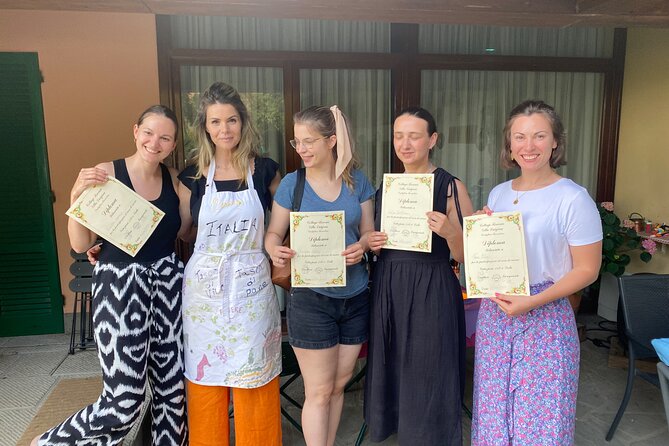
Add in the personal touches from the experience—like the certification ceremony feel and Chef Dandy sending lots of cute photos, plus recipes—and you get the impression that the class wants you to leave with memories and usable takeaways, not just a full stomach.
Timing, meeting point, and how to plan your day
You’ll start at:
Piazza Giuseppe Garibaldi, 52043 Castiglion Fiorentino AR, Italy
The activity ends back at the meeting point. It runs about 4 hours 30 minutes total, with the cooking portion lasting about 3 hours.
That timing is a great anchor for a half-day plan. I’d treat it like a lunch or early dinner event, depending on your schedule, since you’ll eat the dishes you make. If you’re bouncing around Tuscany, this is also a good choice because it gives you one structured experience with a clear start and end point.
If you’re coming by public transit, the class is listed as near public transportation. And it uses a mobile ticket, so you can keep things simple on your phone.
A few practical notes before you book
- If you have allergies or dietary restrictions, let the organizers know. The experience explicitly asks you to do that.
- It’s offered in English.
- It’s a private tour/activity, so only your group participates.
- Good weather is required, so you should keep an eye on forecasts.
- Service animals are allowed.
Also, since the class is outdoors-adjacent and weather matters, I recommend you avoid stacking this with another time-sensitive plan right before or right after.
Should you book the cooking class?
Book it if you want a Tuscany day that’s hands-on, relaxed, and built around a real meal. This is ideal for couples and small groups who like learning with their hands and enjoy the idea of making fresh pasta, ragù, and tiramisu in one sitting. The biggest selling points for your decision are the family-led pasta dough teaching and the way you get to eat what you cooked.
Skip it (or at least think twice) if your ideal Italy day is mostly sightseeing and you don’t want any kitchen work. Also, if weather is a big question in your travel window, keep backup plans in mind since this experience needs good weather.
FAQ
Where does the cooking class start?
It starts at Piazza Giuseppe Garibaldi, 52043 Castiglion Fiorentino AR, Italy.
How long is the experience?
The total activity is about 4 hours 30 minutes, and the cooking portion lasts about 3 hours.
Is this tour private?
Yes. It’s a private tour/activity, and only your group participates.
What language is the class offered in?
The experience is offered in English.
What dishes are included?
You’ll cook and then share:
- Tuscan bruschettas
- Pappardelle with wild boar sauce
- Tiramisu
Does the class use local ingredients?
Yes. The class includes oil produced from the host’s olive trees and vegetables grown in their garden, plus red wine from a local farmer.
Can you accommodate allergies or dietary restrictions?
Yes. You should let the organizers know about allergies or dietary restrictions when booking.
Is there a meal included?
Yes. You’ll savor the dishes you cook during the lesson and sip red wine while eating.
What happens if the weather is bad?
The experience requires good weather. If it’s canceled due to poor weather, you’ll be offered a different date or a full refund.
What is the cancellation policy?
You can cancel for a full refund up to 24 hours in advance of the experience start time. Cancellation cut-off is based on local time, and less than 24 hours doesn’t qualify for a refund.