REVIEW · AREZZO
Hands-On Cooking Class in an Exclusive Kitchen in Cortona
Book on Viator →Operated by Do it in Tuscany · Bookable on Viator
Cooking in Cortona feels like a real food day, not a show. This hands-on Tuscan cooking class lets you make a menu from scratch with a small group, then sit down to eat what you cooked—paired with local wine in a kitchen that’s kept intentionally intimate.
What I like most is that you’re not stuck watching. You prep, you roll, you shape, and you learn the logic behind dishes you’ll actually want to recreate. Second, the class is built around classic Tuscan technique—handmade pasta plus sauces, plus an antipasto course and a proper dessert like tiramisù or panna cotta. One thing to think about before you book: the setting can vary. Some sessions are described as villa-like at a private home, while others happen in a more professional kitchen inside Cortona, and that can affect the vibe.
In This Review
- Quick hits on this Cortona cooking class
- What makes this Tuscan class different from a typical workshop
- Price and value: what you’re really paying for
- The core menu: what you’ll cook, and what each dish teaches
- Starter: panzanella (and seasonal extras)
- Handmade pasta: pasta shapes and sauce logic
- Second course and a classic contorno
- Dessert: tiramisù or panna cotta
- What makes the menu work
- Step-by-step: how the 4-hour experience tends to unfold
- Getting there in Cortona: meeting point, pickup, and easy success
- The chef experience: names you may meet and the teaching style
- Wine with lunch: why it’s included and how to make it work for you
- Vegetarian and dietary needs: what to do before you arrive
- Small group energy: why max 10 people matters
- A reality check: the one drawback to plan around
- Should you book this Cortona cooking class?
- FAQ
- How long is the cooking class in Cortona?
- Where does the experience start?
- Is pickup available?
- What language is the class taught in?
- Is lunch included?
- Is wine included?
- What dishes are typically on the menu?
- Is there a vegetarian option?
- Do I need to provide dietary requirements ahead of time?
- Can I cancel for a full refund?
Quick hits on this Cortona cooking class
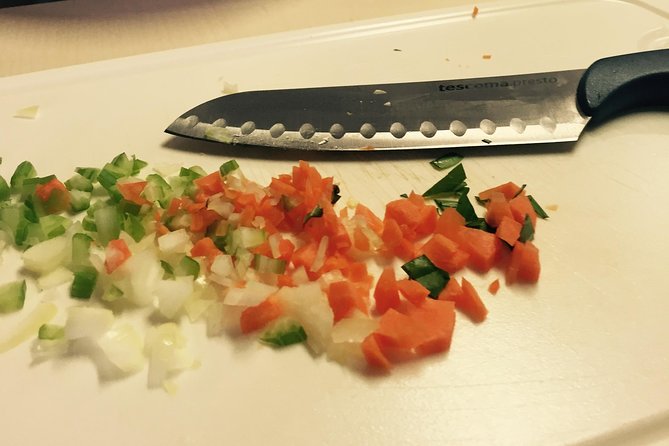
- Small group size (max 10) makes it easier to get hands-on coaching instead of working in the background
- Wine included with your meal, so the lunch feels like a proper Tuscan eating moment
- Menu building blocks: antipasto, handmade pasta with Tuscan sauces, a second dish/contorno, and dessert
- Vegetarian option available on request, including alternatives to match your menu
- Pickup is offered, but you’ll need to coordinate the exact meeting point
- English instruction is available, so you can follow both the cooking and the why behind the recipes
What makes this Tuscan class different from a typical workshop
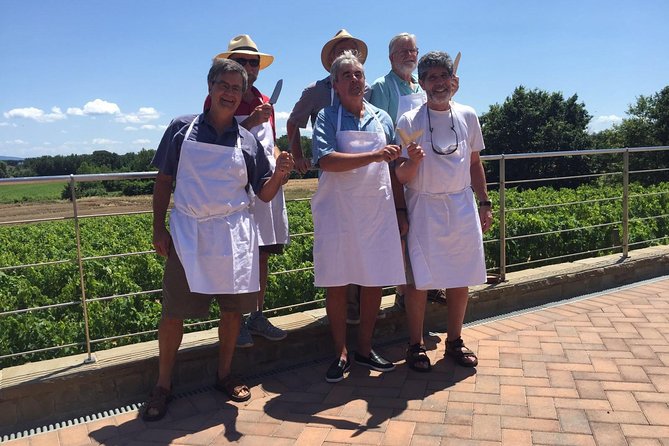
Cortona has a way of making food feel personal. This class leans into that by keeping the focus on doing, tasting, and learning in an actual working kitchen setting. You’re there for a full meal—starter, pasta, a second course/side, and dessert—so your time isn’t chopped into “tiny bites” and photos.
I also like that it’s not only about outcomes. The experience is described as interactive and chef-guided, with traditional techniques passed down through generations. In practice, that matters because you’re more likely to leave with usable steps—how to handle dough, how sauces are built, and how to finish dishes the Italian way.
The one caution: the word exclusive shows up in the marketing, but the physical location can be inconsistent. One review called out a commercial kitchen in town, while other classes sounded like a private home with views and an extra sense of occasion. If your top priority is a countryside villa setting, ask directly when you confirm.
You can also read our reviews of more tours and experiences in Arezzo.

Price and value: what you’re really paying for
At $217.22 per person for about 4 hours, this isn’t the cheapest option in Tuscany. But here’s how I’d judge the value: you’re paying for a chef-led hands-on session, lunch itself, and wine. You’re also capped at a maximum of 10 people, which usually means more personal attention and less waiting around.
In the reviews you’ll see both sides. Some people felt it was worth every euro because the chef taught step-by-step and the meal came out impressive. Others compared the price to classes they found for around $90 that combine cooking and wine, then felt the menu was simpler than expected for the money. That tells me the key variable isn’t the concept—it’s what menu you get and where your kitchen setup lands.
So my take: this class makes sense if you want a small-group cooking afternoon and you’re happy to pay for time, instruction, and a real lunch experience. If you’re chasing the lowest price, you can probably find cheaper workshops. If you want a more intimate day with wine and a full Tuscan menu, this sits in a more premium lane.
The core menu: what you’ll cook, and what each dish teaches
The flow is classic Tuscan lunch, built in courses rather than “station hopping.”
Starter: panzanella (and seasonal extras)
Your antipasto starter may be Panzanella or another seasonal dish. Panzanella is a great starting point because it teaches you how Tuscan cooking thinks about freshness: bread, tomatoes, herbs, and balance. Even if you’ve had it before, making it is different—this is where you learn how Italians season and adjust to taste rather than rely on a recipe card.
Handmade pasta: pasta shapes and sauce logic
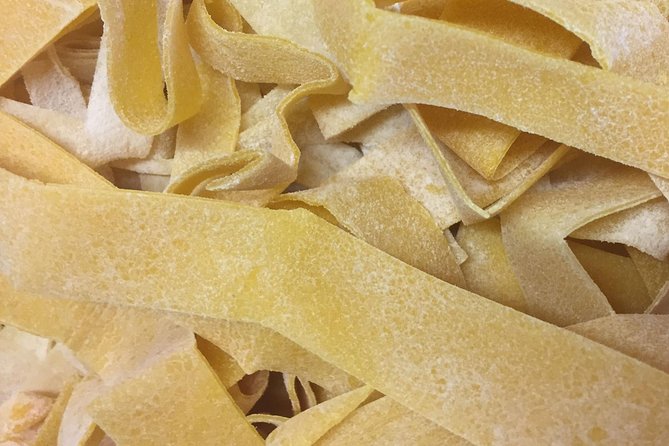
Next comes the hands-on pasta. The menu description includes handmade pasta paired with sauces such as Sugo all’Aglione della Valdichiana or Classic Ragù (and other seasonal sauces). This is one of the biggest values of the class: you’re not just boiling pasta; you’re learning how sauce direction and cooking time change the final taste.
One review mentioned learning tagliatelle with a tomato, bacon, and cream sauce—meaning you may get a menu that mixes tradition with chef preference. The practical win for you: you’ll leave with enough technique to swap ingredients later without getting lost.
Second course and a classic contorno
The class overview says you’ll make a second course and a classic contorno. The sample menu you might see includes dishes like Parmigiana di melanzane, which is a very “Tuscany-adjacent” comfort food: layered eggplant, sauce, and baked finish. If parmigiana is part of your lineup, it’s a useful recipe because it teaches assembly and baking rhythm—how to layer so it slices cleanly rather than collapses.
Dessert: tiramisù or panna cotta
For dessert, you’ll likely make Tiramisù or panna cotta. Both are excellent because they teach texture and timing. Tiramisù in particular is where people overthink it; in class, you can watch how the chef handles cream and layering so it holds up.
What makes the menu work
You’re getting a full meal arc. That matters because it trains your intuition: starter acidity or freshness, pasta richness, a heavier second course, then dessert sweetness. In a normal cooking class, you might learn one thing. Here, you learn multiple steps of a real lunch.
Step-by-step: how the 4-hour experience tends to unfold
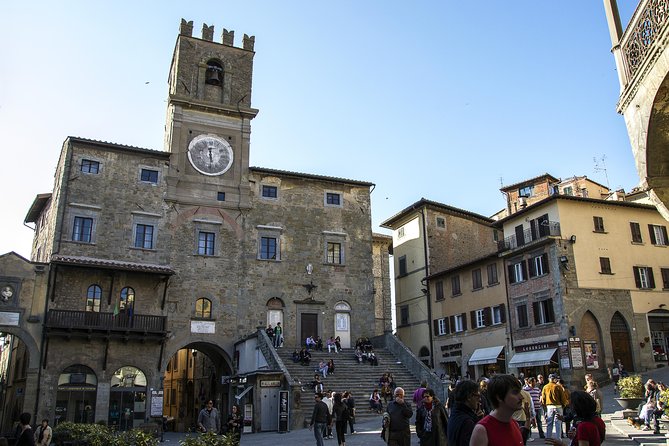
You’ll meet at Bar Caffè Signorelli, Via Nazionale, 1, 52044 Cortona AR, Italy. Pickup is offered, but you’re asked to reach out so the meeting point can be organized for your group.
From there, you’ll spend your time in the kitchen portion of the day cooking the full menu. The class is described as chef-guided, and reviews back that up with names like Chef Glenda and Chef Elena, both described as warm, patient, and hands-on.
A few timing notes based on the experience accounts you can learn from:
- The class is scheduled for about 4 hours.
- One review mentioned the session starting about 30 minutes late due to confusion, not necessarily bad instruction or bad food.
- If your day has a tight plan after lunch, I’d build in buffer time.
Finally, once everything is cooked, you eat the meal together with wine. That sitting-down part matters more than people think. It’s when the chef’s guidance becomes meaningful—you can taste what you just built, then ask quick questions while it’s still fresh.
Getting there in Cortona: meeting point, pickup, and easy success
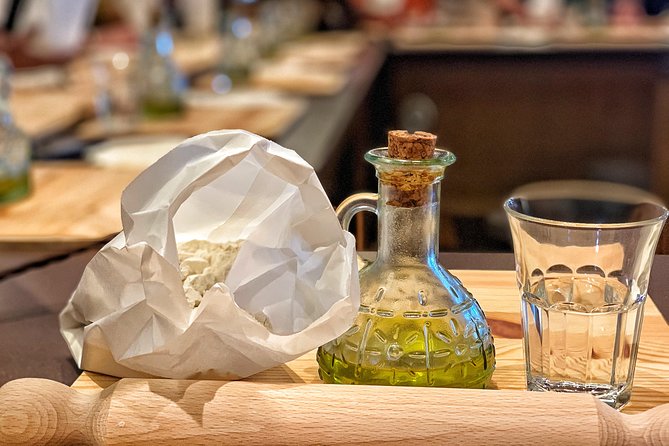
Cortona is walkable, but getting out to a kitchen (especially if it’s not right in the center) can be tricky. That’s why pickup is a big deal here—when it’s available and coordinated well.
If you’re using pickup:
- Confirm details in advance so you know where in Cortona you’re being collected.
- Reviews describe pickups inside Cortona with vehicles that then drive a short distance to the kitchen/home.
If you’re meeting on your own:
- Go to Bar Caffè Signorelli first.
- If the entrance looks a little normal for a cooking class, don’t worry. One review notes it may not look like a cooking venue from the outside—just wait at the door and follow the instructions you’re given.
Also helpful: the experience is near public transportation and you’ll receive a mobile ticket, which usually makes arrival smooth.
The chef experience: names you may meet and the teaching style
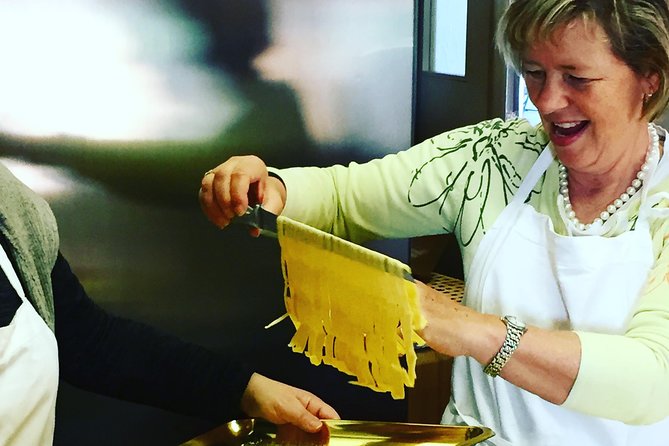
This class lives or dies on the chef. And in the reviews, chef personalities come through clearly.
- Chef Glenda: described as lovely and a highlight for many people, with step-by-step help and a friendly, family-like feeling.
- Chef Elena: described as fun, knowledgeable, and confident. One account mentioned using a grandmother’s pasta machine and picking herbs from the garden. Another mentioned wine from the family vineyard.
- Cristina / Christina / Christine: hosts described as warm, interactive, and focused on teaching you how to actually repeat recipes later.
What you should expect from a good session like this:
- You don’t just get a script. You do the work.
- The chef tells you what to look for—texture, doneness, and timing.
- You get recipe guidance to bring home.
Even if your menu is simpler than you expected (that can happen), a strong chef can still make the day feel valuable because you’ll learn technique, not just outcomes.
Wine with lunch: why it’s included and how to make it work for you
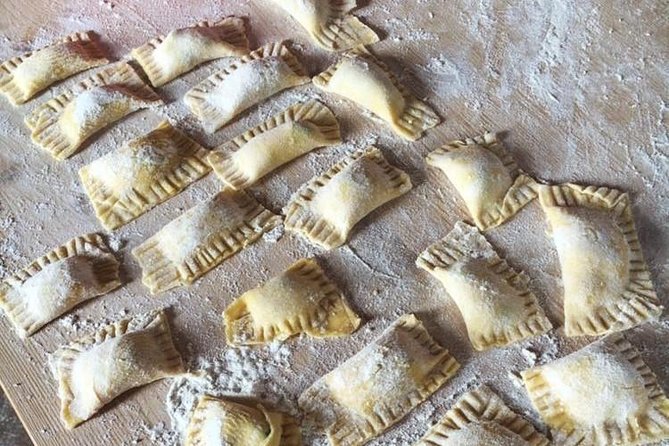
Local wine is included with your meal. That’s not just a bonus. It changes the experience in two practical ways:
- It pushes you to treat lunch like a real Italian meal with pacing.
- It gives context to how Italians think about food pairing, even if the exact pairing isn’t spelled out in the details.
If you don’t drink wine, you might still be able to enjoy the lunch. But since only “beverages” are listed as included, I’d message the operator with your preferences before you go, especially if you want no alcohol.
Vegetarian and dietary needs: what to do before you arrive
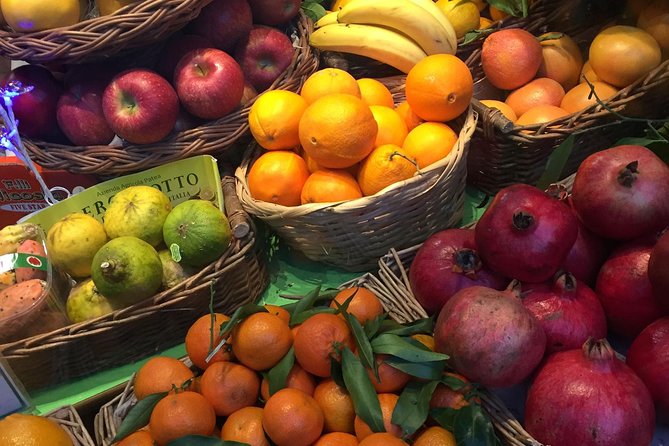
A vegetarian menu is available upon request. The best move for you is to specify dietary needs at booking so the chef can actually plan your courses.
The menu you may receive in a vegetarian version isn’t fully detailed here, but the class is structured by courses, so you should expect your starter, pasta, and dessert to be covered. If you have allergies or strict dietary limits, don’t assume it’s handled automatically—send those details in advance.
Small group energy: why max 10 people matters
A maximum of 10 travelers keeps this from feeling like assembly-line group tourism. With fewer people, you’re more likely to:
- get a real answer to a question while you’re working,
- switch from watching to doing without long waits,
- feel comfortable asking for help with technique.
This is also where the “family home” feeling shows up in positive reviews. When kitchens are small, the tone naturally becomes more personal—shared prep, shared lunch, and conversation while wine is poured.
A reality check: the one drawback to plan around
The biggest drawback you should plan around is expectation matching. Some sessions are described as happening in private home settings with strong “Tuscan views” energy. Others describe a commercial kitchen in town. If you booked hoping for a villa setting, confirm what’s included and where the kitchen will be for your date.
The second drawback is logistics confusion. A couple accounts mention meeting place confusion and one notes a later-than-expected start. That doesn’t mean the class is bad, but it does mean you should:
- arrive a few minutes early,
- double-check your exact meeting instructions,
- keep your next appointment flexible.
Should you book this Cortona cooking class?
Book it if:
- you want a hands-on Tuscan lunch experience with wine,
- you like classic Italian cooking (pasta, sauces, tiramisù),
- you’d enjoy a small-group format where you can learn technique and ask questions,
- you can adapt to either a private home setting or a professional kitchen as long as the cooking is chef-led.
Consider a different option if:
- you’re specifically chasing a countryside villa setting every time and that’s non-negotiable,
- you have a tight schedule and can’t handle a possible delayed start,
- you’re looking for the lowest price and don’t care as much about wine + full lunch + instruction.
If you book, send your dietary needs early, coordinate pickup details, and show up at Bar Caffè Signorelli on time. Do that, and you’ll have a strong chance of leaving with real cooking skills—and a menu you can actually repeat at home.
FAQ
How long is the cooking class in Cortona?
It runs for about 4 hours.
Where does the experience start?
The meeting point is Bar Caffè Signorelli, Via Nazionale, 1, 52044 Cortona AR, Italy.
Is pickup available?
Pickup is offered. You’ll need to reach out to organize the meeting point.
What language is the class taught in?
The class is offered in English.
Is lunch included?
Yes. The experience includes lunch.
Is wine included?
Yes. Local wine is included with the meal.
What dishes are typically on the menu?
The sample menu includes a starter such as panzanella or another seasonal dish, handmade pasta with sauces (like Sugo all’Aglione della Valdichiana or classic ragù), a second course such as parmigiana di melanzane, and dessert such as tiramisù or panna cotta.
Is there a vegetarian option?
Yes. A vegetarian menu is available if you request it at booking.
Do I need to provide dietary requirements ahead of time?
Yes. You should advise any specific dietary requirements at the time of booking.
Can I cancel for a full refund?
You can cancel up to 24 hours in advance for a full refund. If you cancel less than 24 hours before the start time, the amount paid isn’t refunded.