REVIEW · AREZZO
Tuscan Cooking Class of Homemade Pastas and Cantucci Cookies
Book on Viator →Operated by Ristorante La Pecora Bianca @ Podere Spedalone · Bookable on Viator
A pasta lesson with a view sets the tone. At Podere Spedalone near Pienza, you get hands-on homemade pasta and a farm-to-table lunch with Val d’Orcia scenery in the background. One catch: there’s no gluten-free option, so this isn’t the class for wheat-sensitive diets.
This is a small-group setup, with max 20 travelers, taught in English. You’ll roll dough, shape classic Tuscan pasta, and learn the nuts-and-butter secrets of cantucci, then sit down to eat what you made.
In This Review
- Key Highlights You’ll Actually Care About
- A Tuscan Cooking Class Built on Farm Ingredients
- Inside Podere Spedalone: Your Small-Group Cooking Base
- Rolling Dough: Handmade Tuscan Pasta You Actually Shape
- Sauce Choices: Tomato or Meat, and Why It Matters
- Cantucci Secrets: Italian Cookies With a Serious Crunch
- Lunch With Val d’Orcia Views: What You’ll Eat After You Cook
- Drinks and Budget: How Alcohol Sales Affect Your Total Cost
- Price and Value: Is $153.69 Worth It?
- Who Should Book This Class (and Who Should Skip It)
- How to Prepare So You Enjoy Every Minute
- Should You Book This Tuscan Pasta and Cantucci Class?
- FAQ
- How long is the Tuscan Cooking Class?
- What food do I make during the class?
- Is lunch included?
- Are wine or beer included?
- Is there a gluten-free option?
- How big is the group and what language is it in?
Key Highlights You’ll Actually Care About
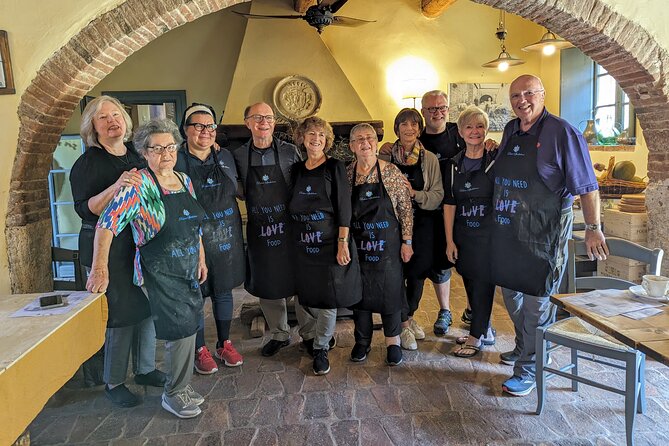
- Handmade from start to finish: pasta, bread, and desserts are made by hand on site.
- Real farm-to-table ingredients: organic garden herbs and seasonal produce drive the flavor.
- Two pasta courses at lunch: you’ll eat the pasta you help make with two different sauces.
- Cantucci training included: the cookie-making lesson ends in a dessert you produced.
- Val d’Orcia dining option: lunch may be outside or inside, depending on weather.
- Alcohol is optional and separate: wine/beer/soda are for sale, not included.
A Tuscan Cooking Class Built on Farm Ingredients
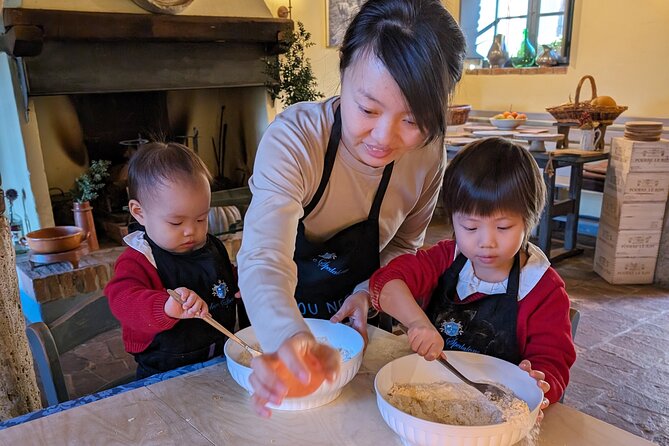
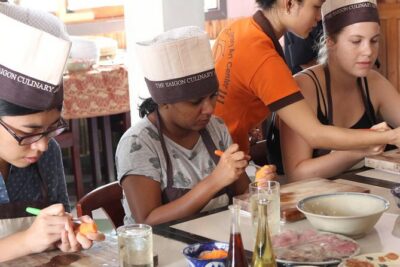
If you’ve ever wondered why some Tuscany meals taste like they came straight from a family recipe book, this class is the reason. Podere Spedalone is set up around farm produce and hands-on cooking, not a rushed demo where you just watch and hope.
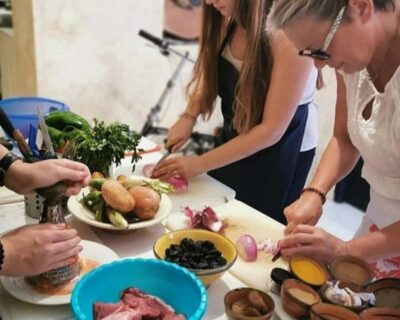
What I like most is the focus on seasonal, farm-grown flavors. The garden herbs, vegetables, and fruit aren’t a garnish idea. They’re part of the cooking rhythm. The second thing I like is that you aren’t limited to one dish. You’ll make pasta, learn cantucci, then you eat a meal built from your work.
The practical consideration is simple: this is not a gluten-free-friendly class. If you need to avoid gluten, you’ll want to skip this one and look for a different format.
You can also read our reviews of more tours and experiences in Arezzo.
Inside Podere Spedalone: Your Small-Group Cooking Base
This experience runs from the Agriturismo Podere Spedalone area (Strada per Cosona, SP71, 53026 Pienza SI, Italy). The start time is 10:30am, and the whole thing lasts about 2 hours 30 minutes, which is a nice chunk of time without swallowing your whole day.
The group stays capped at 20 people, which matters more than you’d think. Smaller groups mean less waiting, fewer bottlenecks at the workstations, and more time to get guidance as your hands learn the dough. It’s also offered in English, so you should be able to follow the process without playing food-translation charades.
You’ll also be joining a real restaurant environment: Ristorante La Pecora Bianca at Podere Spedalone. In other words, this isn’t a craft class that pretends it’s dinner. You end up with a proper seated lunch made from the lesson.
Rolling Dough: Handmade Tuscan Pasta You Actually Shape
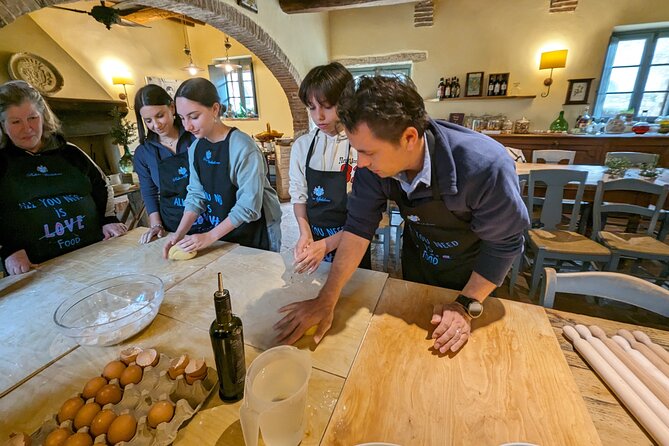
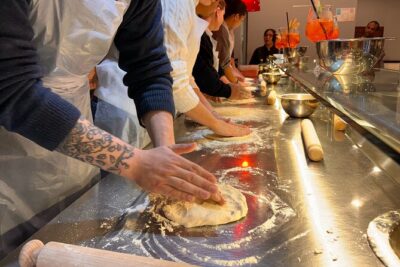
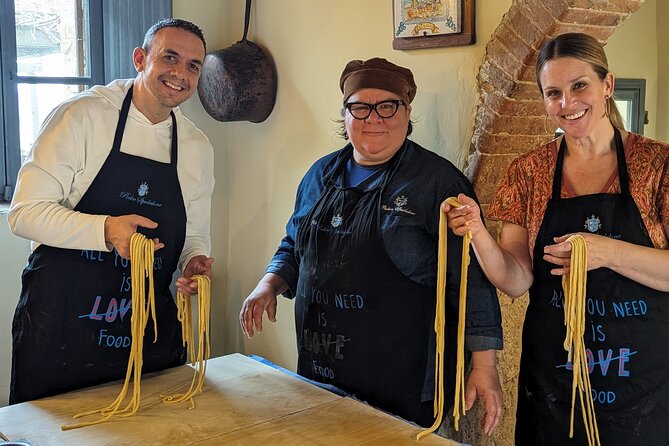
The core of the lesson is learning typical Tuscan recipes with a chef guiding you step-by-step. You start by making two kinds of pasta typical to the area, and the emphasis is on doing it by hand.
The class then moves into the famous shapes—tagliatelle or pappardelle—made with the same hand-rolled pasta dough. That detail is key. You’re not just learning a cut shape. You’re learning the mindset behind it: roll, portion, and shape so the sauce clings the way it should.
This kind of cooking is valuable for two reasons. First, you’ll understand what changes the texture. Too thick or too thin changes the way sauce coats the pasta. Second, you leave with a repeatable skill. Even if you never make it exactly like the Tuscan grandmothers who inspired the recipes, you’ll be able to recreate the experience at home with confidence.
Sauce Choices: Tomato or Meat, and Why It Matters
After the dough work comes the flavor work. Your pasta gets paired with sauces that come from the gourmet kitchen. You’ll have two different sauces as part of your lunch, so you can compare how sauce style interacts with pasta shape.
You’ll see tomato-based preparation and a meat sauce option. This is a classic Tuscany split: lighter, brighter tomato notes versus deeper savory richness. Having both is a smart way to learn because you can taste how each sauce affects mouthfeel and balance.
One practical tip: if you’re the type who tends to eat quickly on tours, slow down for the sauce comparison at lunch. The best takeaway here isn’t just the recipe names—it’s learning which sauce you’d want with which pasta style next time.
Cantucci Secrets: Italian Cookies With a Serious Crunch
Then comes the part many people remember even after the pasta is gone: cantucci. These are Italian almond cookies, and the class teaches the secrets behind them—meaning you’re not just handed a tray. You learn the logic of the dough, shaping, and the baking approach that creates that signature bite.
Cantucci is also a good Tuscany “bridge” recipe. It’s not a fancy plating moment. It’s comfort food with technique. If you want something you can bring back into your own kitchen life, cookies are often the easiest win—especially after a hands-on cooking class.
And since you’ll enjoy cantucci as dessert, you’ll taste the result right away. That’s how cooking lessons should work: make it, then eat it while the method is still fresh.
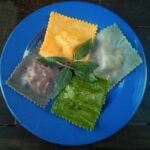
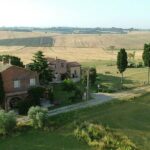
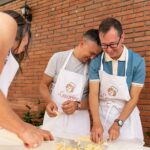
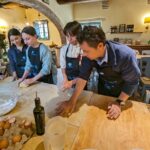
Lunch With Val d’Orcia Views: What You’ll Eat After You Cook
This class doesn’t end with a “chef said so” takeaway. It ends with lunch of what you’ve made.
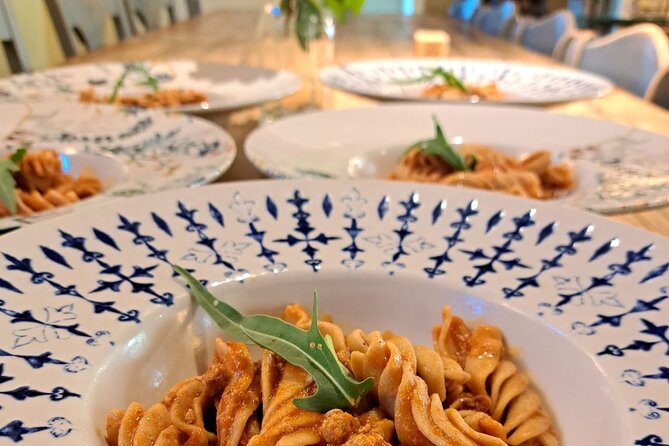
You’ll enjoy a meal built around two pasta courses—both made from the pasta you help prepare—each served with a different sauce. Dessert is cantucci you created.
Bottled drinks aren’t the focus here. Filtered water is included, and you’ll drink it like a normal adult, not like a souvenir hoarder. If you want alcohol, it’s available for sale separately: wine, beer, and soda.
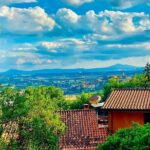
One of the coolest details is where lunch happens. When weather is appropriate, you can eat outside overlooking Val d’Orcia. If not, you’ll dine in a historical dining room. Either way, you’re sitting down with the meal, not standing around holding a plate.
Drinks and Budget: How Alcohol Sales Affect Your Total Cost
The base experience price covers the class and your lunch, but alcohol isn’t included. Local soda is listed at €4, local beers at €6, and local wine starting at €30 and up. In other words: if you plan to drink, budget for it early.
Age restrictions apply for alcohol sales, following local laws. So if you’re traveling with mixed ages in your group, plan on non-alcohol options being straightforward and alcohol being a separate choice.
This is mostly a budgeting issue, not a dealbreaker. The bigger value point is that you’re paying for instruction plus food. Drinks are an add-on, not part of the core value.
Price and Value: Is $153.69 Worth It?
At $153.69 per person, you’re paying for a few things that often cost separately in Italy: professional guidance, hands-on ingredient work, and a full meal you actually eat. The lesson runs about 2.5 hours, so it’s not one of those half-hour “cooking theatre” stops.
What makes the value feel real here is the structure. You’re not just learning recipes as information. You’re working the dough, shaping pasta, and then receiving lunch that uses your results. On top of that, the environment is tied to the farm: ingredients come from the organic garden and nearby farms, and everything is described as handmade on site.
If you like food experiences with a practical outcome—something you can repeat later—this price starts to make sense fast. If you mainly want a scenic afternoon and aren’t interested in learning methods, you might find the cooking part more time than you needed.
Who Should Book This Class (and Who Should Skip It)
This class is a strong fit for:
- Food lovers who want hands-on skill, not just a tasting.
- People who like Tuscany meals that feel simple but deliberate.
- Travelers who enjoy eating what they make, right in the same setting.
It’s less ideal for:
- Anyone who needs a gluten-free option (none is available).
- People who can’t manage an active 2.5-hour food session.
If you’re traveling with family, it can work well depending on ages and attention span, but the class includes active prep and sitting down for lunch afterward. For very young kids, you might want to consider whether they’ll enjoy the process as much as the eating.
Also, since service animals are allowed, that’s a plus for travelers who need that support.
How to Prepare So You Enjoy Every Minute
You’ll get the most out of the class if you treat it like a workshop, not a casual stroll. Wear comfortable shoes—there’s pasta work and likely some standing around. Bring a mindset that says you’ll learn by doing, even if your first attempt isn’t museum-grade.
Since no gluten-free option exists, plan your meal strategy accordingly before you arrive. If wheat is an issue for you, you should treat this as a no-go and look for a different cooking offering.
Language is English, and you’ll get chef guidance through the process. Still, if you’re the type who likes to understand the “why” behind technique, pay attention to what the chef says about dough thickness and shaping, because that’s the difference between chewy and perfect.
Finally, if you care about dining outdoors, check the day’s weather before you get your hopes set on an open-air lunch. The plan can shift between outside and the historical dining room depending on conditions.
Should You Book This Tuscan Pasta and Cantucci Class?
Book it if you want a Tuscany food experience with real technique, real farm ingredients, and a full lunch that rewards your effort. The combination of handmade pasta training, cantucci cookie secrets, and a sit-down meal—often with views over Val d’Orcia—makes this feel like more than a paid activity.
Skip it if you need gluten-free cooking, because there’s no option listed. Also skip if you hate hands-on work and prefer pure sightseeing with no time at a worktable.
If your goal is to leave with skills you can use again, plus a meal that tastes like it was built from fresh, seasonal ingredients, this is a very reasonable use of a morning in the Pienza–Val d’Orcia area.
FAQ
How long is the Tuscan Cooking Class?
It’s about 2 hours 30 minutes.
What food do I make during the class?
You’ll make typical Tuscan recipes, starting with two kinds of pasta, then learning tagliatelle or pappardelle, and finally making cantucci cookies.
Is lunch included?
Yes. Lunch includes the two pasta courses made during the class (with two different sauces) plus the cantucci you created for dessert. Filtered water is included.
Are wine or beer included?
No. Wine, beer, and soda are sold separately on site, with prices listed for local soda (€4), local beer (€6), and wine starting at €30 and up. Alcohol sales follow local age laws.
Is there a gluten-free option?
No gluten-free option is available.
How big is the group and what language is it in?
The class is limited to a maximum of 20 travelers and is offered in English.