REVIEW · LISBON
Lisbon: Portuguese street food cooking class with Drinks
Book on GetYourGuide →Operated by Compadre Cooking School · Bookable on GetYourGuide
Some snacks tell stories you can taste.
This 2-hour Lisbon class is a practical way to learn Portuguese street food in a real kitchen setup, not just watch from the sidelines. I especially love that you’ll make Bifana and Caldo verde with guided cooking stations, and that the chef connects the food to the culture behind it. One thing to keep in mind: if you prefer a more lecture-style lesson, one participant noted an instructor approach that felt very hands-on rather than purely explanatory.
You’ll meet at the Compadre Cooking School kitchen and cook with an English-speaking team, which can include instructors like Marta and Anna (and Roy shows up as well, depending on the session). You’ll also leave with a built-in food payoff: you sit down together to eat what you cooked, then toast with a glass of wine and finish with Ginja, the cherry liqueur.
In This Review
- Key things that make this cooking class worth your time
- Meet at Compadre and get cooking fast
- What you’ll cook: Bifana, Caldo verde, and peixinhos da horta
- Bifana: the pork sandwich you’ll want to repeat
- Caldo verde: collard greens soup, made approachable
- Peixinhos da horta: the origin story behind tempura
- The history bits that make the recipes stick
- Chef guidance and how the group work actually feels
- The meal: eat what you made, together
- Drinks included: wine and Ginja to close the loop
- Who this class is best for (and who should skip)
- Price and value: what $55 buys you in Lisbon
- Practical tips to get the most from your session
- Should you book this cooking class?
- FAQ
- How long is the Lisbon street food cooking class with drinks?
- Where does the class meet?
- Is the class taught in English?
- Do I need prior cooking experience?
- What dishes will I learn to prepare?
- Are drinks included?
- Can the class adapt recipes for dietary needs?
Key things that make this cooking class worth your time
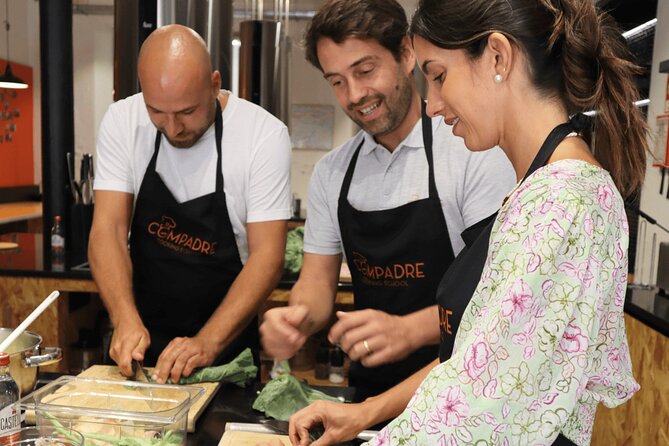
- Three iconic dishes in one session: Bifana, Caldo verde, and peixinhos da horta (the one that inspired tempura).
- Chef-led, station-based cooking where you’re working side by side with your group from start to finish.
- Culture in plain language, with short stories about where these dishes came from and why they matter day to day.
- Wine plus Ginja included, so the experience ends like dinner, not like a workshop.
- A clean, modern school kitchen that feels organized and comfortable for real cooking.
Meet at Compadre and get cooking fast
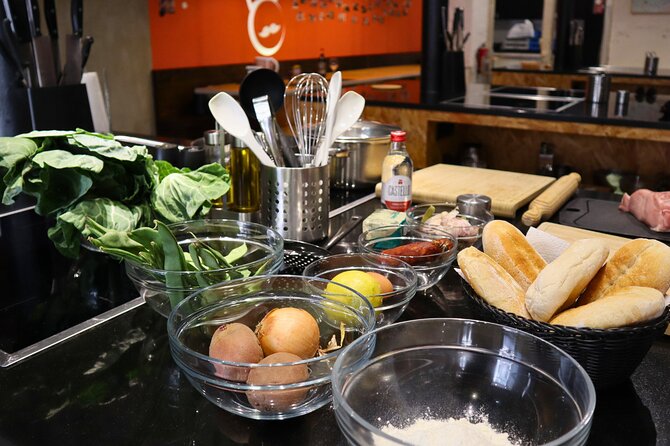
The experience starts at the Compadre Cooking School kitchen, which is a straightforward setup: you arrive, get oriented, and then you get moving. Because the whole class runs about 2 hours, you’ll want to show up ready to work. The guidance is to arrive roughly 5 minutes early so you can settle in without stress.
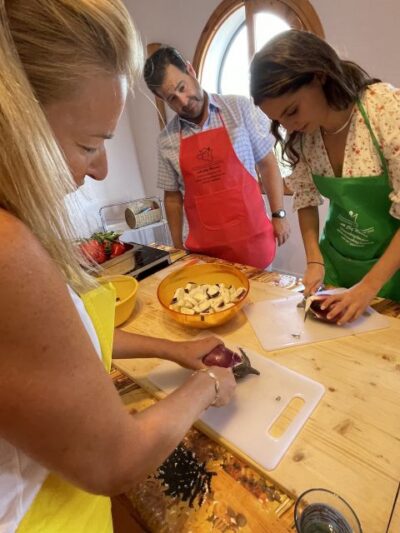
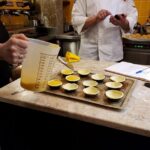
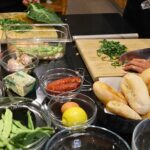
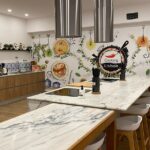
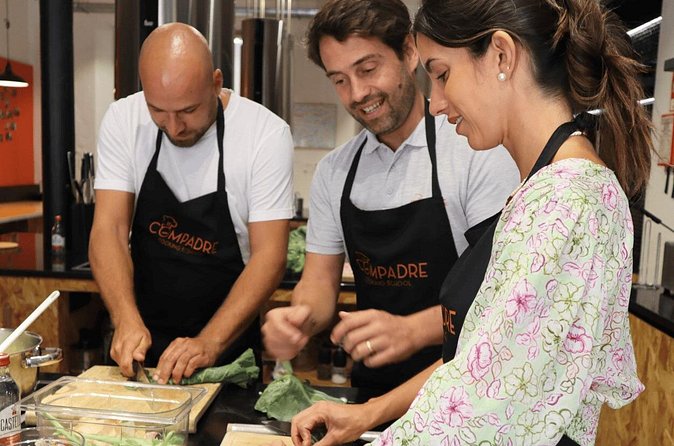
The kitchen experience matters more than people think. Clean stations, clear workflow, and spaced-out prep areas help you stay focused and not feel like you’re constantly stepping around other people. That shows up in the vibe of the class: you’re there to cook, eat, and learn, not to squeeze into a tiny space.
You can also read our reviews of more tours and experiences in Lisbon.
What you’ll cook: Bifana, Caldo verde, and peixinhos da horta
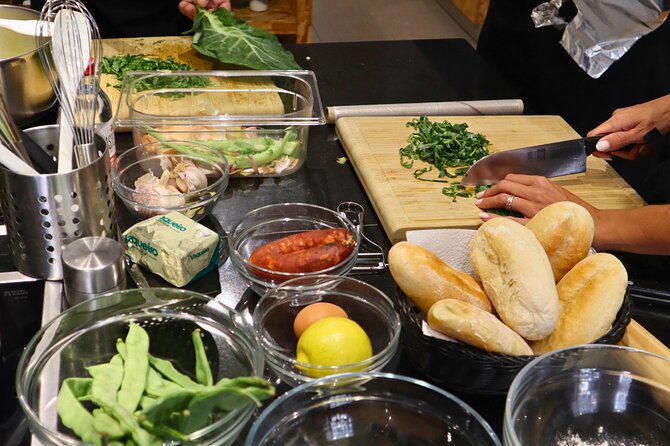
This class is built around three foods that Portuguese people recognize as everyday comfort. That’s the big advantage: you’re not spending your limited time chasing obscure ingredients or complicated techniques.
Bifana: the pork sandwich you’ll want to repeat
The Bifana is famous for a reason: it’s portable, flavorful, and designed for street-food eating. Here, you learn the basics of putting one together in a way that feels authentically Portuguese rather than generic “pork sandwich” cooking.
What makes this practical for you is that it’s scalable. Once you understand the workflow, it’s easier to reproduce at home—especially if you’re cooking for friends and want one main dish that doesn’t require perfect timing like a steak dinner.
Caldo verde: collard greens soup, made approachable
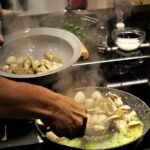
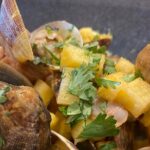
Caldo verde is both simple and deeply satisfying. You’ll learn how to make it as a classic Portuguese soup, using the familiar collard greens base that defines the dish.
A big value here is clarity. The class is designed for people with no prior cooking experience, so you’re not expected to already know knife skills, soup texture tricks, or seasoning judgment. You’ll get that “do this, then this” guidance while you’re still learning.
And yes, this is the dish people often remember most because it lands like comfort food. If you like soups that taste like they’ve been simmering forever, this one fits that mood without being complicated in class.
Peixinhos da horta: the origin story behind tempura
Peixinhos da horta is a highlight because it’s not just food trivia. It’s a real ingredient-led dish that helps you understand how certain frying styles travel and transform.
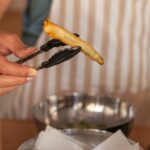
You’ll learn the dish described as the original peixinhos da horta, the one credited with inspiring the world-famous tempura. So you’re cooking more than dinner—you’re cooking a link between cuisines. That’s the kind of food context that makes your meal feel more meaningful when you eat it.

The history bits that make the recipes stick
One of the strongest parts of this class is that it isn’t only about technique. You get short storytelling moments about the origins of these dishes and their place in Portuguese daily life.
This matters because history is a memory tool. When you know why a dish exists—how it became street-food comfort, how people ate it, how it traveled—you’re more likely to remember the key choices: what goes in, what matters most, and what you shouldn’t overthink.
You’ll hear these stories early, so they frame what you’re doing while you cook. That way, the class feels less like random steps and more like a guided path.
Chef guidance and how the group work actually feels
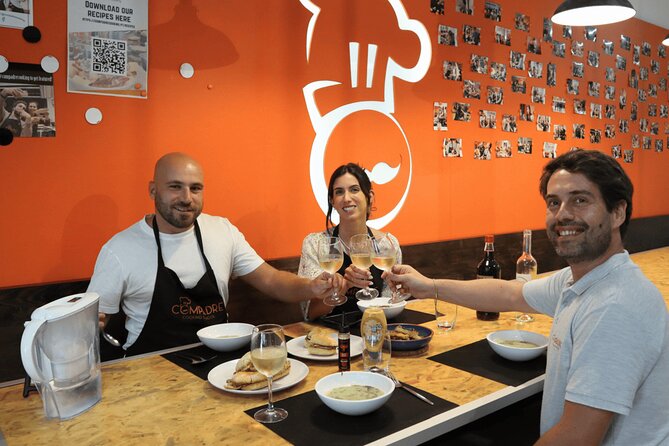
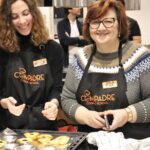
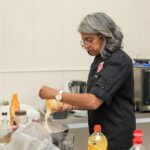
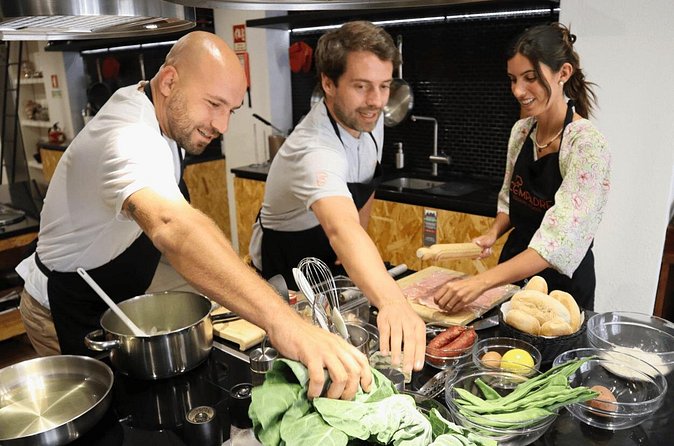
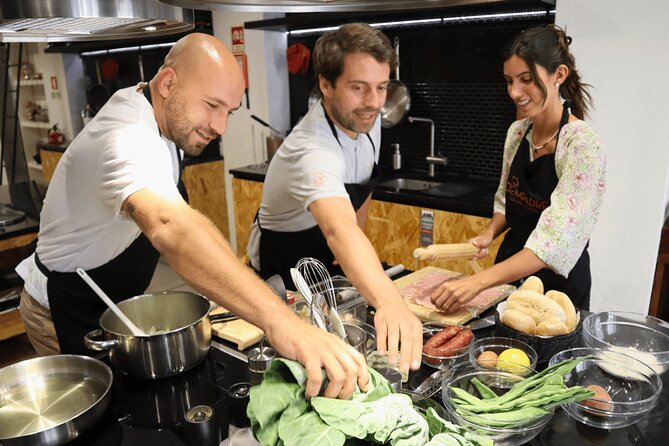
The format is hands-on and social, and it’s structured so everyone can participate. You work side by side with fellow participants at cooking stations, guided by the chef.
From the feedback pattern, the biggest win is that the instructors keep things clear and friendly. People also mention an atmosphere that feels welcoming right from arrival. There’s also praise for professional, organized work areas, which makes it easier to focus on cooking instead of managing the chaos.
Still, a small caution: one person noted that Anna’s approach felt more hands-on than teaching-focused. That doesn’t mean the class is chaotic—it just means if you personally prefer more explanation over constant direction, you might want to ask for clarification if something feels rushed.
The meal: eat what you made, together
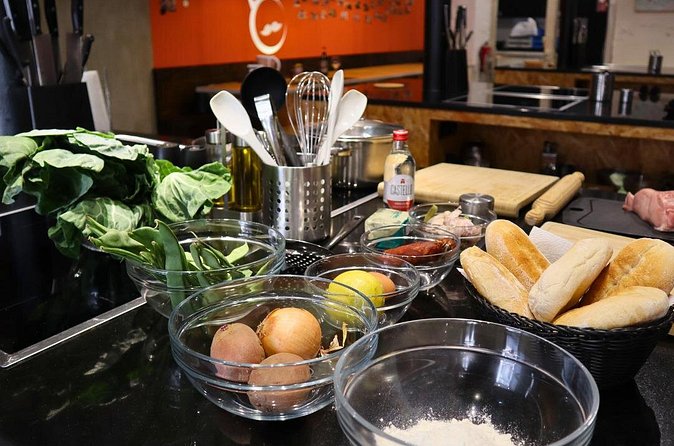
After cooking, you gather around the table and eat the dishes you prepared. This is a key part of why the experience works. A lot of cooking classes end with a plate that’s more like a snack. Here, the shared meal is part of the event rhythm—so it feels like you’re having an actual Portuguese dinner, not doing a demo.
This is also where the social value shows up. You’re cooking with other people during the session, so when you sit down, conversations come naturally. It’s a simple way to meet fellow food lovers without forcing small talk.
Drinks included: wine and Ginja to close the loop
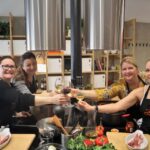
You’re served a glass of wine—red or white—and the experience finishes with Ginja, Portuguese cherry liqueur.
This matters for two reasons. First, it turns the end of class into a real celebration, which makes the learning feel rewarding. Second, tasting Ginja right after you cook gives you that full-circle moment: you’re eating and drinking like locals do at the kinds of snack-bar and festival food settings the class aims to reflect.
If you’re a light drinker, you’ll still get the main experience because wine and Ginja are part of what’s included. If you’re not into liqueurs, I’d treat Ginja as a sample you can taste and then decide how strongly you want the flavor profile at home.
Who this class is best for (and who should skip)
This class is a great fit if:
- you want hands-on Portuguese street food that you can actually remake later
- you like learning the story behind what you eat, not just the recipe card
- you’re traveling solo or as a small group and want a social meal without a long evening commitment
It’s also well-suited if you have no cooking background. The design is specifically meant for that, and the pacing supports participation.
It may be less suitable if:
- you use a wheelchair, since it’s noted as not suitable for wheelchair users
- you strongly prefer a more lecture-driven class rather than a working-stations format
Price and value: what $55 buys you in Lisbon
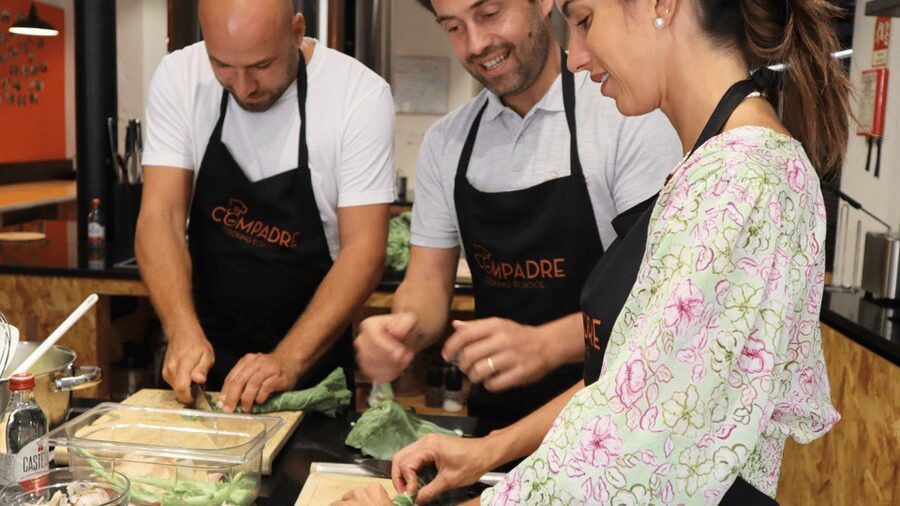
At $55 per person for a 2-hour session, you’re not just paying for instruction. You’re paying for ingredients, chef guidance, and the meal portion—including wine and Ginja.
That’s why the value feels fair. In practice, you’re getting:
- a structured cooking lesson with real participation
- three dishes prepared in one session
- a group meal that uses your finished food
- drinks that match the Portuguese snack-food vibe
If you’re already planning to eat out in Lisbon anyway, this is one of those experiences where the money doesn’t vanish into one dinner bill. It turns into a skill you can repeat, plus a story-rich meal you can remember.
Practical tips to get the most from your session
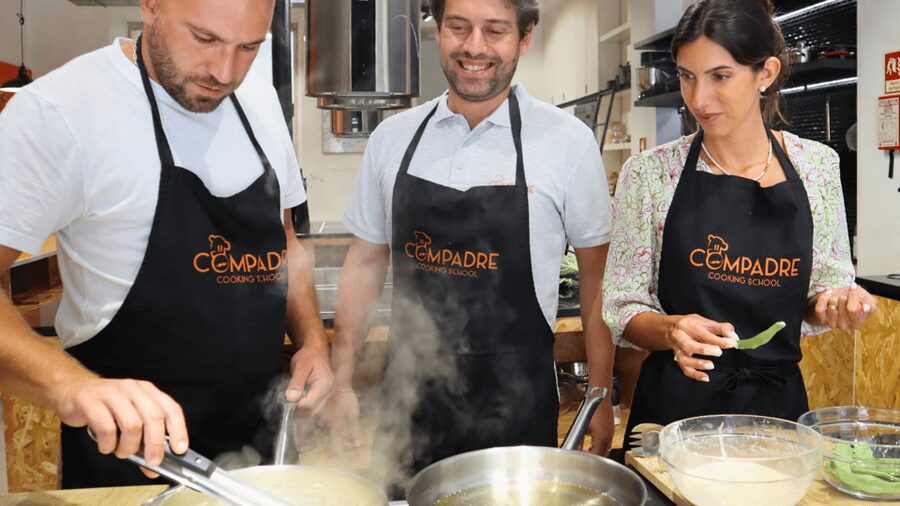
A few small choices help you enjoy the class more:
- Wear comfortable clothing and shoes suitable for cooking. You’ll be standing and working.
- If you’re hoping to work through every dish step confidently, show up on time so you don’t feel rushed when cooking starts.
- If you have a dietary need, you’ll want to contact the organizers in advance so they can adapt the recipes. It’s explicitly offered, but you’ll need to plan ahead.
Also, follow the rules: smoking is not allowed, and the session includes an alcohol policy. You’ll be served the included wine, so just don’t plan on adding your own drinks.
Should you book this cooking class?
I’d book it if you want a short, high-reward cooking experience in Lisbon: real Portuguese street-food classics, guided hands-on work, and a meal with wine and Ginja that feels like dinner, not homework. It’s especially strong if you’re the type who learns best by doing.
Skip it if you need wheelchair accessibility, or if you want mostly explanation and fewer active instructions. And if you’re not interested in cooking at all, you’ll probably get more value from a food tour that focuses on tasting only.
If you fit the sweet spot, this is one of those rare activities where the “what” (Bifana, Caldo verde, peixinhos da horta) and the “why” (the stories behind them) land together in a way that’s fun, practical, and genuinely memorable.
FAQ
How long is the Lisbon street food cooking class with drinks?
It lasts 2 hours.
Where does the class meet?
The meeting point is the Compadre Cooking School kitchen.
Is the class taught in English?
Yes. The instructor speaks English.
Do I need prior cooking experience?
No. It’s designed with no prior cooking experience needed.
What dishes will I learn to prepare?
You’ll learn classic street foods including Bifana, Caldo verde, and peixinhos da horta.
Are drinks included?
Yes. You’ll get a glass of wine (red or white) and a taste of Ginja.
Can the class adapt recipes for dietary needs?
Yes. If you have a specific diet, you can contact the organizers so they can adapt the recipes.