REVIEW · LISBON
Portuguese ‘Petiscos’ Cooking Class
Book on Viator →Operated by Homecooking Lisbon · Bookable on Viator
If you like Lisbon food, start here. This small-group Portuguese petiscos class turns the usual restaurant browsing into hands-on cooking, with up to five seasonal bites including Caldo Verde in about three hours. I love that it’s beginner-friendly, so you can actually focus on learning instead of panicking with a knife. I also love that it comes with Portuguese wine/beer and other drinks, so the snacky vibe matches the food. The one possible drawback: the menu is seasonal and portion-focused, so if you want a big, plated “main meal” day, you may feel a bit hungry after, not stuffed.
You’ll join a limited group (listed as capped at 10, with many sessions kept even smaller), work at stations, and then sit down to share what you made. In the same class, you’ll hear the story behind the dishes and get practical technique tips from instructors such as Miguel and Pedro, who are praised for being patient and thorough. One more thing to consider: you’ll likely leave with recipes you can use at home, but a few people noted the content is available online rather than as a printed cookbook.
In This Review
- Key Things That Make This Petiscos Class Worth Your Time
- Petiscos 101: What You’ll Actually Cook in Lisbon
- Meeting in Lisbon: Finding R. Aliança Operária and Getting Comfortable
- The Kitchen Setup: Small Stations, Big Table Energy
- The Petiscos Menu Flow: Up to Five Seasonal Bites
- If your class includes Caldo Verde
- If your class includes bacalhau dishes
- If your class includes egg and sausage dishes
- If your class includes flambé or chorizo
- Some seasonal surprises (from past classes)
- Wine, Beer, Coffee, and the Petiscos Pace
- Sharing What You Cook: The Big Table Moment
- Price and Value: Is $102.12 Worth It?
- Who This Petiscos Class Is Best For
- Quick Tips Before You Go
- Should You Book This Portuguese Petiscos Cooking Class?
- FAQ
- How long is the Portuguese Petiscos cooking class?
- How many people are in the class?
- Do I need cooking experience?
- What dishes will we cook?
- What’s included to eat and drink?
- Is the class offered in English?
- Can I cancel for a full refund?
Key Things That Make This Petiscos Class Worth Your Time
- Up to five petiscos, including Caldo Verde, taught step by step for non-experts
- Small groups (maximum 10), which means real face time with the chef instead of watching from afar
- Food-and-drink rhythm: snacks, Portuguese wine/beer, and coffee/tea built into the 3-hour flow
- Stations in a real kitchen, praised for being spotless and set up for participants to cook together
- Recipes after class, so you can repeat the dishes at home (often via online access)
Petiscos 101: What You’ll Actually Cook in Lisbon
Let’s start with the idea of petiscos. Think Portuguese small bites designed for sharing. They’re the kind of food you order with friends, snack through while you chat, and use as an excuse to try more than one thing.
This class is built around that concept. You’re not doing one complicated entrée and calling it a day. You’re learning the basics of Portuguese gastronomy by making up to five petiscos during a session that runs about 3 hours. Caldo Verde is the anchor dish in the experience, and then you add other favorites from the seasonal menu.
A big reason this works for beginners: the class is hands-on, but it’s guided. You’ll be taught what you’re doing and why you’re doing it, not just told to follow a worksheet. If you’ve ever watched cooking videos and thought, I could do that, this is the version where someone corrects your technique before it goes sideways.
You can also read our reviews of more tours and experiences in Lisbon.



Meeting in Lisbon: Finding R. Aliança Operária and Getting Comfortable

The meeting point is R. Aliança Operária 54, 1300-049 Lisboa. It’s noted as being near public transportation, which matters in Lisbon because you don’t want your evening start to depend on a long walk across hills while you’re hungry.
You’ll have a mobile ticket, and confirmation is handled after booking in most cases. In real terms, this usually means you can focus on arriving on time and not spending mental energy on logistics.
Plan to arrive a little early if you can. The class is short enough that your first minutes matter. Once you’re in the kitchen, you’ll settle into stations and start learning right away.
The Kitchen Setup: Small Stations, Big Table Energy
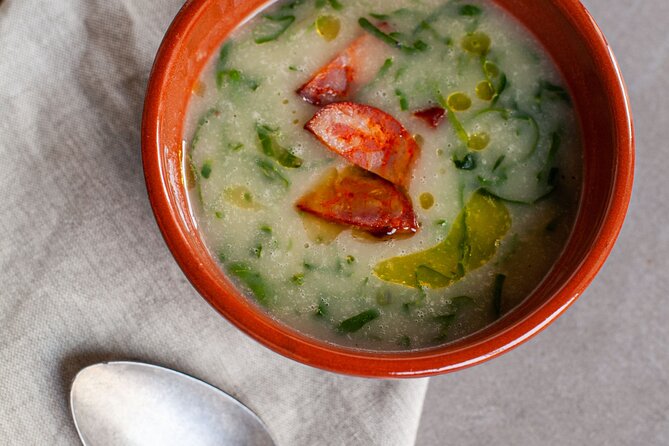
This experience is capped at a small number of people (maximum 10, and the highlight notes limited to 8). That’s not just a comfort perk. It affects how the whole class feels.
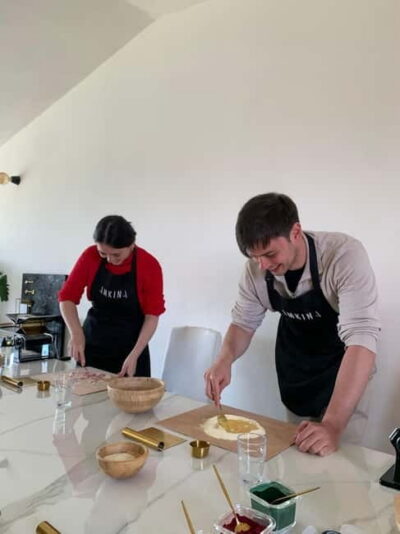
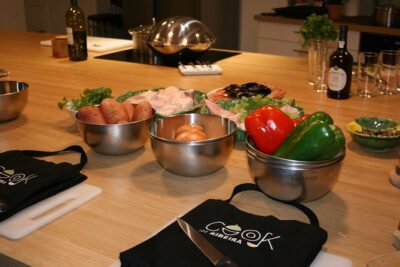
In the most praised sessions, participants describe a spotless, organized kitchen and a layout that supports hands-on cooking. You’re typically working at a station, sometimes with a partner arrangement, so you’re not waiting for someone to finish before you get a turn.
You’ll also appreciate the support during cleanup. More than one person points out that the kitchen is managed as the class goes, so you’re not spending your last 30 minutes fighting pans, counters, and chaos. It’s a small detail that makes a big difference when you want to enjoy the food and not just survive the process.
The Petiscos Menu Flow: Up to Five Seasonal Bites
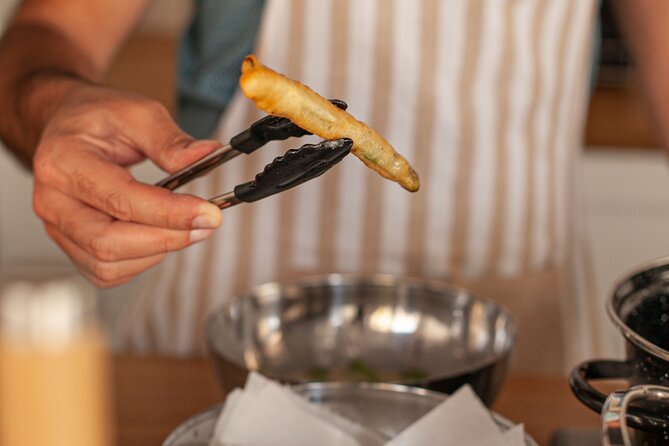
One reason I like this class model: it keeps Lisbon food flexible. The menu changes seasonally, so you’re working with fresher ingredients rather than a fixed “tourist set” that never adapts.
Here’s what the experience can include, with Caldo Verde commonly featured. Your exact mix depends on the season and what’s chosen for your group, but the menu list includes options like:
- Caldo Verde (classic Portuguese soup is a frequent highlight)
- Pica-pau
- Pataniscas de bacalhau
- Ovos com farinheira
- Pastel de bacalhau
- Peixinhos da horta
- Ovos verdes
- Flaming Chorizo
What you’ll learn through these dishes is less about memorizing names and more about technique. The structure is designed so you move from one preparation step to the next, with guidance each time. One review notes that the instructor explained steps thoroughly and even focused on the reasons behind techniques—exactly what you want if you’re new and you’d like to cook the food again later.
If your class includes Caldo Verde
Caldo Verde shows up often for a reason. One person specifically called it a classic Portuguese potato soup. It’s hearty, familiar, and a great “starter win” dish when you’re learning how flavors work together.
You’ll typically get coached through the basics—how to prep and build the soup, how to manage heat, and how to end with a result that tastes balanced rather than flat. Even if you’ve never cooked before, soup is a forgiving place to start.






If your class includes bacalhau dishes
You’ll see cod show up in several names in the menu list: Pataniscas de bacalhau and Pastel de bacalhau. People also mention learning a cod fish fritter and a casserole of dried cod in different sessions.
Even without exact ingredient breakdowns, the takeaway for you is practical: you’ll get hands-on experience with Portuguese cod preparations—often fried or baked—plus a feel for timing and texture. That’s the kind of skill you can translate to cooking at home later, not just watch-once entertainment.
If your class includes egg and sausage dishes
The menu list includes Ovos com farinheira and Ovos verdes. Reviews also mention a scrambled egg dish in some sessions. Egg-based petiscos are a helpful category because they teach control: heat, timing, and consistency.
This is where beginners often feel nervous, but the class style aims to make it manageable. You’ll work on the process step by step and learn how to tell when things are done.
If your class includes flambé or chorizo
Your menu might include Flaming Chorizo or another chorizo-forward bite. People specifically mention smoked chorizo in a past session, plus simple snack pairings like chorizo and cheese as part of the food setup.
Chorizo dishes are often where the class turns into pure joy—strong flavors, lots of aroma, and a sense that Portuguese cooking can be bold without being complicated.
Some seasonal surprises (from past classes)
Because menus are seasonal, your class could also include other dishes beyond the sample list. People describe courses like bean and vegetable soup, red beans and rice, pork ribs, and even ending with Portuguese custard-style pastries such as Pastel de nata. If dessert is part of your specific session, you’ll notice it’s treated as a fitting final note to the whole petiscos-sharing vibe.
Wine, Beer, Coffee, and the Petiscos Pace
Food in Portugal is often social, not just fuel. This class respects that. Portuguese wines and beers are included, along with other non-alcoholic beverages such as water, juices, or tea.
A practical rule: alcoholic beverages won’t be served to participants under 18. So the drink side works for mixed groups, and everyone stays included.
In praised sessions, people mention red and white wine, plus liqueurs like Port, Ginjinha, and an almond liqueur (name not recalled by one guest). That’s a big value piece because it turns the experience into a mini Portugal tasting night, not just a cooking lesson with snacks.
Also: one reviewer wished there was a bit more wine. That’s worth keeping in mind if you’re a serious drinker. The class does include drinks, but it’s still a cooking class schedule, not an all-night open bar.
Sharing What You Cook: The Big Table Moment
The best part of petiscos is the eating. This class ends with you sitting down and enjoying what you made, shared around a big table.
More than one person highlights the fun energy of the group and the social rhythm—everyone contributes, everyone gets to taste, and the whole point of petiscos becomes real instead of theoretical. It’s also one of the easiest ways to break the ice with people from other countries without turning it into forced small talk.
If you’re the type who wants a holiday activity that feels personal but not awkward, this group setup usually does the job.
Price and Value: Is $102.12 Worth It?
At $102.12 per person for about 3 hours, you should judge this on what’s included and how the format helps you learn.
Here’s the value math that matters:
- You’re getting instruction for up to five dishes, not a single recipe.
- You’re getting ingredients and finger food built into the class.
- You’re getting Portuguese wine/beer plus non-alcoholic drinks.
- You’re getting recipes afterward, so the value can stretch beyond the night.
A cooking class can be expensive when it’s basically entertainment with a tiny sample. This one is closer to a proper food night with real cooking time. Even the reviews’ recurring points—patient instructors, step-by-step guidance, lots of food, organized setup—point to this being a class where you actually come away with usable skills and not just memories.
Could you find cheaper? Sure, but you’d likely lose the small-group cooking stations, the drink-and-snack flow, and the “you’ll make enough to share” approach.
Who This Petiscos Class Is Best For
This fits well if you:
- Want a hands-on way to experience Lisbon food without needing cooking skills
- Like learning food culture through what you’re cooking and eating
- Prefer small groups over crowded group tours
- Want an evening activity that also gives you something to cook later
It’s also great as a first activity after arriving. One review describes taking it a few hours after landing and using it to set a high bar for the rest of the trip—because once you understand what petiscos are, the rest of Lisbon dining becomes more fun and less guesswork.
Quick Tips Before You Go
- Come hungry. The class is portion-focused, but it’s not a “tiny bite only” experience.
- If you’re aiming for a specific dish (like Caldo Verde), know that it’s included, while other petiscos are seasonal.
- If you drink alcohol, remember it’s included but still part of a structured 3-hour schedule.
- Ask how the recipes are provided. People mention accessing recipes after the class, and some note it’s not necessarily a printed book.
Should You Book This Portuguese Petiscos Cooking Class?
Yes, I’d book it if you want a beginner-friendly, small-group night where Portuguese food becomes practical. The biggest strengths are the hands-on teaching, the small numbers, and the fact that your learning ends with sharing the food you cooked. At $102.12, the value holds up because it’s not just tasting—it’s cooking, then eating like Portuguese petiscos are meant to be eaten.
Pass if you want a long, multi-course sit-down dinner that feels heavy and formal, or if you’re specifically chasing one fixed menu with zero variation. Seasonal menus are part of the deal here.
FAQ
How long is the Portuguese Petiscos cooking class?
The class lasts about 3 hours.
How many people are in the class?
It’s limited to a small group, with a maximum of 10 travelers. One highlight also notes a limit of 8 for more personalized attention.
Do I need cooking experience?
No. It’s designed for beginner chefs and doesn’t require cooking expertise.
What dishes will we cook?
You’ll cook up to five seasonal petiscos, and Caldo Verde is included. Other petiscos are chosen from a seasonal list that can include items like Pica-pau, bacalhau dishes, egg dishes, and Flaming Chorizo.
What’s included to eat and drink?
You’ll have finger food and beverages during the experience. Portuguese wines and beers are included, along with coffee/tea and other non-alcoholic options.
Is the class offered in English?
Yes, it’s offered in English.
Can I cancel for a full refund?
Free cancellation is available up to 24 hours in advance for a full refund.