REVIEW · ITALY
Tropea: Calabrian Cooking Class with Lunch
Book on GetYourGuide →Operated by CST Travel · Bookable on GetYourGuide
Tropea is a pretty base, but this is about what happens after you arrive. In a vineyard setting near town, you’ll learn Calabrian cooking hands-on and eat what you make. I especially like the fresh organic garden ingredients and the chance to make pasta from scratch, not just watch. One thing to weigh: transportation is not included, so factor in the transfer cost if you don’t already have wheels.
You’ll meet the chef and guide at the start location and get right to work. The class runs about 3 hours, and you’ll leave with recipes so the meal keeps going after your trip. If you’re tight on time, this one is short and focused, but it won’t feel like a relaxed long lunch where you stop to linger for hours.
In This Review
- Key things to know before you go
- Cooking near Tropea: what makes this class worth your time
- Your 3-hour flow: from meeting the chef to eating what you cooked
- The ingredients from an organic garden: why this matters for flavor
- Pasta lesson: filejia or gnocchi, plus the sauce technique
- Tropea red onion dish: learning local flavor logic
- Vegetable appetizer: the part people skip, and you won’t
- Lunch with wine: eating in a relaxed rhythm
- Taking the recipes home: how to make this class work after your trip
- Price and value: what $113.29 covers (and what it doesn’t)
- Who this cooking class is best for
- Practical tips so you get the best experience
- Should you book this Tropea Calabrian cooking class?
- FAQ
- How long is the cooking class near Tropea?
- What will I cook during the class?
- What’s included in the price?
- Is transportation included?
- Where do I meet the chef and guide?
- What languages are used during the class?
- Is the experience wheelchair accessible?
Key things to know before you go
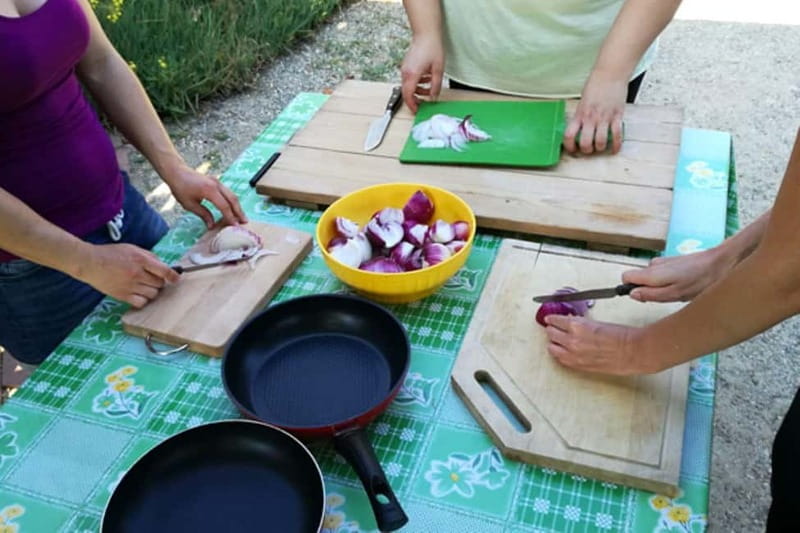
- Fresh garden produce used during the cooking, so the flavors feel seasonal and real
- One pasta choice: filejia or gnocchi, plus the matching sauce technique
- Tropea red onion featured in a classic dish you’ll cook yourself
- Vegetable appetizer component that rounds out the meal beyond pasta
- Wine with lunch (plus water), included with what you prepare
- Recipes to take home so you can recreate the dishes later
Cooking near Tropea: what makes this class worth your time
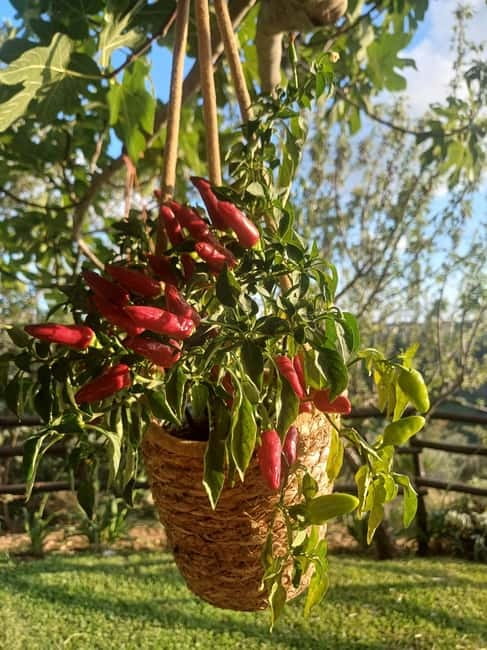
This cooking class is the kind of experience I like best in Calabria: active, practical, and tied to local ingredients. You’re not learning five different things at once. You’re learning a small set of dishes well, which is exactly how you get something you can actually repeat at home.
The vineyard setting matters more than you might think. Calabria cooking isn’t about fancy smoke-and-mirrors. It’s about getting the right basics—fresh produce, proper pasta texture, and sauces that taste like they belong together. Cooking with ingredients drawn from an organic garden gives you a strong starting point, and it helps you understand why certain flavors show up again and again.
You also get a chef-guided rhythm: hands-on prep, then tasting what you made with a glass of wine. That structure turns the class from a chore into a meal you can enjoy while it’s still fresh in your mind.
Your 3-hour flow: from meeting the chef to eating what you cooked
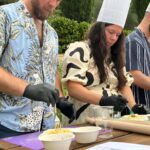
The schedule is simple, which is good. You meet the chef and guide at the location they tell you after you book. Then you start cooking right away, instead of spending the first part getting your bearings.
You’ll cook a menu that includes:
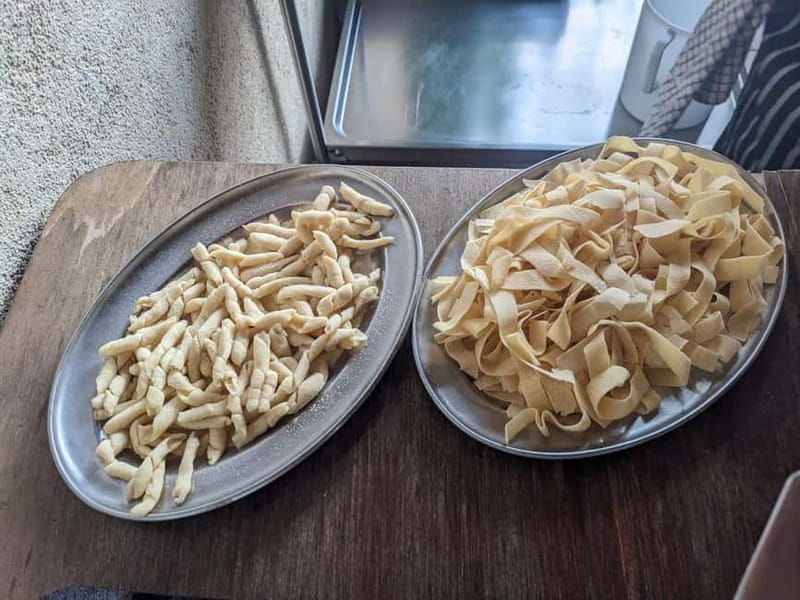
- One type of pasta (filejia or gnocchi) with its specific sauce
- A dish featuring Tropea red onion
- A vegetable appetizer
After the cooking, you sit down to eat the full meal you prepared, with wine and water included.
Because the class is 3 hours, you’ll want to arrive with comfortable clothes and a calm pace in your head. This isn’t a museum-style lesson. It moves. You’ll be chopping, shaping, and learning as you go.
The ingredients from an organic garden: why this matters for flavor
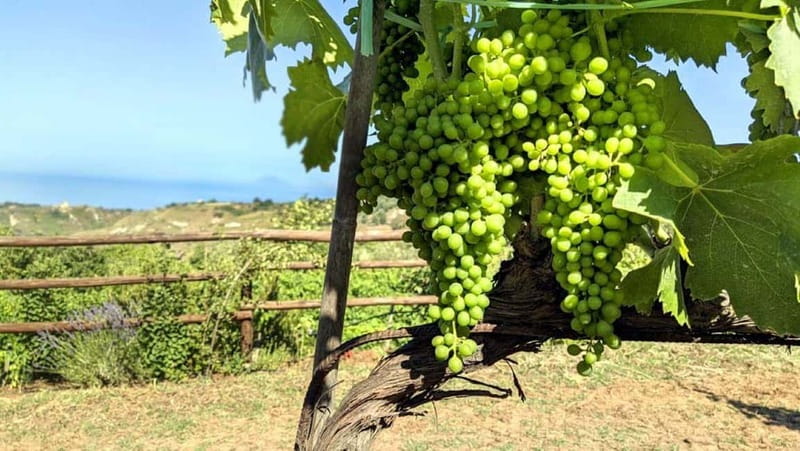
One of the most valuable parts is that you’re using fresh organic ingredients from the garden. That’s not a marketing line here—it changes what the food tastes like. When you cook with produce that’s meant to be eaten at peak freshness, you spend less time trying to fix blandness with heavy seasoning, and more time learning real technique.
Think about it like this: sauces and pasta work when the ingredients aren’t fighting each other. If the onion is sweet and crisp, your onion dish won’t need tricks. If herbs and vegetables taste alive, your appetizer becomes more than a side.
For you, it means your memory of the flavors will be closer to what locals actually eat. And when you try to cook again at home, you’ll know what to prioritize when choosing ingredients.
Pasta lesson: filejia or gnocchi, plus the sauce technique

Here’s the heart of the class: you learn how to make one pasta type—either filejia or gnocchi—and you pair it with its corresponding sauce.
Even if you’ve cooked pasta before, gnocchi and filejia teach different things. Gnocchi focuses on texture and handling—getting the right feel so they cook up tender rather than heavy. Filejia is about shaping and getting a consistent pasta form so it catches sauce properly. Either way, the goal is the same: learn the technique so you can reproduce it later.
You’ll also learn the sauce that goes with your pasta. In Calabria, the sauce isn’t a separate performance—it’s part of the pasta experience. The class helps you understand how the sauce’s ingredients and consistency affect what you taste on the fork.
Practical tip for you: watch the chef’s hands. With pasta, small motions are everything. If you can, take mental notes on timing too—when you add ingredients, when you reduce, and how the sauce thickens.
Tropea red onion dish: learning local flavor logic
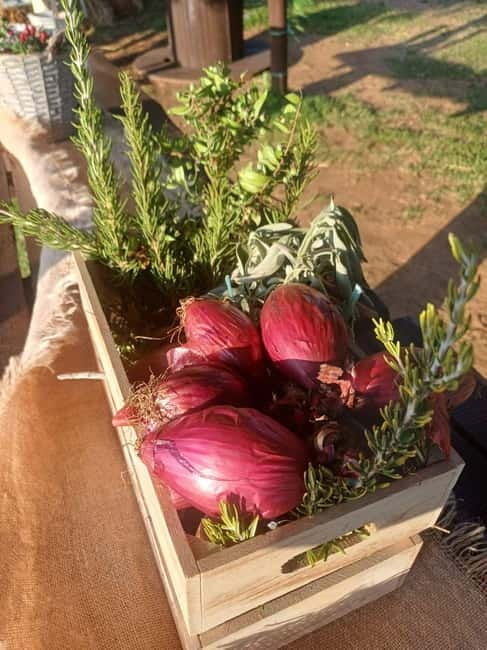
Tropea red onion isn’t just a named ingredient. It’s a local flavor reference point. This class includes a dish centered on Tropea red onion, and you’ll cook it yourself instead of treating it like a garnish.
Why that matters: you’ll learn how the onion behaves during cooking—how sweetness develops, how it releases flavor, and how it pairs with the rest of the dish. Onions can go from sweet to sharp quickly if the heat and timing are off. This is where a chef’s guidance helps.
You’ll get tips aimed at recreating the dish at home. Those practical notes are the difference between eating something great once and being able to cook it again without guessing.
Vegetable appetizer: the part people skip, and you won’t
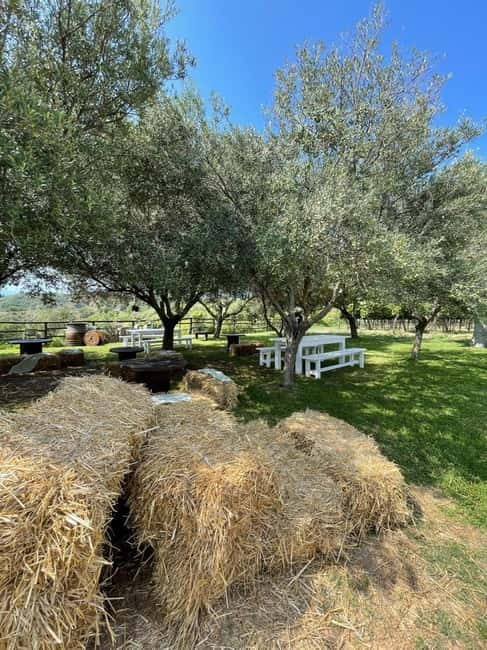
A lot of cooking classes focus almost entirely on the main event. This one also includes a vegetable appetizer, which rounds out the meal and teaches you how Calabria treats vegetables—not as an afterthought.
You’ll prepare it during the class, using fresh ingredients. Because it’s part of your lunch plate, you’ll understand how it balances the heavier flavors from pasta and onion. Often, an appetizer like this helps you reset your palate so the second or third bite tastes better instead of turning into one long flavor loop.
If you’re the kind of traveler who likes food variety in a single sitting, this format is a win. It’s also helpful if you want to bring home more than one recipe that’s actually different.
Lunch with wine: eating in a relaxed rhythm
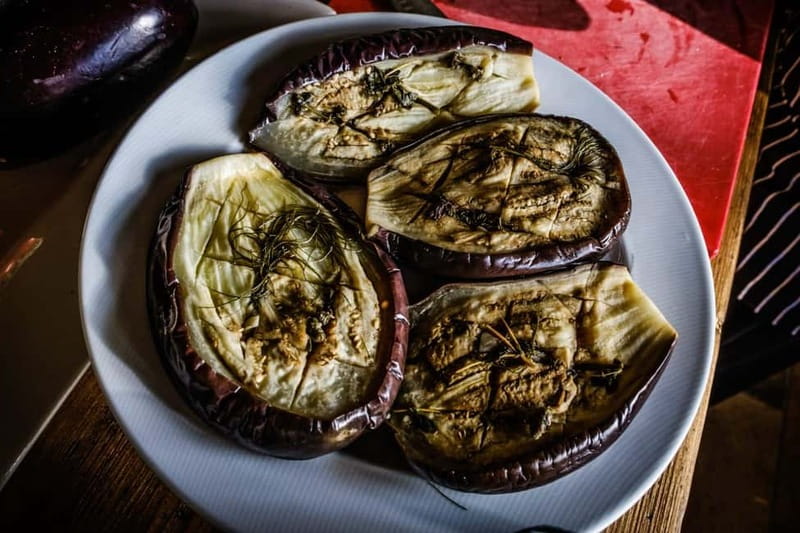
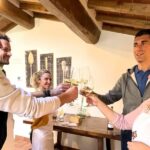
After you cook, you sit down to enjoy what you made. Lunch includes beverages: wine and water.
This matters because you’re not just learning steps—you’re tasting results while they’re still part of the lesson. That makes it easier to connect the technique you practiced with the flavor you’re experiencing. You’ll pick up cues like thickness, seasoning level, and how the pasta texture changes in the final dish.
Also, having wine with lunch is a nice Calabria touch. Just pace yourself. The class is only 3 hours total, and you’ll want your senses sharp for the meal you cooked.
Taking the recipes home: how to make this class work after your trip
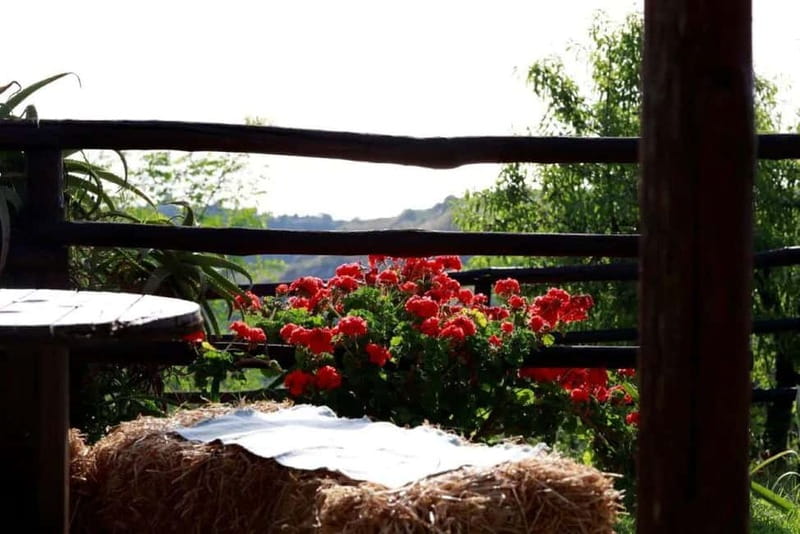
You get recipes for all dishes prepared. That’s useful on its own, but the bigger value is what you learn while cooking: the small technique points that recipes alone can’t capture.
When you cook at home, don’t just follow quantities blindly. Use the class notes to guide decisions like:
- sauce consistency (how thick you want it)
- how long you cook onions for the right sweetness
- how the pasta should feel during and after cooking
If you’ve ever tried to recreate a meal and it turned out close but not quite right, this is the fix. The class gives you a practical framework, not just a list of ingredients.
Price and value: what $113.29 covers (and what it doesn’t)
At $113.29 per person, you’re paying for a very hands-on 3-hour experience with a real meal attached. Included is expert culinary guidance, all ingredients, lunch with wine and water, and recipes.
That added-in meal is part of the value. In many food experiences, you pay to learn and then pay again to eat. Here, the lunch is part of the package, which makes the price feel more balanced.
What’s not included is transportation. If you need the transfer, there’s a round-trip option listed at 30€ for 1 person or 15€ from 2 people and up, and you pay it directly on the same day. If you’re traveling solo and don’t plan to handle your own rides, that cost can change the math.
My take: this is good value if you’d happily pay for a chef-led meal and you don’t want to spend your limited vacation time shopping for ingredients and figuring out techniques alone.
Who this cooking class is best for
This class fits you if you want more than a food tour stop. You want to cook, taste, and walk away with techniques you can repeat.
It’s also a strong choice if:
- you like regional Italian food that’s simple but precise
- you enjoy hands-on workshops more than lectures
- you want a meaningful way to experience Calabria beyond scenery
- you’re traveling with someone who’ll share the transfer cost, since the round-trip rate drops for 2+
You might not love it if you’re craving a long, slow, leisurely experience. The timing is tight by design. You’ll cook and then eat. You won’t have hours of downtime.
Practical tips so you get the best experience
- Wear comfortable clothing suited for cooking. You’ll be working with ingredients and standing for stretches.
- If you have allergies or dietary needs, inform the organizers in advance so the chef can plan appropriately.
- Bring a basic mindset: you’re learning steps, not chasing perfection. Pasta improves with practice, and the point is to understand what to do next time.
Also, keep in mind the start location is not fixed publicly. After booking, you’ll be contacted to get the exact meeting point you need to reach. This is normal for vineyard-area experiences where access details vary.
Should you book this Tropea Calabrian cooking class?
If you want a hands-on food experience that connects local ingredients to real technique, I’d say yes. The combination of fresh garden produce, a pasta lesson (filejia or gnocchi), and a Tropea red onion dish gives you multiple recipe anchors in one class. Add the included lunch with wine and the take-home recipes, and it becomes a full “learn and eat” outing instead of a short demonstration.
Book it if you’re comfortable paying for expert guidance and want your meal included. Consider skipping (or at least budgeting) if you’ll have to cover the transfer alone and you’re trying to keep costs tight.
FAQ
How long is the cooking class near Tropea?
The experience lasts about 3 hours. Check availability for the starting times.
What will I cook during the class?
You’ll prepare one type of pasta (filejia or gnocchi) with its sauce, a dish with Tropea red onion, and a vegetable appetizer.
What’s included in the price?
The class includes expert culinary guidance, all ingredients, lunch with beverages (wine and water), and recipes for all dishes prepared.
Is transportation included?
No. Transportation to and from the location is an extra cost. A round-trip transfer is listed as 30€ for 1 person, or 15€ from 2 people and up, paid directly on the same day.
Where do I meet the chef and guide?
You’ll be contacted after you make your reservation to get the exact meeting point to reach.
What languages are used during the class?
The instructor is available in Italian and English.
Is the experience wheelchair accessible?
Yes, it is wheelchair accessible.