REVIEW · ITALY
Valnerina/Pasta cooking class in a 12th century location
Book on GetYourGuide →Operated by Ludomar Travel · Bookable on GetYourGuide
Pasta making gets a proper setting. This Valnerina pasta cooking class happens in the 12th-century Alloro Restaurant inside the Abbazia of San Pietro in Valle, so your lesson is wrapped in quiet, historic calm. I love two things here: the authentic, family-passed recipes and the fact that you’re hands-on the whole time, building a full menu from scratch. One heads-up: it’s a private group, so you won’t get the buzz of a mixed, meet-everyone crowd.
You start at Alloro Ristorante in the abbey area, then you’ll pause briefly for a photo stop at the Relais Abbazia San Pietro in Valle, a historic residence. After that, your time becomes very practical: handmade pasta, then a main course, then dessert, with tasting at the end. Also, the class runs in English, German, and Italian, which helps a lot if you don’t want to fight over translations while your dough dries out.
At 3 hours, it’s long enough to learn real technique and taste what you made, but not so long you lose the day. You also leave with a participation certificate plus a small recipe booklet and a small gadget. If you like the idea of taking home food skills (not just photos), this is a strong match.
In This Review
- Key things worth knowing before you go
- Cooking in a 12th-Century Abbazia: What the Setting Does for the Experience
- The Menu Built for Confidence: Pasta, Main Course, Dessert
- Hands-On Learning That Doesn’t Feel Like Homework
- Where the Tasting Fits In (And Why It Matters)
- Value for $82: What You’re Really Paying For
- Who This Class Fits Best
- Tips to Make Your 3 Hours Go Smoothly
- Should You Book This Valnerina Pasta Cooking Class at Alloro?
- FAQ
- How long is the cooking class?
- What will I cook during the class?
- Where does the class start?
- Is there time for photos?
- What languages are offered for the instructor?
- Is the class wheelchair accessible?
- What do I get at the end of the class?
- Is free cancellation available?
Key things worth knowing before you go
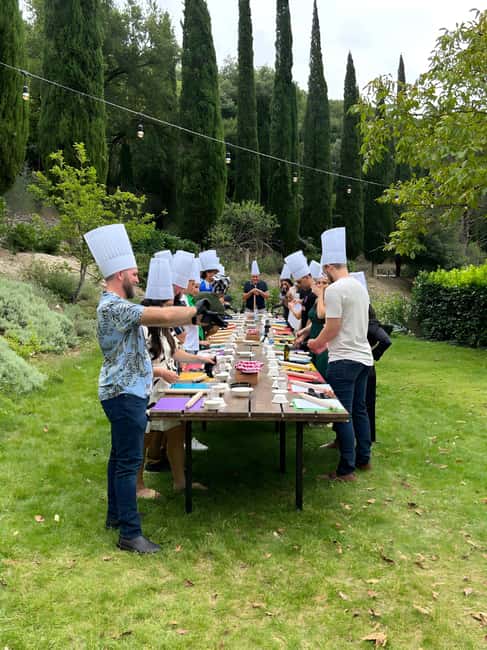
- 12th-century location at the Abbazia of San Pietro in Valle: cooking lesson + history in one place
- Full menu included: handmade pasta, a main course, and dessert
- You do the work: hands-on learning designed to be repeatable at home
- Tasting at the end: you get to try what you prepared
- Take-home keepsakes: certificate, small recipe booklet, and a small gadget
- Private group + multilingual instruction: English, German, and Italian for a smoother class
Cooking in a 12th-Century Abbazia: What the Setting Does for the Experience
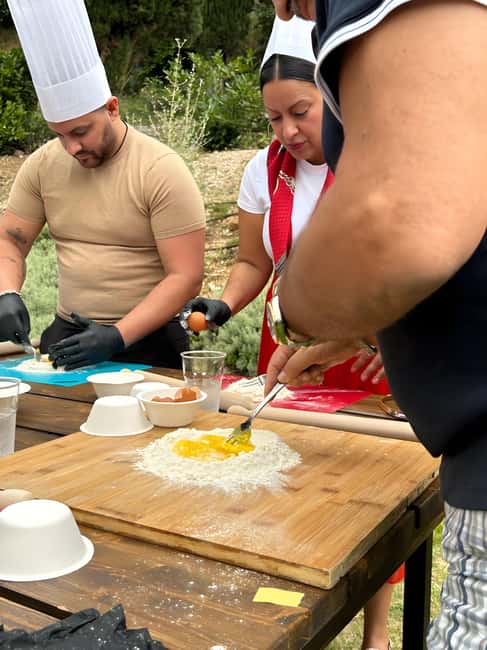
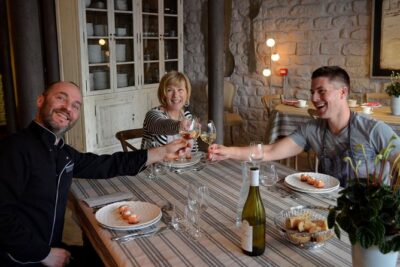
This is not a pop-up kitchen in a shopping street. The class takes place in a cozy, original restaurant dating to the 12th century, the Alloro Ristorante at the Abbazia of San Pietro in Valle. That matters because it changes how the day feels. You’re not rushing between sights; you’re settling in and learning at a slower pace.
There’s also a short 10-minute photo stop at the Relais Abbazia San Pietro in Valle, described as a historical residence. It’s quick, so don’t plan a whole sightseeing detour around it, but it’s enough to frame the day and remind you why this place is special: you’re cooking in the same kind of environment that shaped local life for centuries.
If you like your food experiences grounded in a real place—quiet stone walls, a calm rhythm, and an atmosphere that supports conversation—this setting will do that job.
The Menu Built for Confidence: Pasta, Main Course, Dessert
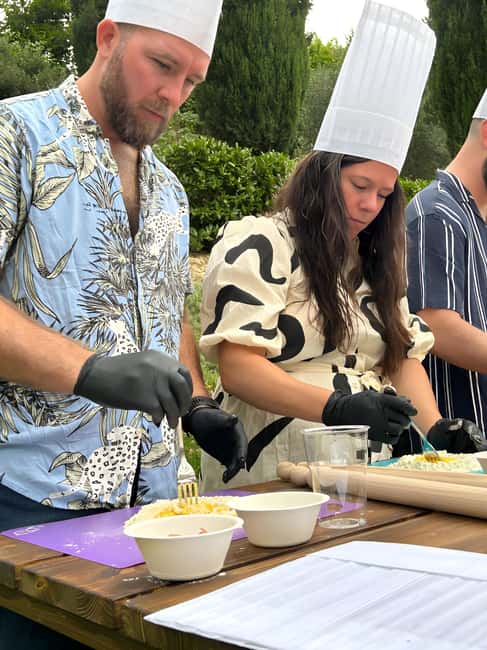
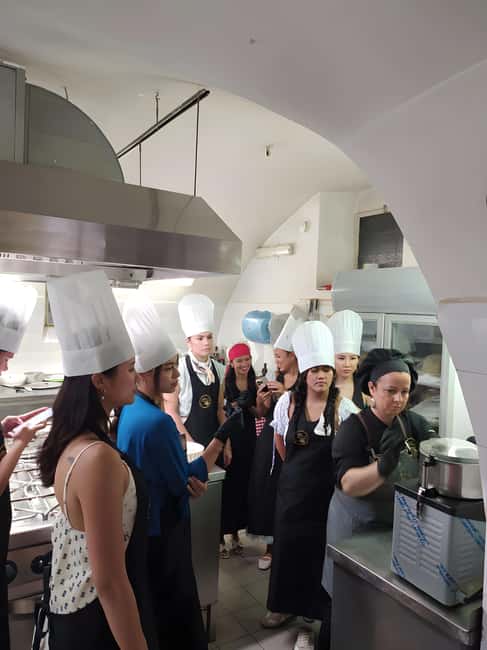
The class structure is simple on paper and satisfying in practice. You prepare:
- Handmade pasta
- A main course
- A dessert
That menu design is a smart choice. Pasta is the skill anchor. It gives you something concrete to practice—making dough, working with it, and shaping it—so you can later recreate a version at home. Then the main course and dessert round things out, so you leave with a wider sense of Umbrian cooking style rather than only one technique.
A big practical advantage: the class is only 3 hours. That forces a tight flow. You won’t spend half the time waiting, and you won’t feel like the lesson swallowed the entire day.
Also, the experience is described with a friendly mindset: you prepare the food, and drinks are provided during the class. That’s not just a nice touch. It helps you stay relaxed while you work—especially when you’re learning something new and your hands are doing multiple tasks.
Hands-On Learning That Doesn’t Feel Like Homework
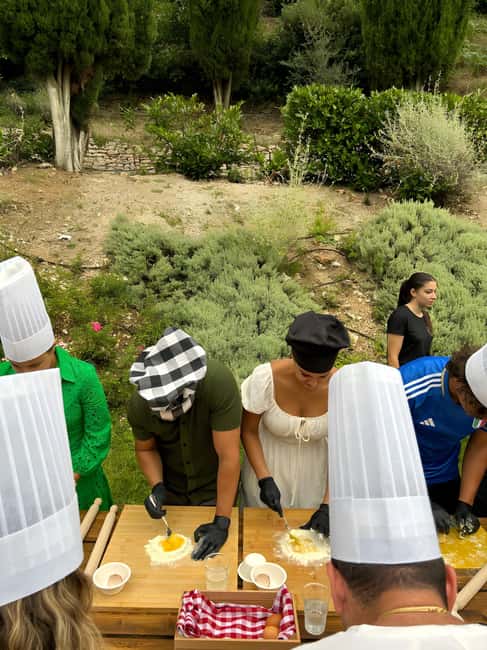
This class is built around authenticity and learning that you can actually repeat. The wording here points to precious recipes passed down through generations, which usually means two things in real life:
- The techniques tend to be straightforward enough to learn in a single session.
- The teacher cares about how the food is meant to taste, not just how it looks.
The instructor support is multilingual: English, German, and Italian. If you’re choosing your course based on confidence in communication, this is a clear plus.
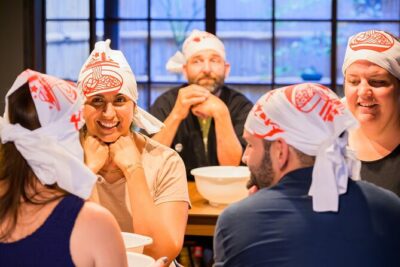
And because it’s a private group, you’re not competing for attention. You can ask practical questions while you’re working—like what to watch for while pasta dough is behaving, or how to pace yourself when you move from pasta to the main and dessert. In a shared group, people sometimes go quiet to avoid slowing everyone down. Here, the format makes it easier to stay engaged.
One more human detail from past experiences: the staff has shown they can adjust pacing for children, including extra time for a 7-year-old. If you’re traveling with kids and want the experience to feel caring rather than rushed, that’s a promising sign. Still, if you have very young children, you’ll want to be ready for a lesson that’s more about family-friendly process than strict timing.
Where the Tasting Fits In (And Why It Matters)
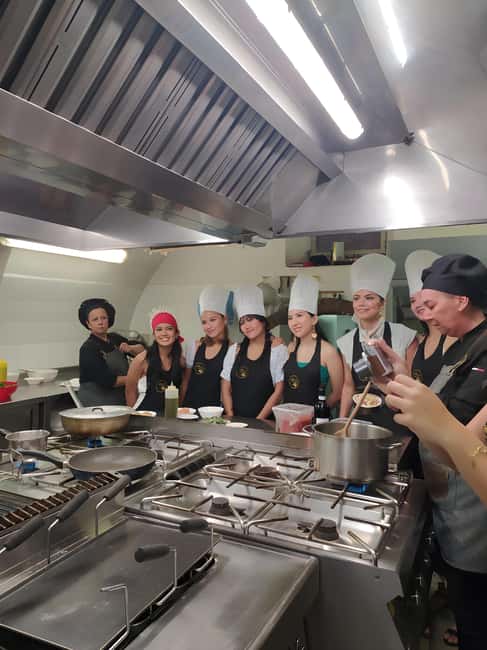
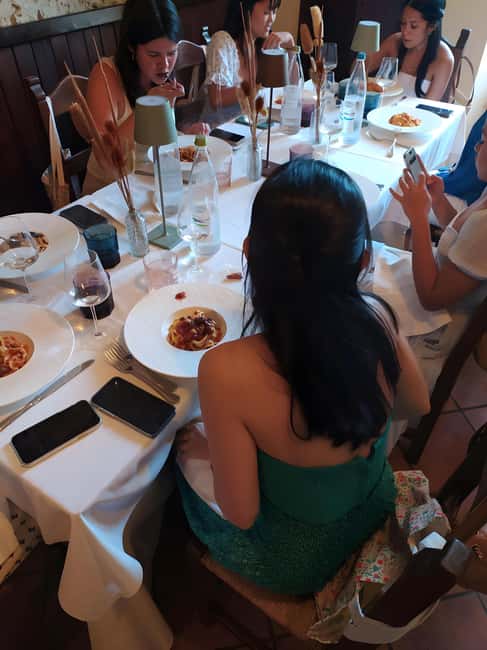
At the end, you test your preparations. That tasting moment isn’t a throwaway. It closes the loop. If you’ve ever made something at home and wondered whether you did it right, this solves that problem. You see the result with support, in the same environment where you learned.
You also receive a certificate of participation. It sounds ceremonial, but in a hands-on class it signals something real: this isn’t just watching, it’s completing a structured experience.
Then there’s the take-home content:
- a small booklet with recipes
- a small gadget as a reminder
Those items turn the lesson into something you can revisit after your trip, when your memory is already starting to blur into a general feeling of good food and good views.
Value for $82: What You’re Really Paying For
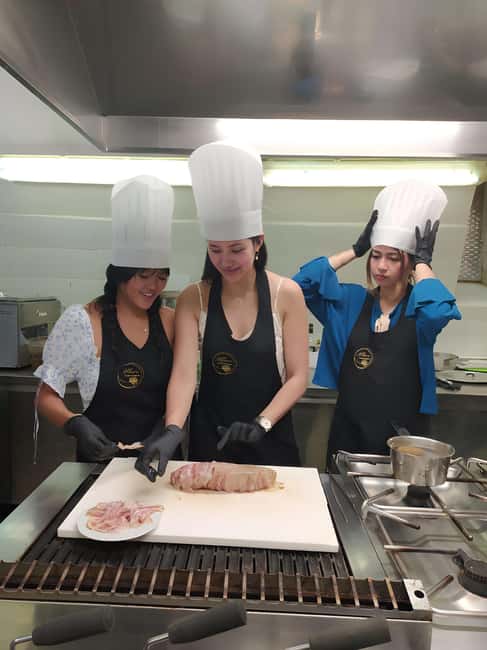
The price is $82 per person for 3 hours, and the value comes from what’s bundled in:
- You make a full menu (pasta, main, dessert)
- You’re in a 12th-century abbey restaurant environment, not a generic venue
- Drinks are included during the class
- You leave with a recipe booklet plus a certificate and a small gadget
If you’ve ever tried to recreate a pasta class at home, you know the hard part isn’t only the ingredients—it’s the technique and the feedback loop. Here, the structure reduces guesswork. Even if you only remember a few steps, having a recipe booklet and having tasted your work makes the lesson useful.
Possible consideration: $82 is not the same as a quick food tour or a casual meal. If your priority is “I want to snack and wander,” this might feel like a bigger commitment. If your priority is learning and leaving with skills, it’s priced like an experience with real deliverables.
Who This Class Fits Best
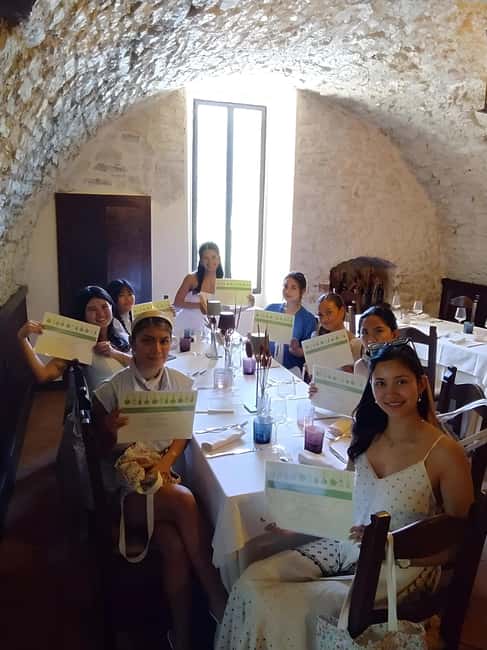
This is the kind of experience I point people toward when they want a specific combo:
- Food learning without a classroom vibe
- A historic setting that supports a calm day
- A structured menu that guarantees you’ll leave satisfied
It’s also a good fit if you care about language comfort. With instruction available in English, German, and Italian, you can follow along without feeling lost.
Accessibility is also explicitly listed: wheelchair accessible. That’s important for planning, because cooking experiences can be awkward if the space isn’t set up thoughtfully.
And if you’re traveling with family, the class has shown it can slow down for kids (including that 7-year-old example). Still, you’ll want to set expectations: this is hands-on cooking, so participation and patience matter.
Tips to Make Your 3 Hours Go Smoothly
You don’t need to be a culinary expert. You just need to show up ready to work.
A few practical moves:
- Wear comfortable shoes. You’ll be standing and moving while you cook.
- Come hungry, not stuffed. The format ends with tasting, and you’ll likely want room for the full menu.
- If your group has mixed abilities, go into it with curiosity. The structure is designed for learning, not perfection.
- Keep your questions simple and immediate. While you’re at the pasta stage, ask about the dough and shaping. While you’re at dessert, ask about timing and consistency.
Because the setting is historic, also be mindful that the space is described as original and cozy. You’ll likely appreciate a relaxed pace and a calm attitude—part of the charm of the Abbazia setting is the slower rhythm.
Should You Book This Valnerina Pasta Cooking Class at Alloro?
Book it if you want a real pasta experience tied to place: the Abbazia of San Pietro in Valle, the Alloro Ristorante, a guided menu that includes pasta, main, and dessert, and take-home items that make the day last beyond your trip. The private group format is especially appealing if you value more personalized attention and clearer language support.
Consider skipping or comparing if you want a lively, social atmosphere with lots of new people, because private group means you won’t get that mixed-group energy. Also, if paying for a structured 3-hour lesson isn’t your idea of value, you might prefer a simple meal plus a separate sightseeing plan.
If, on the other hand, you want your time in Umbria to include hands-on food skills in a setting that feels genuinely old-world without being complicated, this one is an easy yes.
FAQ
How long is the cooking class?
The experience lasts 3 hours.
What will I cook during the class?
You’ll prepare handmade pasta, a main course, and a dessert.
Where does the class start?
The class starts at Alloro Ristorante in Abbazia.
Is there time for photos?
Yes. There’s a 10-minute photo stop at Relais Abbazia San Pietro in Valle (a historic residence).
What languages are offered for the instructor?
The instructor speaks English, German, and Italian.
Is the class wheelchair accessible?
Yes, it is listed as wheelchair accessible.
What do I get at the end of the class?
After tasting your preparations, you receive a certificate of participation, a small booklet with recipes, and a small gadget.
Is free cancellation available?
Yes. You can cancel up to 24 hours in advance for a full refund, and you can also reserve now and pay later.