REVIEW · DUYEN HAI NAM TRUNG
Da Nang: Traditional Cooking Class with meal in Local Family
Book on GetYourGuide →Operated by Thao Nguyen Travel Company · Bookable on GetYourGuide
A real kitchen beats another generic show. This Da Nang traditional cooking class is hands-on Vietnamese home cooking with a local family-style meal, taught in English with a small group of up to 10. I especially like how you make the food yourself and then eat what you cooked, and I also like the practical, recipe-focused approach. One caution: at $32 per person, it’s not the cheapest way to eat in Da Nang, so it helps to book it with the mindset of learning, not just dining.
You meet in a real neighborhood setting at 279 Mai Đăng Chơn Street and spend about 150 minutes cooking, tasting, and getting recipes you can actually repeat at home. Expect a warm, casual vibe, not a strict demo where you just watch and hope you remember what they did. The experience is also not suitable for people with mobility impairments, so plan accordingly.
In This Review
- Key highlights worth your time
- Why this cooking class feels more like dinner than a show
- Meeting at 279 Mai Đăng Chơn Street and how the evening starts
- Hands-on cooking: spring rolls, beef noodles, and passion juice
- Fried spring rolls
- Beef noodles
- Unlimited passion juice
- What you’ll actually eat: a complete local-style plate
- Learning recipes you can repeat: what you should take home
- The local family touch: freshness you can feel
- Price and value: is $32 worth it
- Timing and flow: a 150-minute plan that won’t drag
- Vegetarian and vegan needs: how flexible is it
- Who should book this class (and who should skip it)
- Should you book this Da Nang cooking class?
- FAQ
- Where is the meeting point for the cooking class?
- How long does the class last?
- What dishes are included in the menu?
- Is unlimited passion juice included?
- Do you offer vegetarian or vegan options?
- Does the class include hotel pickup and drop-off?
- What language is used during the class?
- Is there an extra charge for Vietnamese public holidays?
- What are the child rules?
Key highlights worth your time
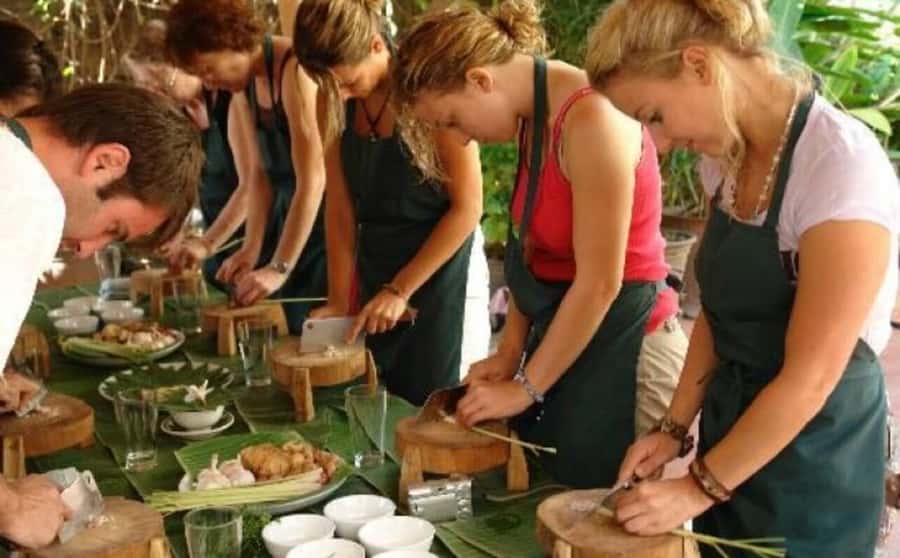
- Small group (up to 10): you get more real help while you’re cooking, not just being passed along.
- Two dishes plus passion juice: you’re not just making one thing for photos; you’ll learn a full mini-meal rhythm.
- Local-family kitchen setting: it feels less like a staged class and more like dinner prep at home.
- Take-home recipes: the goal is for you to cook it again later, not only to enjoy it once.
- Unlimited passion juice: you’ll drink it during the meal, so it doesn’t feel like a token extra.
Why this cooking class feels more like dinner than a show
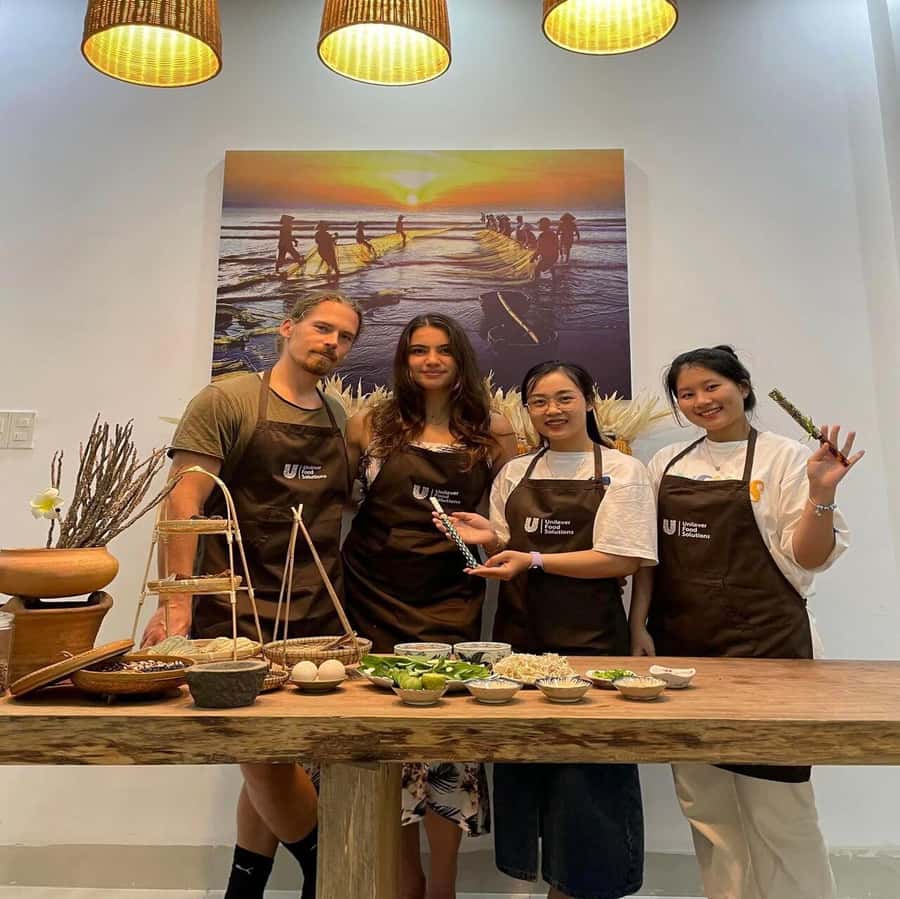
If you’re in Da Nang and you want something more useful than a late-night meal run, this class hits the sweet spot. You get a structured cooking plan (so you’re not wandering around a market trying to figure out what to buy), but you still do the work. The best part is that you cook two traditional dishes and then sit down to eat them—so there’s an immediate payoff.
I like that the instruction is English-speaking and designed for regular humans. No cooking-school theatrics, no confusing steps. You’re also not stuck in a classroom. The experience is set up like a family kitchen meal, with a relaxed pace that makes learning feel natural.
The tradeoff is simple: you pay more than you would for a bowl of noodles on your own. If your only goal is to eat, you might feel the cost. If your goal is to learn how Vietnamese home cooking comes together, the price makes sense.
Meeting at 279 Mai Đăng Chơn Street and how the evening starts
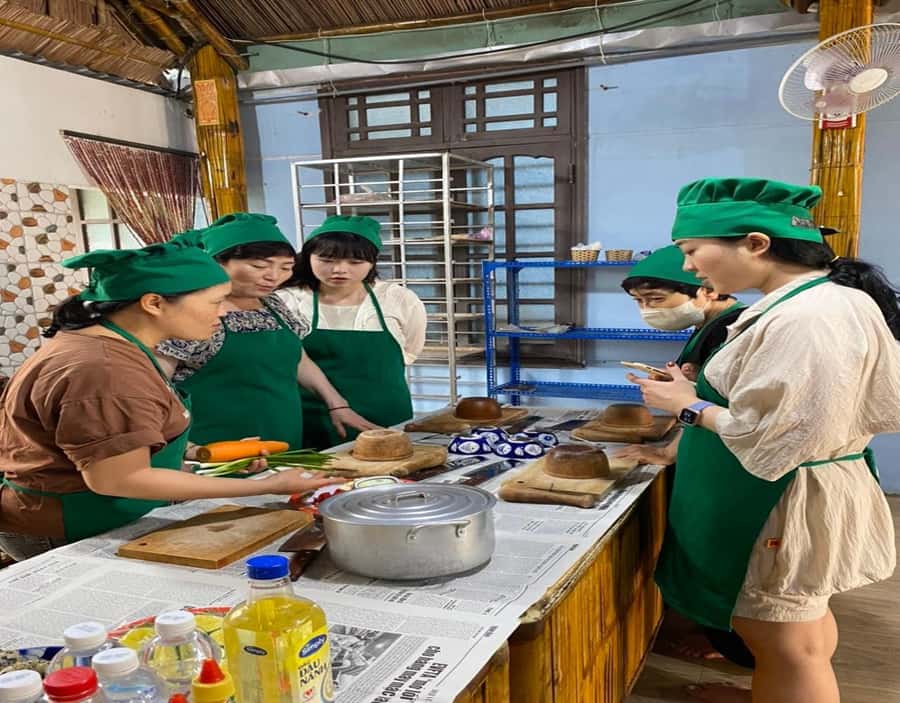
The class meets at 279 Mai Đăng Chơn Street, Đà Nẵng. There’s no hotel pickup or drop-off, so you’ll want to plan how you’ll get there. This is one of those details that can make or break your evening. If you’re staying far away, factor in taxi or ride options so you arrive un-rushed.
When you arrive, you’ll get welcome drinks. That matters more than it sounds. It’s the first signal that this isn’t a rushed production. You’ll settle in, meet the chef, and start the lesson in a calm way that helps you focus once the cooking begins.
The group is limited to 10 participants, and that small size is part of why the class works. You’re more likely to get direct help if you’re unsure about a step.
Hands-on cooking: spring rolls, beef noodles, and passion juice
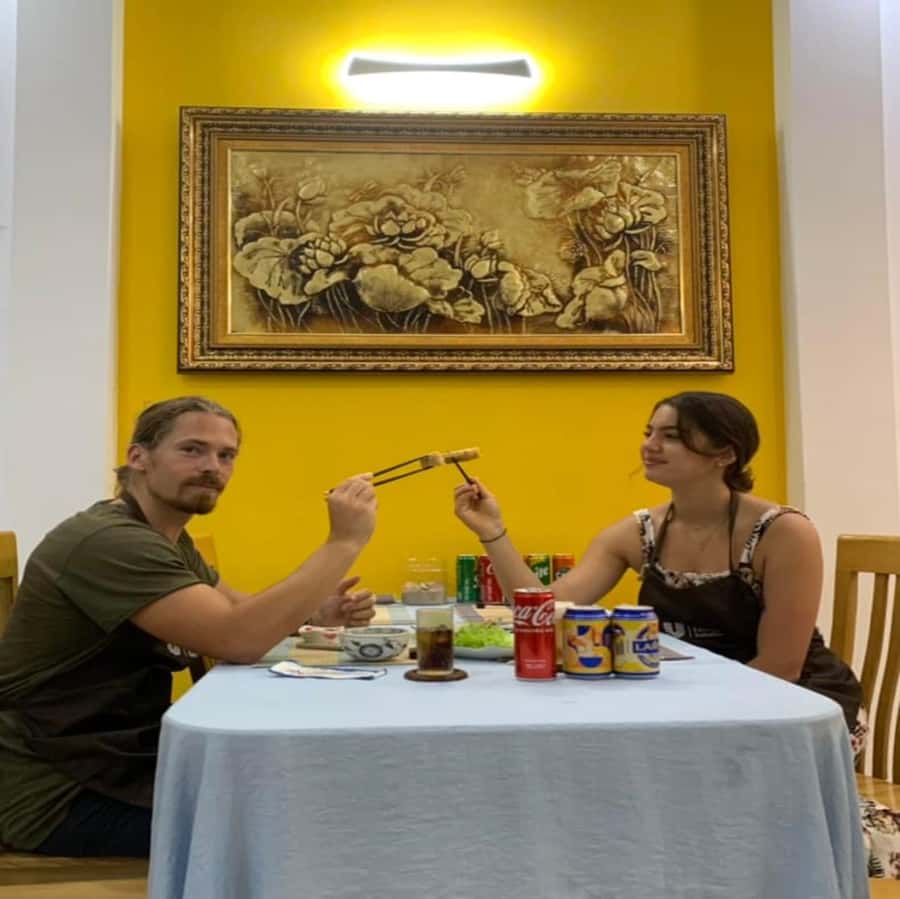
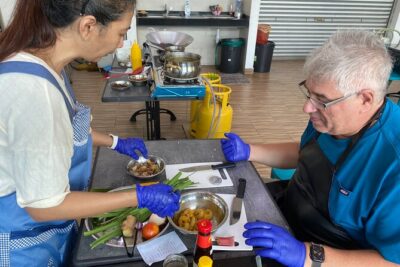
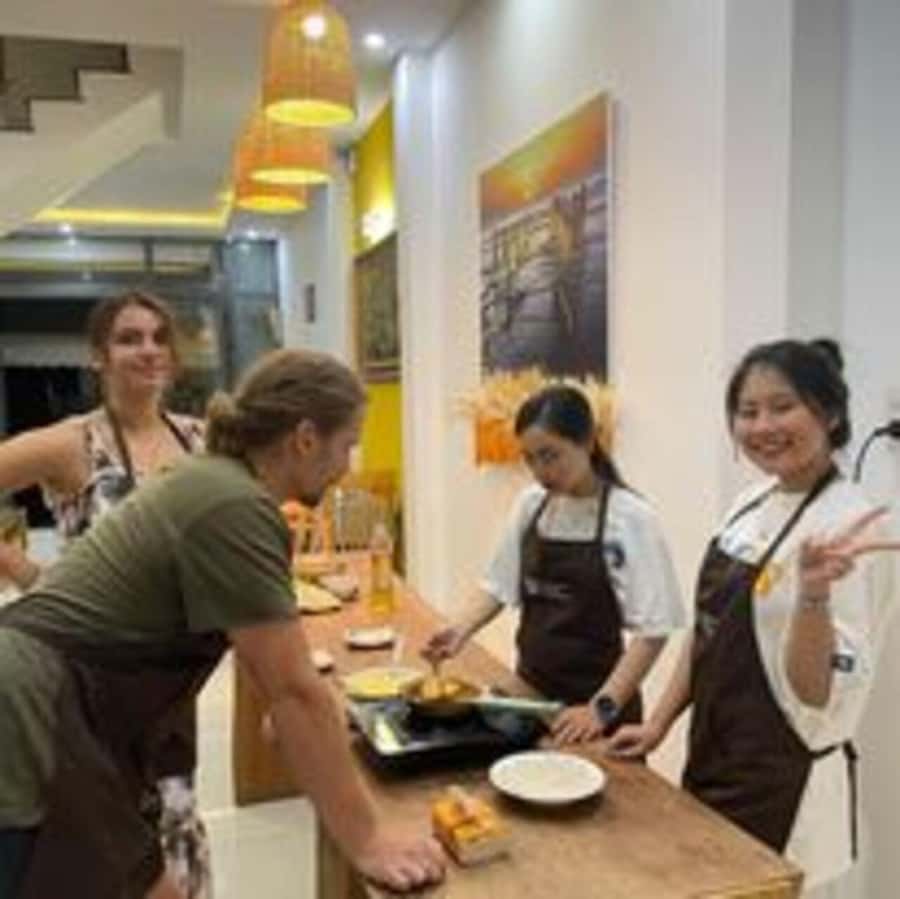
This is a real work session, not a watching-only class. The lesson is entirely hands-on. You’ll prepare two local dishes and passion juice, then eat the meal you made. That structure is ideal if you want to learn skills you can repeat later.
Fried spring rolls
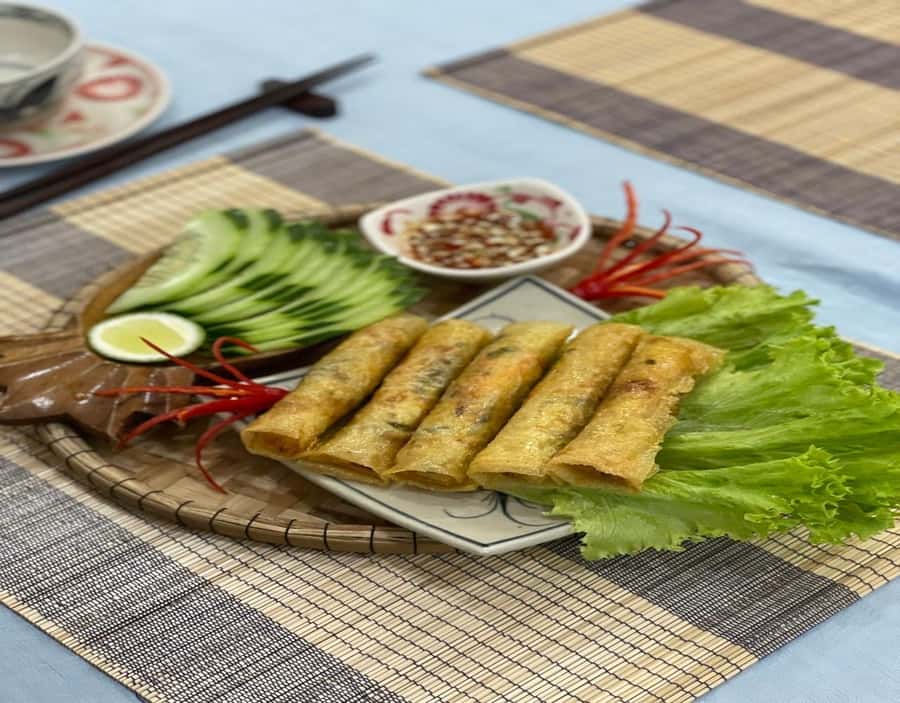
You’ll start with fried spring rolls. Spring rolls are one of those foods people associate with Vietnam, but the lesson here is about how the components come together into something you can recreate. You’ll learn the process step-by-step, including prep and assembly, and then you’ll see what the end result should look and taste like.
If you’ve ever tried to make spring rolls at home and had them turn out soggy or uneven, this kind of guided practice is the point. Even if you don’t remember every minute detail, you’ll walk away with a clearer idea of how to build the rolls and fry them properly.
Beef noodles
Next is beef noodles. This is the kind of dish you eat and enjoy, yet it can feel harder to reproduce than it looks. In class, you get the benefit of seeing how the chef guides the balance of flavors and textures.
The meal outcome matters here: once you’ve made it, you can tell the difference between “tasty” and “Vietnamese-style tasty,” because you understand the workflow that creates it.
Unlimited passion juice
You’ll also make passion juice and enjoy unlimited amounts during the meal. Passion fruit juice is a great partner for fried and noodle dishes. It cuts through richness and adds a bright, tangy note that keeps the meal from feeling heavy.
Unlimited juice also makes the meal feel truly included, not like a small garnish that disappears in ten seconds.
What you’ll actually eat: a complete local-style plate
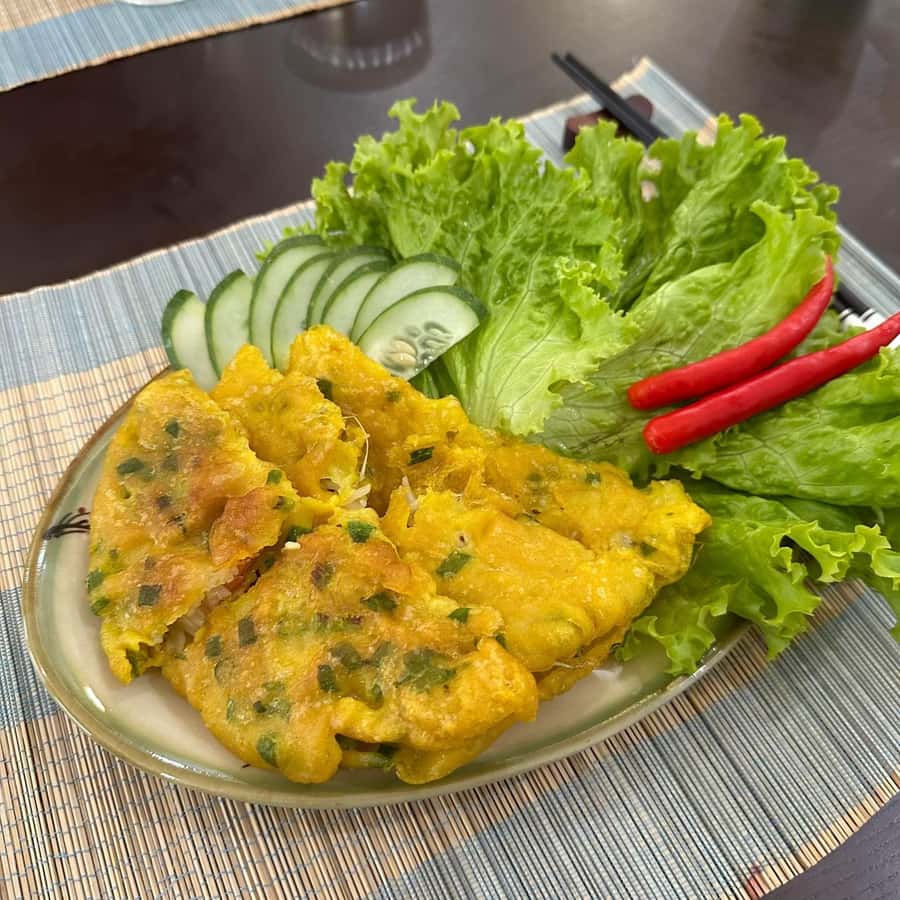
Your meal is the same dishes you cooked. Based on the class menu, that means:
- Fried spring roll
- Beef noodles
- Unlimited passion juice
This is a smart combo for a cooking class. Fried rolls teach you handling and assembly. Beef noodles teach you something closer to everyday comfort food. Passion juice gives you a non-cooking skill that you can repeat at home with less stress than the main dishes.
Also, the menu can shift slightly depending on ingredient availability. That’s normal in real local cooking. It’s worth keeping in mind if you’re expecting the exact same ingredients every time. The core dishes stay the same, but small ingredient details might vary.
Vegetarian or vegan options are available if you request them ahead of time. So if you don’t eat meat, you can still do the class.
Learning recipes you can repeat: what you should take home
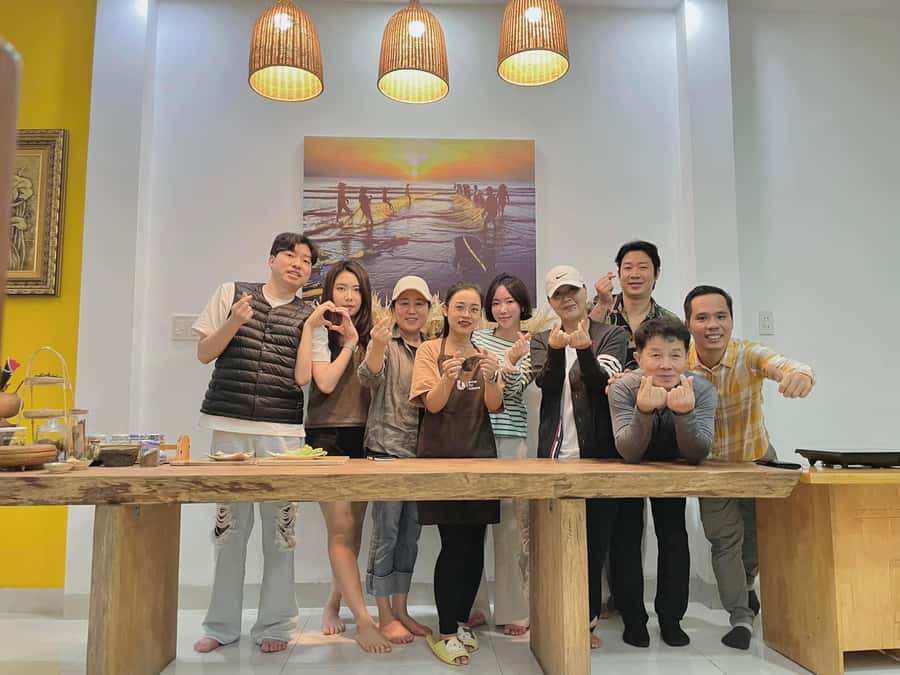
The class doesn’t end when you finish eating. You get recipes to help you re-create the dishes later. That’s the value behind the price. You’re paying for instruction and structure, plus recipe guidance.
When you cook at home later, you’ll want two things:
- A clear sequence (what happens first, second, third).
- A sense of how the dish should feel and taste.
A cooking class like this is built to provide both. You’re not just tasting; you’re building muscle memory around the process. Even if you adjust flavors in your own kitchen, you’ll have a strong baseline.
Tip from the experience vibe: take photos during cooking, especially of stages that are hard to “guess” later, like roll shapes or how the noodles look after mixing or adding sauce. The recipes help, but visuals help you avoid the classic home-cook guessing game.
The local family touch: freshness you can feel
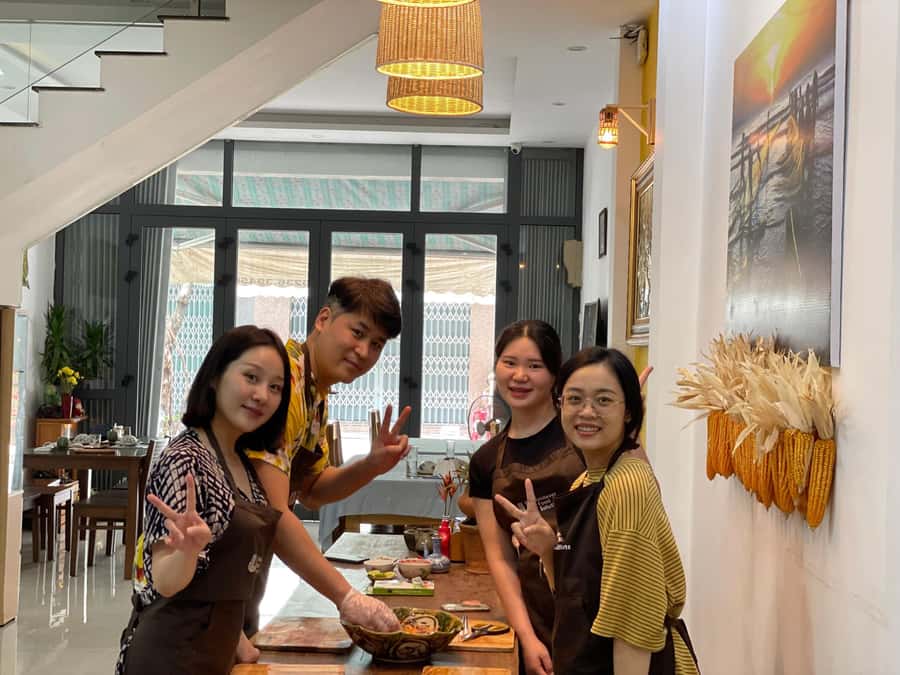
One of the most praised parts is that the class happens in a family setting, not a generic studio. In particular, I’d highlight the way the kitchen experience is tied to fresh ingredients. One reviewer described how herbs and vegetables are sold in front of the house, and how fresh bean sprouts are passed through a window into the kitchen. That kind of detail is more than charming—it explains why the food tastes the way it does.
Here’s why this matters for you: it changes how you think about the meal. You start realizing that Vietnamese home cooking often depends on fresh components and simple choices, not fancy gadgets. That mindset makes you more likely to succeed when you cook again later.
Also, the cooking instruction is described as easy to follow, friendly, and orderly. One named instructor, Rose, comes through as talented and kind, with clear explanations. If you’re the kind of person who gets anxious in kitchens, this style of teaching is a good sign.
Price and value: is $32 worth it
Let’s be blunt. $32 per person isn’t a bargain price for a snack. It’s a lesson price. You’re paying for:
- English instruction
- All ingredients
- A full hands-on cooking experience
- Unlimited passion juice
- A meal built from what you cooked
- Recipe handouts to take home
So the question becomes: do you want to cook, or do you just want to eat?
If you want to learn how to make spring rolls and beef noodles with guidance, the value starts to make sense. You’re buying time, coaching, and the chance to make mistakes while someone can correct you.
One review did call it expensive for what you cook. I get that perspective—your output is two dishes, and the total time is about 150 minutes. But that’s also why it’s a good deal for learning: it’s a concentrated evening. You’re not signing up for a half-day project.
One more money detail to plan for: there’s an extra charge of 150,000 VND per person paid in cash if you book on a Vietnamese public holiday. If your travel dates overlap a holiday, factor that into your budget.
Timing and flow: a 150-minute plan that won’t drag
The class runs for 150 minutes. That’s a practical length. Long enough to do real prep and cooking, short enough that you’re not losing your whole evening to the kitchen.
The flow goes like this:
- Meet the chef at the street address
- Welcome drinks
- Hands-on lesson and cooking
- Eat the dishes you made
The benefit of this pacing is mental clarity. You’re not waiting around for hours. You cook, then you eat. You get immediate feedback in the form of taste. That helps you remember what you did right.
There’s also a live English-speaking guide/chef presence. In a hands-on class, language clarity matters. When you’re dealing with steps you can’t fully “see,” it’s helpful to have instructions in English.
Vegetarian and vegan needs: how flexible is it
If you need vegetarian or vegan food, you can request it. The menu is also described as potentially changing slightly depending on local ingredient availability.
What I like about this approach is that it suggests the class isn’t stuck in a rigid script. It’s built around what’s available and what fits the dish. For you, that means you should:
- Request vegetarian/vegan when booking
- Be ready for slight ingredient changes, even if the dish type remains the same
If you have allergies or very specific dietary restrictions, the data doesn’t spell out handling for that. So I’d treat it as a case where you message the operator directly before you go, and ask what substitutions are possible.
Who should book this class (and who should skip it)
This cooking class is a great match if you want:
- A local-family-style meal instead of another restaurant dinner
- A hands-on way to learn Vietnamese dishes
- Recipes you can bring home and use
- A small group atmosphere where you can ask questions
It’s also a strong choice if you’re only in Da Nang for a few days and you want one activity that gives you both experience and take-home value.
Skip it if:
- You have mobility impairments, because the class is noted as not suitable for people with mobility impairments
- You’re only looking for a cheap meal and don’t care about learning
If you’re traveling solo, it can work well too. With a small group, you’re less likely to feel like you’re hiding in the corner.
Should you book this Da Nang cooking class?
My vote: book it if cooking is part of your travel style. This isn’t just a food stop. It’s an evening where you learn a practical Vietnamese workflow—spring rolls, beef noodles, and passion juice—then you eat what you made and leave with recipes.
Book it with eyes open if you’re cost-sensitive or if you prefer restaurant meals where you don’t have to lift a finger. At $32, it’s better viewed as an activity + meal, not a street-food deal.
Best decision point: if you want something more memorable than dinner and you like the idea of learning to recreate it at home, this is the kind of experience you’ll actually use again.
FAQ
Where is the meeting point for the cooking class?
The meeting point is 279 Mai Đăng Chơn Street, Đà Nẵng, Viet Nam.
How long does the class last?
The duration is 150 minutes.
What dishes are included in the menu?
The menu includes fried spring roll and beef noodles, plus unlimited passion juice.
Is unlimited passion juice included?
Yes. Unlimited passion juice is included.
Do you offer vegetarian or vegan options?
Yes, vegetarian/vegan menu is available upon request.
Does the class include hotel pickup and drop-off?
No. Hotel pickup and drop-off are not included.
What language is used during the class?
The class has an English-speaking main chef and uses an English live tour guide.
Is there an extra charge for Vietnamese public holidays?
Yes. There is an extra charge of 150,000 VND per person paid in cash for booking on Vietnamese Public Holiday.
What are the child rules?
Children under 4 are free of charge, but they do not join the cooking and share the meal with their parents.