REVIEW · ZANZIBAR
Zanzibar: Walking Spice Farm with Local Cooking Class
Book on GetYourGuide →Operated by Riser Tours and Safaris Zanzibar limited · Bookable on GetYourGuide
Smell Zanzibar before you even taste it. I love the smell-and-taste spice walk through a working shamba, and I also like that you end with some of the best Swahili food in a practical cooking setup. One thing to keep in mind: this can feel more like a cooking demonstration than a hands-on lesson, and the meal may be served buffet-style plus fruit rather than a strict four-course sit-down.
This is a 6-hour experience with hotel pickup and drop-off, designed to be simple and all about flavor. You’ll start with a guided farm walk where your guide points out plants and you taste the harvest, then you head to the cooking hut to prepare and eat together. If you want a relaxed way to understand why Zanzibar was famous for spices like clove and nutmeg, this is a strong choice.
In This Review
- Key highlights worth your attention
- A 6-Hour Spice Walk That Explains Zanzibar Through Smell
- Tangawizi Spice Farm: What You’ll See on the Shamba Walk
- What you’ll likely smell and taste
- The walking reality
- The Cooking Hut Reality Check: Demonstration, Not a Full Class
- What you’ll learn while watching
- The Plates You’ll Eat: Swahili-Style Flavors and Fruit Tastings
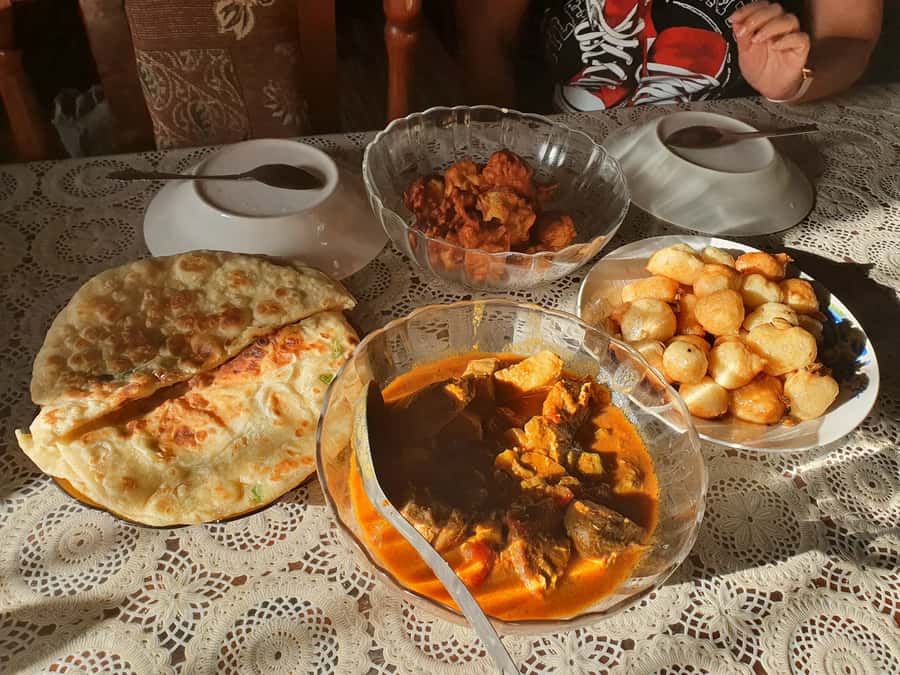
- What your cooking day meal can include
- Specific dishes you might see prepared
- What the fruit part adds
- Buying Spices and Staying Flexible With Cash
- Price and Value: Is $50 Worth It?
- Who This Zanzibar Spice and Cooking Tour Suits Best
- The Quick Decision Guide: Should You Book This One?
- FAQ
- How long is the Zanzibar walking spice farm and cooking tour?
- Where does pickup and drop-off happen?
- What’s included in the price?
- What languages are the live guides?
- What will I smell and taste during the spice farm part?
- Is the cooking portion a class where everyone cooks, or more of a demonstration?
- Is the spice stall cash-only?
Key highlights worth your attention
- Tangawizi Spice Farm shamba walk with a guide who helps you connect plants to real smells
- Hands-on scent and tasting of cloves, lemongrass, cinnamon, nutmeg, turmeric, vanilla, and more
- Swahili cooking skills and food context using simple tools and heat from wood/charcoal
- A meal you actually eat on-site, plus tropical fruit tasting during the farm portion
- Cash-only spice stall at the end if you want to buy packaged spices to take home
- Private group feel, with guides adjusting how the walk happens for your comfort when needed
A 6-Hour Spice Walk That Explains Zanzibar Through Smell
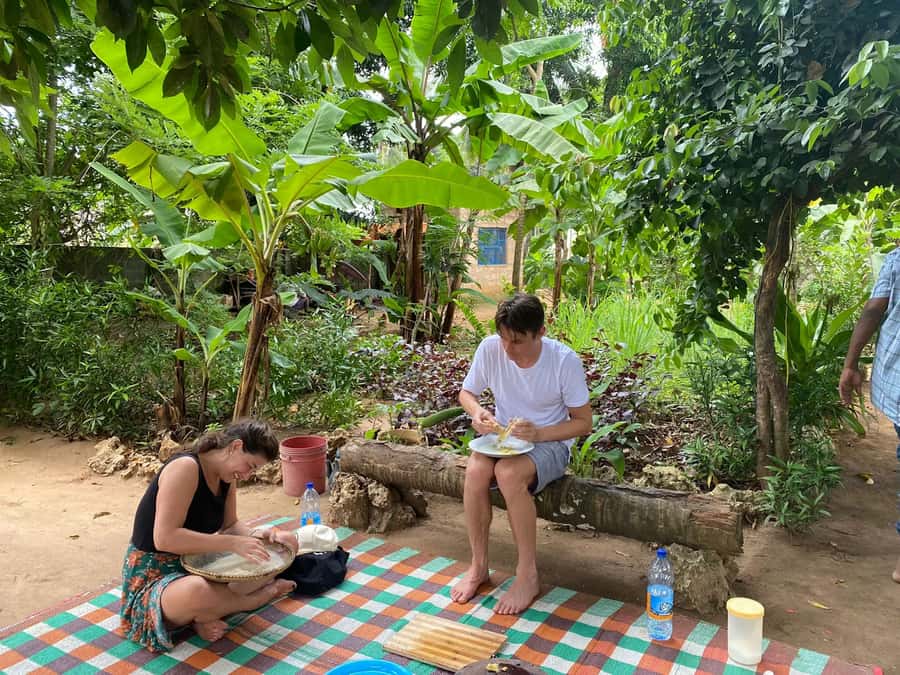
Zanzibar’s spice story is often told with big claims. This tour tells it the way you’d notice it in real life: smell first, then taste, then learn what to cook with.
The day runs about 5 to 6 hours, and it’s built to keep moving without rushing you. You’ll be guided through the farm, then you’ll shift into the cooking area and eat what’s made. The best part is that the tour doesn’t treat spices like museum objects. You’re learning what they are, how they grow, and how they show up in everyday cooking.
If you’re the type of traveler who loves food but doesn’t want a long lecture, this format fits you well.
You can also read our reviews of more tours and experiences in Zanzibar.
Tangawizi Spice Farm: What You’ll See on the Shamba Walk
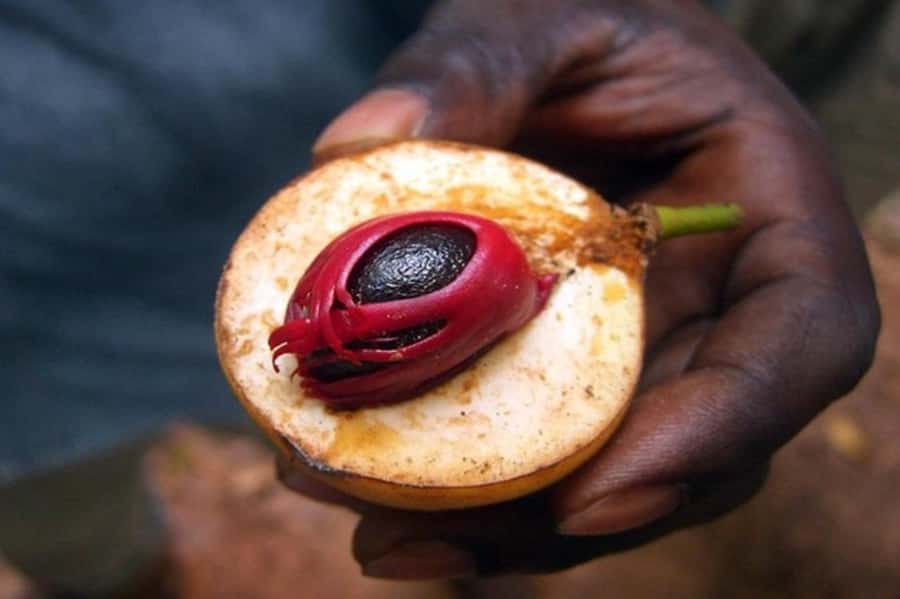
You’ll start at Tangawizi Spice Farm, a working organic-style farm where you walk through plants that are in season across the year. The guide points out spice trees and herb bushes and makes it easier to recognize them beyond just smell.
This is where the tour earns its popularity. You get a clear “what’s this?” moment for spices and fruits that can feel familiar only from a bottle in your kitchen.
What you’ll likely smell and taste
The tasting list is one of the tour’s strongest draws. Expect to be offered chances to smell and taste spices, herbs, and tropical fruits such as:
- clove
- lemongrass
- nutmeg and cinnamon
- turmeric and vanilla
- coconuts (including the flesh and coconut flavor use)
- papaya, chili, black pepper
- jackfruit
- cardamom
- cassava
- oranges
The practical value for you: once you learn these plants as living things, you’ll understand why Zanzibar food tastes the way it does. It’s also a great way to build your personal “spice vocabulary,” so when you see ingredients later in Stone Town restaurants or on menus, you can connect the dots.
The walking reality
The farm is a walking tour, so you should be ready for uneven ground and short climbs. One review specifically mentioned that the guide was mindful and chose safer walking paths for a disabled guest with walking challenges—so the tour can be flexible in how the walking is handled. Still, the core activity is walking, so pack shoes you trust.
The Cooking Hut Reality Check: Demonstration, Not a Full Class
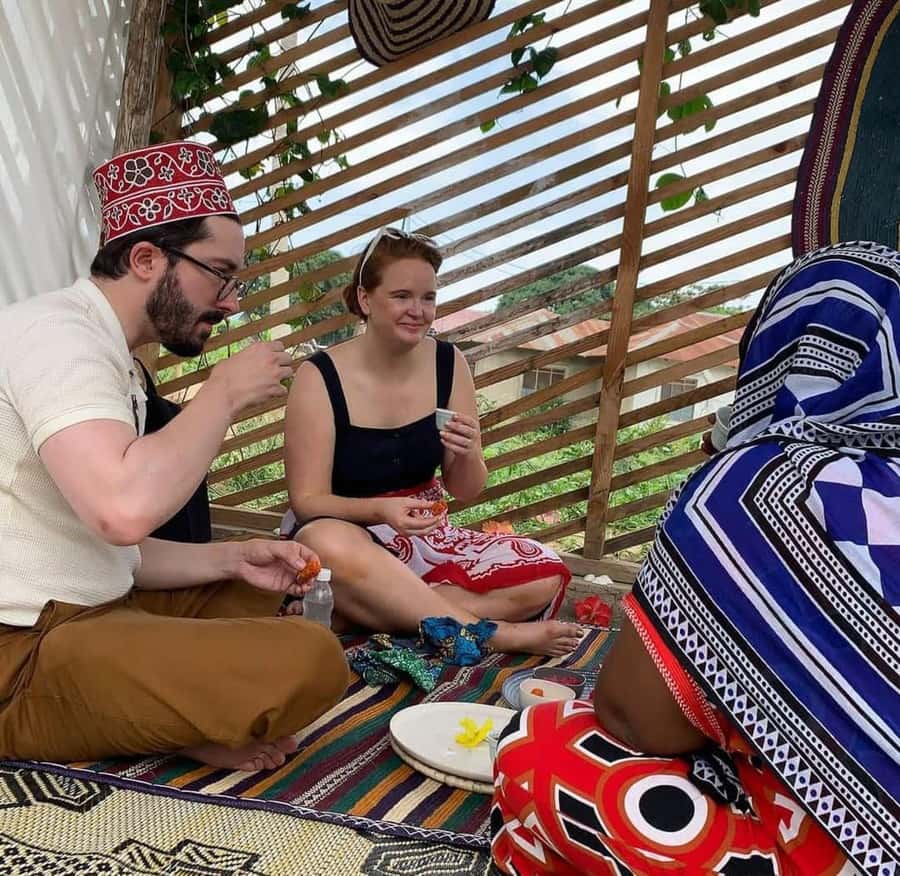
After the farm, you head to the cooking area and you’ll spend time at the cooking setup together. The hut style matters here because it shapes what you’ll experience.
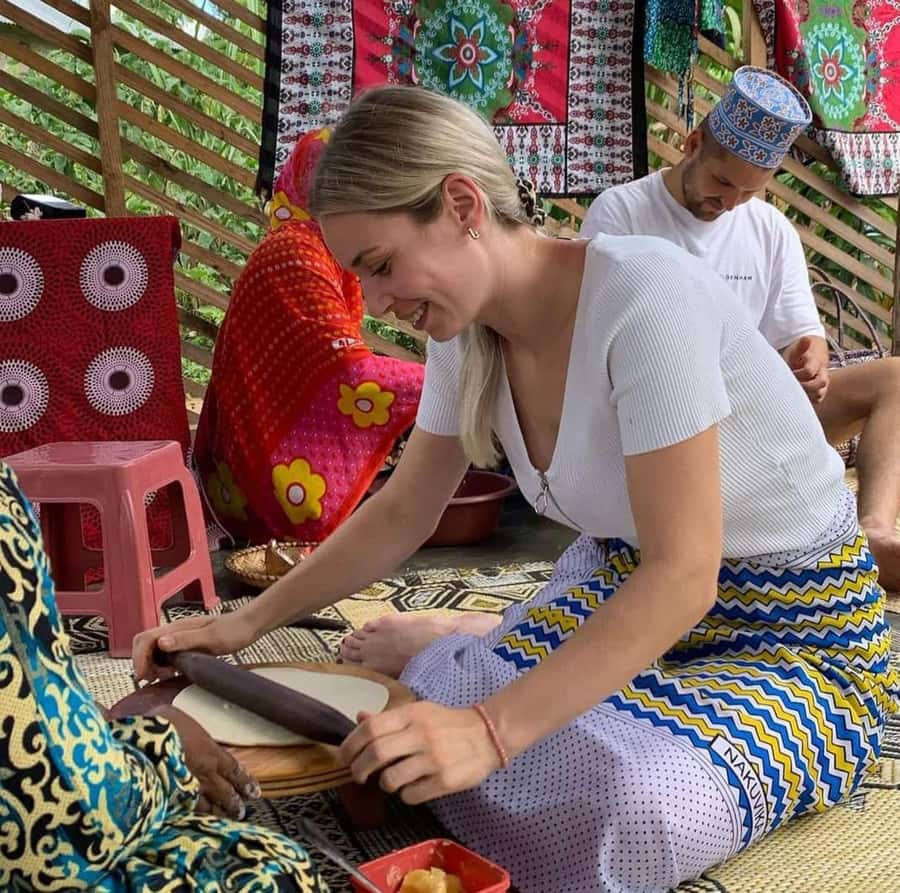
In many cases, you sit in a small open-air cooking hut with sides that feel low and open, a roof made from coconut frond material, and cooking powered by a mix of wood fire and charcoal burners. It’s not a glossy kitchen with a student station for each person. You’re watching, learning, and then eating what the kitchen team cooks with local rhythms and basic tools.
Here’s the honest note: the experience often reads like a demonstration more than a step-by-step class where everyone builds every dish from scratch. That’s not a dealbreaker, but it affects expectations.
What you’ll learn while watching
Even if you’re mostly observing, you still get real technique. One key example is coconut preparation. You’ll likely see how coconut meat is scraped and squeezed for coconut milk, and how that coconut flavor shows up across multiple dishes. You may also see cooking methods that depend on timing and handwork more than gadgets.
If you want a formal, everyone-cooks-everything class, this may feel too casual. If you want to learn what spices do in real food, you’ll likely enjoy it.
The Plates You’ll Eat: Swahili-Style Flavors and Fruit Tastings
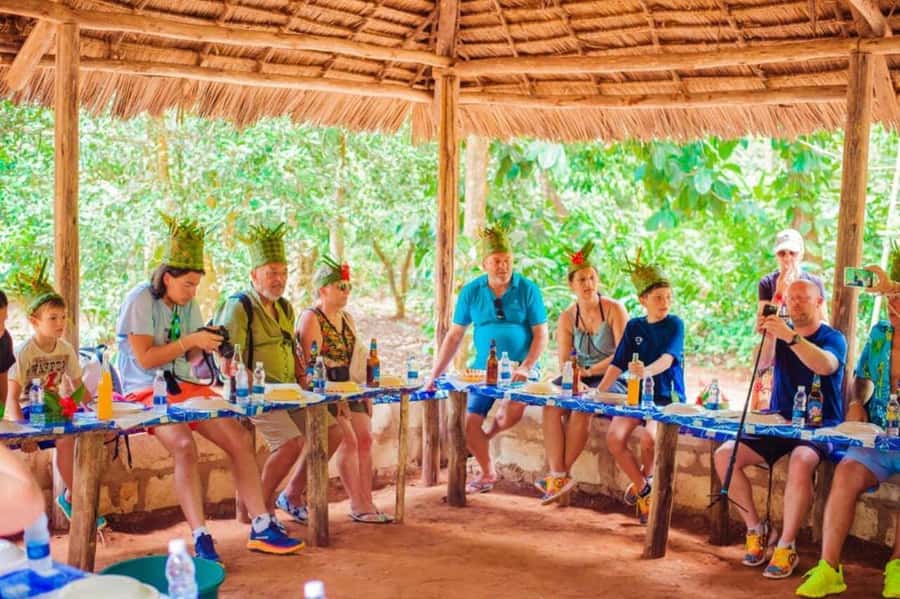
Food is the payoff of the whole day. And multiple details point to the same thing: the meals are the best part for many people.
What your cooking day meal can include
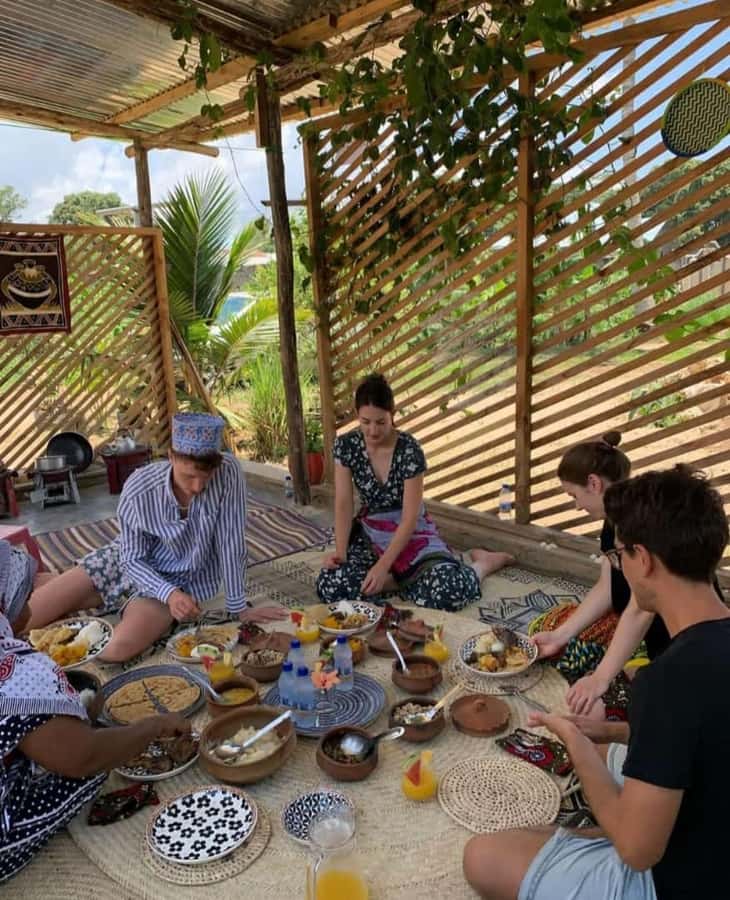
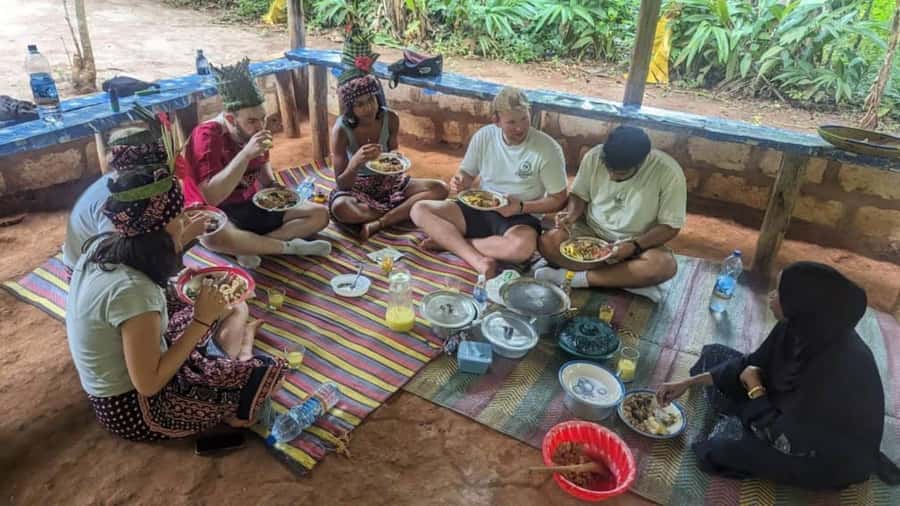
Expect a spread that typically includes multiple courses or multiple dishes, with fruit appearing as part of the experience. Some descriptions mention three meals and a dessert together, while others describe it as a buffet with later fruit. Bottom line for you: be ready for a plentiful meal, not a tiny tasting.
Specific dishes you might see prepared
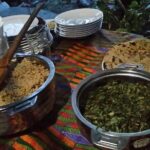
From one detailed description, the cooking setup produced dishes like:
- Pilau rice flavored with several spices
- a sauce featuring tomato, onion, and spinach with added elements
- fish marinated in lime and salt, then fried
- plus sides that may include plantain
Even when you’re not doing the cooking yourself, these examples matter. They show you how Zanzibar flavor isn’t built from one “magic spice.” It’s layered.
What the fruit part adds
The farm portion isn’t only about savory spices. You’ll also be offered tropical fruit tastings. This helps you understand the balance common in Swahili cooking—heat, tang, fragrance, and sweetness moving together.
If your goal is to eat Zanzibar food and figure out what makes it taste right, this tour gives you the ingredients and the plate in the same day.
Buying Spices and Staying Flexible With Cash
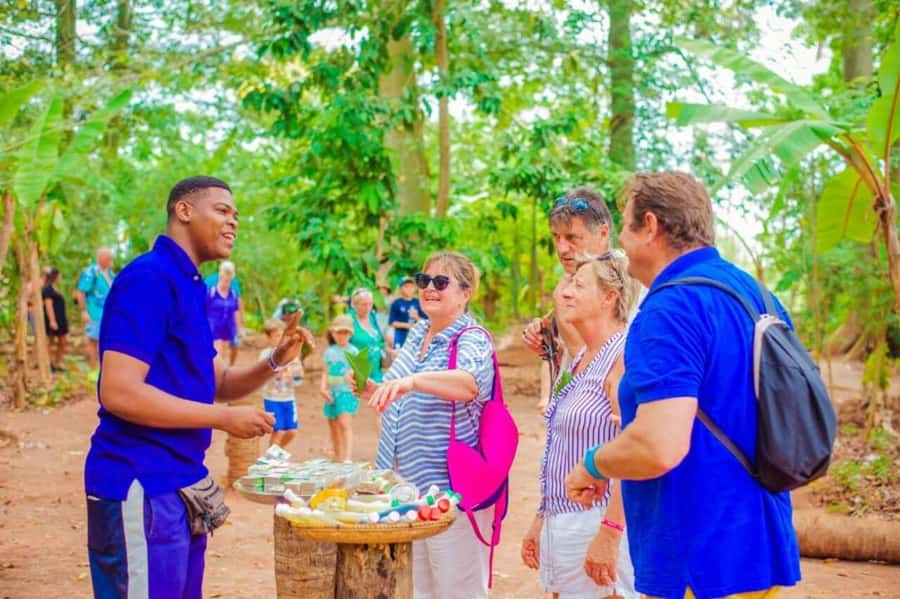
The day usually ends with a stop at a spice stall where you can buy fresh packaged spices. This is where you decide if you want to turn your new spice vocabulary into pantry supplies at home.
A key detail: the stall is listed as cash only. So if you want to buy things like clove, cinnamon, turmeric blends, or other packaged items, bring small bills. Also consider that you might want to buy only what you’ll actually use. The tour’s tastings can help you pick flavors you really like, not just spices that sound impressive.
If you’re traveling light, keep packaging size in mind.
Price and Value: Is $50 Worth It?
At $50 per person for a 6-hour day, the question isn’t just cost—it’s what you get for that money.
Here’s what’s included:
- hotel pickup and drop-off
- a guided farm experience
- the cooking experience
- lunch
On top of that, the tour indicates that tips for farm workers are already included. That matters because tip expectations can add up on a full-day activity, and it helps you budget without stress.
Now the honest balancing point. Because the cooking part can be more demonstration than hands-on workshop, some people expect a more active “you do it” format. If you want to chop, grind, and plate your own dishes in front of a teacher, you may want to shop for a more interactive cooking class elsewhere. But if you value learning through watching, smelling, tasting, and then eating a real Swahili spread, this price can feel fair.
The private group setup also tends to improve how smoothly the day runs. You’re less likely to get lost in a big crowd.
Who This Zanzibar Spice and Cooking Tour Suits Best
This experience fits you best if you:
- love food travel and want spices explained through taste and smell
- want a day that’s educational but not heavy on lectures
- prefer a guided walk where someone tells you what you’re seeing
- enjoy cooking-adjacent culture—like how coconut milk is made and how spice blends show up in rice and sauces
It’s also a smart choice if you have limited time on Zanzibar and want one organized day that covers the spice theme end-to-end: farm → kitchen → meal → take-home spices.
If you’re a super-active traveler who expects lots of hands-on cooking minutes, set expectations that you may mainly watch and participate in smaller ways, then eat the results.
The Quick Decision Guide: Should You Book This One?
Book it if you want:
- a guided shamba walk with real spice tastings
- a cooking experience tied directly to what you’ll eat
- a well-timed 6-hour food day with pickup, lunch, and a private group feel
Consider skipping or switching tours if:
- you specifically want a fully hands-on class where you personally cook every component
- cash-only purchases at the end would be a hassle for you (plan ahead)
If your ideal Zanzibar day is aromatic, practical, and centered on food you can actually taste, this is a strong way to spend your time.
FAQ
How long is the Zanzibar walking spice farm and cooking tour?
It takes about 6 hours.
Where does pickup and drop-off happen?
Pickup is available from Stone Town and also from the Unguja North Region. Drop-off is listed for Unguja North Region and Stone Town.
What’s included in the price?
Hotels pickup and drop-off and lunch are included.
What languages are the live guides?
The live tour guide is available in English, German, and French.
What will I smell and taste during the spice farm part?
You’ll get chances to smell and taste spices, herbs, and tropical fruits such as clove, lemongrass, nutmeg, cinnamon, turmeric, vanilla, coconuts, papaya, chili, black pepper, jackfruit, cardamom, cassava, and oranges.
Is the cooking portion a class where everyone cooks, or more of a demonstration?
The description includes a practical cooking lesson, but the experience can also feel like a demonstration. Expect to watch cooking as part of the setup and then eat the food together.
Is the spice stall cash-only?
Yes, the stop at the spice stall is described as cash only.