REVIEW · ZANZIBAR
Half-Day Kuza Cave Swimming Adventure and Cooking Class
Book on Viator →Operated by Kuza Cave Culture Centre · Bookable on Viator
A cave swim beats beach boredom. The half-day Kuza Cave experience pairs crystal-clear water with a Swahili culture story you can feel in your day. I love the cave swimming itself and the hands-on Swahili cooking lunch, where you learn how spices and fresh coconut milk come together. The one thing to keep in mind: if you want a separate drum or dance lesson, it needs its own booking, and the timing can feel shared if the guide is juggling several groups.
This tour is run by a social enterprise (Kuza Cave Culture Centre), and your visit supports local education projects. The group stays small, up to 30 people, and the whole program is designed to keep you moving from water to kitchen to music without rushing you too hard.
In This Review
- Key Things to Know Before You Go
- Kuza Cave: Why a sacred cave swim feels different
- The 10:00 AM start: what you actually do at Kuza Cave
- Swim first, then slow down
- A practical note about guide attention
- 11:30 AM lunch cooking: spices, coconut milk, and mchuzi
- What this teaches you about Zanzibar food
- Local music and dancing: when the day turns into a jam
- Drum or dance lessons are separate
- The value of a $13 half-day (and what you’re giving up)
- What you give up: transportation
- Proof of booking can matter
- What to expect in the day’s pacing
- Who this Kuza Cave tour is best for
- Should you book Kuza Cave Swimming and Cooking?
- FAQ
- FAQ
- Where does the tour start and end?
- How long is the experience?
- What time does the tour run?
- How much does it cost?
- What’s included in the price?
- Does the tour include swimming?
- What do you cook during the lunch cooking class?
- Is local drumming and dancing included?
- Is a mobile ticket used?
- What’s the group size limit?
- Is free cancellation available?
Key Things to Know Before You Go

- A healing cave swim in a sacred setting, with archaeological artefacts and a Swahili history timeline
- A real cooking class, not just watching: you help blend Zanzibar spices and make coconut milk
- Lunch is included, served as part of the cooking experience
- Local musicians drop in, with drumming and dancing during the afternoon vibe
- Extra drum/dance lessons cost extra and require a separate booking
- Transport isn’t included, so plan how you’ll get to Kibigija, Jambiani
Kuza Cave: Why a sacred cave swim feels different
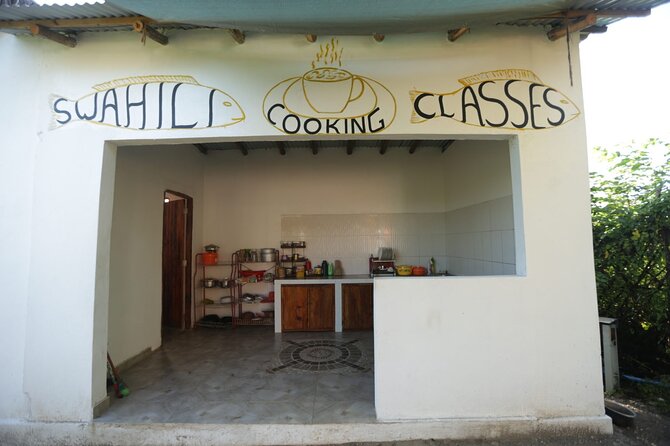
Zanzibar is famous for beaches, but Kuza Cave is the kind of stop that changes the mood fast. You’re trading salt air for cool cave water and a quiet, jungle-adjacent atmosphere. It’s less of a “photo stop” and more of an event you actually participate in.
The cave setting matters because the experience is framed as sacred and historical, not just scenic. You’ll see artefacts and hear a timeline of Swahili history that connects back to East Africa origins. That context gives the swim a deeper meaning than simply getting wet in a pretty place.
And yes, the water is the main draw. People come away talking about how crystal clear it feels once you get in and settle. If you like your tours active (but not exhausting), this one fits well.
You can also read our reviews of more tours and experiences in Zanzibar.
The 10:00 AM start: what you actually do at Kuza Cave
You’ll arrive around 10:00 AM at Kuza Cave (Kibigija, Jambiani). From there, the tour flow is straightforward: swim, learn, and take in the cave details before you move on.
Swim first, then slow down
Most of your time in the cave is spent swimming in calm conditions. You’ll be in the water long enough to get past the first splashy nerves and start enjoying the temperature and clarity. The cave also has a peaceful, green-feeling setting around it, so you’re not just standing in one spot.
A key part here is that you’re shown more than the water. You’ll get a look at archaeological artefacts and a timeline that links Swahili history to broader human beginnings in East Africa. It’s one of those moments where a short explanation makes the whole place feel bigger.
A practical note about guide attention
One practical consideration: the guide may be managing more than one small group at a time. That doesn’t mean the experience is rushed, but it can affect whether every side stop gets the same attention. If you want to see a particular area or you have questions, ask directly and politely. You’ll get better answers that way than waiting for someone to catch up.
11:30 AM lunch cooking: spices, coconut milk, and mchuzi
Around 11:30 AM, you shift from water to an open-plan kitchen for lunch. This is the most hands-on part of the tour, and it’s why the whole day feels worth the price.
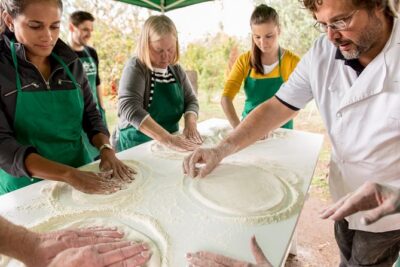
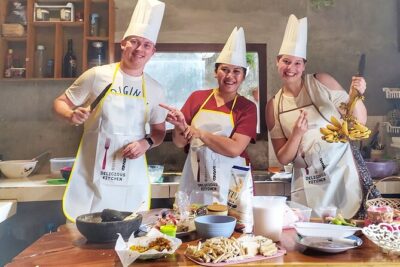
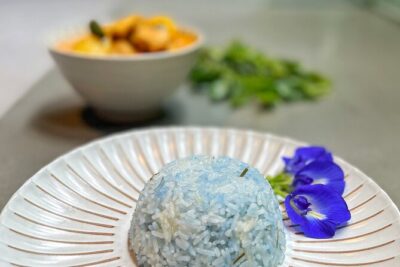
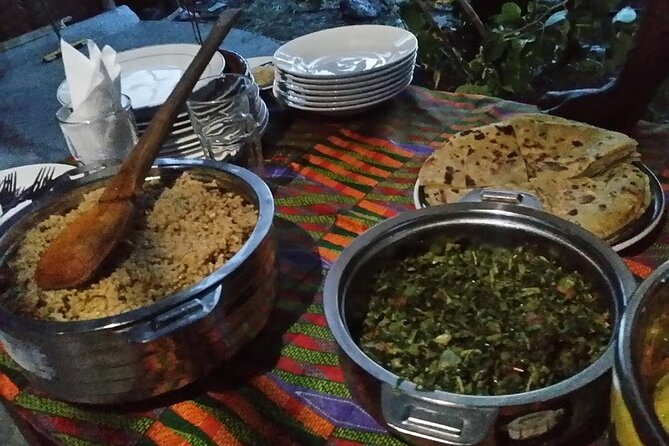
You cook with the team instead of just observing. You’ll learn how to gently blend Zanzibar spices and how to make fresh coconut milk. That coconut milk can be used for rice or for a sauce called mchuzi. Even if you’ve never cooked before, the process is designed to be doable, and you’ll leave with a clear idea of what goes where and why.
What this teaches you about Zanzibar food
This isn’t a generic “cultural lunch.” It’s a quick snapshot of how Swahili cooking works: start with spice balance, add coconut richness, then use it to build the flavor base for rice or a mchuzi sauce. When you understand that pattern, you’ll recognize it later in other meals across Zanzibar.
Lunch also functions as a reset. You’ve been in cool water and surrounded by cave air, then you’re warming up with a meal you made part of. It’s a simple rhythm that keeps the half-day from feeling tiring.
Local music and dancing: when the day turns into a jam
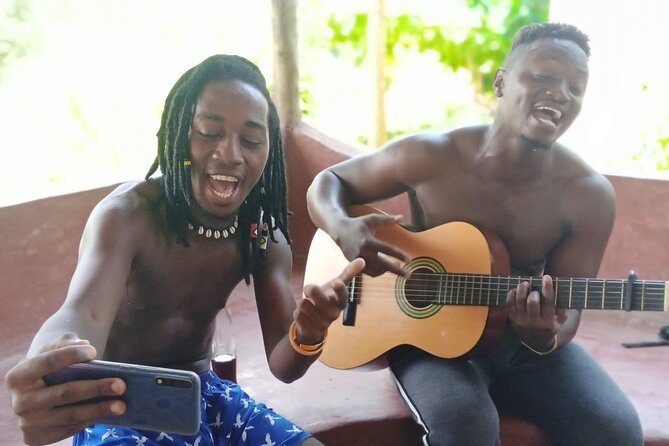
Music comes into the picture during the lunch window and after, with a social enterprise twist. The program supports local artists and musicians, and they often drop in for traditional African drumming and dancing during the afternoon.
You may also join in a kind of informal jam session vibe, where the energy builds as people play. This is one of those moments where the culture isn’t presented like a museum performance. It feels more like people sharing what they do, which is exactly what many visitors hope for.
Drum or dance lessons are separate
If you’re hoping to go deeper and learn drums or dance, plan on that needing separate booking. The main tour can include music and dancing in the flow, but structured instruction isn’t automatically included.
That’s not a deal-breaker. It just helps you set expectations. If you want instruction, treat it like its own add-on. If you’re happy watching and listening, you’ll still get plenty from the cultural atmosphere.
The value of a $13 half-day (and what you’re giving up)
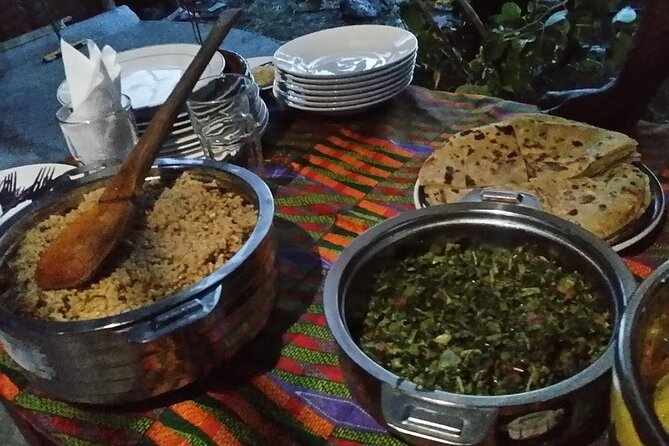
At $13 per person, this tour is priced like a bargain compared to many “half-day culture” options elsewhere. The key is what you get inside the time window: cave swimming, history/artefact context, a practical cooking session, lunch, and a music/dancing component.
You also get a social impact angle. Since the visit benefits local education projects, you’re not just paying for your own day out. For a low-cost activity, that matters.
What you give up: transportation
The big downside on the practical side is that private transportation isn’t included. That means you need to handle getting to Kuza Cave yourself. The good news is the site is described as near public transportation, so it’s usually manageable if you’re already planning to move around Jambiani.
Proof of booking can matter
One more real-world tip: keep your mobile ticket and a screen-shot or copy of confirmation handy. Sometimes systems can be slow or offline, and having proof saves time and stress. It takes almost no effort and prevents a small headache.
What to expect in the day’s pacing

This is a true half-day: it runs about 4 hours, starting at 10:00 AM and ending back at the meeting point around 2:00 PM. The timing structure is built to move you from water to meal to music without stretching the day.
Because it’s capped at 30 travelers, you’re not swallowed by a huge crowd. Smaller groups usually mean you can ask questions and get support if you need a hand in the kitchen or while preparing for the swim.
The one drawback is that shared scheduling can affect what you see for the “other attractions” part of the day. If your priority is only the cave itself and the cooking, you’re in good shape. If you’re also chasing every minor stop on the property, be ready to ask your guide what’s possible in your time slot.
Who this Kuza Cave tour is best for
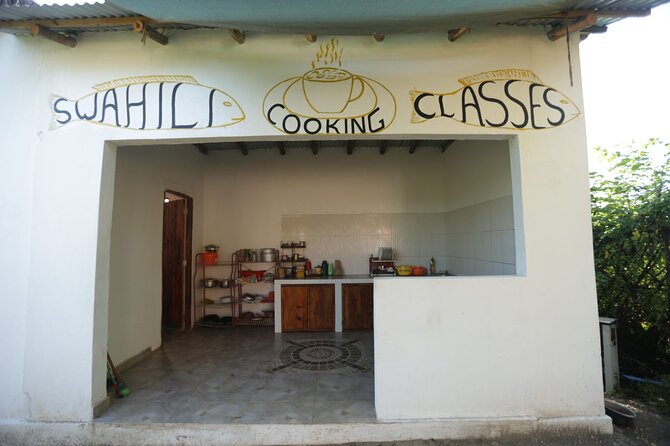
This works well if you want more than beaches but don’t want a full-day commitment. It’s also a great match if you like interactive experiences: getting into the water, cooking with spices, and taking in music while you’re still in the mood to learn.
You’ll likely enjoy it most if you:
- like cultural context explained in a straightforward way
- want a hands-on food experience instead of a tasting-only meal
- don’t mind that it’s active but not intense
- appreciate social enterprise tourism where your ticket supports local education
If you only want lounging time, cave water might not be your style. And if you’re mainly interested in instruction-level drumming or dance, remember those lessons require separate booking.
Should you book Kuza Cave Swimming and Cooking?
I’d recommend booking if you want a half-day that feels genuinely different from the usual Zanzibar routine. The best reasons are simple: the cave swim and the cooking session with fresh coconut milk. That combination is hard to beat at this price, especially with a social enterprise angle tied to education projects.
Book it if you’re curious about Swahili culture beyond the beach postcard. Skip it (or add the right expectations) if you’re only looking for passive sightseeing, or if you need structured drum/dance lessons included.
FAQ
FAQ
Where does the tour start and end?
The tour starts at Kuza Cave (Kibigija, Jambiani, Tanzania) and ends back at the same meeting point.
How long is the experience?
The experience runs about 4 hours.
What time does the tour run?
It starts at 10:00 AM and finishes around 2:00 PM.
How much does it cost?
It costs $13.00 per person.
What’s included in the price?
All fees and taxes are included, and lunch is included. Transport is not included.
Does the tour include swimming?
Yes. You’ll swim in the cave water as part of the experience.
What do you cook during the lunch cooking class?
You help blend Zanzibar spices and make fresh coconut milk, which can be used with rice or for mchuzi (sauce).
Is local drumming and dancing included?
Music and traditional drumming and dancing may happen during the visit. If you want a drum or dance lesson, that requires a separate booking.
Is a mobile ticket used?
Yes, the tour uses a mobile ticket.
What’s the group size limit?
The maximum group size is 30 travelers.
Is free cancellation available?
Yes, you can cancel for a full refund up to 24 hours in advance. If you cancel less than 24 hours before the start time, it isn’t refunded.