REVIEW · ZANZIBAR
Zanzibar Cooking Class & Spice Tour
Book on Viator →Operated by Kiyzo · Bookable on Viator
Spices do the talking here. This Zanzibar Cooking Class & Spice Tour turns a quick visit into a hands-on food lesson, starting in Stone Town’s Darajani Market and ending with you cooking and eating classic Zanzibari dishes. You also get tastings at a spice farm, where tropical fruits and spices come together in a way that makes the island flavors make more sense.
What I really like is the 3-part flow: market → spice farm → cooking class, all in one smooth morning or afternoon block. You’re not just watching either. Guides and cooks such as Lutfia (and hosts like Lutfia & Rashid) focus on practical prep, including tips for staples like rice pilau and even how to handle bananas for cooking.
One possible drawback: timing can be sensitive. A small number of people reported late pickup and trouble contacting the host, so if you’re racing a flight or a tight schedule, build in extra buffer time and keep your phone handy.
In This Review
- Key highlights to expect on this Zanzibar food experience
- Stone Town to the spice fields: how the 5 hours really work
- Darajani Market shopping: learning by picking ingredients
- Azusa Spice Farm tastings: seeing spices and fruit in context
- The cooking class: prepping Zanzibar dishes and eating what you make
- Value check: is $40 fair for market, farm, and lunch?
- Morning vs afternoon: choosing the session that fits your day
- Who should book this Zanzibar cooking class and spice tour
- Should you book it?
- FAQ
- What time does the Zanzibar cooking class & spice tour start?
- How long is the tour?
- Where does the tour start, and where do you end?
- What happens during the experience?
- How many people are in the group?
- Is the tour refundable if I cancel?
Key highlights to expect on this Zanzibar food experience
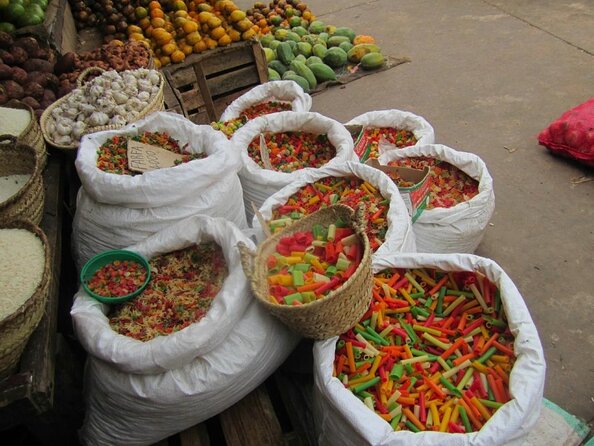
- Darajani Market ingredient shopping you’ll use in class, not just browse for photos
- Azusa Spice Farm tastings with spice-fruits and clear explanations of what you’re seeing
- A hands-on cooking class where you prep, cook, and sit down to lunch
- Small-group feel (max 10 travelers) that makes questions easier and the pace less frantic
- Stone Town hotel transfers included, plus choice of start times (morning or afternoon)
- Lunch included after you finish cooking, so you’re not stuck hunting food afterward
Stone Town to the spice fields: how the 5 hours really work
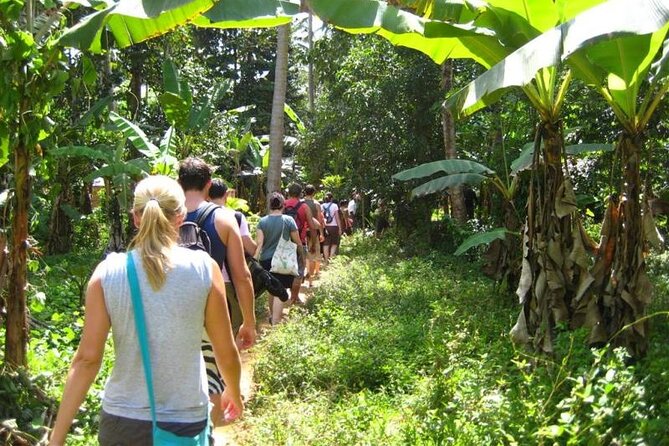
This tour runs about 5 hours, with pickup available in two windows: 9:00 AM for a morning session or 3:00 PM for an afternoon session. You get Stone Town hotel transfers included (so you’re not trying to coordinate transport on your own), and you’ll be dropped back after the cooking and lunch portion.
The day is set up like a mini food story. You start where locals shop, move to where ingredients grow, then return to the kitchen where those ingredients become recognizable Zanzibari dishes. It’s a format that works well if you only have a short time in Zanzibar but still want more than a plate of food.
Group size is capped at 10 people, which matters more than you might think. In a larger group, cooking classes can turn into a quick show-and-tell. Here, you’ll have a better chance to ask questions and follow along at a usable pace.
You can also read our reviews of more tours and experiences in Zanzibar.
Darajani Market shopping: learning by picking ingredients
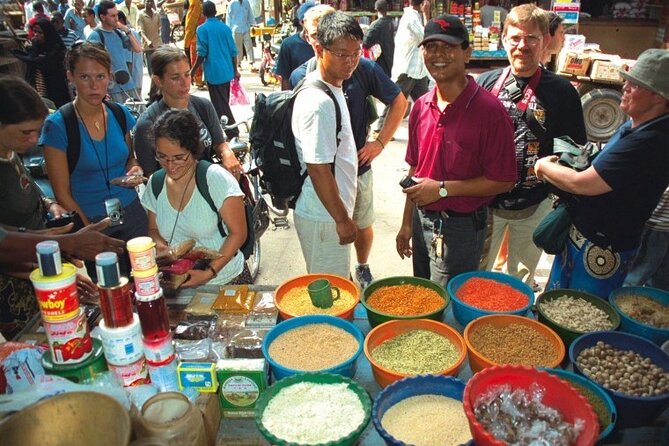
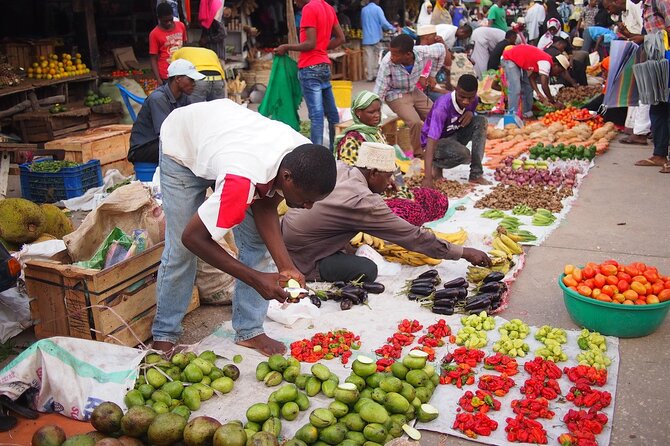
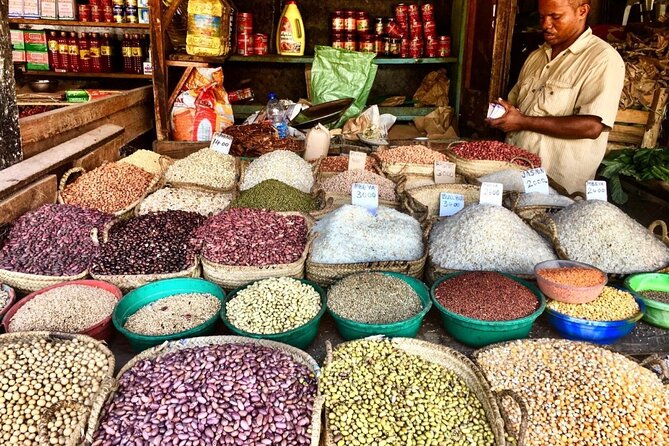
The tour begins at Darajani local market in Stone Town. You’ll do a short guided walk and then buy ingredients before heading out to the farm. Even if you’re not a big shopper, this stop is one of the best ways to understand what shapes Zanzibari cooking.
Here’s what you should pay attention to during the market portion. Look for the ingredients you’ll later see in the kitchen: the spices, the tropical fruit flavors, and the “everyday” building blocks people use to make food taste like Zanzibar. This is also where you get practical context—what’s common, what’s seasonal, and what shows up again and again on local menus.
Bring a curious mindset, not a food-science one. The point isn’t to memorize names like a textbook. It’s to connect the market shelf to what ends up on your cutting board later.
And yes, shopping can affect your total spend. Because you’re expected to buy ingredients during this portion, budget a little extra beyond the tour price for what you choose (or what the class requires).
Azusa Spice Farm tastings: seeing spices and fruit in context
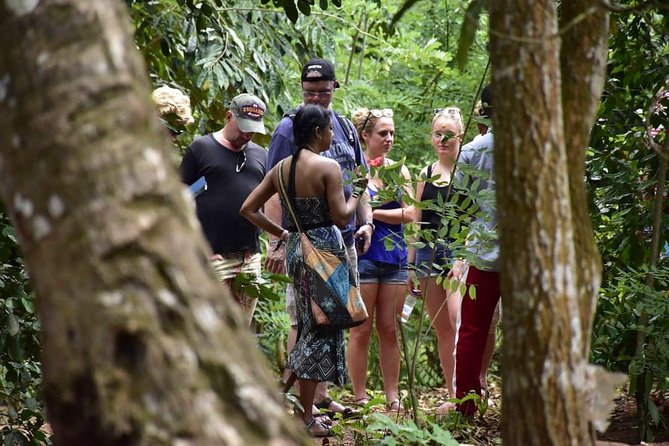
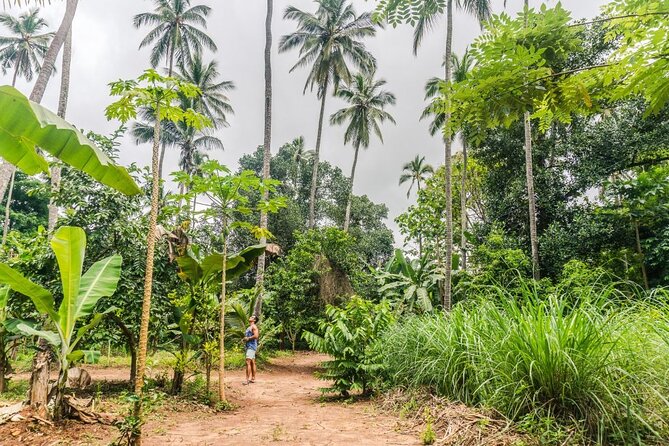
After the market stop, you head to the spice farm. The farm experience is built around a guided walk plus tastings—specifically spice-fruits. If you’ve ever wondered why Zanzibar food tastes the way it does, this is where the “why” starts to click.
One of the standout aspects here is how interactive the explanation can be. People describe the farm tour as both informative and hands-on, with guides showing different spices and fruits and encouraging you to taste what they’re talking about. That matters because spices don’t behave like dry pantry items. On the island, they have scent, color, and freshness that you can’t fully capture in a bottle.
A named highlight from the experience is Azusa Spice Farm. So if you like the idea of a real working farm and not just a quick roadside stop, this is the part that tends to feel most “real.”
If you’re sensitive to strong smells, you might want a moment to adjust. Clove and other aromatic spices can hit you quickly once you’re close to the source. That’s not a problem—just plan for it.
The cooking class: prepping Zanzibar dishes and eating what you make
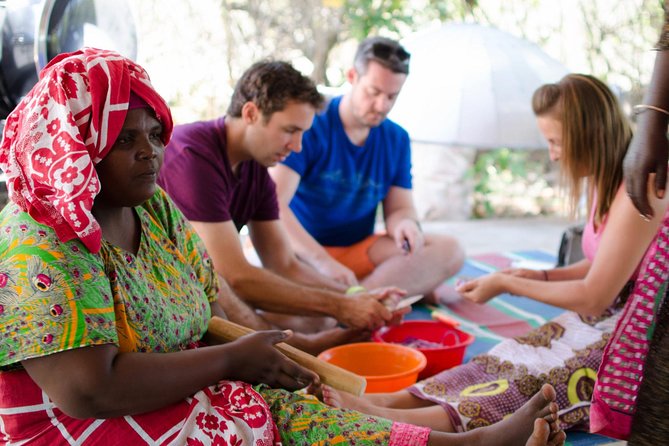
The final and most important segment is the cooking class with a local cook. You’ll learn authentic Zanzibar dishes, do the prep work, and then sit down for lunch.
A particularly memorable detail: one person described cooking a 4-plate meal, and the instruction included specific guidance for dishes like rice pilau. That type of practical tip is exactly what you want from a class. It turns Zanzibar flavor into repeatable technique, not just “we used spices.”
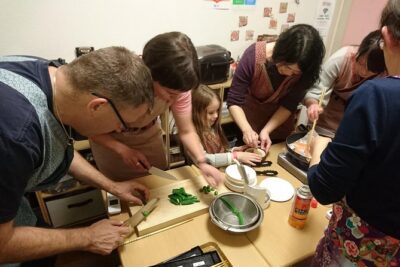
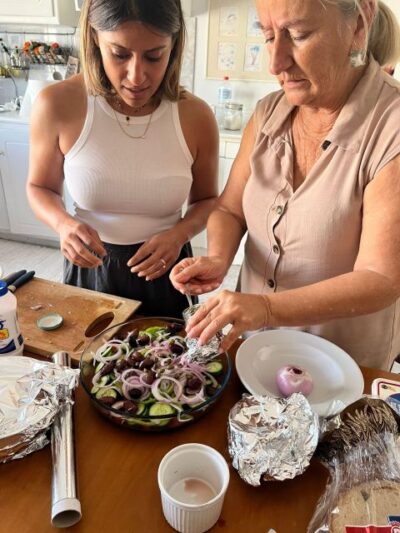
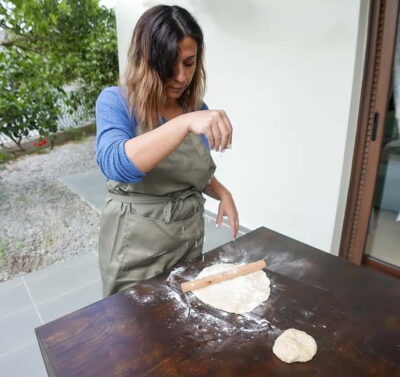
You should expect more than a demonstration. The class is designed for you to participate—preparing ingredients, cooking steps, and finishing with a meal you can actually taste immediately after learning it. That “learn → cook → eat” loop is what makes cooking classes worth paying for, especially when you’re already spending money on food during travel.
Also, this is where the guide’s personality really shows up. People mention hosts such as Lutfia as warm and focused, with clear instruction and care for the group’s experience. In other words: not just knowledge, but teaching.
One practical mindset tip: don’t rush to take everything home in your brain. Use the class to learn the big moves—how flavor gets built, how ingredients are handled, and what to watch for during cooking—then let the rest soak in while you eat.
Value check: is $40 fair for market, farm, and lunch?
For $40 and roughly 5 hours, this tour stacks several high-value pieces together: market shopping, a spice farm visit with tastings, and a hands-on cooking class plus lunch, with Stone Town hotel transfers included. Individually, each of those can be expensive once you’re in a tourist zone.
Where the value gets even better is the small-group size (up to 10 people) and the fact that it’s not just a walk-through. You’re involved in buying ingredients, learning what they are, tasting them, then cooking with them. That’s a lot of “learning time” for one ticket.
The main thing to consider is that you may pay extra for ingredient purchases during the market portion. The tour price covers the structure and the guided experience, but buying ingredients can nudge the total. If you’re trying to keep a strict budget, go into the market stop with a calm plan rather than impulse buying.
If you want a simple “Zanzibar flavor” night, you might find cheaper options. But if you want understanding—why things taste the way they do, and how local cooks actually build meals—this is one of the more efficient uses of your time.
Morning vs afternoon: choosing the session that fits your day
You have two start options: 9:00 AM or 3:00 PM. Choosing the right one depends less on the food (it’s the same core experience) and more on what you’re doing around it.
Morning is great if you like getting moving early, then using the rest of the day for beaches, museums, or wandering Stone Town. Afternoon works well if you’ve already done a morning activity and want the class to be your later “anchor” plan.
Because you get transfers in Stone Town and the tour ends back at the meeting point, either start time can work smoothly. Just remember the only real stress point is timing. If your day is packed tight, afternoon can feel riskier if you hit traffic.
Who should book this Zanzibar cooking class and spice tour
This tour is a strong match if you:
- Want hands-on Zanzibar cooking, not just sightseeing and a meal
- Like food experiences that teach technique (like rice pilau prep)
- Enjoy small-group guided walks and tasting experiences
- Are staying in Stone Town and want easy transfers without extra planning
It’s less ideal if:
- You dislike tours where you’ll be asked to buy ingredients as part of the process
- You need absolute precision for a late flight with no buffer time
- You prefer very quiet experiences with minimal group energy
The sweet spot is a food-minded traveler who enjoys learning by doing—and who wants a Zanzibar story you can take back to your own kitchen.
Should you book it?
Yes, I’d book this if you want the most practical kind of food knowledge in Zanzibar: market context, spice-farm tastings, and a cooking class that ends with lunch. The price-to-experience ratio is strong, especially with the small-group cap and Stone Town hotel transfers.
I’d be careful only about your scheduling. Since there have been reports of late pickup in at least some cases, don’t book this as your last-minute plan before a tight departure. Give yourself room for delays, and keep your phone ready so communication is possible if needed.
If your goal is to understand Zanzibar cuisine rather than just eat it, this one delivers.
FAQ
What time does the Zanzibar cooking class & spice tour start?
There are two session times. Pickup is available at 9:00 AM for the morning session or 3:00 PM for the afternoon session.
How long is the tour?
The tour lasts about 5 hours (approx.).
Where does the tour start, and where do you end?
The tour starts at R5QQ+697, Zanzibar, Tanzania. It ends back at the meeting point.
What happens during the experience?
You start at Darajani local market for a short guided tour and to buy ingredients. Then you go to a spice farm for a guided visit and spice-fruit tastings. The day ends with a cooking class where you prep and learn authentic Zanzibar dishes, followed by lunch.
How many people are in the group?
The group size is capped at a maximum of 10 travelers.
Is the tour refundable if I cancel?
No. This experience is non-refundable and cannot be changed for any reason.